Archives for the month of: November, 2009

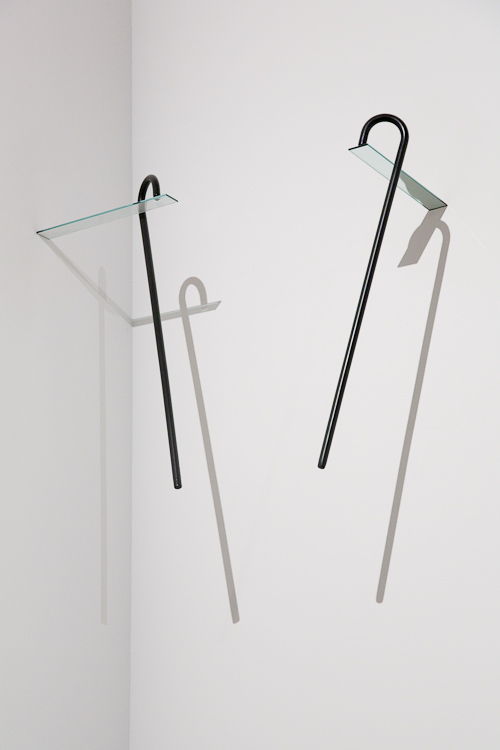
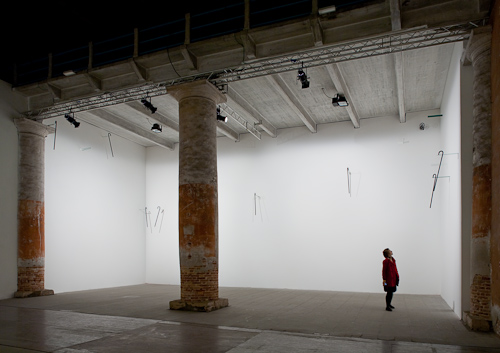
Richard Wentworth: Untitled. 2009 Installation, walking sticks 53rd Venice Biennale, 7 June – 22 November 2009

Arsenale– Fare Mondi // Making Worlds. Central international exhibition, curated by Daniel Birnbaum.

BUY PRINTS/LICENSE images from the entire Richard Wentworth Walking Stick photoshoot here

View photographs of  Wentworth’s other installation (Hanging books) in the 53rd Venice Biennale  at the Giardini here

Richard Wentworth: Untitled. 2009 Installation, walking sticks

Richard Wentworth: Untitled. 2009 Installation, walking sticks (detail)

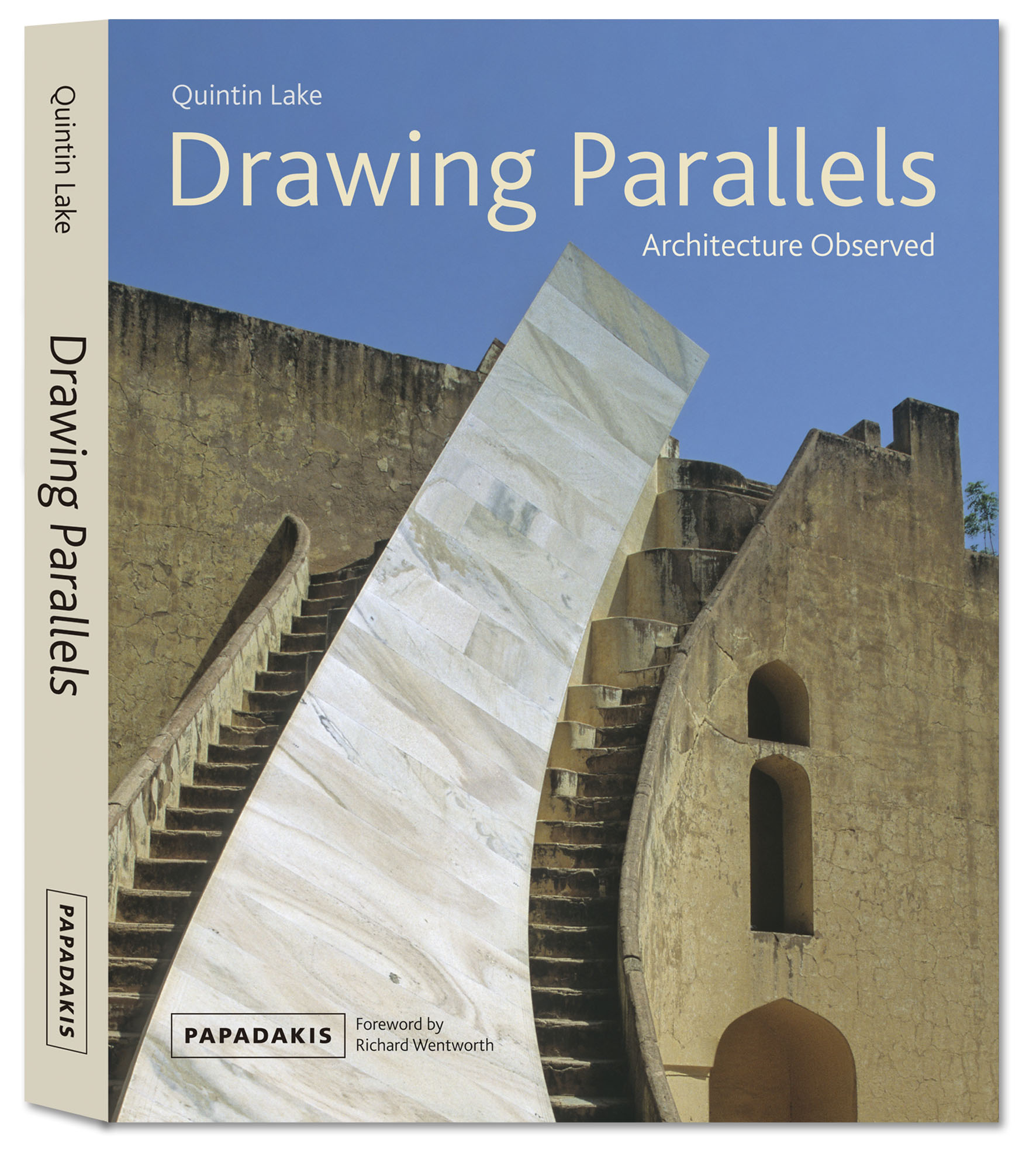
See more architectural photography in my book Drawing Parallels: Architecture Observed

Photography © Quintin Lake, 2009

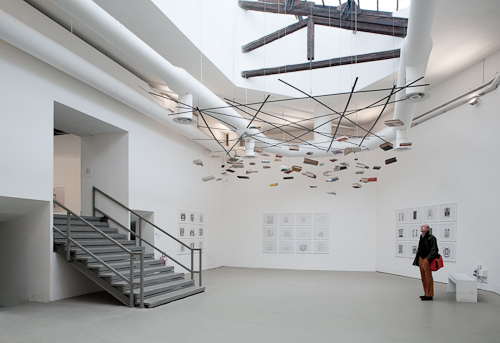
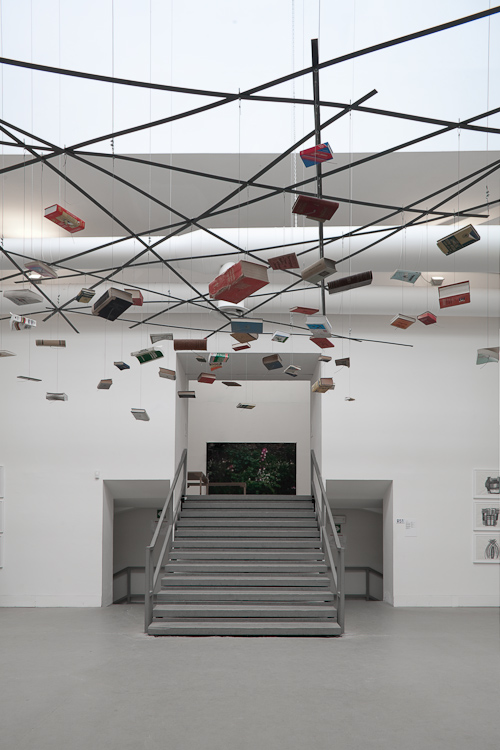
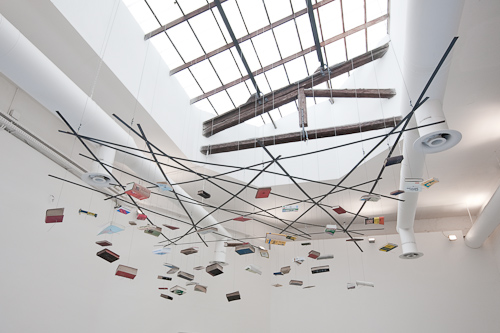
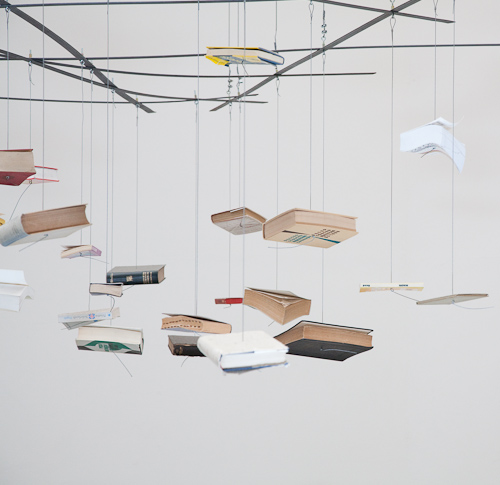
Richard Wentworth: Untitled. 2009 Installation, books, iron and steel cable (hanging books) 53rd Venice Biennale, 7 June – 22 November 2009

Giardini – Fare Mondi // Making Worlds. Central international exhibition, curated by Daniel Birnbaum.

BUY PRINTS/LICENSE images from the entire Richard Wentworth Hanging Books photoshoot here

View Wentworth’s other installation (Walking sticks) in the 53rd Venice Biennale at the Arsenale here

Richard Wentworth: Untitled. 2009 Installation, books, iron and steel cable (hanging books)

Richard Wentworth: Untitled. 2009 Installation, books, iron and steel cable (hanging books)

Richard Wentworth: Untitled. 2009 Installation, books, iron and steel cable (hanging books)

Richard Wentworth: Untitled. 2009 Installation, books, iron and steel cable (hanging books)

Photography © Quintin Lake, 2009

“A thought-provoking and beautifully-photographed collection to which I have found myself returning on many occasions.”
William Arthurs, Editor, London Society Journal
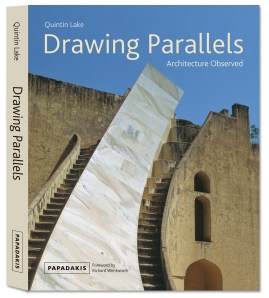
General Information

Press Release containing brief description, author biography and technical information from Papadakis Publisher (PDF) here

Book Cover Image (high res jpg)

An Architecture of Looking, Some directions for use. Foreword By Richard Wentworth

UK Stockists here

Media and Credit Information

Should you wish to feature any material from Drawing Parallels, I request that the following information be included within your piece:

  1. Book Cover image (high res jpg)
  2. Drawing Parallels: Architecture Observed by Quintin Lake
  3. £25  www.papadakis.net

Should you wish to include any additional material, I would be happy to provide it on request. Questions may me emailed to me at mail@quintinlake.com

For review copy request please contact my publisher, Papadakis Publisher

Chapter Extracts

Summary text and two print resolution (300dpi) sample spreads from each chapter available to download as a PDF .
1. Seeing Shapes

2. Surface and Texture

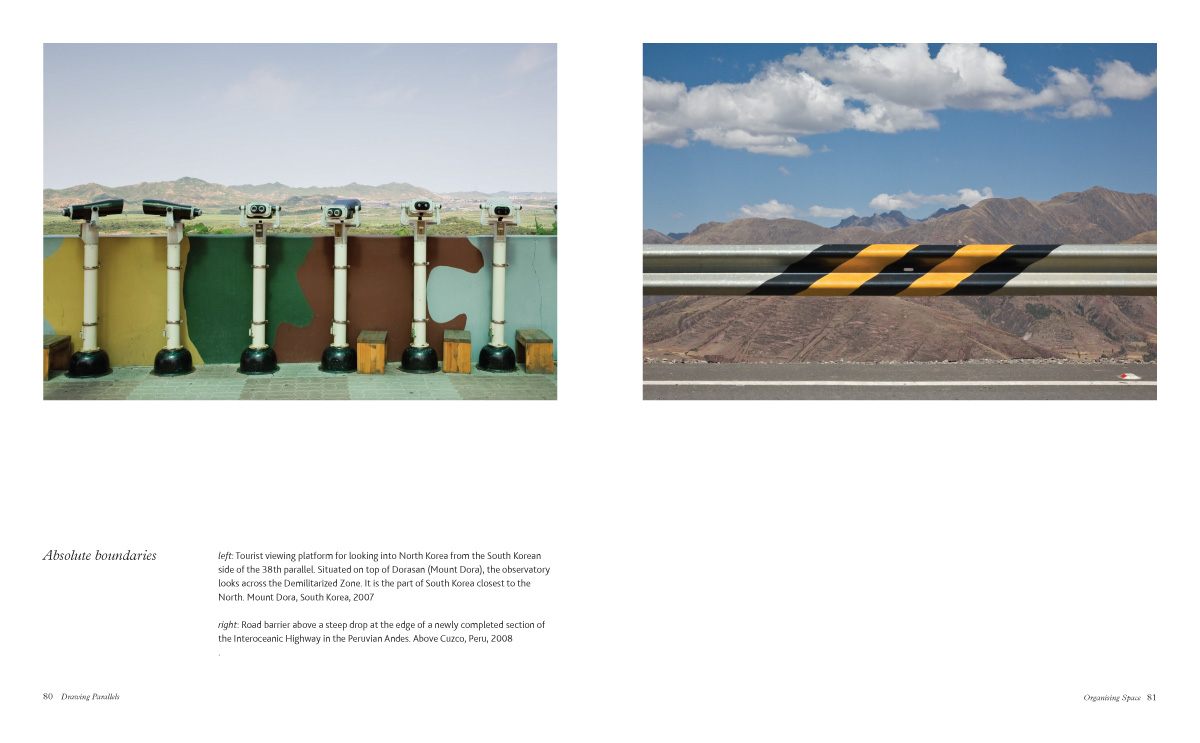
3. Organising Space

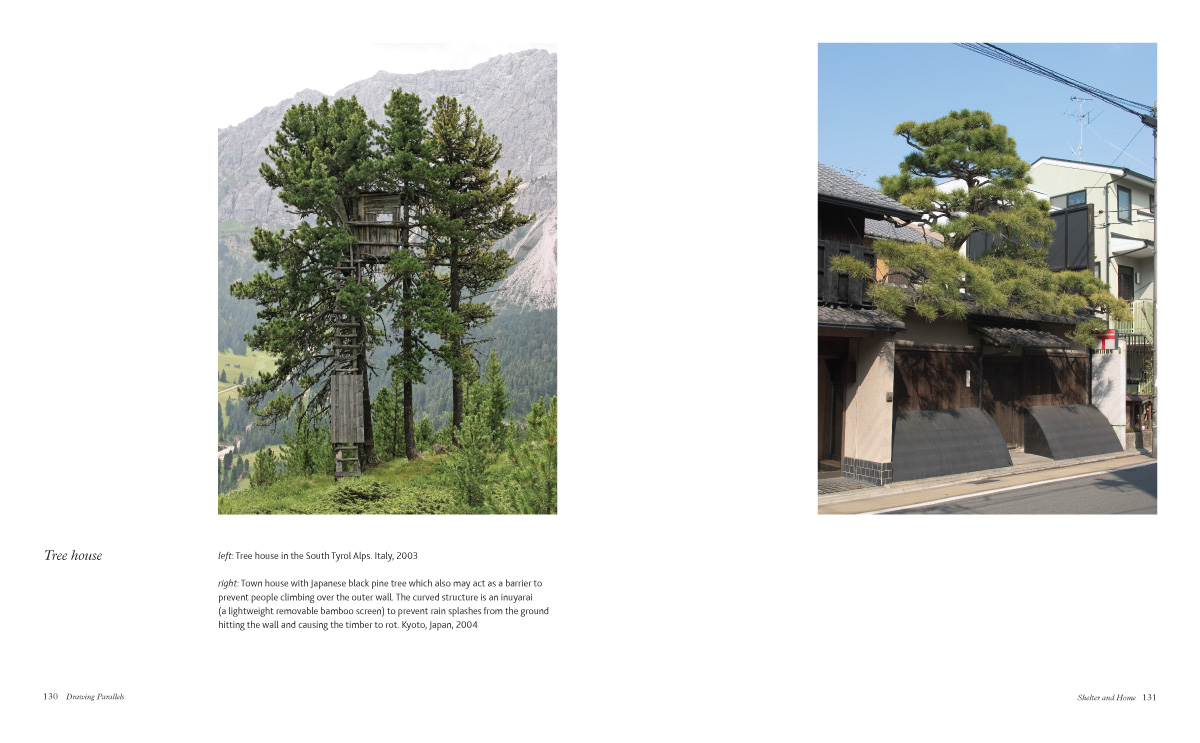
4. Shelter and Home

5. Memory and Place

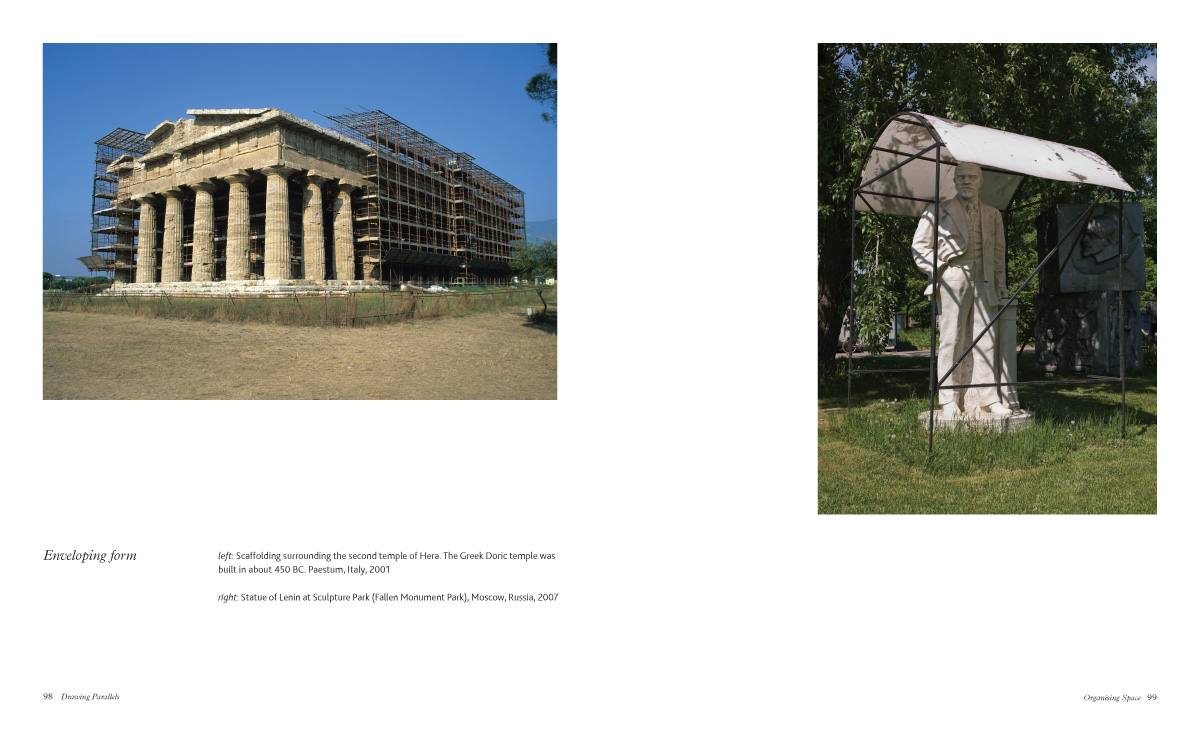
6. Architecture as Stage Set

7. Urban Horizon

All text and images © Quintin Lake. 2009
“When you look at a city, it’s like reading the hopes, aspirations and pride of everyone who built it.”
Hugh Newell Jacobsen

The greatest architectural gestures of our civilisation, the very epitome and physical embodiment of that civilisation, the apparently random and chaotic surge of something intended and planned, the phenomenal paradox of achievement and disaster, the home of ultimate construction and destruction, the Twenty-First century city, is outpacing any attempt to define its nature the very second an image is formed of it. How to represent, how to see, how to know, this most mercurial of forms, that constantly defies notions of what is attainable? As a photographer, the emerging conurbations, the fresh unimagined megalopolises demand a perspective. This is a quest for scope. These horizons, where the patterns and grids of vast populations are assembled out of seeming chaos, are a bright optimistic contribution, a means of attempting to see a future that is happening right now.

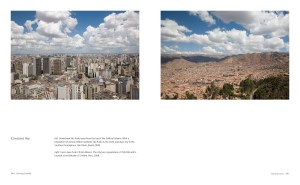
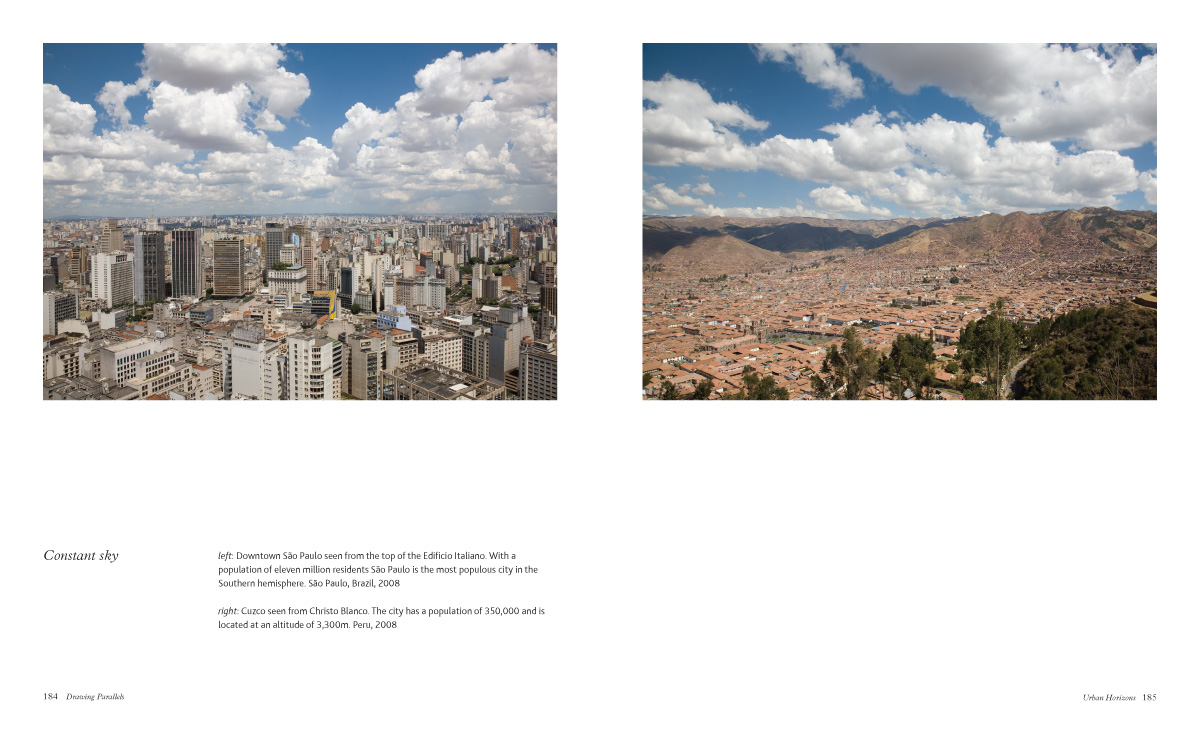
Constant sky

left: Downtown São Paulo seen from the top of the Edificio Italiano.With a population of eleven million residents São Paulo is the most populous city in the Southern hemisphere. São Paulo, Brazil, 2008

right: Cuzco seen from Christo Blanco. The city has a population of 350,000 and is located at an altitude of 3,300m. Peru, 2008

Click on image to enlarge or download Print Res (300dpi) PDF of this spread here

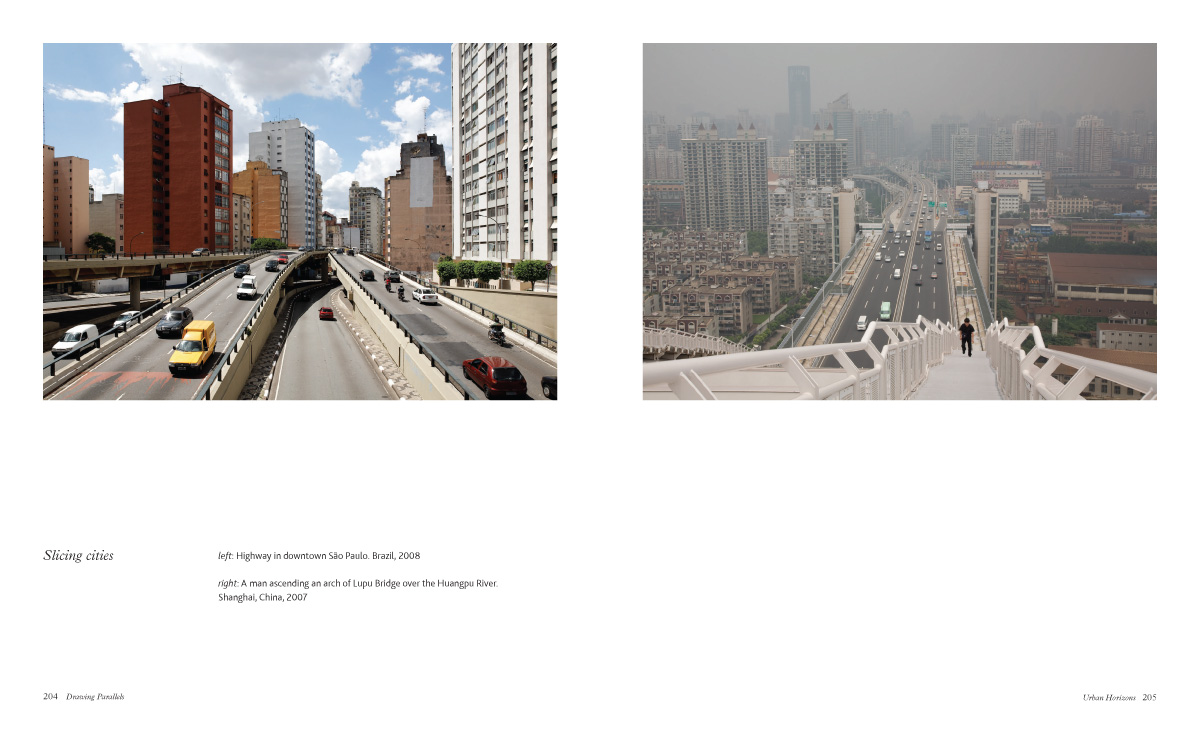
Slicing cities

left: Highway in downtown São Paulo. Brazil, 2008

right: A man ascending an arch of Lupu Bridge over the Huangpu River. Shanghai, China, 2007

Click on image to enlarge or download Print Res (300dpi) PDF of this spread here

< Previous Chapter Extract

“Architecture [is] a theatre stage setting where the leading actors are the people, and to dramatically direct the dialogue between these people and space is the technique of designing.”
Kisho Kurokawa

Public places and buildings have the added dimension of acting as arenas for our lives. In the virtual era we have a heightened awareness of the nature of illusion, of the fact that we are at one and the same time both observing and participating.We see buildings as the backdrop to history and human drama, no longer as organic wholes to which we are connected. In a global village we become tourists and visitors to the sets of a world of other cultures. The photographer, always the contriver and exposer of visual illusion, is attuned to this particularly contemporary phenomenon. Cities and places continually present new ironies, making the observer constantly aware of the layers of transparency. People become orchestrated crowds, and architecture a grand theatrical set, yet individuals are still glimpsed, asserting the defiantly human amongst the towering forests of forms.

Up to the neck

left: Fibreglass shark sculpture erected in 1986, on the 41st anniversary of the dropping of the first atomic bomb. Created by sculptor John Buckley for Bill Heine, who lives in the house. Neighbours tried to force Heine to remove the shark, but after an appeal to the UK’s Secretary of State for the Environment, it was allowed to remain. Oxford, England, 2009

right: Sculpted heads surrounding a front door in Lambeth. London, England, 2009

Click on image to enlarge or download Print Res (300dpi) PDF of this spread here

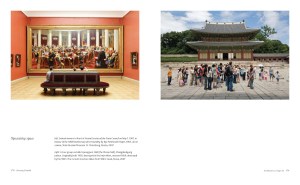
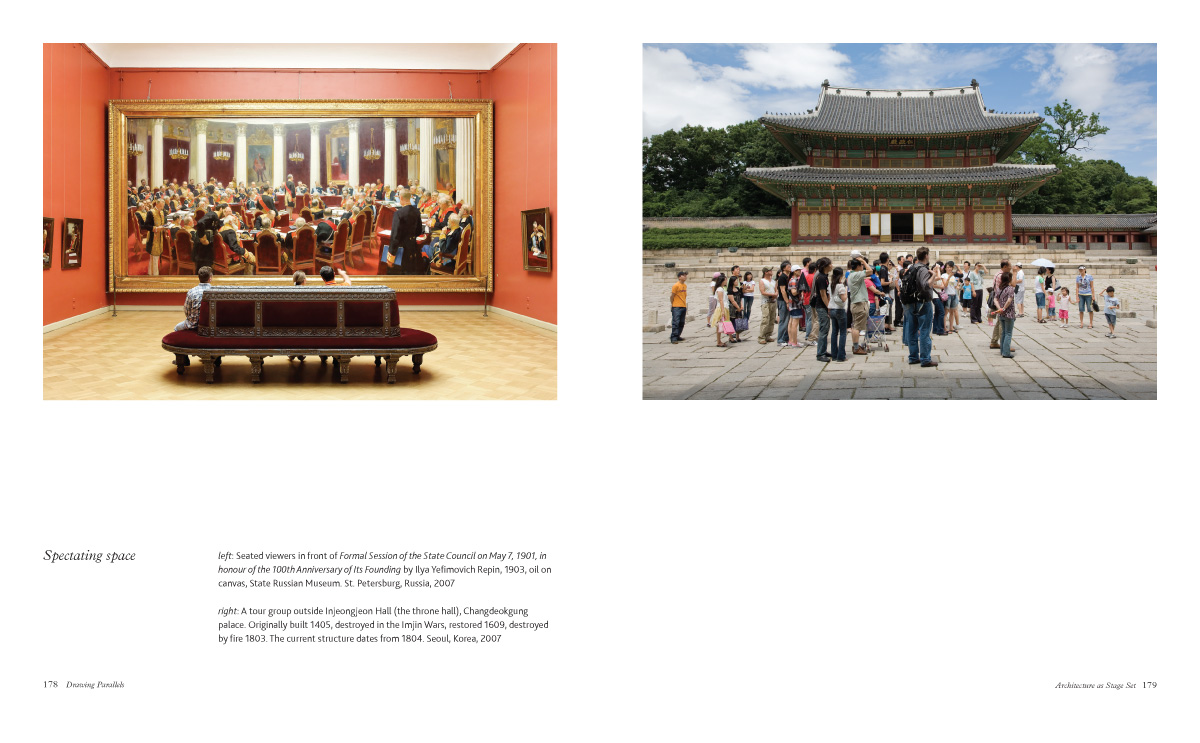
Spectating space

left: Seated viewers in front of Formal Session of the StateCouncil onMay 7, 1901, in honour of the 100th Anniversary of Its Founding by Ilya Yefimovich Repin, 1903, oil on canvas, State Russian Museum. St. Petersburg, Russia, 2007

right: A tour group outside Injeongjeon Hall (the throne hall), Changdeokgung palace. Originally built 1405, destroyed in the ImjinWars, restored 1609, destroyed by fire 1803. The current structure dates from 1804. Seoul, Korea, 2007

Click on image to enlarge or download Print Res (300dpi) PDF of this spread here

< Previous Chapter Extract

Next Chapter Extract>

“Memory is not an instrument for exploring the past but its theatre. It is the medium of past experience, as the ground is the medium in which dead cities lie interred.”
Walter Benjamin

A place is not a conglomeration of functional structures. Where we live, visit or observe, and the images we form and receive of it, gains its real nature from the feelings identified with it. An empty brutalist cityscape and an abandoned school gym, can speak of a more tragic dimension to our lives that is somehow inscribed in the very essence of a place. The way that vanished cultures persist in traces of their legacy, that nature reclaims vast human endeavours, that modern cruelty and power leave an aura or a sense of their very character in an ambience, is something that the photographer can capture. There are deeper, almost intangible remnants, some hauntingly sad, some joyful, that emerge as visual shocks or surprises, to be seen in the frozen image of a photograph. The chilling catastrophe of an abandoned city bereft of humanity clashes, paradoxically, with the defiant optimism of resurgent nature.

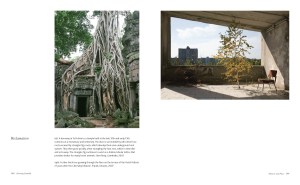
Reclamation

left: A doorway in Ta Prohm to a temple built in the late 12th and early 13th centuries as a monastery and university. The door is surrounded by silk cotton tree roots encased by strangler figs roots, which develop their own underground root
system. They then grow quickly, often strangling the host tree, which in time dies and rots away. The strangler fig continues to exist as a hollow tubular lattice that provides shelter for many forest animals. Siem Reap, Cambodia, 2003

right: A silver birch tree growing through the floor on the terrace of the Hotel Polissia 21 years after the Chernobyl disaster. Pripiat, Ukraine, 2007

Click on image to enlarge or download Print Res (300dpi) PDF of this spread here

Palimpsest

left: Lightswitch in a bedroom of the Hotel Polissia 21 years after the Chernobyl disaster. Pripiat, Ukraine, 2007

right: Billboard with posters removed at Green Park Underground Station. London, UK, 2009

Click on image to enlarge or download Print Res (300dpi) PDF of this spread here

< Previous Chapter Extract

Next Chapter Extract>