Each month Architectural Photo Library View Pictures turn the spotlight on one of their photographers, giving them an opportunity to tell you a little more about themselves and their work. My turn was in the View Jan 2010 issue #26
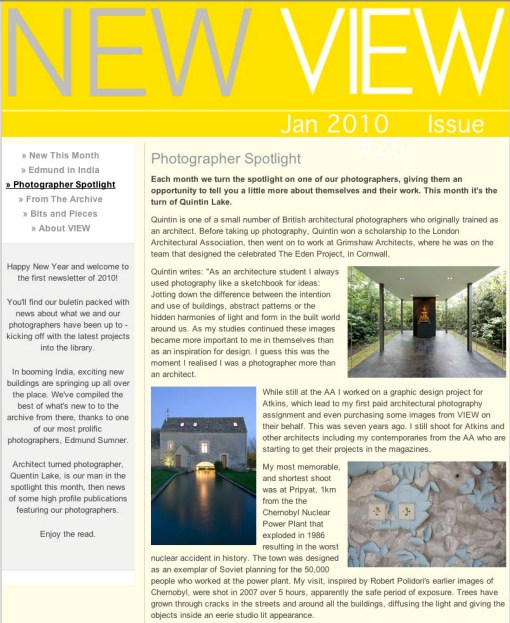
Each month Architectural Photo Library View Pictures turn the spotlight on one of their photographers, giving them an opportunity to tell you a little more about themselves and their work. My turn was in the View Jan 2010 issue #26
I’m delighted to announce i’m now listed under interior and exterior architectural photography in the Adobe Photographers’ Directory website serving Oxford, Bristol and London. You can find my listing here.
The Adobe Photographers Directory enables designers, art directors and image buyers a consolidated resource for locating professional photographers by a given specialty in a certain city. The Adobe Photographers Directory will be searchable by city, state and country as well as by photography specialty. The directory can be accessed directly via the Favorites tab in Adobe Bridge located in Creative Suite 2 and Photoshop CS2. The Adobe Photographers Directory will also be available on Adobe.com and Adobe Studio.

On the same day I hear the announcement of the Apple iPad and the furore over how it may change the publishing industry I passed the empty shell of my favourite book store Borders in Oxford.

Empty interior of Borders Bookstore, Oxford
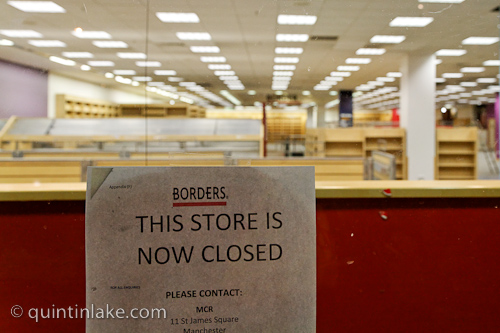
Closure Notice at Borders Bookstore, Oxford
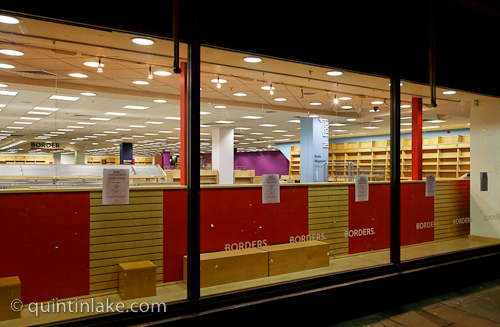
Empty shop window after Closure of Borders bookstore, Oxford
Borders bookstore in Oxford is one of 45 stores in the UK to close all its branches in the UK on 22 December 2009. The chain went into administration earlier this month and had kept open all its stores while it attempted to find a buyer. Administrators MCR said all 45 Borders and Books Etc stores would close on 22 December. Borders has suffered from increased competition from online retailers and supermarkets. Borders employed 1,150 people in total. MCR has previously said Borders had “severe cash flow pressures” and that several suppliers had stopped or reduced its credit, which made suppliers less willing to trade with the retailer and made it difficult for it to replenish its stock levels.
Buy usage rights and prints of these images here
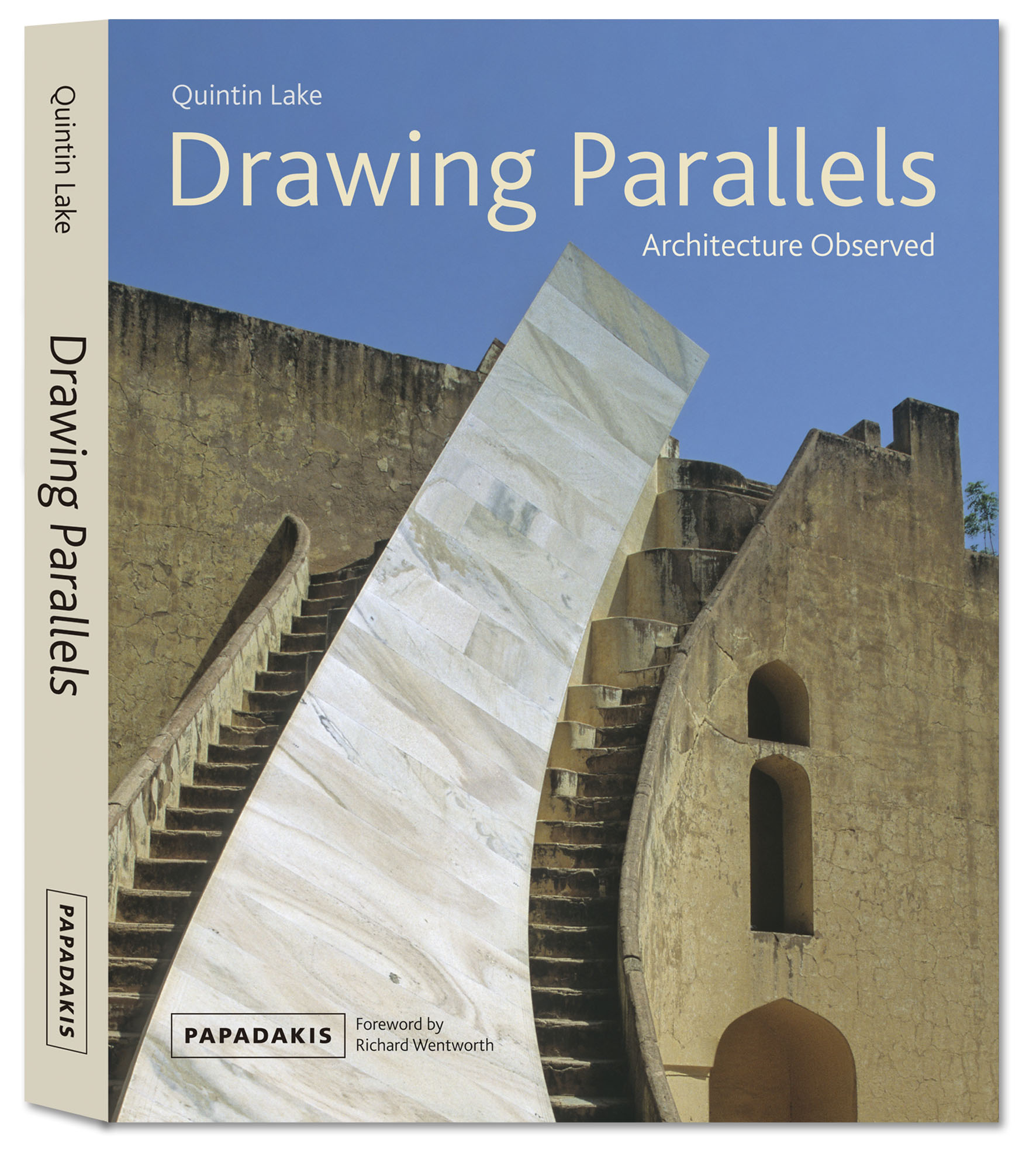
See more architectural photography in my book, Drawing Parallels: Architecture Observed
Photography © Quintin Lake, 2010
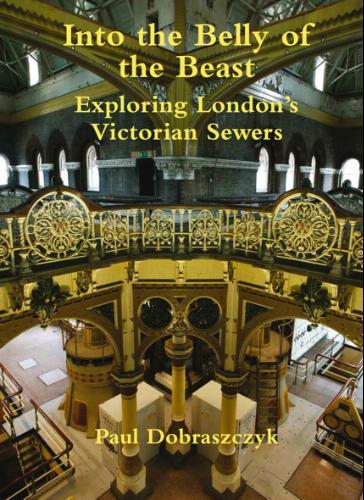
My photograph of the cast iron interior of Abbey Mills Pumping Station Interior was chosen for the cover of recently published book “Into the Belly of the Beast: Exploring London’s Victorian Sewers” by Dr Paul Dobraszczyk published by Spire books.
Into the belly of the beast is a rare pleasure within books on subterranean London and Victorian architecture in that is combines real academic meat, in an easily readable manner, with extensive and sumptuous illustrations. Thus the book can be equally enjoyed as a visual feast or read as a continuous narrative. Paul Dobraszczyk shows us the unexpected fact that the methods of describing and drawing these vast underground spaces at the time of their inception were not the disinterested studies we might expect, but hint at wider aspirations of the Victorian age which he further illuminates in his description of their most noticeable architectural expression, the great pumping stations. An essential addition to the bookshelf of anyone interested in London or Victorian architecture and engineering.
The cover photograph shows Interior of the old Abbey Mills Pumping Station (Station A) showing wrought iron metalwork and modern vertical motors that replaced the original steam beam engine.Located in Abbey Lane, London E15, the building is a sewerage pumping station, designed by engineer Joseph Bazalgette, Edmund Cooper, and architect Charles Driver, it was built between 1865 and 1868 after an outbreak of cholera in 1853 and “The Great Stink” of 1858. It was designed in a cruciform plan, with an elaborate Byzantine style, described as The Cathedral of Sewage. The pumps raise the sewage in the London sewerage system between the two Low Level Sewers and the Northern Outfall Sewer, which was built in the 1860s to carry the increasing amount of sewage produced in London away from the centre of the city.
View, buy prints and licence rights managed images of Abbey Mills Pumping Station
Buy “Into the Belly of the Beast: Exploring London’s Victorian Sewers” from Amazon UK here
Architecture and Interiors Photography © Quintin Lake, 2010
Richard Wentworth: Untitled. 2009 Installation, walking sticks 53rd Venice Biennale, 7 June – 22 November 2009
Arsenale– Fare Mondi // Making Worlds. Central international exhibition, curated by Daniel Birnbaum.
BUY PRINTS/LICENSE images from the entire Richard Wentworth Walking Stick photoshoot here
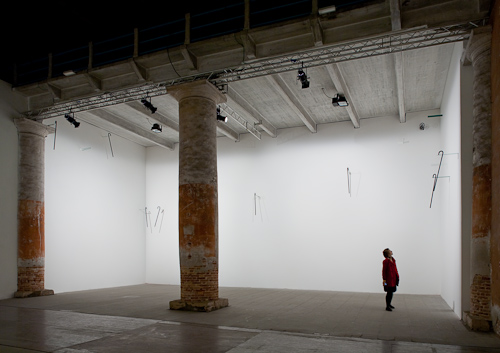
Richard Wentworth: Untitled. 2009 Installation, walking sticks
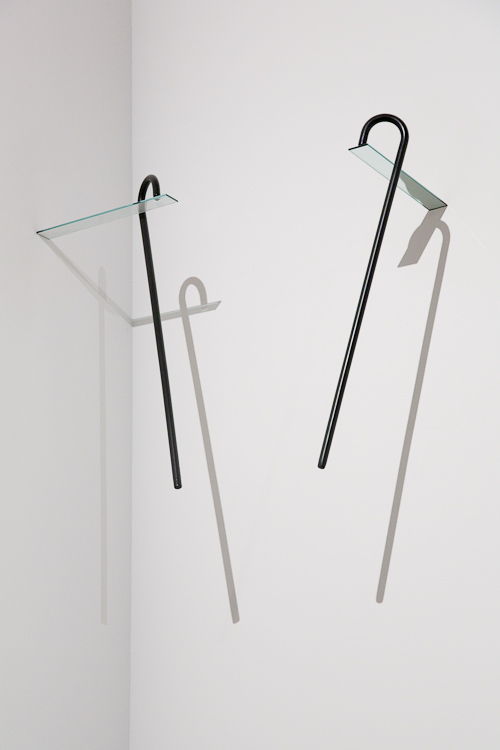
Richard Wentworth: Untitled. 2009 Installation, walking sticks (detail)
See more architectural photography in my book Drawing Parallels: Architecture Observed
Photography © Quintin Lake, 2009
Richard Wentworth: Untitled. 2009 Installation, books, iron and steel cable (hanging books) 53rd Venice Biennale, 7 June – 22 November 2009
Giardini – Fare Mondi // Making Worlds. Central international exhibition, curated by Daniel Birnbaum.
BUY PRINTS/LICENSE images from the entire Richard Wentworth Hanging Books photoshoot here
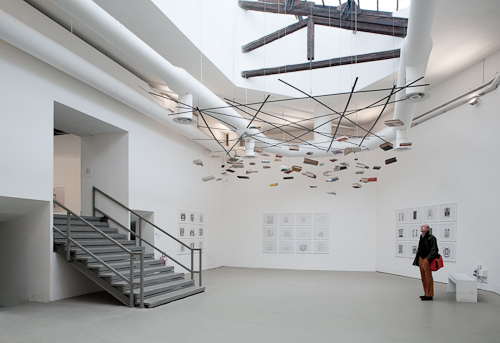
Richard Wentworth: Untitled. 2009 Installation, books, iron and steel cable (hanging books)
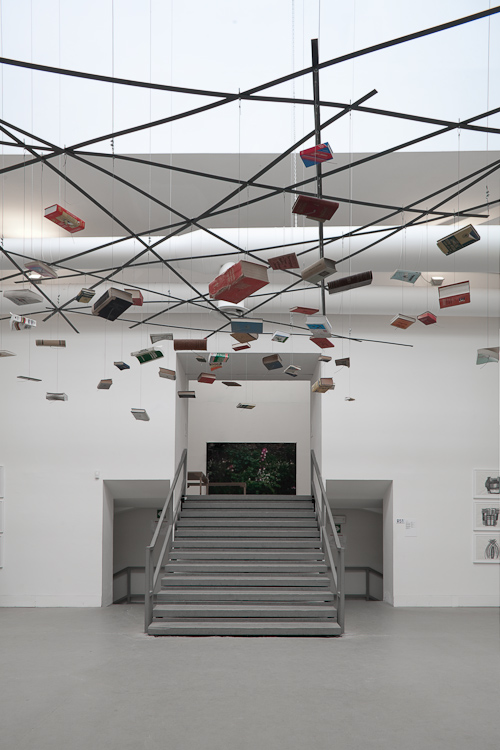
Richard Wentworth: Untitled. 2009 Installation, books, iron and steel cable (hanging books)
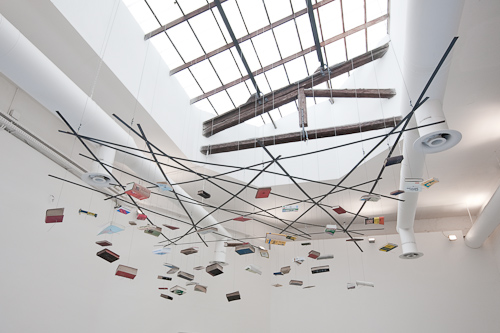
Richard Wentworth: Untitled. 2009 Installation, books, iron and steel cable (hanging books)
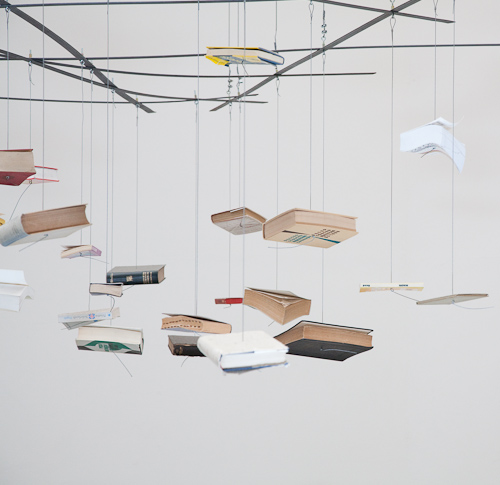
Richard Wentworth: Untitled. 2009 Installation, books, iron and steel cable (hanging books)
Photography © Quintin Lake, 2009
“A thought-provoking and beautifully-photographed collection to which I have found myself returning on many occasions.”
William Arthurs, Editor, London Society Journal
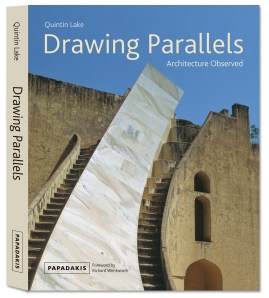
Sources of architectural inspiration from around the world
In this fascinating “un-guide book” Quintin Lake uses visual comparisons drawn from his extensive travels in more than 60 countries. From mega cities to the remotest villages, from man-made structures to natural forms, he takes us through series of pairings of photographs that that reveal hidden harmonies in the world around us and challenge our understanding of what constitutes architecture.
Beginning with ‘shape and surface’, comparisons are drawn between forms and textures in the man-made and natural world. ‘Organising space’ reveals the layers, divisions and structure of both vernacular and contemporary urban space. ‘Shelter’ covers all aspects of the home and survival from favela housing to skyscrapers and suburbia. ‘Memory and architecture’ reflects on the powerful aftermath of war and natural disasters and the visible passage of time through weathering. And finally ‘Architecture as Stage set’ examines the use or rather the mis-use of space for personal gratification, political drama or public narrative.
Quintin Lake is a photographer and architect. He studied at the Architectural Association and is a fellow of the Royal Geographical Society and the Royal Society of Arts. His extensive expeditions include Greenland, Uganda, Peru and Iran; recent solo exhibitions include Cities and Landscapes, Orquideas Interoceanicas and Pripiat: 21 Years After Chernobyl.
General Information
Press Release containing brief description, author biography and technical information from Papadakis Publisher (PDF) here
Book Cover Image (high res jpg)
An Architecture of Looking, Some directions for use. Foreword By Richard Wentworth
UK Stockists here
Media and Credit Information
Should you wish to feature any material from Drawing Parallels, I request that the following information be included within your piece:
Should you wish to include any additional material, I would be happy to provide it on request. Questions may me emailed to me at mail@quintinlake.com
For review copy request please contact my publisher, Papadakis Publisher
Chapter Extracts
Summary text and two print resolution (300dpi) sample spreads from each chapter available to download as a PDF .
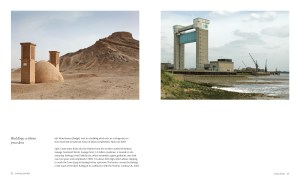
1. Seeing Shapes CLICK HERE FOR EXTRACT
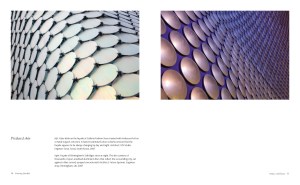
2. Surface and Texture CLICK HERE FOR EXTRACT
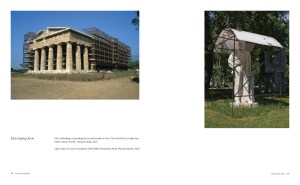
3. Organising Space CLICK HERE FOR EXTRACT
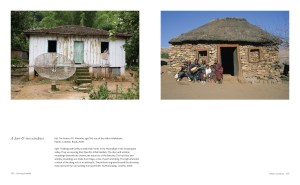
4. Shelter and Home CLICK HERE FOR EXTRACT
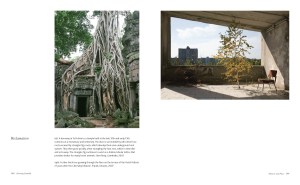
5. Memory and Place CLICK HERE FOR EXTRACT
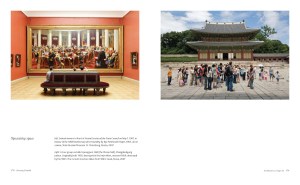
6. Architecture as Stage Set CLICK HERE FOR EXTRACT
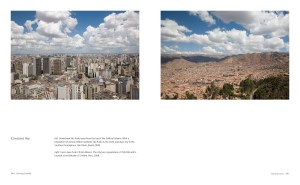
7. Urban Horizons CLICK HERE FOR EXTRACT
All text and images © Quintin Lake. 2009
“When you look at a city, it’s like reading the hopes, aspirations and pride of everyone who built it.”
Hugh Newell Jacobsen
The greatest architectural gestures of our civilisation, the very epitome and physical embodiment of that civilisation, the apparently random and chaotic surge of something intended and planned, the phenomenal paradox of achievement and disaster, the home of ultimate construction and destruction, the Twenty-First century city, is outpacing any attempt to define its nature the very second an image is formed of it. How to represent, how to see, how to know, this most mercurial of forms, that constantly defies notions of what is attainable? As a photographer, the emerging conurbations, the fresh unimagined megalopolises demand a perspective. This is a quest for scope. These horizons, where the patterns and grids of vast populations are assembled out of seeming chaos, are a bright optimistic contribution, a means of attempting to see a future that is happening right now.
Constant sky
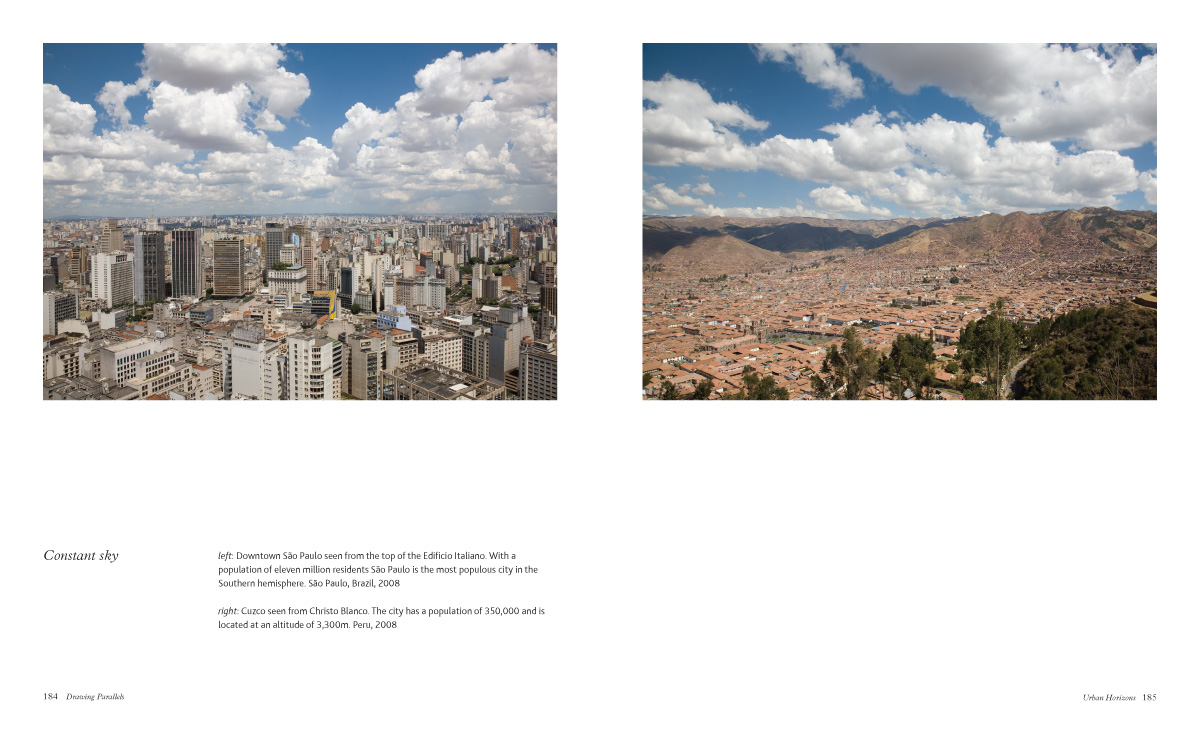
left: Downtown São Paulo seen from the top of the Edificio Italiano.With a population of eleven million residents São Paulo is the most populous city in the Southern hemisphere. São Paulo, Brazil, 2008
right: Cuzco seen from Christo Blanco. The city has a population of 350,000 and is located at an altitude of 3,300m. Peru, 2008
Click on image to enlarge or download Print Res (300dpi) PDF of this spread here
Slicing cities
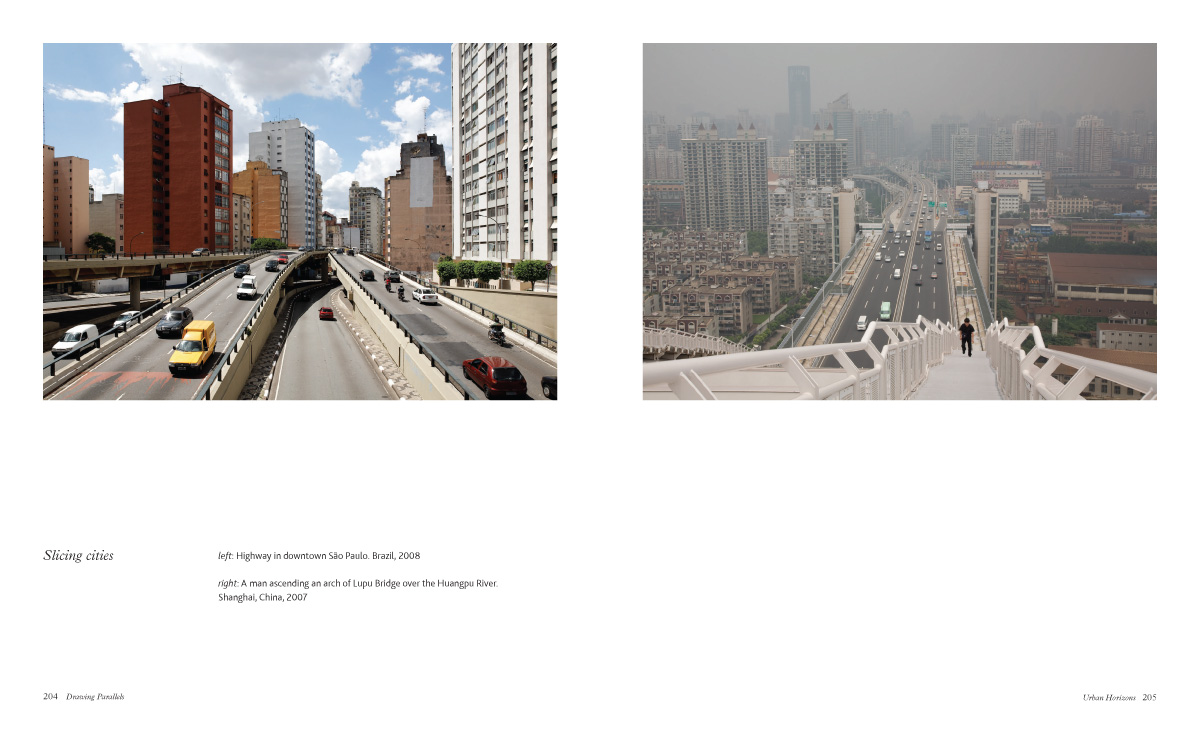
left: Highway in downtown São Paulo. Brazil, 2008
right: A man ascending an arch of Lupu Bridge over the Huangpu River. Shanghai, China, 2007
Click on image to enlarge or download Print Res (300dpi) PDF of this spread here
Extract from my architectural photography book: Drawing Parallels, Architecture Observed
Text & Photography © Quintin Lake, 2010


 Geometry & Silence