Archives For author

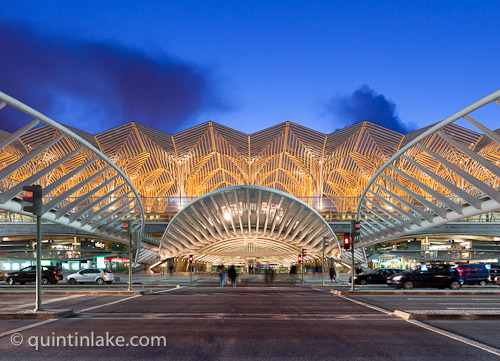
Main entrance to Oriente Station, Lisbon at dusk. Photo: Quintin Lake
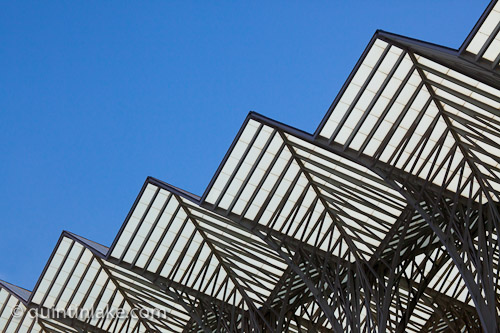
Detail of the roof at Oriente Station. Photo: Quintin Lake
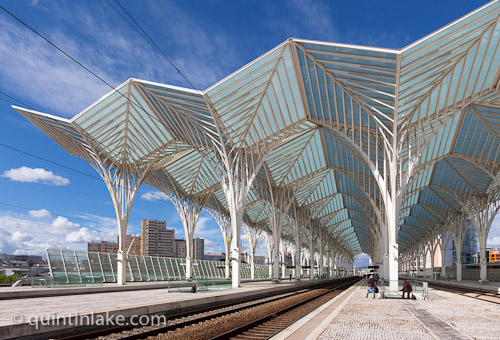
Glass and steel roof above the rail platform at Oriente Station, Lisbon. Photo: Quintin Lake
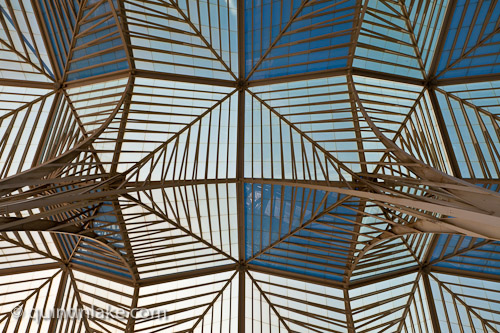
Looking up at the roof of Oriente Station. Photo: Quintin Lake

This was the first Calatrava building I’d seen in the flesh and it’s a hugely exciting building to experience and to photograph. The exuberant organically inspired forms of Calatrava were a favourite for me when I was an architecture student. The huge cantilevered canopy at the pedestrian entrance and the steel ‘trees’ covering the train platforms are particularly joyful. However, not so sweet and what I’ve chosen not to show in these photos is the very poor cosmetic condition of much of the building, peeling pain, rust, cracked glass and thick layers of grime on white panted steel. The internal exposed concrete structure has also been comprehensively Jackson Pollocked with pigeon droppings. Although only skin deep these are the first qualities which most visitors would probably notice which is a shame for such exciting architecture. The question as to wether these issues should be considered design flaws for a public building or simply stinginess on the part of maintenance schedule is probably not simple to answer. Certainly based on my observation the same issues plague most painted steel hi-tech architecture after a decade or so of use from the Pompidou to Grimshaw’s Waterloo Station.

Oriente Station (Gare do Oriente) is one of the main transport hubs in Lisbon, Portugal. It was designed by the Spanish architect Santiago Calatrava it was finished in 1998 for the Expo ’98 world’s fair in Parque das Nações, where it is located. It encompasses a Lisbon Metro station, a high-speed, commuter and regional train hub, a local, national and international bus station, a shopping centre and a police office. Oriente Station is one of the world’s largest stations, with 75 million passengers per year which makes it as busy as Grand Central Terminal in New York.

VIEW MORE / BUY PRINTS / LICENSE IMAGES of Oriente Station, Lisbon by Santiago Calatrava here >>

Viewing platform at the top of the Santa Justa Lift (Elevador de Santa Justa), Lisbon, Portugal. Photo: Quintin Lake

The Santa Justa Lift (Elevador de Santa Justa or Carmo Lift) is a gloriously eccentric structure in the centre of Lisbon designed by Raul Mesnier de Ponsard, an engineer born in Porto to French parents. Raul Ponsard was an apprentice of Gustave Eiffel and returned to Lisbon with grand design ideas. He petitioned the royal house who provided all of the funding. Construction began in 1900 and was finished in 1902, originally powered by steam. The iron lift is 45 metres tall and is decorated in neogothic style, with a different pattern on each storey.

VIEW MORE / BUY PRINTS / LICENSE IMAGES of Santa Justa Lift, Lisbon here >>

Interior of St Clement's Church, Ashampstead showing wall-paintings. The paintings are thought to date from C.1230-40. Photo: Quintin Lake

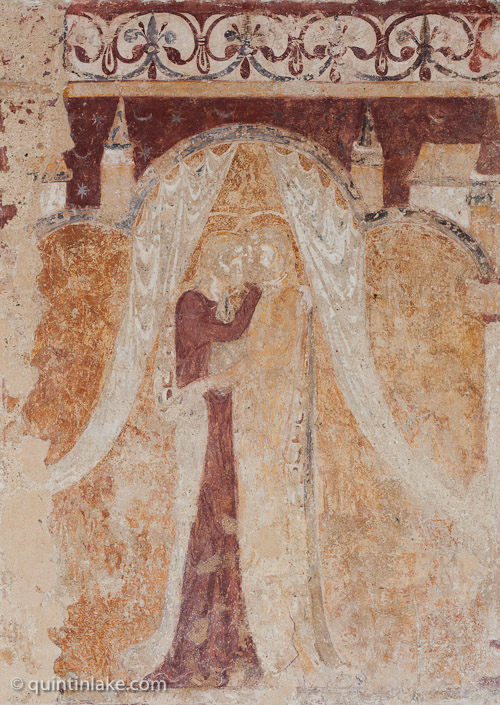
Annunciation. Detail from the Holy Infancy fresco on the North wall. St Clement's Church, Ashampstead. Photo: Quintin Lake

The Visitation. Detail from the Holy Infancy fresco on the North wall. St Clement's Church, Ashampstead. Photo: Quintin Lake

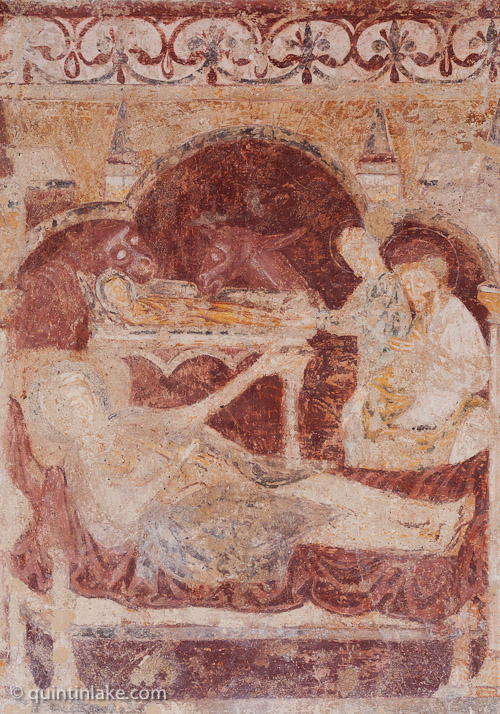
The Nativity. Detail from the Holy Infancy fresco on the North wall. St Clement's Church, Ashampstead. Photo: Quintin Lake

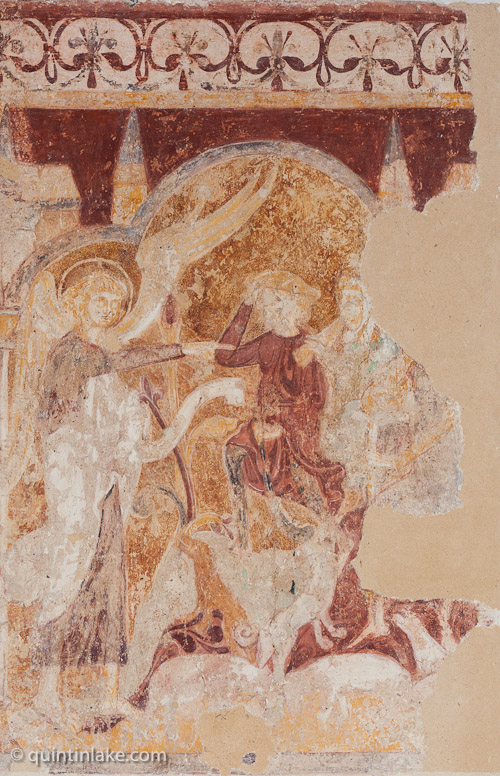
The Appearance of the Angel to the Shepherds. Detail from the Holy Infancy fresco on the North wall. St Clement's Church, Ashampstead. Photo: Quintin Lake

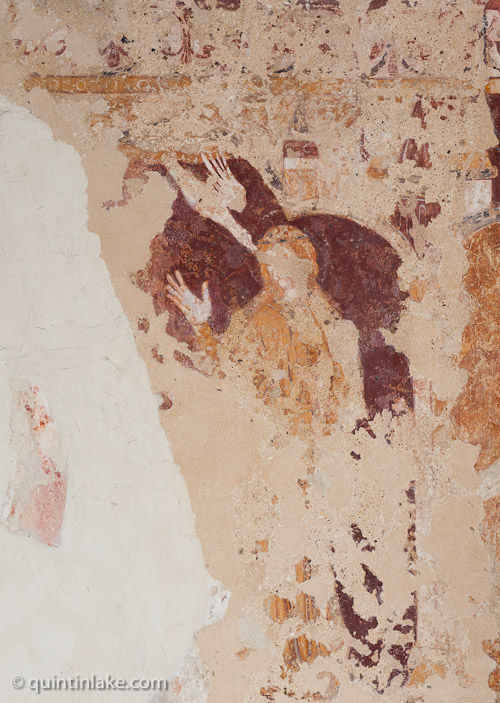
These photographs were made during an assignment to produce compositions suitable for use as greetings cards which will be sold to fund building work on the church. The wall-paintings were lit with two strobes bounced off reflecting umbrellas to give an even an even neutral light on the subject. Various enhancements were made in post production to reveal the maximum amount of detail including increasing contrast and saturation of the originals.

The Courtauld institute has written “These 13th Century paintings are undoubtedly amongst the most important of their date in England, not only because of the amount of painting that survives but because of their high quality”. The paintings were discovered in 1895 having been plastered over during the reformation. Restoration work was undertaken in 1960.

VIEW MORE / BUY PRINTS / LICENSE IMAGES of the Frescoes at St Clement’s Church here >>

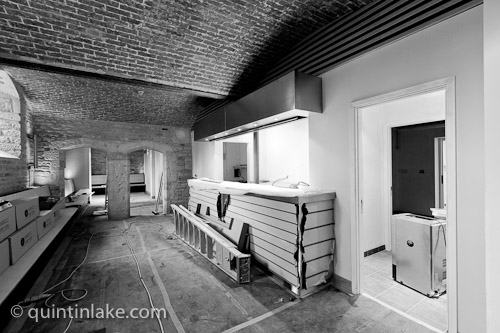
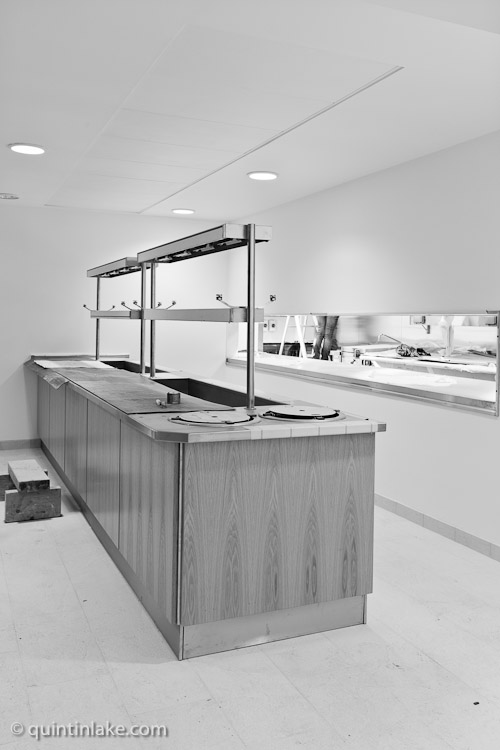
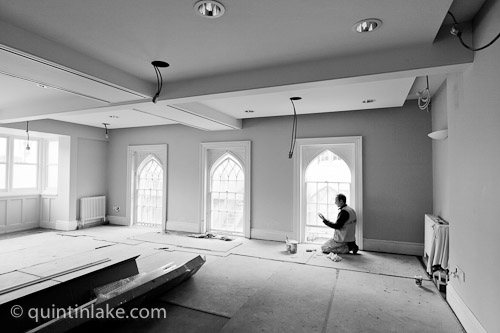
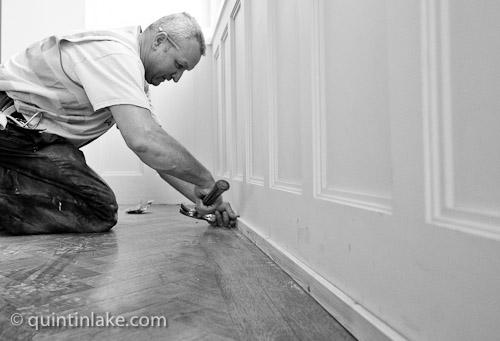
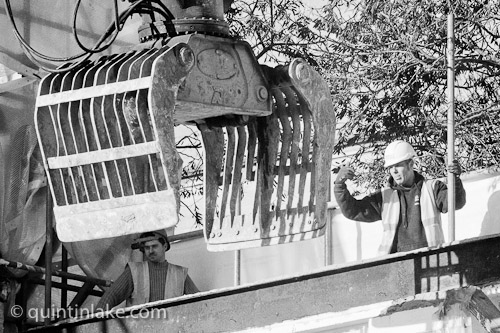
View all posts of the Pembroke College Bridging Centuries Project >>

VIEW MORE / BUY PRINTS / LICENSE IMAGES from Pembroke College Redevelopment here >>

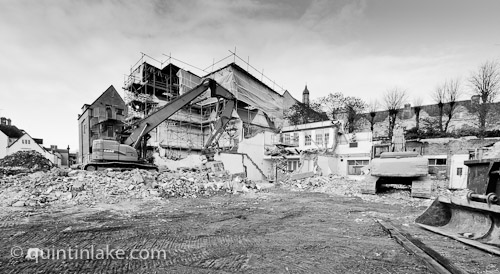
View all posts of the Pembroke College Bridging Centuries Project >>

VIEW MORE / BUY PRINTS / LICENSE IMAGES from Pembroke College Redevelopment here >>

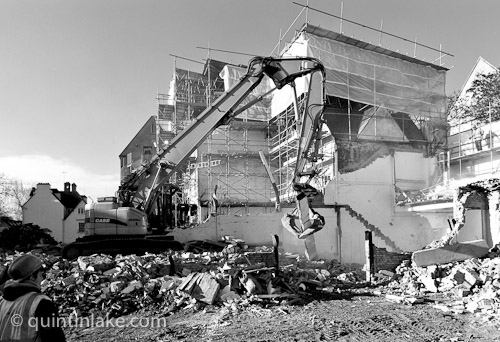
View all posts of the Pembroke College Bridging Centuries Project >>

VIEW MORE / BUY PRINTS / LICENSE IMAGES from Pembroke College Redevelopment here >>

Anish Kapoor, C-Curve 2007, Stainless steel, 220 x 770 x 300 cm. Installation view of Serpentine Gallery exhibition Turning the World Upside Down, Kensington Gardens, London 28 September 2010 - 13 March 2011 (reflection of photographer digitally removed). Photo: Quintin Lake

Anish Kapoor, C-Curve 2007, Stainless steel. Detail of Installation. Photo: Quintin Lake

Anish Kapoor, C-Curve 2007, Stainless steel. Installation view. Photo: Quintin Lake

Anish Kapoor, C-Curve 2007, Stainless steel, 220 x 770 x 300 cm. Installation view of Serpentine Gallery exhibition Turning the World Upside Down, Kensington Gardens, London 28 September 2010 – 13 March 2011

VIEW MORE / BUY PRINTS / LICENSE IMAGES of the sculpture Anish Kapoor, C-Curve here >>

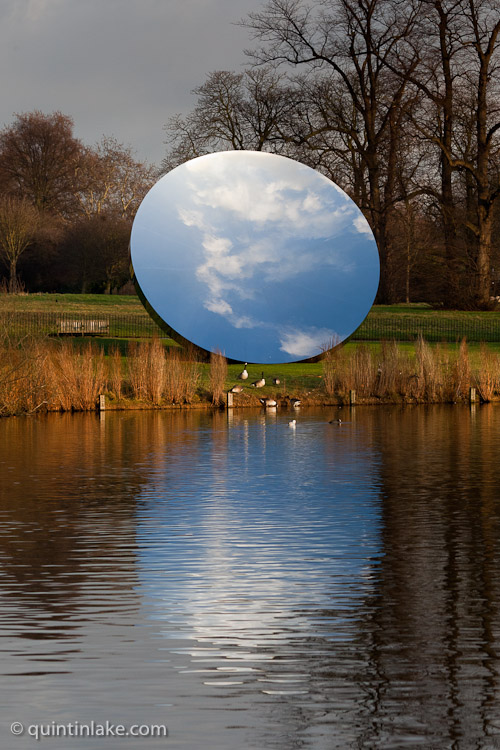
Anish Kapoor, Sky Mirror 2006, Stainless steel,1066.8 x 1066.8 cm. Installation view of Serpentine Gallery exhibition Turning the World Upside Down, Kensington Gardens. Photo: Quintin Lake

Anish Kapoor, Sky Mirror 2006, Stainless steel,1066.8 x 1066.8 cm. Detail. Photo: Quintin Lake

Anish Kapoor, Sky Mirror 2006, Stainless steel,1066.8 x 1066.8 cm. Installation view of Serpentine Gallery exhibition Turning the World Upside Down, Kensington Gardens. Photo: Quintin Lake

Anish Kapoor, Sky Mirror 2006, Stainless steel,1066.8 x 1066.8 cm. Installation view of Serpentine Gallery exhibition Turning the World Upside Down, Kensington Gardens, London 28 September 2010 – 13 March 2011.

VIEW MORE IMAGES of the Sky Mirror here >>

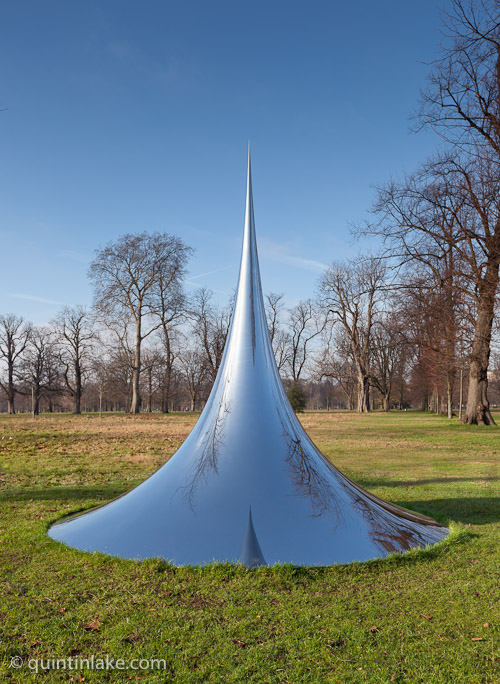
Anish Kapoor, Non Object (Spire) 2008, Stainless steel, 302 x 300 x 300 cm. Installation view. (barrier and path around artwork digitally removed). Photo: Quintin Lake

Anish Kapoor, Non Object (Spire) 2008, Stainless steel, 302 x 300 x 300 cm. Detail of tree reflection. Kensington Gardens, London. Photo: Quintin Lake

Anish Kapoor, Non Object (Spire) 2008, Stainless steel, 302 x 300 x 300 cm. Detail of abstract reflections of trees on side of spire. Photo: Quintin Lake

Anish Kapoor, Non Object (Spire) 2008, Stainless steel, 302 x 300 x 300 cm. Installation view of Serpentine Gallery exhibition Turning the World Upside Down in Kensington Gardens, London 28 September 2010 – 13 March 2011.

VIEW MORE IMAGES of Non Object here >>
Anish Kapoor, C-Curve 2007, Stainless steel, 220 x 770 x 300 cm. Installation view of Serpentine Gallery exhibition Turning the World Upside Down, Kensington Gardens, London 28 September 2010 - 13 March 2011 (reflection of photographer digitally removed). Photo: Quintin Lake

Anish Kapoor, C-Curve 2007, Stainless steel. Detail of Installation. Photo: Quintin Lake

Anish Kapoor, C-Curve 2007, Stainless steel. Installation view. Photo: Quintin Lake

Anish Kapoor, C-Curve 2007, Stainless steel, 220 x 770 x 300 cm. Installation view of Serpentine Gallery exhibition Turning the World Upside Down, Kensington Gardens, London 28 September 2010 – 13 March 2011

VIEW MORE IMAGES of C-Curve here >>

All images available as fine art prints or for publication / licensing contact me for pricing and to arrange use. Photographs © Quintin Lake