Archives for category: Delight

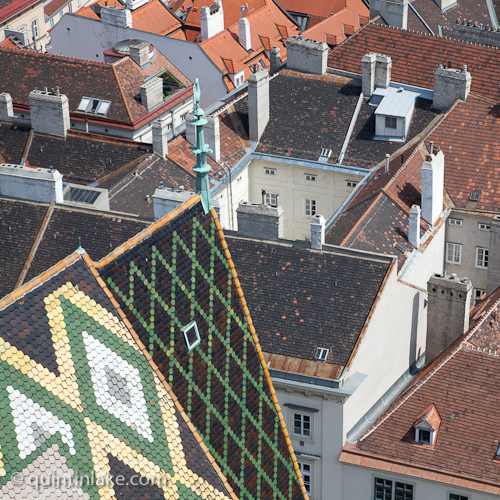
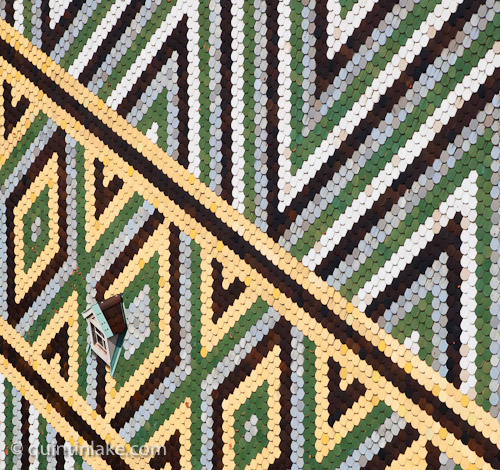
Detail of coloured tiles and window of St. Stephens Cathedral (Stephansdom), Vienna, Austria

Coloured tiles of St. Stephens Cathedral contrasting with surrounding buildings, Vienna, Austria.

VIEW MORE / BUY PRINTS / LICENSE IMAGES of St. Stephens Cathedral, Vienna here >>

Photography  © Quintin Lake, 2011

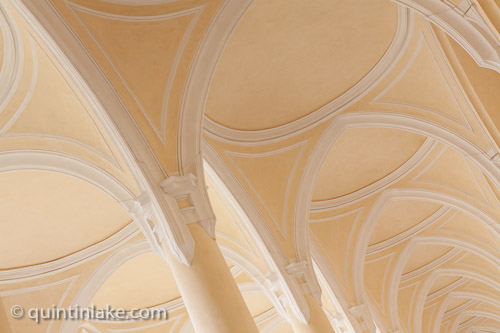
Vaults in the aisle of Cathedral of our Lady, Sedlec - Czech Republic. Photo: Quintin Lake

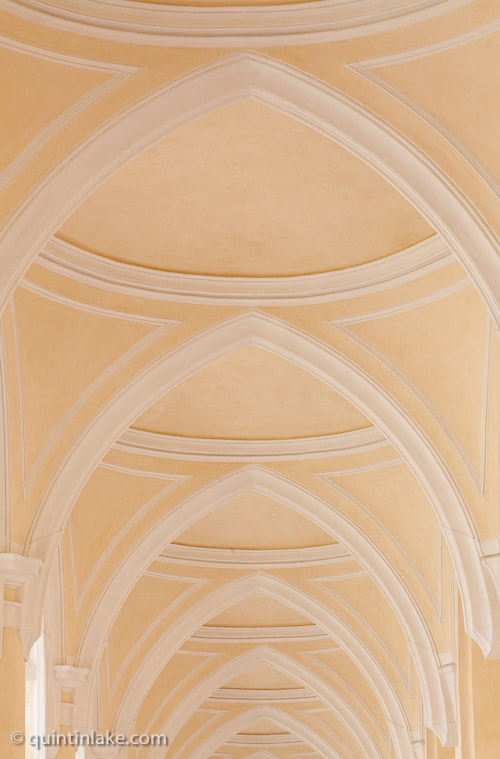
Aisle of Cathedral of our Lady, Sedlec - Czech Republic. Photo: Quintin Lake

Cathedral of our Lady, Sedlec - Czech Republic. Photo: Quintin Lake

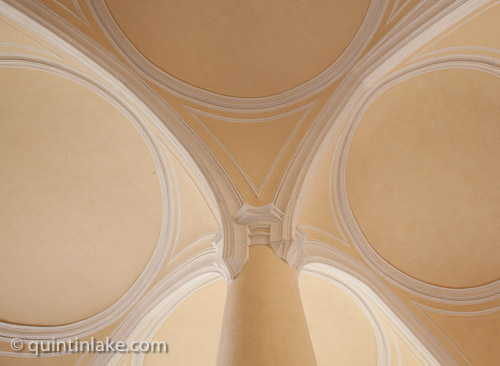
Vaulting and fresco Cathedral of our Lady, Sedlec - Czech Republic. Photo: Quintin Lake

The Cathedral of Our Lady at Sedlec, a UNESCO World Heritage Site, is a poem in white and cream utilising a modernist sense of restraint in decoration to articulate the space.

VIEW MORE / BUY PRINTS / LICENSE IMAGES of Sedlec Ossuary here >>

Photography  © Quintin Lake, 2011

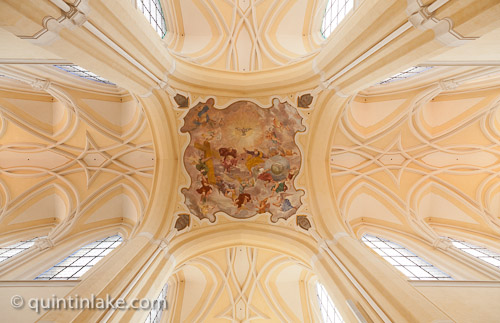
Altar and vaults, interior of St Barbara Church, Kutna Hora, Czech Republic. Photo: Quintin Lake

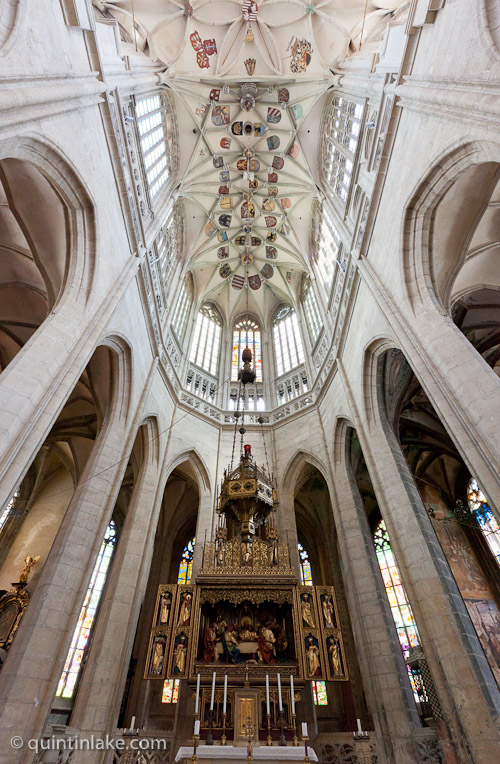
Vaults above the nave of St Barbara Church, Kutna Hora, Czech Republic. Photo: Quintin Lake

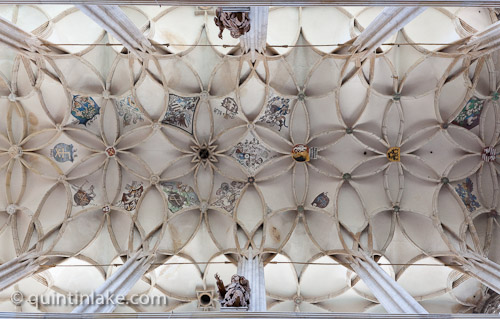
Vaults behind the altar, St Barbara Church, Kutna Hora, Czech Republic. Photo: Quintin Lake

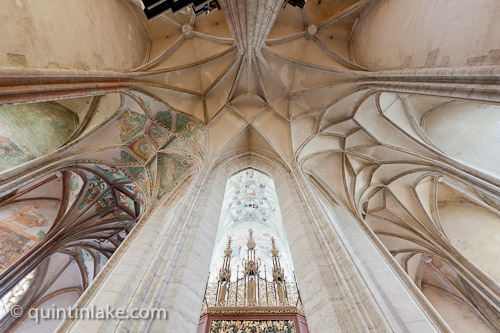
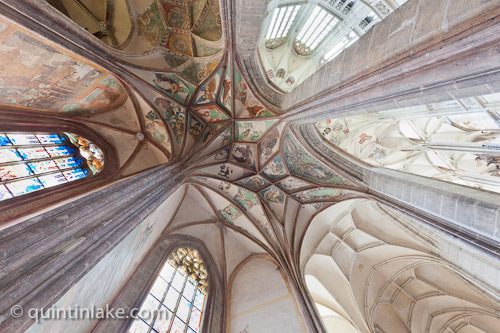
Frescoes and vaults of St Barbara Cathedral, Kutna Hora, Czech Republic. Photo: Quintin Lake

St Barbara is one of the most famous Gothic churches in central Europe and it is a UNESCO world heritage site. St Barbara is the patron saint of miners (among others), which was highly appropriate for a town whose wealth was based entirely upon its silver mines. Construction began in 1388, but because work on the church was interrupted several times, it was not completed until 1905.

VIEW MORE / BUY PRINTS / LICENSE IMAGES of St Barbara Church, Kutna Hora here >>

Photography  © Quintin Lake, 2011

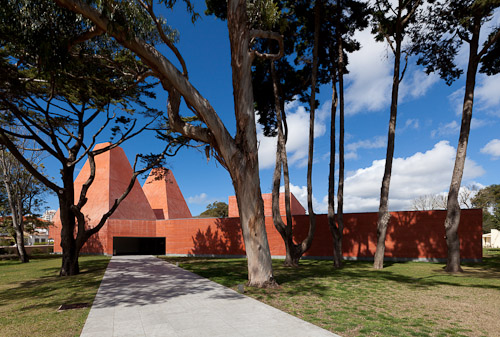
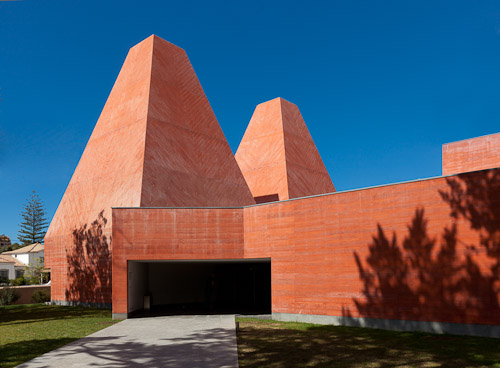
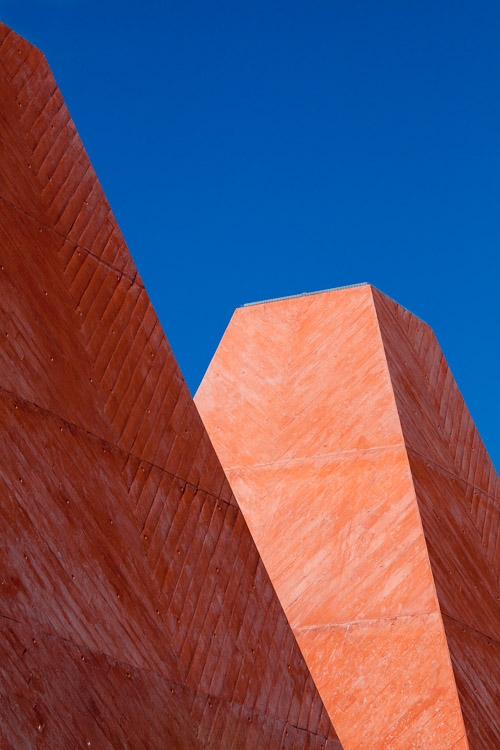
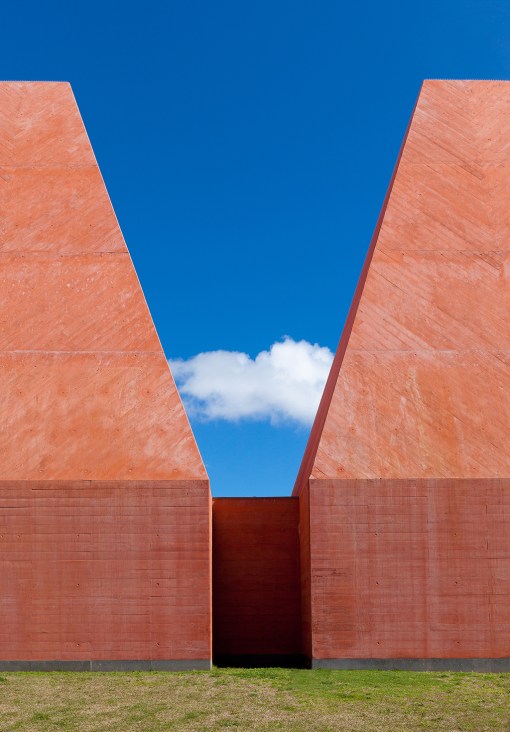
Entrance view of Paula Rego Museum, Cascais, Portugal. 

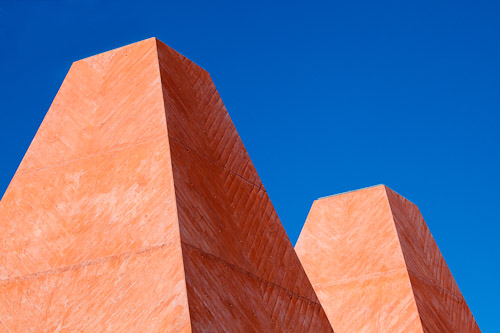
The twin chimneys of the Casa das Historias.

The building is made from concrete that is coloured to reflect local terracotta.

The twin chimneys are inspired by chimneys at Sintra Palace.

Positive Negative. The concrete is shuttered with planks of timber in a herringbone pattern.

This beautiful building which opened in 2009 was designed by the architect Eduardo Souto de Moura and is called Casa das Histórias Paula Rego / Paula Rego – House of Stories. The twin chimneys of the Casa das Historias are inspired by chimneys at Sintra Palace and made from concrete that is coloured to reflect local terracotta, and shuttered with planks of timber in a herringbone pattern. Did concrete ever look so good?

VIEW MORE / BUY PRINTS / LICENSE IMAGES of the Paula Rego Museum by Souto de Moura here >>

Photography  © Quintin Lake, 2011

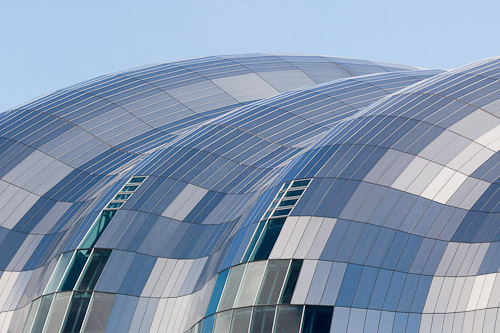
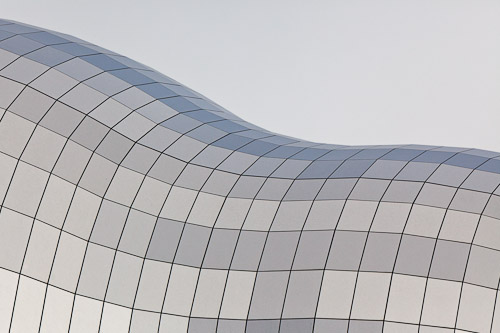
Roof of the Sage Gateshead reflecting passing clouds on a sunny day. Photo: Quintin Lake

A minute change in the passing clouds changes the appearance and illuminates the edge of the stainless steel panels. Photo: Quintin Lake

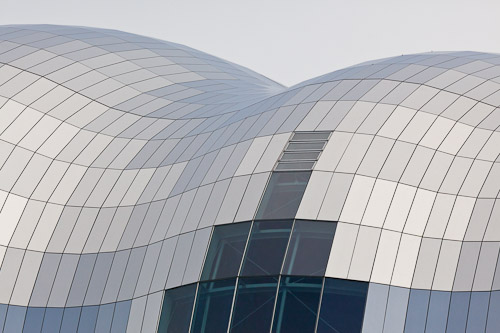
The silky appearance on an overcast day. Photo: Quintin Lake

Sensuous curves on the roof of Sage Gateshead. Photo: Quintin Lake

Detail of roof design of the Sage Gateshead. Photo: Quintin Lake

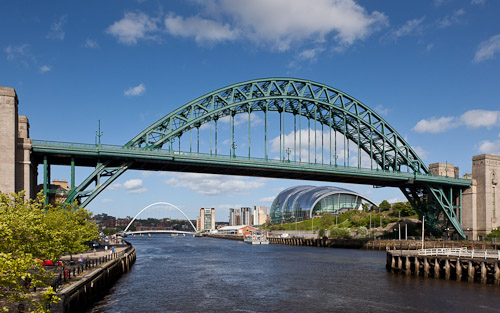
Tyne Bridge over the River Tyne, Newcastle with view to Gateshead Millennium Bridge, The Baltic Centre for Contemporary Art and Sage Gateshead. Photo: Quintin Lake

Designed by architect Foster and Partners and engineer Buro Happold the faceted roof of the Sage Gateshead concert hall changes appearance as it reflects the changeable british weather looking equally alluring on an overcast day or in bright sunlight. The roof of the Sage consists of 3,000 panels made from stainless steel and 250 made of glass. Each stainless steel panel has a linen finish to reduce the glare and is about four metres long and a metre wide. Each panel is solid and designed to prevent noise from heavy rain causing a distraction during concert performances.

Like these? See my photographs of architectural details of  Utzon’s Sydney Opera House and Gehry’s Walt Disney Concert Hall, LA

VIEW MORE / BUY PRINTS / LICENSE IMAGES of Sage Gateshead by Norman Foster here >>

Photography  © Quintin Lake, 2011

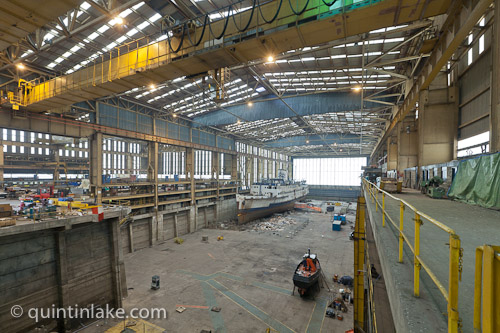
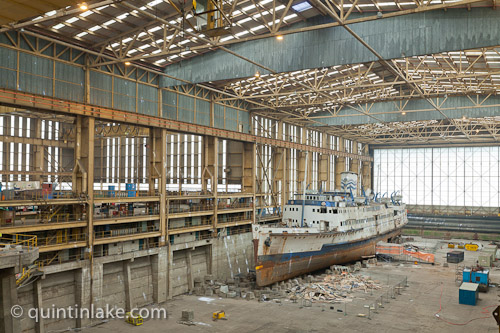
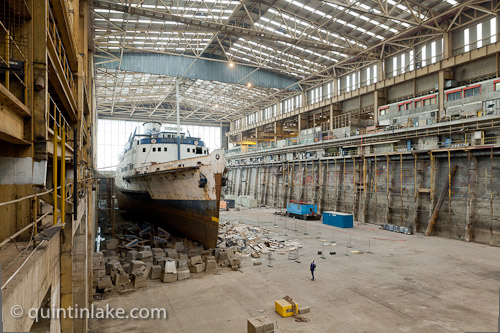
Massive 181m x 49m Dry-dock in the Pallion Shipyard, Sunderland, UK, May 2011

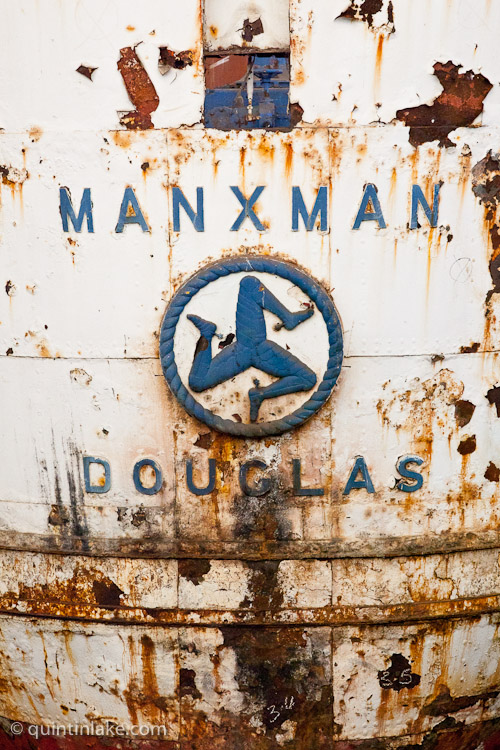
Scrapping of Steamship Manxman in the Pallion Shipyard, Sunderland

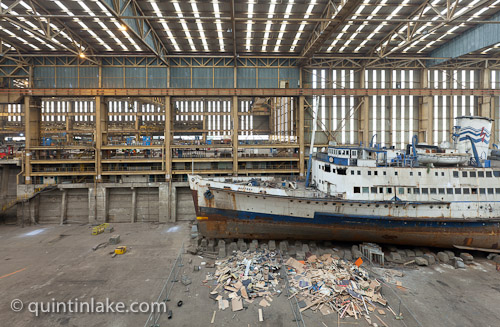
Steamship Manxman in the Pallion Shipyard, Sunderland, UK

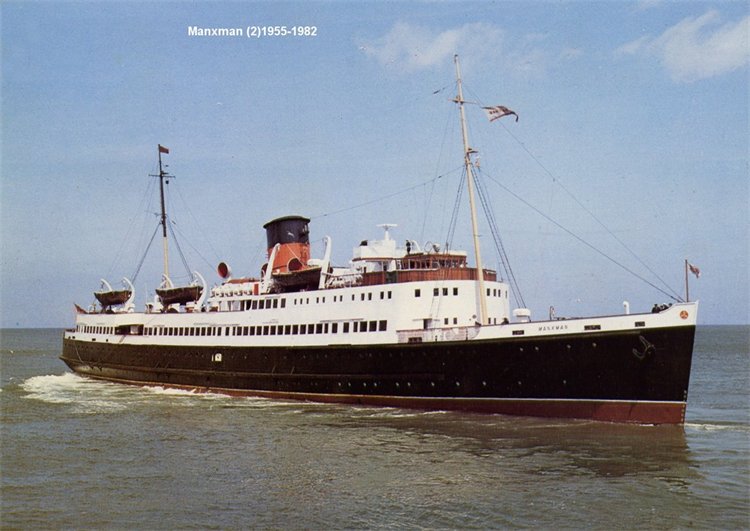
SS Manxman (1955-1982) in her heyday

Architect Jonathan Schwinge stands by Steamship Manxman in the Pallion Shipyard

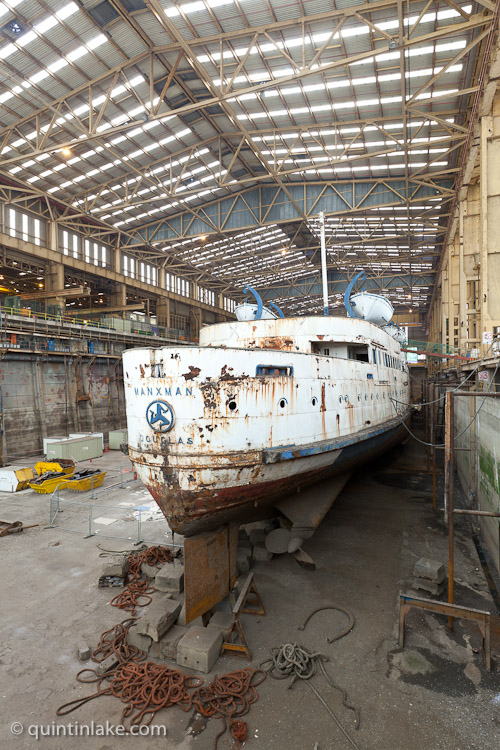
Steamship Manxman in the Pallion Shipyard, Sunderland, UK, May 2011

Rusty stern of Steamship Manxman in the Pallion Shipyard prior to scrapping

The breathtakingly huge main dry-dock of the Pallion Shipyard, Sunderland is one of largest structures I’ve experienced and a bittersweet reminder of when Sunderland was one of the largest shipbuilding towns in the world.

In the boom year of the early 1900s, the yards employed over 12,000 men, a third of the town’s adult population. When the shipbuilding industry was nationalised in 1977, British Shipbuilders took over most of the larger yards. But competition from Japan and Korea was intense, and the yards suffered from shrinking order books. Despite heavy investment in new technology and massive protest, Sunderland’s last shipyards were closed down in 1988.

The air of melancholy is reinforced as the main 181m x 49m dock at Pallion currently holds the historic Isle of Man Steamship Manxman in the process of being scrapped after the result of an unsuccessful campaign to restore her.

SEE MORE Photos of Pallion Shipyard and Steamship Manxman here >>

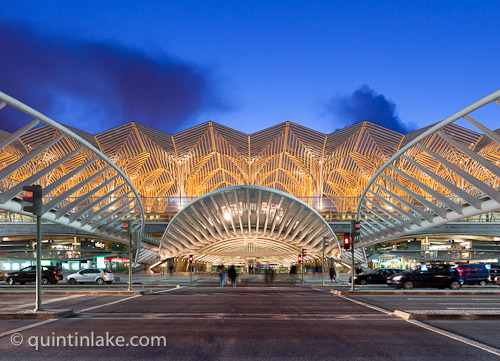
Main entrance to Oriente Station, Lisbon at dusk. Photo: Quintin Lake
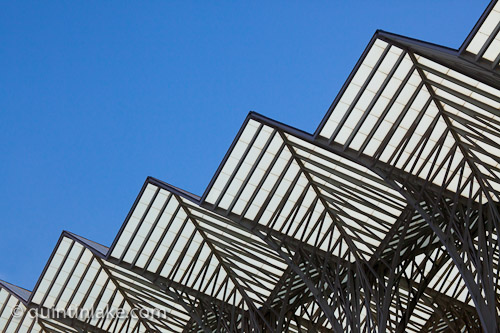
Detail of the roof at Oriente Station. Photo: Quintin Lake
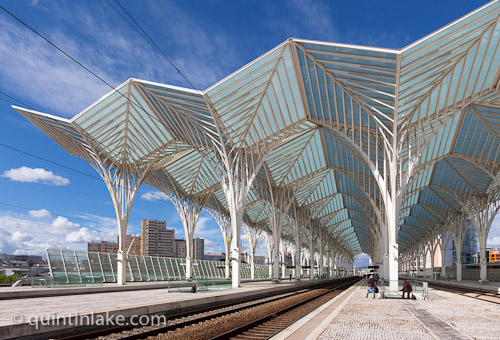
Glass and steel roof above the rail platform at Oriente Station, Lisbon. Photo: Quintin Lake
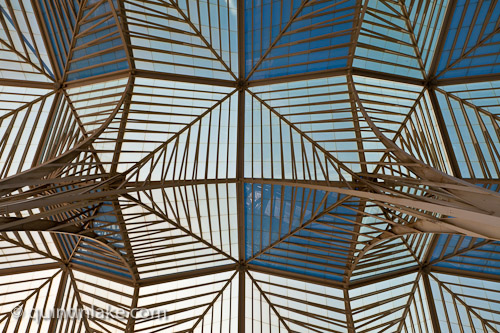
Looking up at the roof of Oriente Station. Photo: Quintin Lake

This was the first Calatrava building I’d seen in the flesh and it’s a hugely exciting building to experience and to photograph. The exuberant organically inspired forms of Calatrava were a favourite for me when I was an architecture student. The huge cantilevered canopy at the pedestrian entrance and the steel ‘trees’ covering the train platforms are particularly joyful. However, not so sweet and what I’ve chosen not to show in these photos is the very poor cosmetic condition of much of the building, peeling pain, rust, cracked glass and thick layers of grime on white panted steel. The internal exposed concrete structure has also been comprehensively Jackson Pollocked with pigeon droppings. Although only skin deep these are the first qualities which most visitors would probably notice which is a shame for such exciting architecture. The question as to wether these issues should be considered design flaws for a public building or simply stinginess on the part of maintenance schedule is probably not simple to answer. Certainly based on my observation the same issues plague most painted steel hi-tech architecture after a decade or so of use from the Pompidou to Grimshaw’s Waterloo Station.

Oriente Station (Gare do Oriente) is one of the main transport hubs in Lisbon, Portugal. It was designed by the Spanish architect Santiago Calatrava it was finished in 1998 for the Expo ’98 world’s fair in Parque das Nações, where it is located. It encompasses a Lisbon Metro station, a high-speed, commuter and regional train hub, a local, national and international bus station, a shopping centre and a police office. Oriente Station is one of the world’s largest stations, with 75 million passengers per year which makes it as busy as Grand Central Terminal in New York.

VIEW MORE / BUY PRINTS / LICENSE IMAGES of Oriente Station, Lisbon by Santiago Calatrava here >>
Viewing platform at the top of the Santa Justa Lift (Elevador de Santa Justa), Lisbon, Portugal. Photo: Quintin Lake

The Santa Justa Lift (Elevador de Santa Justa or Carmo Lift) is a gloriously eccentric structure in the centre of Lisbon designed by Raul Mesnier de Ponsard, an engineer born in Porto to French parents. Raul Ponsard was an apprentice of Gustave Eiffel and returned to Lisbon with grand design ideas. He petitioned the royal house who provided all of the funding. Construction began in 1900 and was finished in 1902, originally powered by steam. The iron lift is 45 metres tall and is decorated in neogothic style, with a different pattern on each storey.

VIEW MORE / BUY PRINTS / LICENSE IMAGES of Santa Justa Lift, Lisbon here >>