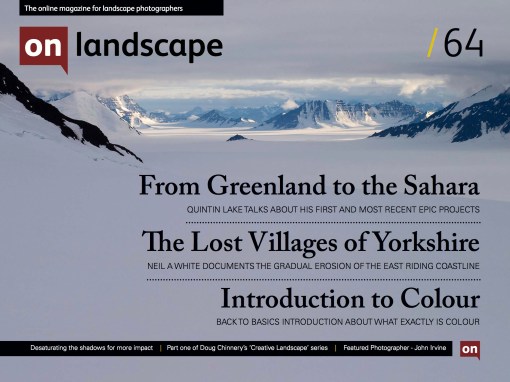
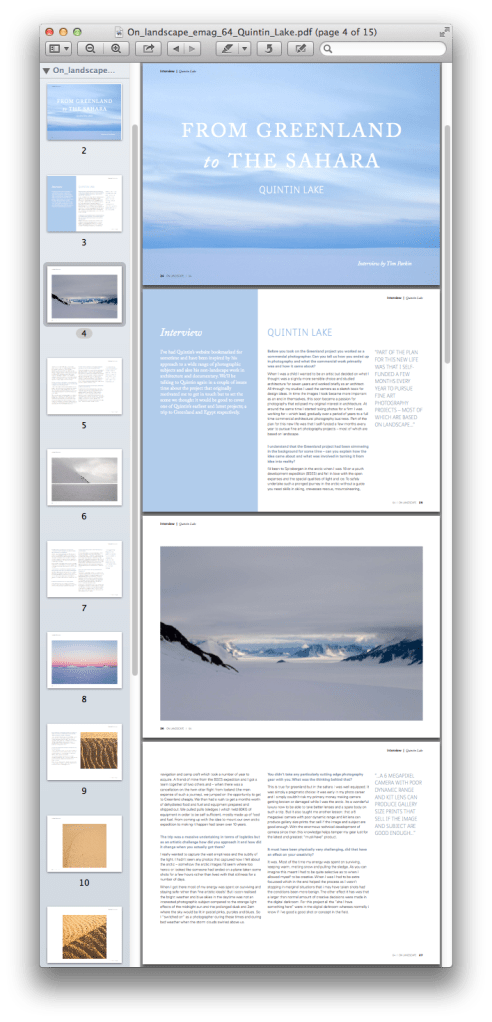
Read the 15 page interview by Tim Parkin in On Landscape magazine here (PDF 3.7MB) where I talk about the practicalities and artistic considerations when photographing in the arctic and desert environments.
Archives for category: Fine Art Photography

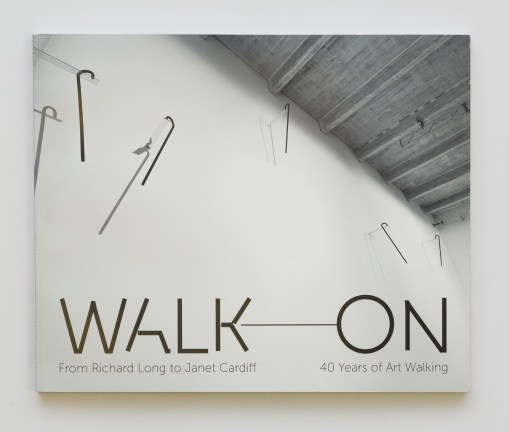
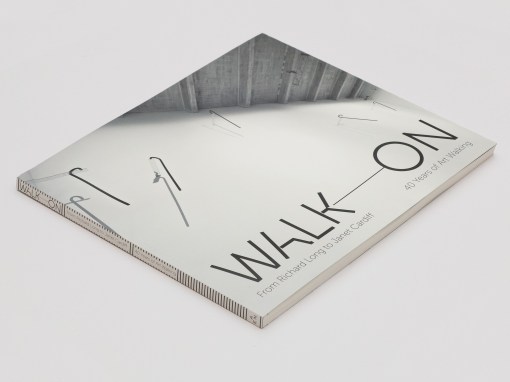
An image from my photoshoot of Richard Wentworth’s sculpture at the Venice Biennale, 2009 had been featured on the Walk on Exhibition Catalogue.
Share this:

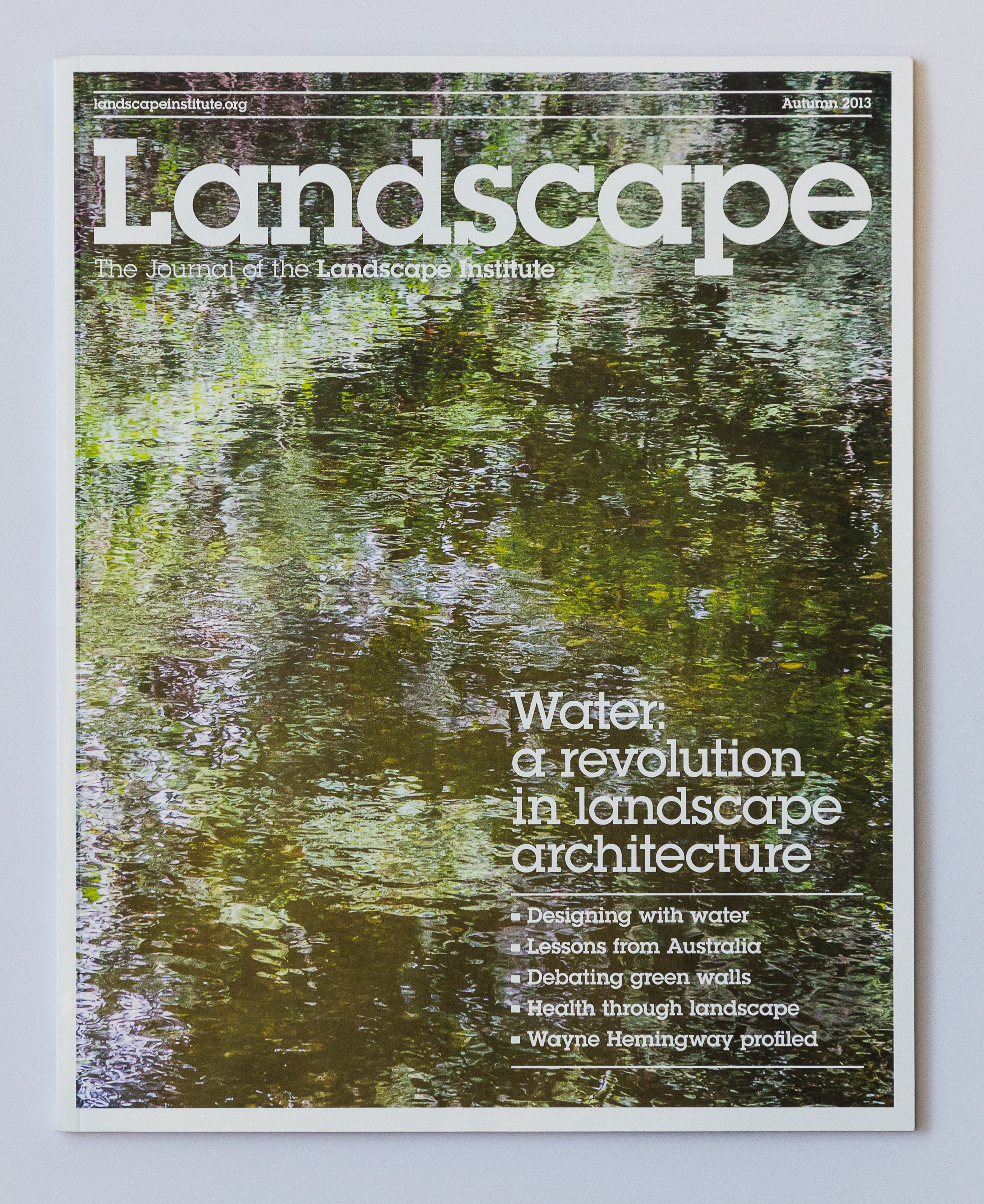
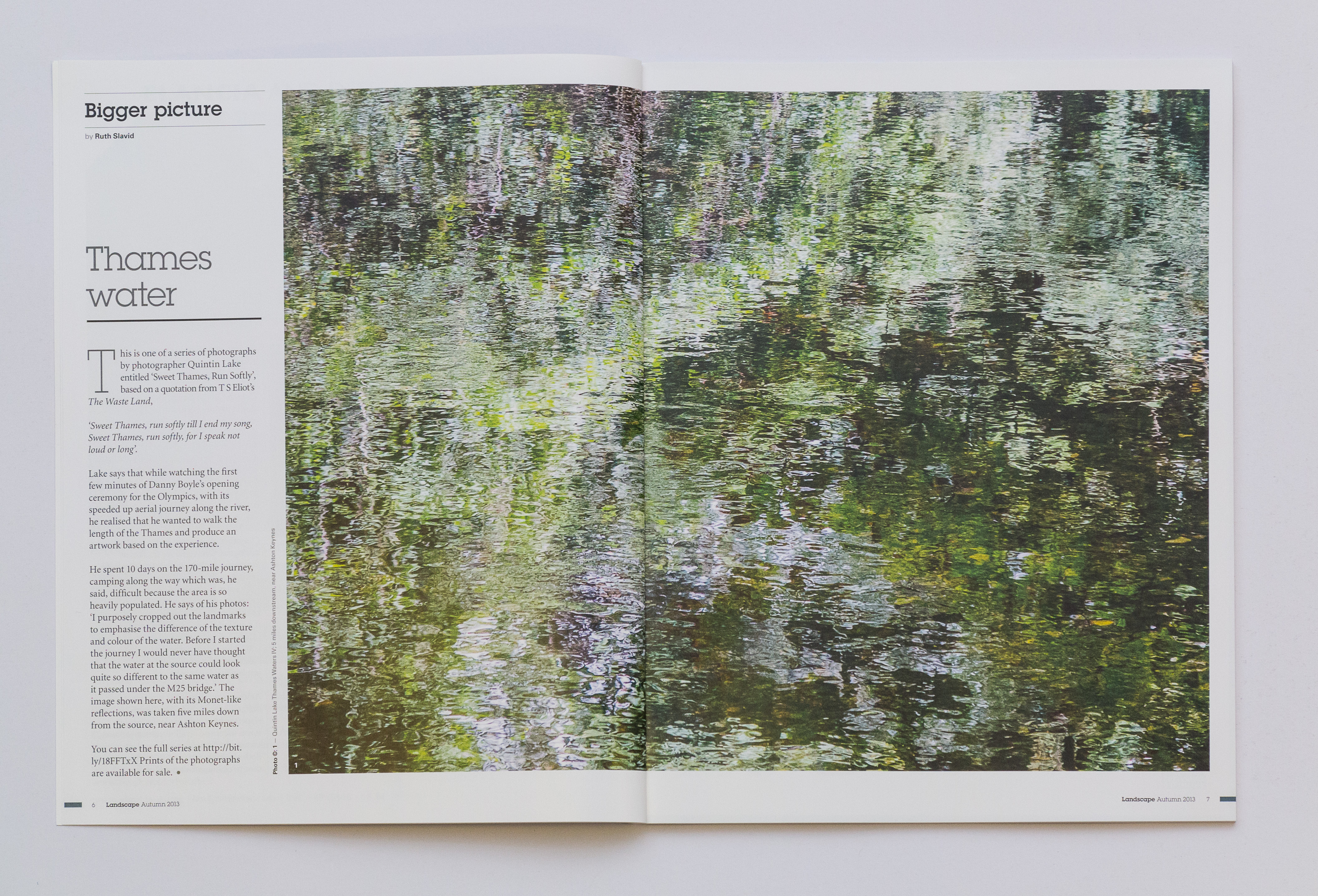
An image from my photo series Sweet Thames, Run Softly has been featured on the cover of Landscape Magazine Autumn issue.
Share this:

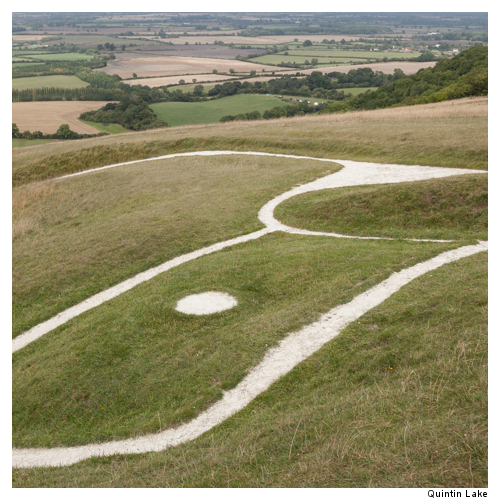
Ridgeway I, Uffington White Horse
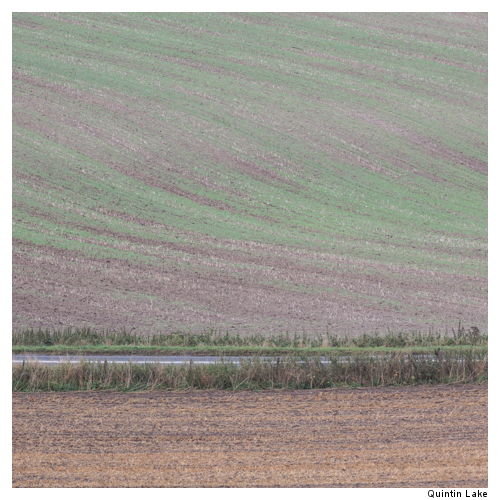
Ridgeway II, Wiltshire
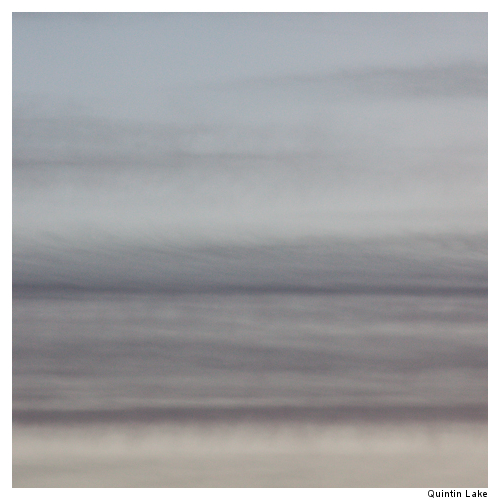
Ridgeway III, Oxfordshire
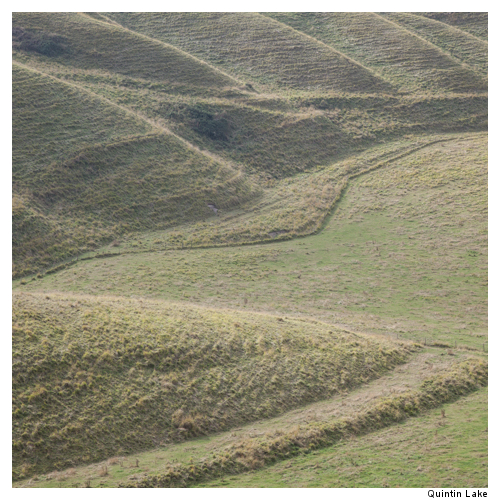
Ridgeway IV, The Manger, Vale of White Horse
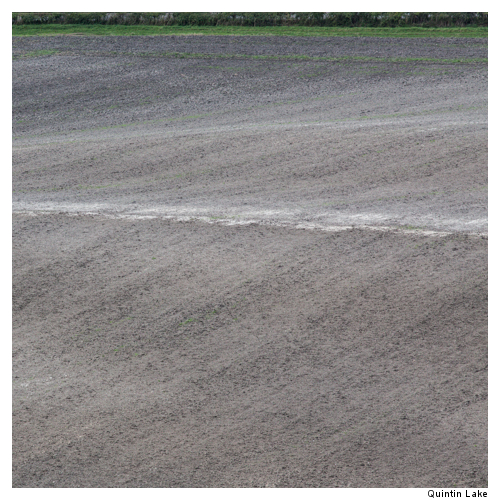
Ridgeway V, Buckinghamshire
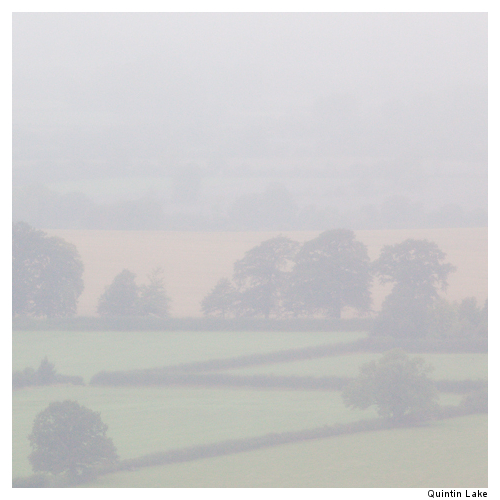
Ridgeway VI. Chilterns
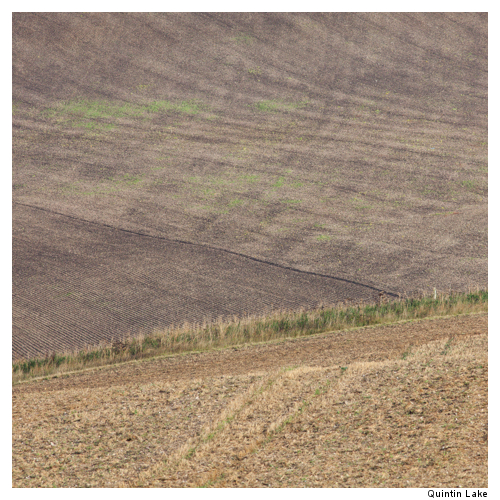
Ridgeway VII
Wiltshire
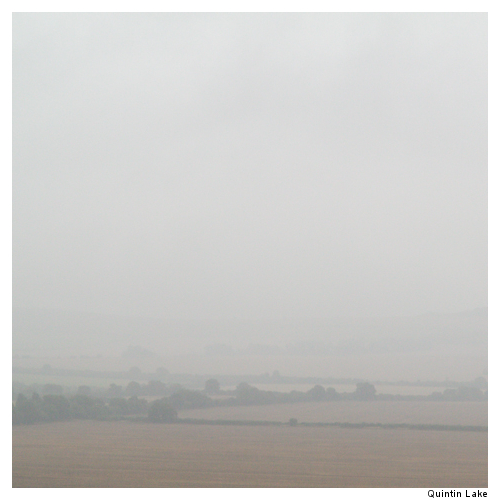
Ridgeway VIII
Wiltshire
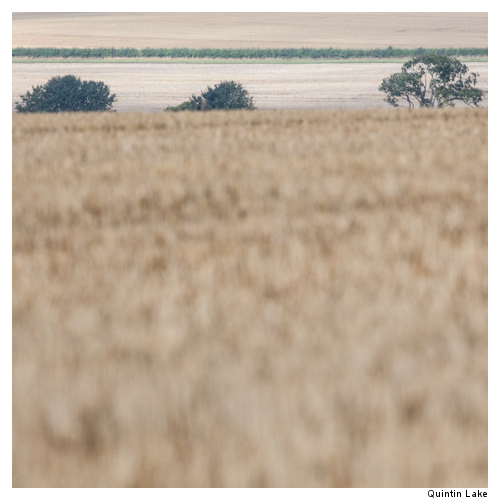
Ridgeway IX
Wiltshire
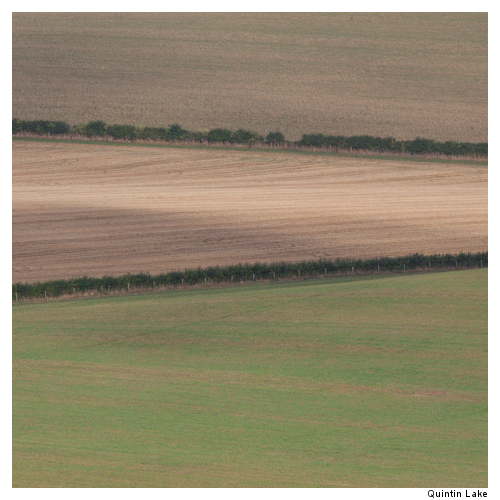
Ridgeway X, Wiltshire
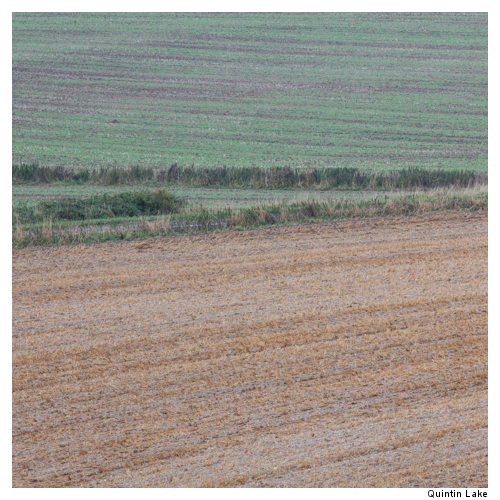
Ridgeway XI, Wiltshire
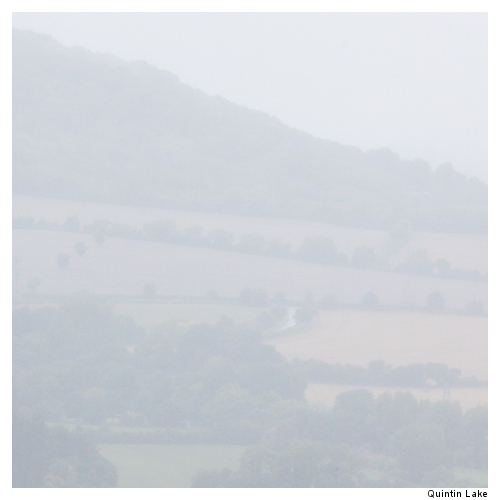
Ridgeway XII, Chilterns
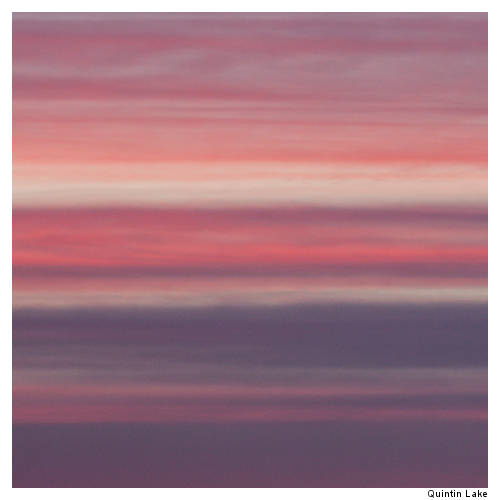
Ridgeway XIII, Oxfordshire
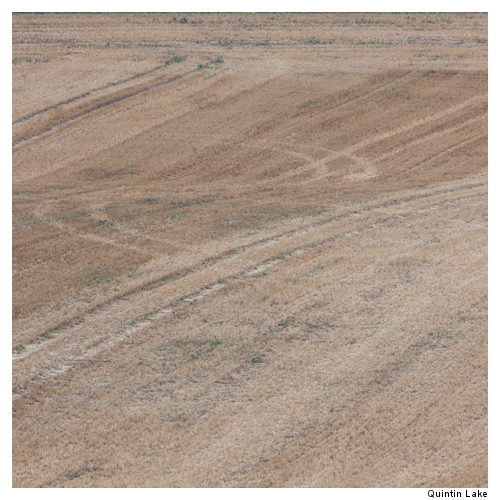
Ridgeway XIV, Oxfordshire
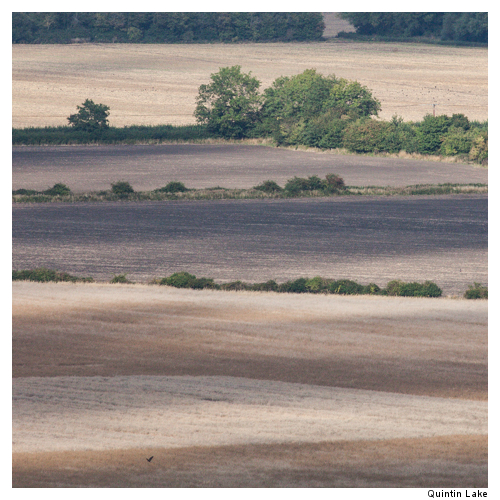
Ridgeway XV, Oxfordshire
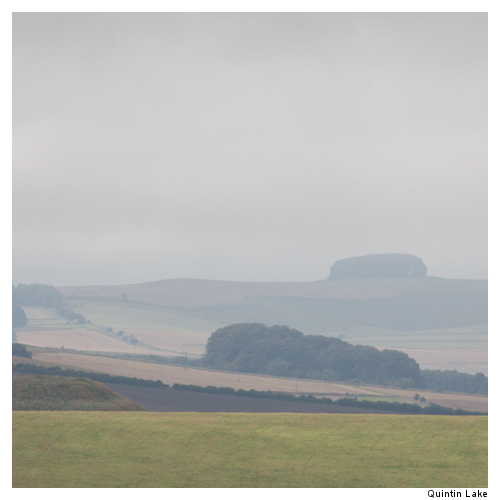
Ridgeway XVI, Wiltshire
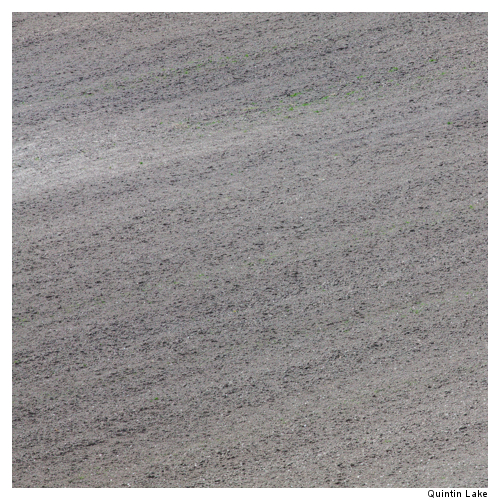
Ridgeway XVII, Buckinghamshire
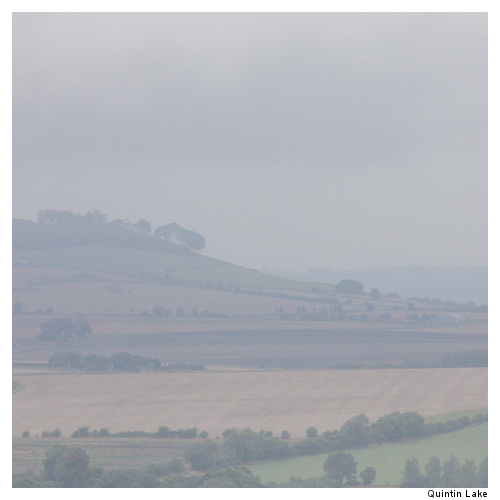
Ridgeway XVIII, Chilterns
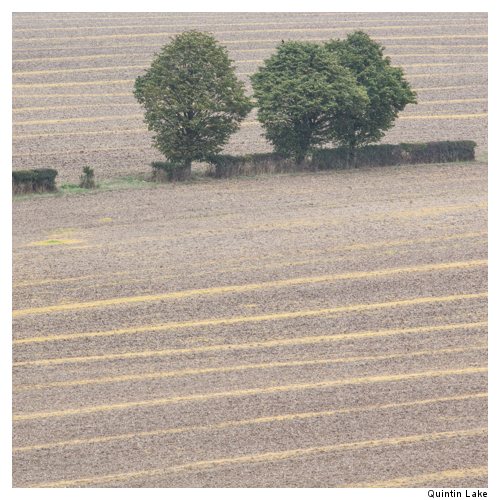
Ridgeway XIX, Chilterns
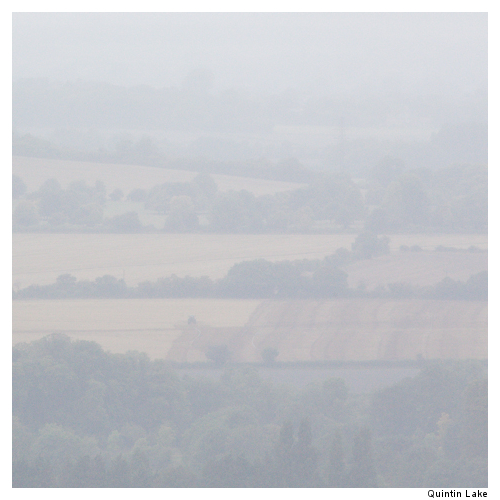
Ridgeway XX, Chilterns
“Momently clinging to the things we knew — Friends , footpaths, hedges, house and animals. Till bourne along like twigs and bits of straw we sink below the sliding stream of time.”
John Betjeman, On leaving Wantage, 1972
A photo series made along the Ridgeway, England’s oldest road, during a 6 day walk in September 2013 backpacking and wild camping where possible along the 87 miles from Avebury to Ivinghoe Beacon. Most of the photos were taken with a 400mm telephoto lens more commonly used for sports and wildlife photography in order to isolate graphic elements in the distant landscape.
For at least 5000 years travellers have used the Ridgeway. Originally connected to the Dorset coast, the Ridgeway provided a reliable trading route to The Wash in Norfolk. The high dry ground made travel easy and provided a measure of protection by giving traders a commanding view, warning against potential attacks.
This photo series was conceived of as a follow-on project from my walk along the Thames last year Sweet Thames, run softly till I end my song.
Share this:

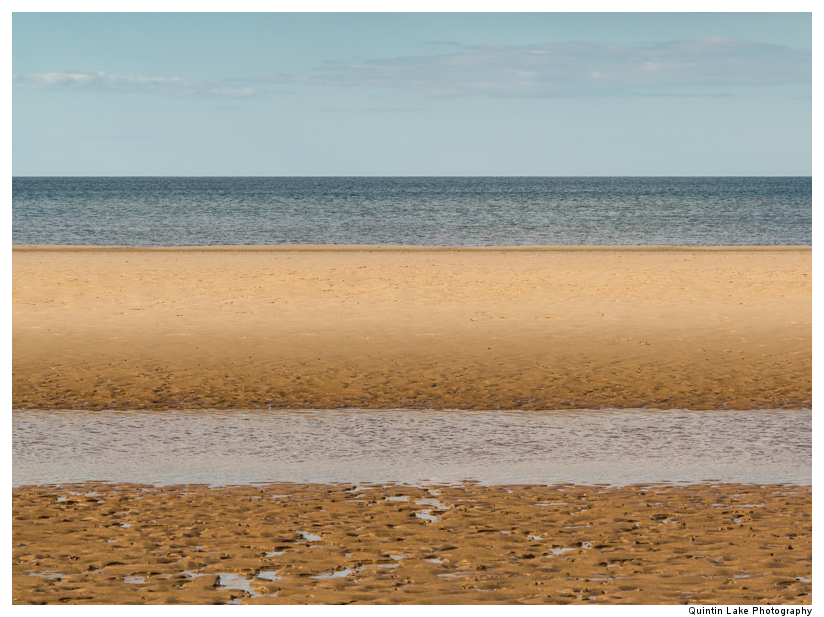
Norfolk Horizon (Homage to Gursky)
Holkham Beach, Norfolk, England
90x60cm, Edition of 7
Share this:

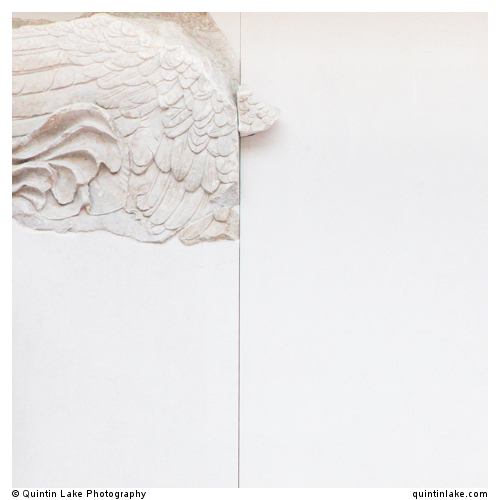
Demeter

Heracles
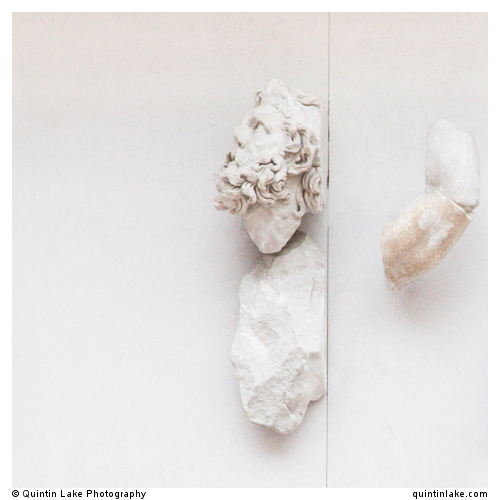
Ephiatles

Themis

Theia

Gorgons

Moirae

Ares
Inspired by the gaps in the Pergamon Altar frieze, Berlin and my previous project Faceless Icons, Bulgaria
Share this:

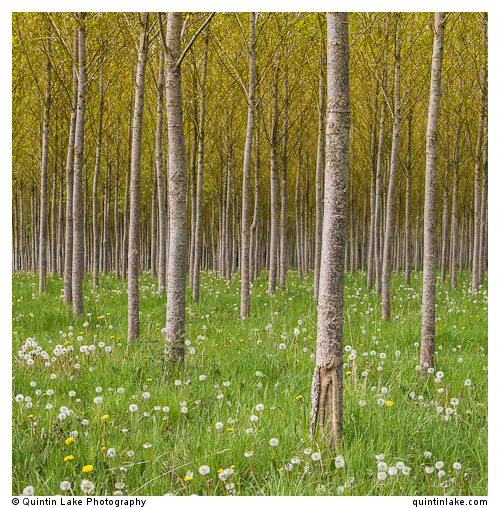
Infinite Forest. Kemble, England. 40x40cm view larger
Signed prints available at £195 each (Edition of 25).
To purchase please contact me. Larger sizes also available
Share this:


Parachute Store. Building 92
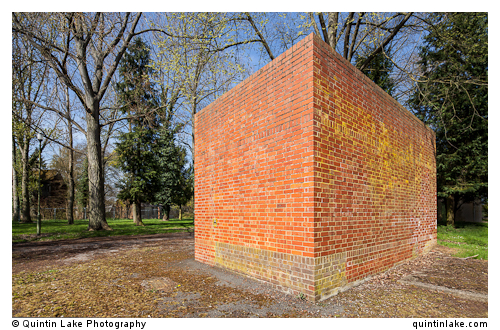
Unknown Structure
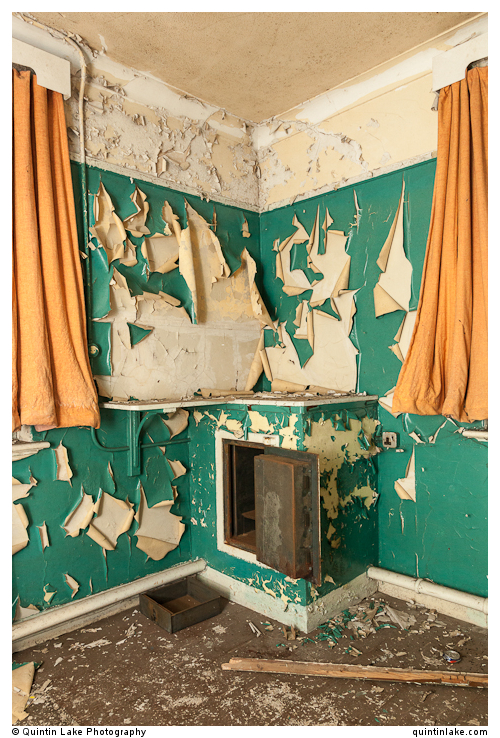
Station Offices. Building 147
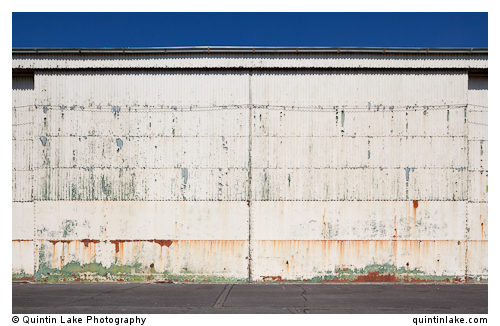
Type “A” Hangar. Building 137
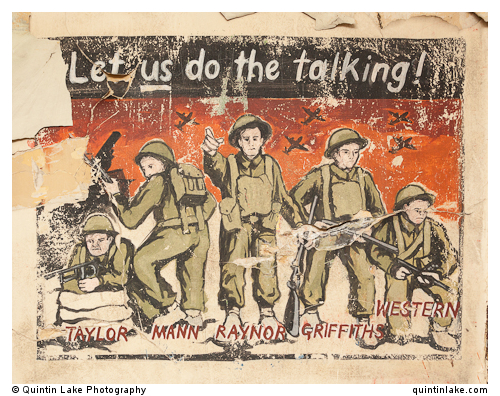
Station Offices. Building 147
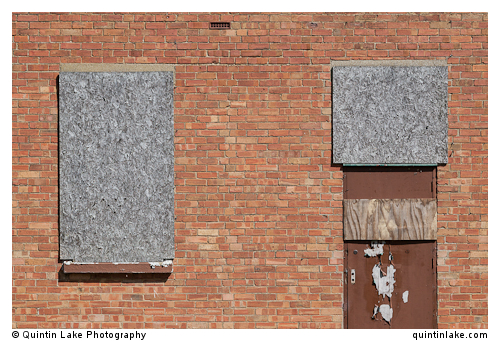
Main Stores. Building 90
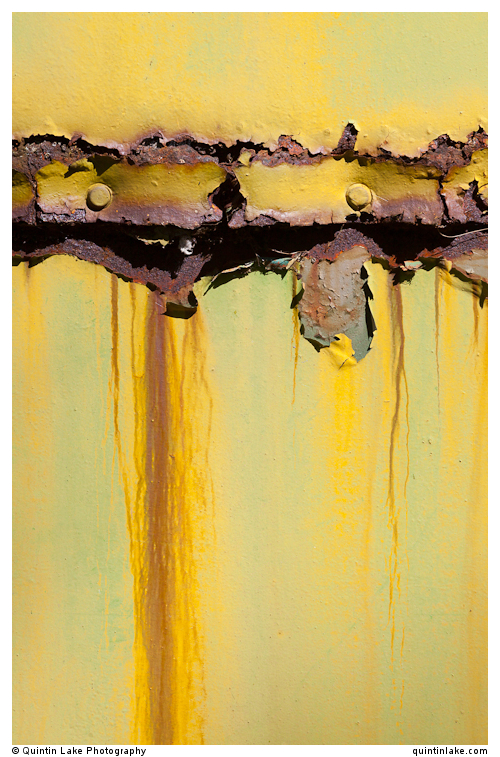
FFMT Shed. Building 119
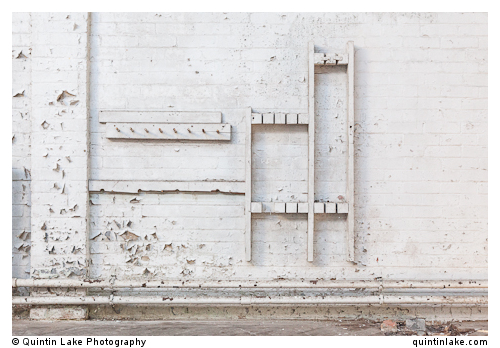
Main Workshop. Building 99
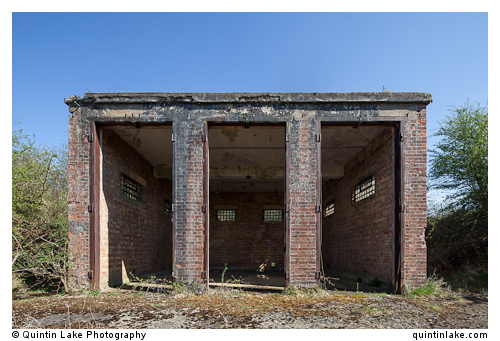
Bomb Store. Building 216
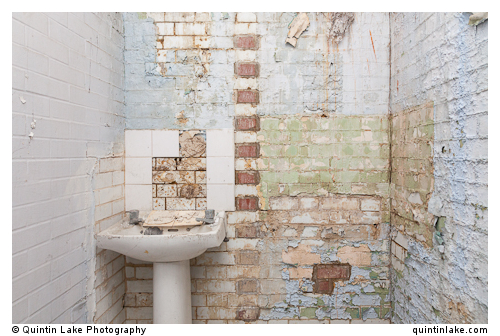
Guard House. Building 89
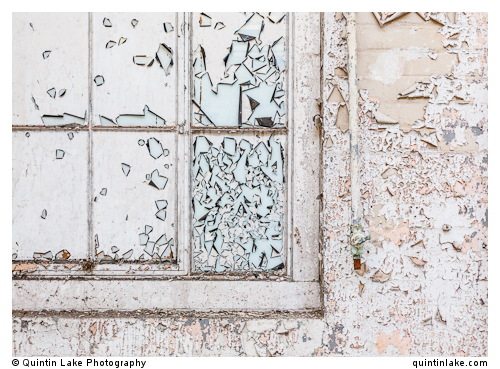
Main Workshop. Building 99
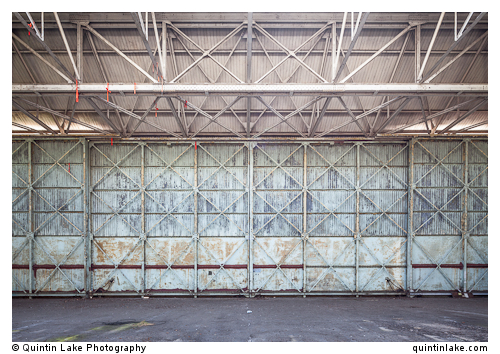
Type “A” Hangar. Building 137
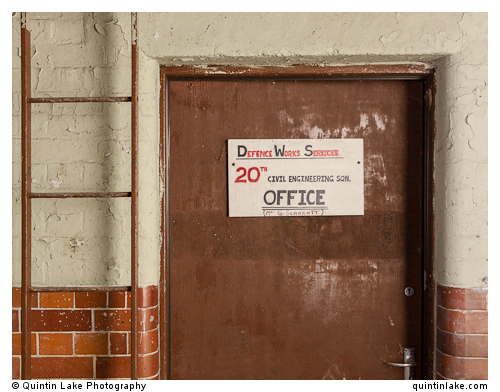
Power House. Building 82
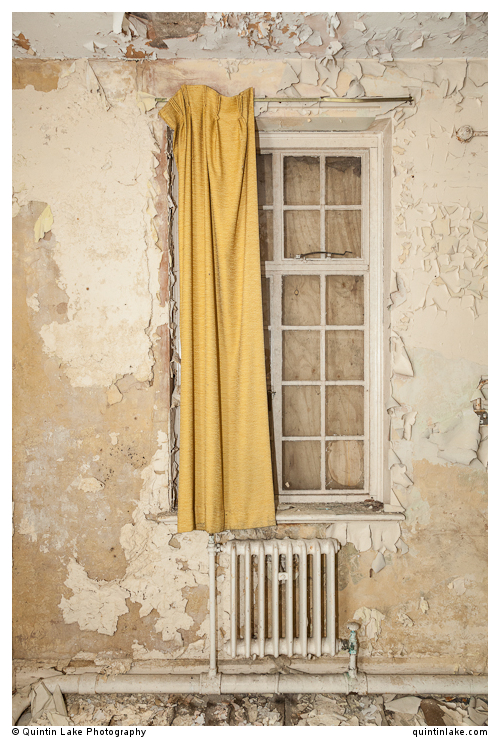
Operations Block. Building 146
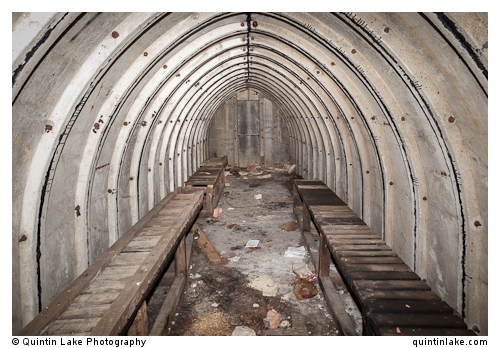
Air Raid Shelter
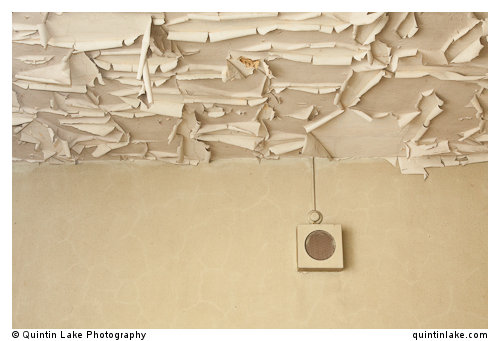
Operations Block. Building 146
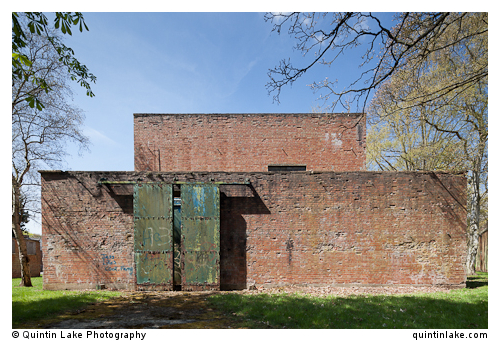
Power House (Backup). Building 93
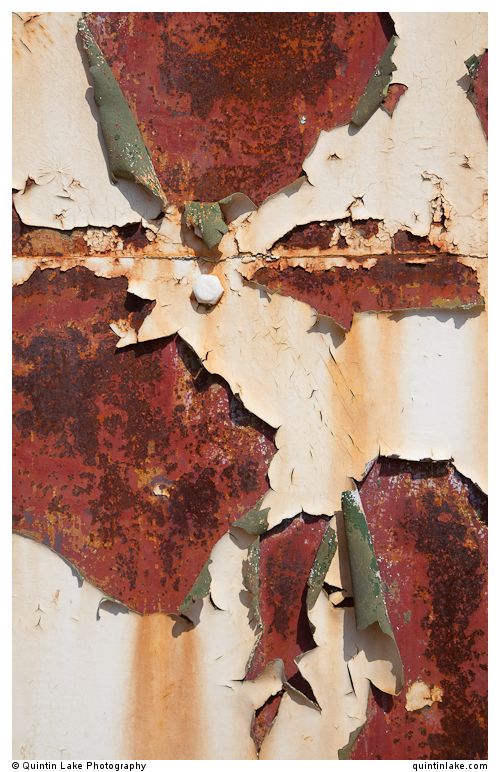
Type “C” Hangar. Building 108
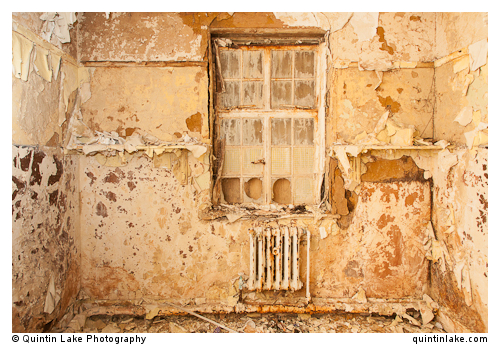
Station Offices. Building 147
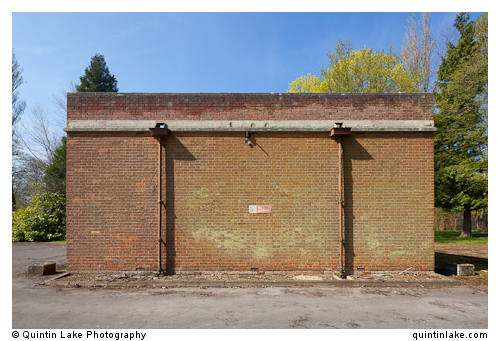
Petrol tanker shed. Building 105
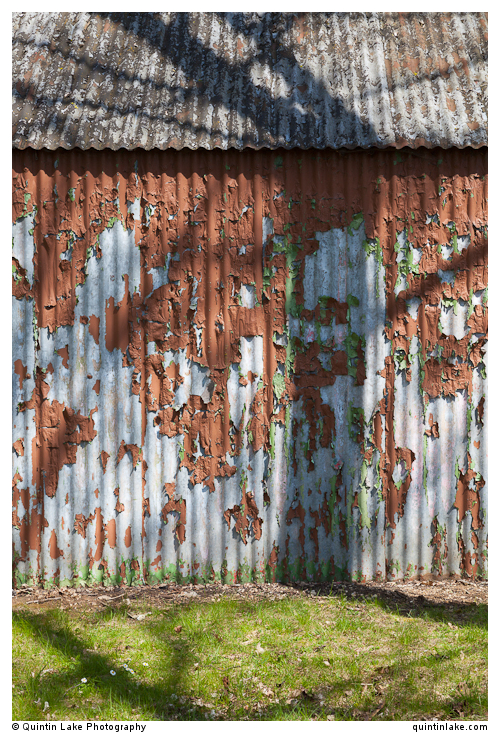
Fire Party Hut. Building 88
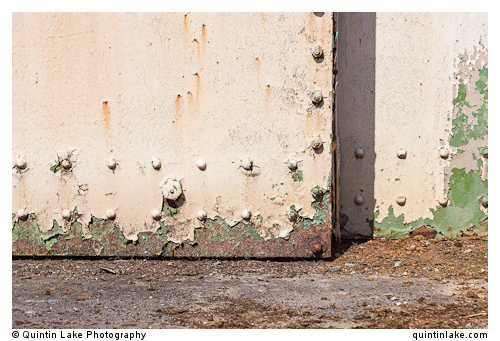
Type “A” Hangar. Building 79
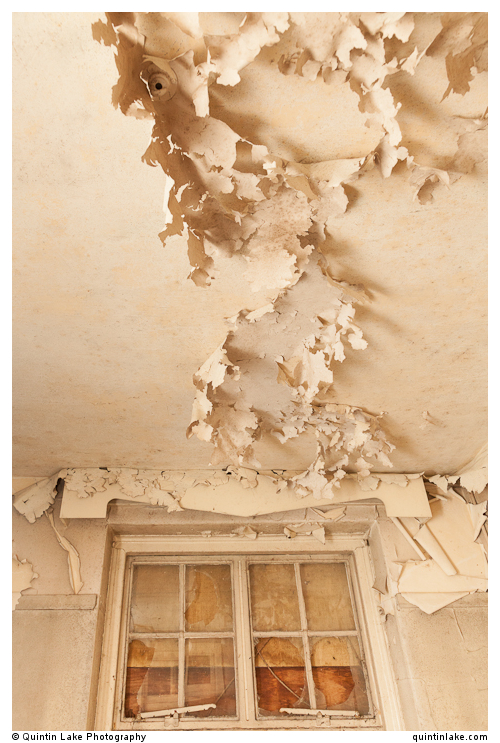
Station Offices. Building 147
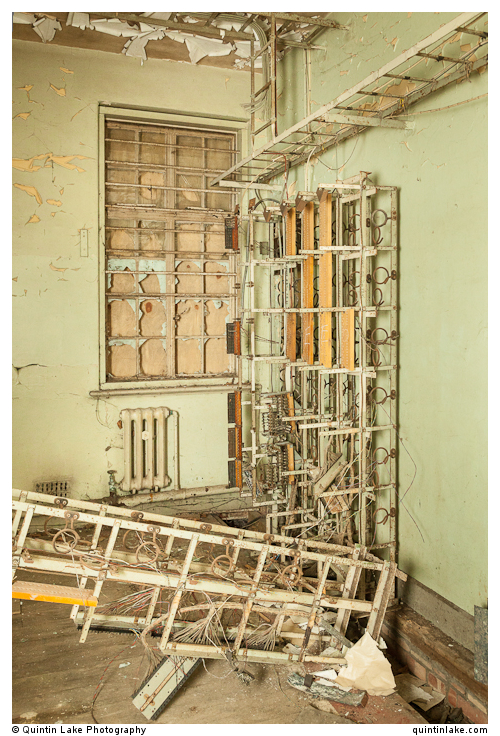
Switchboard, Operations Block.. Building 146
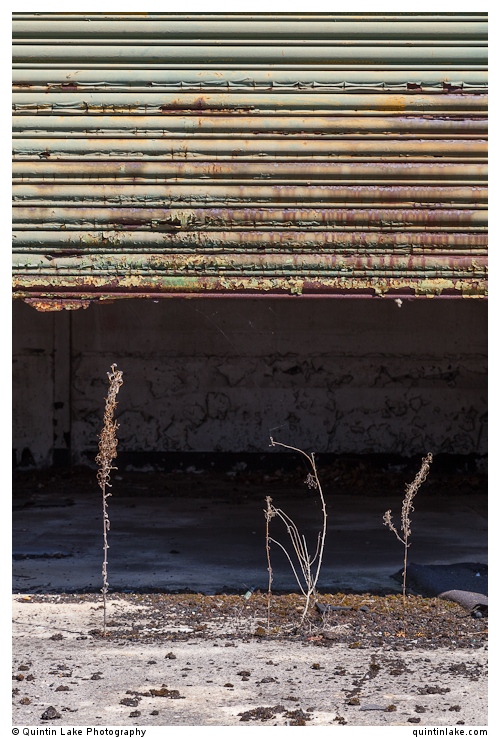
Motor Transport Shed. Building 129
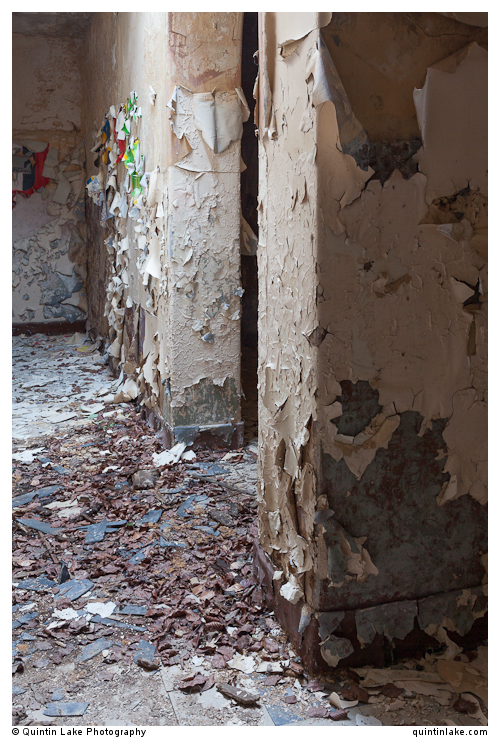
Station Offices. Building 147
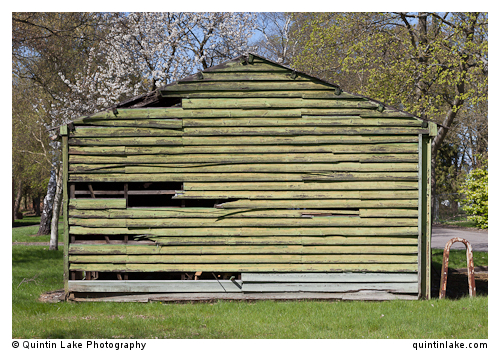
Fire Tender & Hucks Starter Shelter. Building 121
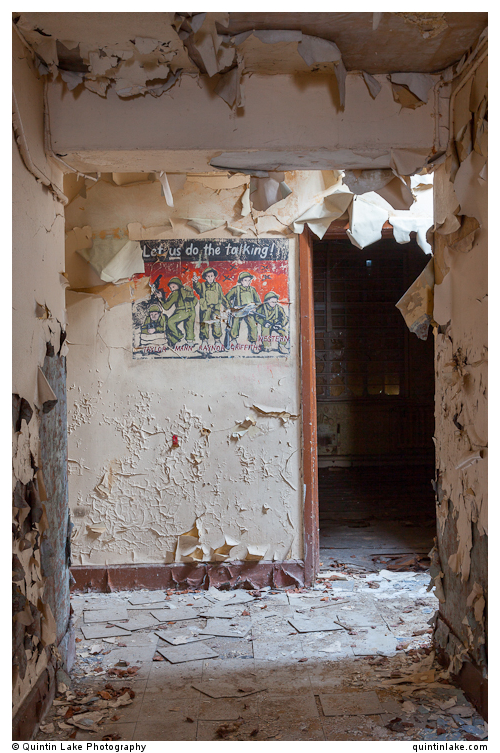
Station Offices. Building 147
Walking into the buildings at RAF Bicester in 2013 is like entering a time capsule back to the second world war. RAF Bicester was part of Bomber Command in WW2 being used mainly for training. The RAF left in 1976 and most of the buildings have been left untouched since. The site is of architectural and historical importance being the most complete and untouched example of such a collection of buildings most having being built in the 1920’s. The site contains a number of listed buildings and scheduled monuments.
What I found fascinating about the site as a photographic subject is that the decay and abandonment have added new layers of meaning to the utilitarian buildings so the impression today is an intriguing mix of the evocative and the impenetrable.
In May 2013 the site was sold to Bicester Heritage who kindly gave me permission to photograph the site before they start renovation. My particular thanks to Daniel Geoghegan and Charles Morgan.


 Geometry & Silence