Archives for category: Travel Photography

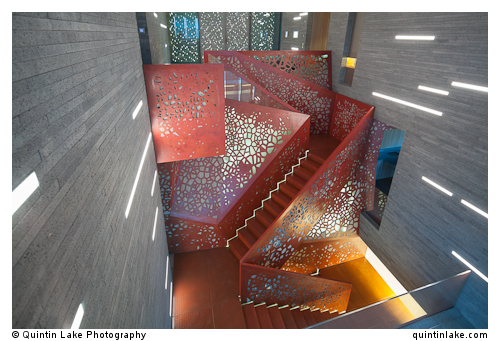
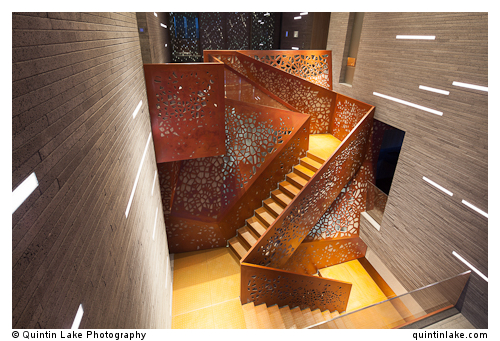
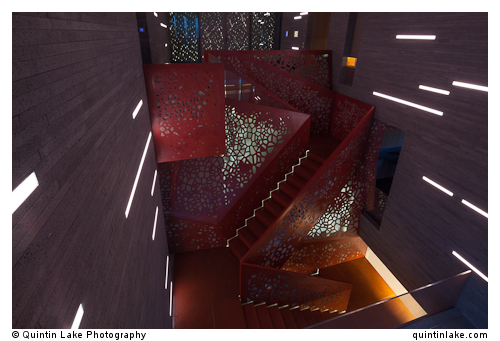
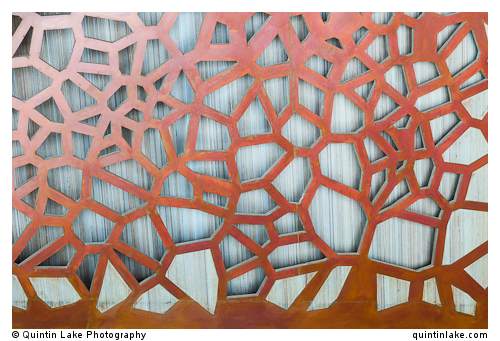
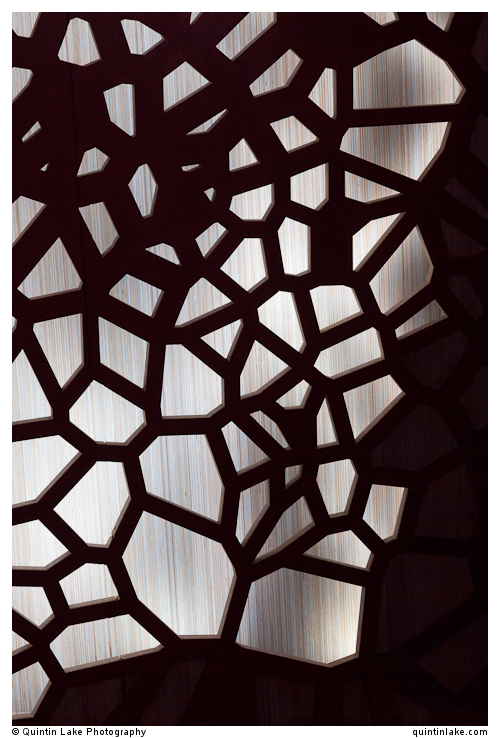
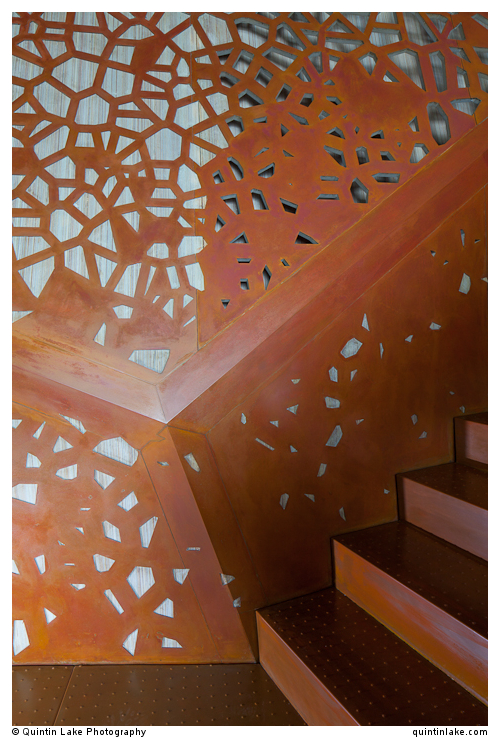
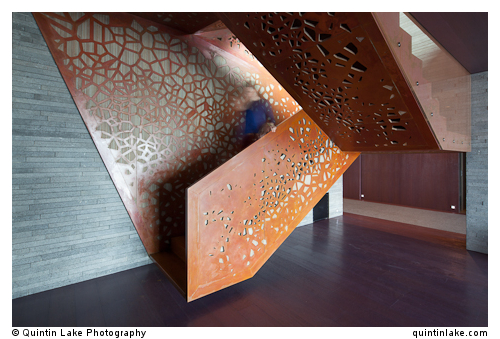
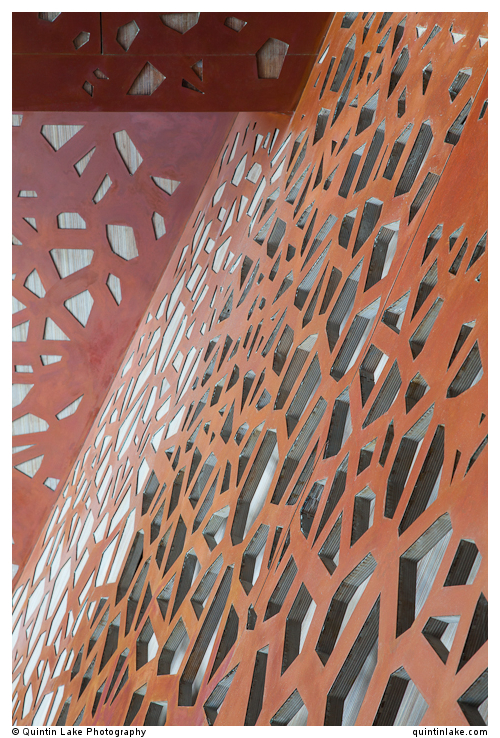
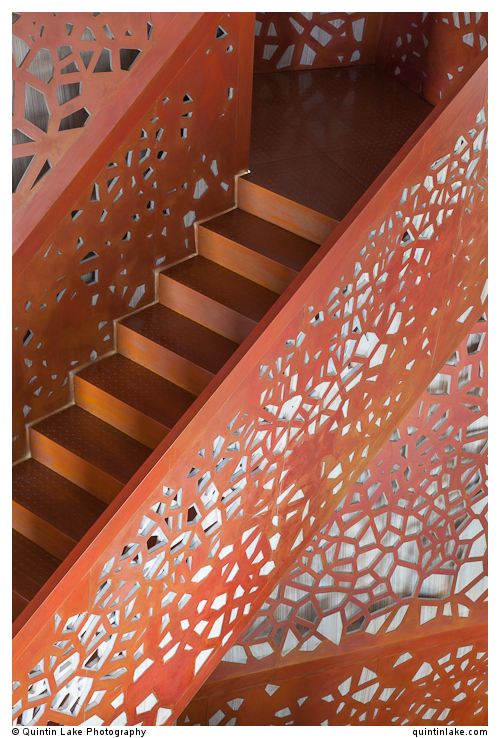
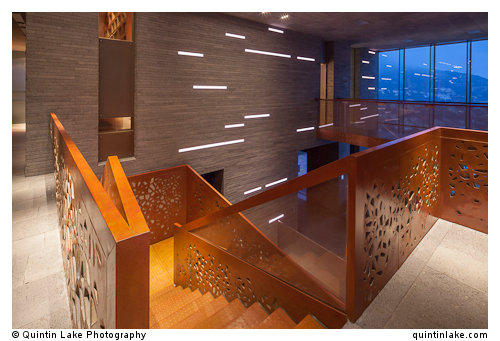
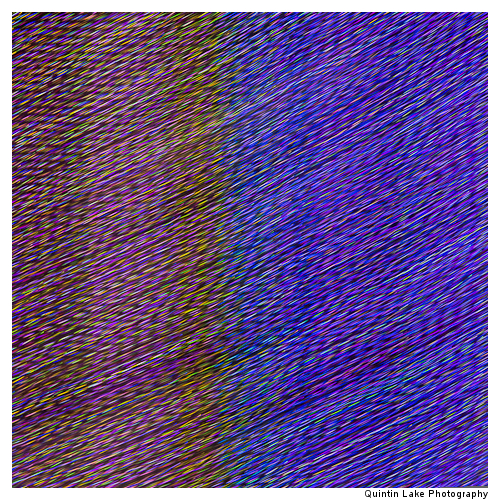
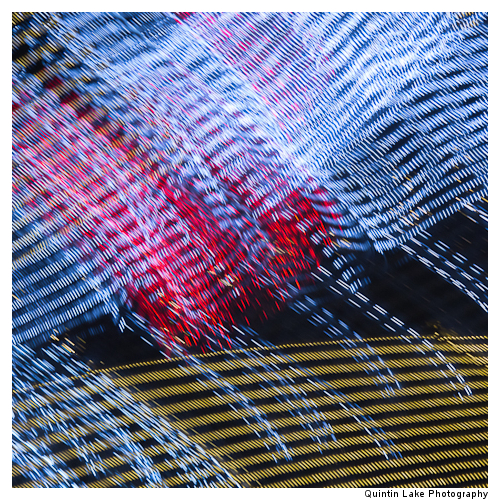
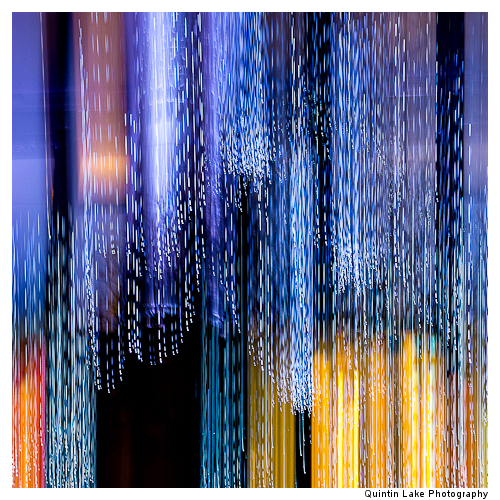
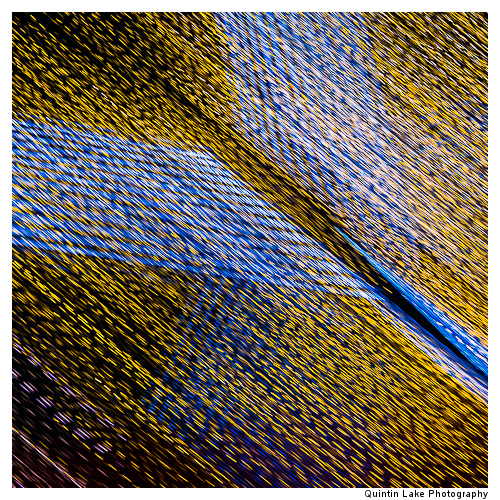
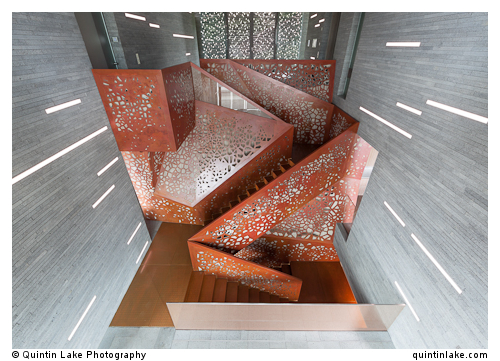
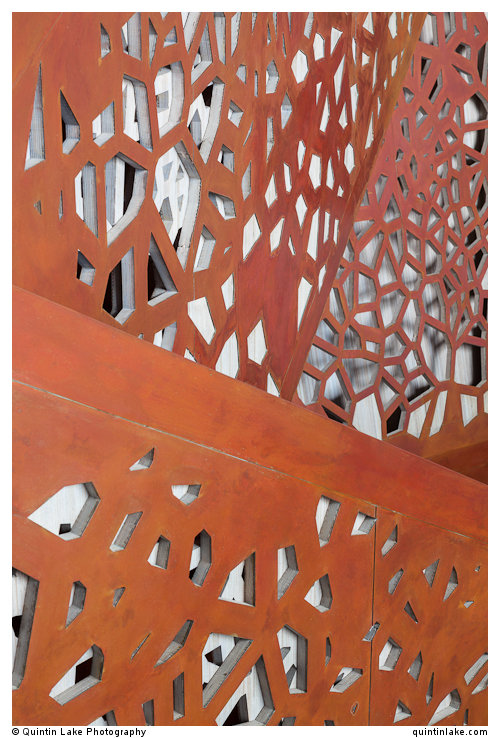
Copper staircase, Villa Mallorca. Arup

Copper staircase, Villa Mallorca. Arup Copper staircase, Villa Mallorca. Arup Copper staircase, Villa Mallorca. Arup Copper staircase, Villa Mallorca. Arup Copper staircase, Villa Mallorca. Arup Copper staircase, Villa Mallorca. Arup Copper staircase, Villa Mallorca. Arup Copper staircase, Villa Mallorca. Arup Copper staircase, Villa Mallorca. Arup Copper staircase, Villa Mallorca. Arup Copper staircase, Villa Mallorca. Arup

An assignment for Arup, Berlin to photograph their lighting design and materials engineering on a sculptural Copper Staircase in Mallorca, Spain. Architect: Studio Mishin, St Petersburg (Sergey Mishin, Katya Larina). Material Science + Structural Engineering (concept only)+ Lighting Design: Arup, Berlin (Jan Wurm, Emily Dufner, Charlotte Heesbeen, Paula Longato, Tim Goeckel, Anselm von Held)

Click Here for More from this Photoshoot >>

All images available for publication / licensing contact me for pricing or to commission your own shoot

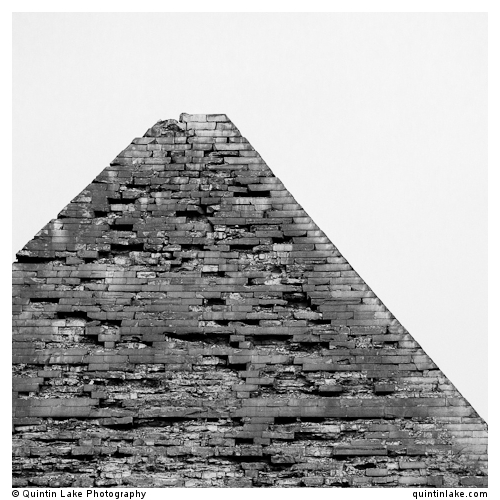
Pyramid of Khafre, Giza Necropolis, Cairo, Egypt

Pyramid of Khafre, Giza Necropolis, Egypt

Great Pyramid of Giza behind the Pyramid of Khafre, Giza Necropo

Great Pyramid of Giza behind the Pyramid of Khafre

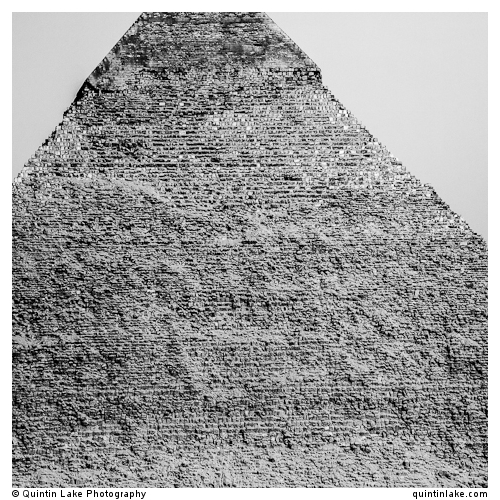
Apex of the Pyramid of Khafre, Giza Necropolis, Cairo, Egypt

Apex of the Pyramid of Khafre

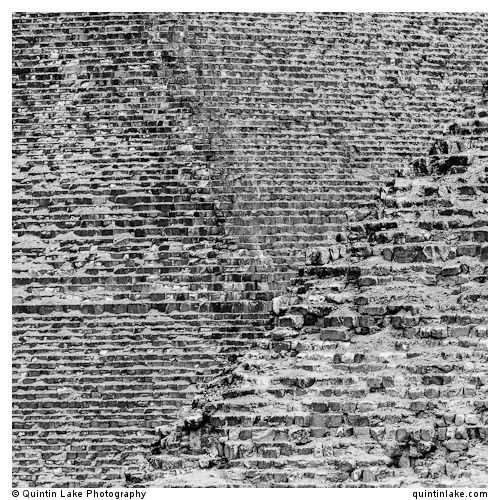
Corner of the Pyramid of Khafre

Corner of the Pyramid of Khafre

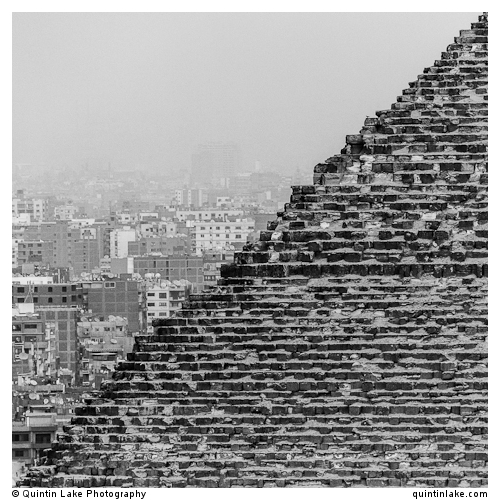
Great Pyramid of Giza in front of modern skyline of Cairo

Great Pyramid of Giza bisects the modern skyline of Cairo

How to photograph something as iconic yet cliched as the Pyramids? My response was to choose monochrome, use square format and abstract the geometry as much as possible, cropping tight with a telephoto lens to emphasise the scale and texture of the monument.

Signed limited edition prints of this series are available at £195 each (40x40cm). To purchase please contact me. Larger sizes also available

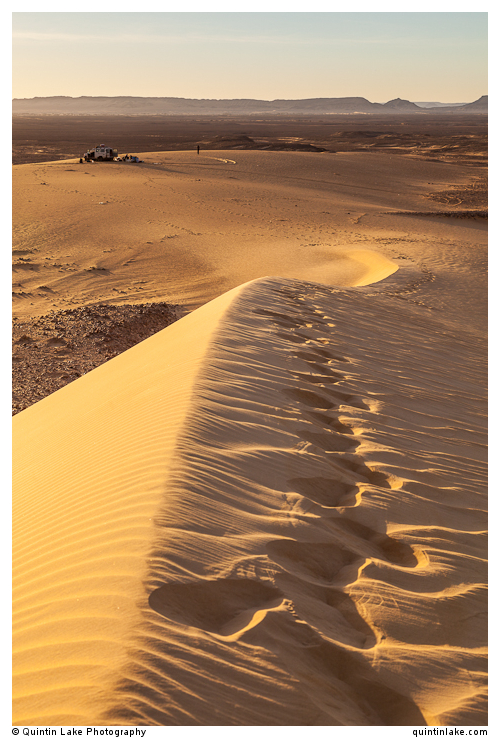
Footprints on a sand dune above camp near Bahariya Oasis, Western Desert, Egypt

Dune above camp near Bahariya Oasis, Western Desert, Egypt

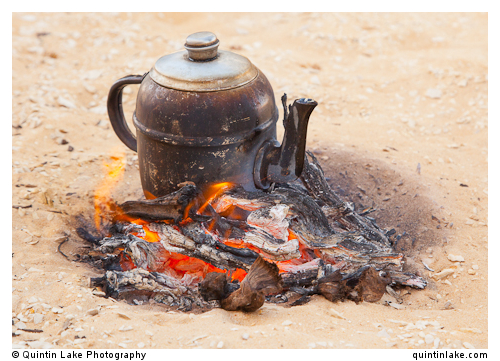
Bedouin Tea, served extra sweet. Western Desert, Egypt

Bedouin Tea, served extra sweet

Early morning sunlight illuminates a sand dune Western Desert, Egypt

Early morning sunlight illuminates a sand dune, Western Desert

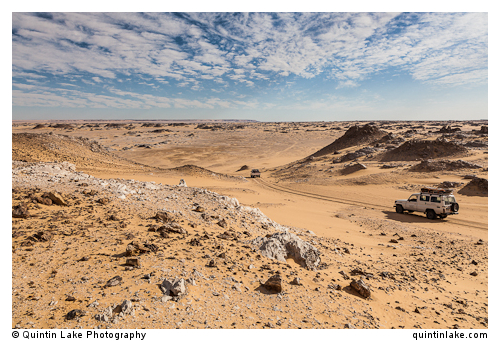
Landcruisers descend into a wadi in the Sahara Suda (Black Desert), Egypt

Landcruisers descend into a wadi in the Sahara Suda (Black Desert), Egypt

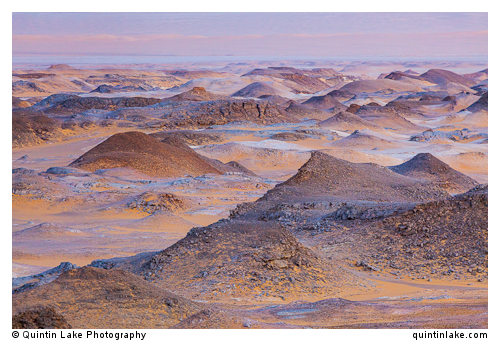
Sahara Suda (Black Desert) the moment after sunset, Egypt

Sahara Suda (Black Desert) the moment after sunset

A beduin guide, Mahmood contemplating the White Desert, Egypt

Our bedouin guide, Mahmood contemplating the White Desert

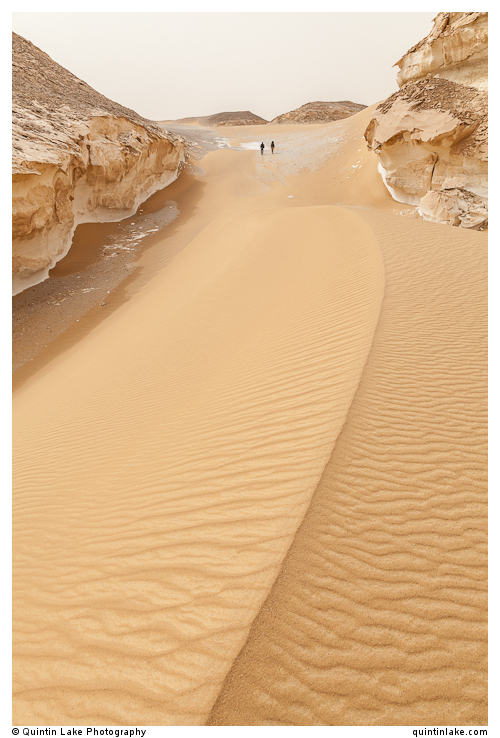
Trekking above a large sand dune in the White Desert), Egypt

Trekking above a sand dune in the White Desert, Egypt

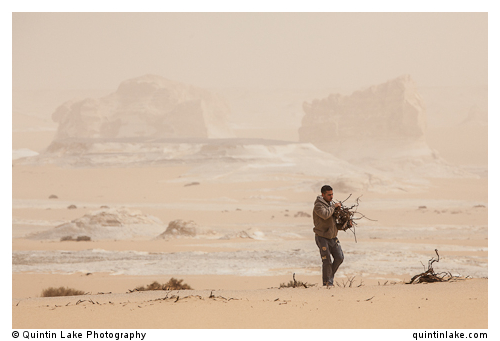
Mahmood, a Bedouin guide, collecting fire wood in the White Dese

Mahmood collecting fire wood in the White Desert

Mahmood, A Bedouin guide, guides us across the White Desert

Mahmood guides us across the White Desert

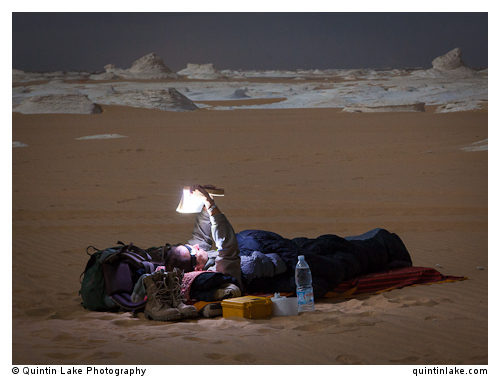
Sam McConnell prepares for a night under the stars, White Desert

Sam McConnell prepares for a night under the stars, White Desert

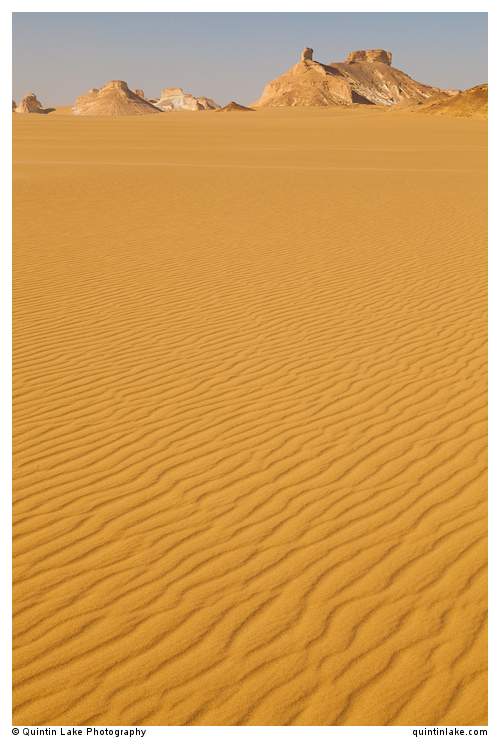
Sand ripples at the edge of the Sahara Beida (White Desert), Egypt

Sand ripples at the edge of the Sahara Beida (White Desert)

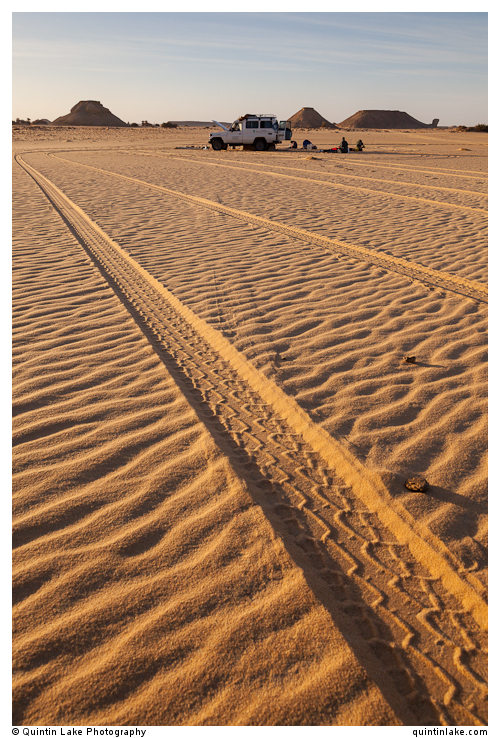
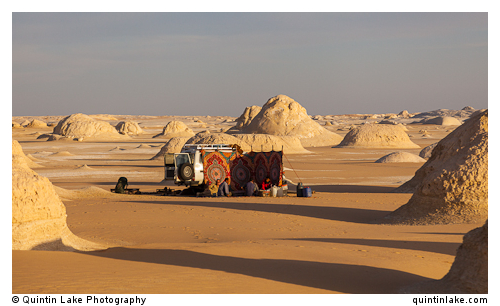
4X4 tracks in the sand and camp in the Western Desert, Egypt

4X4 tracks at camp in the Western Desert

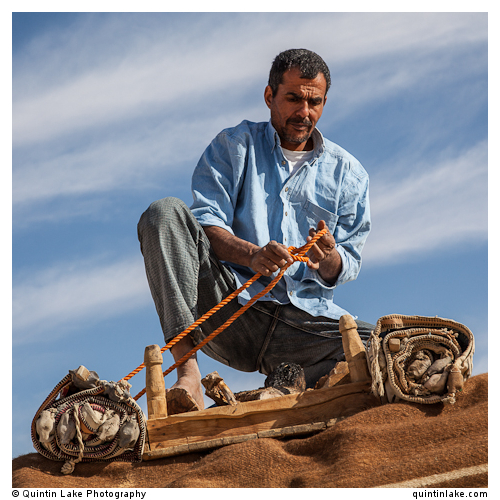
Khaled ties camping equipment to the top of the Landcruiser. Western Desert, Egypt

Khaled ties camping equipment to the top of the Landcruiser

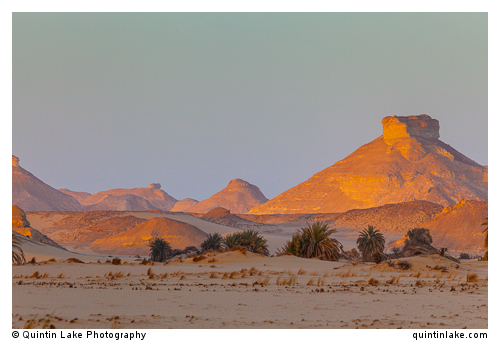
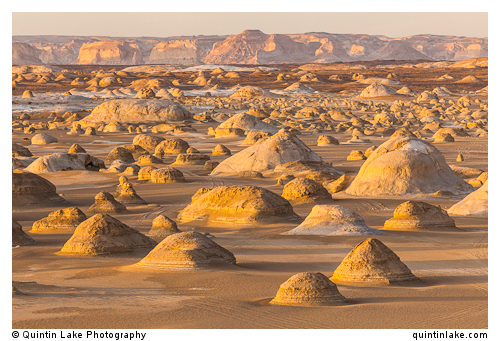
Monoliths (inselbergs) of the White Desert at sunset, Egypt

Monoliths (inselbergs) of the White Desert at sunset

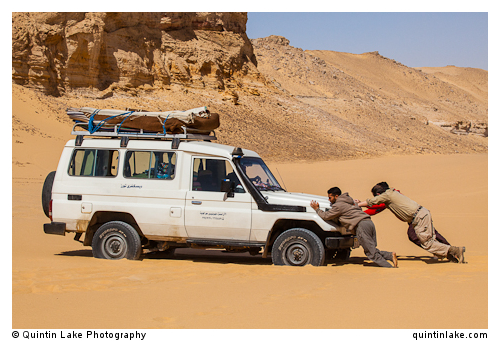
4x4 Landcruiser stuck in the sand in the Western Desert, Egypt

Landcruiser stuck in the sand in the Western Desert

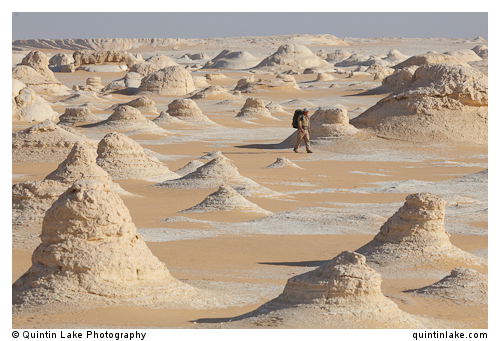
Sam McConnell walks amongst the chalk rock formations of the Sahara Beida (White Desert), Egypt

Sam McConnell walks amongst the chalk rock formations of the White Desert

Moments before sunset at El-Khiyam "The Tents",  Sahara Beida (White Desert), Egypt

Moments before sunset at El-Khiyam “The Tents”, White Desert

4X4 Camp amongst El-Khiyam "The Tents",  Sahara Beida (White Des

4X4 Camp amongst El-Khiyam “The Tents”, White Desert

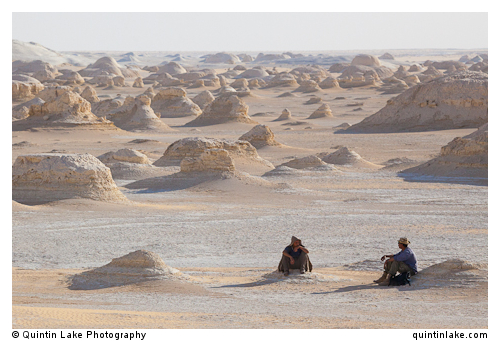
Mahmood & Khaled rest after trekking amongst El-Khiyam "The Tent

Mahmood & Khaled rest after trekking amongst The Tents, White Desert

Sunset abovet El-Khiyam "The Tents",  Sahara Beida (White Desert), Egypt

Sunset abovet El-Khiyam “The Tents”, Sahara Beida (White Desert)

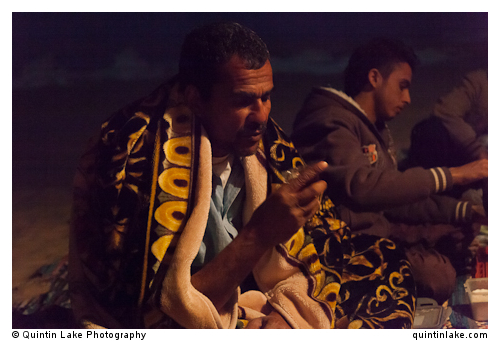
Khaled, deep in thought with a glass of sweet tea. Western Deser

Khaled, deep in thought with a glass of sweet tea. Western Desert

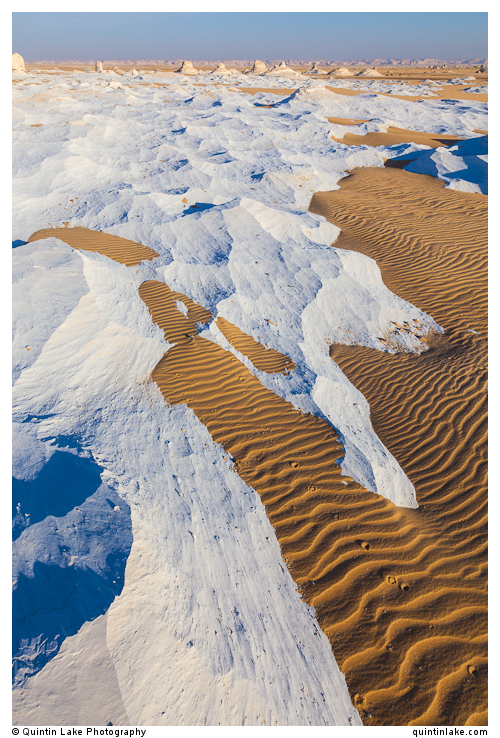
Wind sculpted chalk waves and sand in the Sahara Beida (White De

Wind sculpted chalk waves and sand in the White Desert

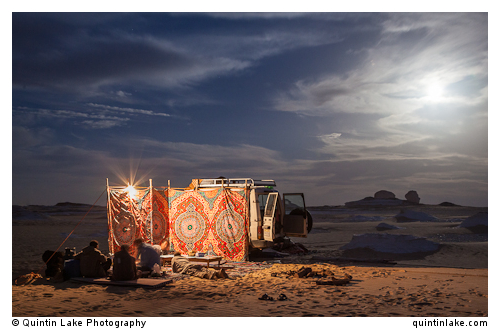
Moonlit Camp in the White Desert, Egypt

Moonlit Camp in the White Desert

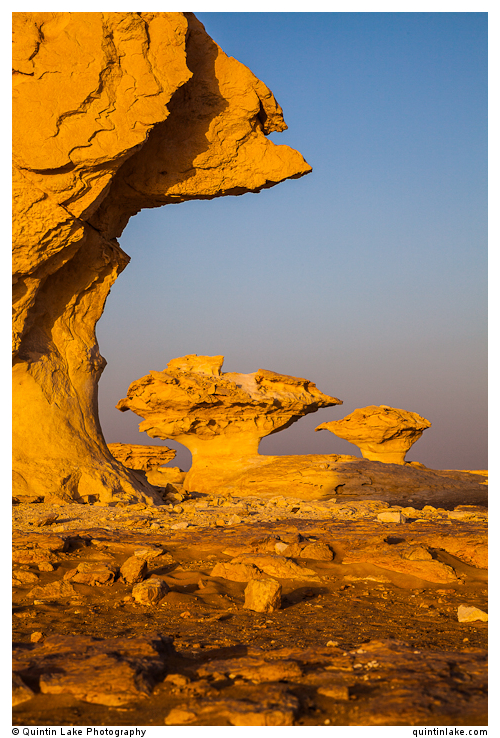
Chalk sculptures catch the setting sunlight in the White Desert, Egypt

Chalk sculptures catch the setting sunlight in the White Desert

Sunset above the the chalk rock formations of the Sahara Beida (White Desert) near Farafra, Egypt

Sunset above the the chalk rock formations of the White Desert near Farafra

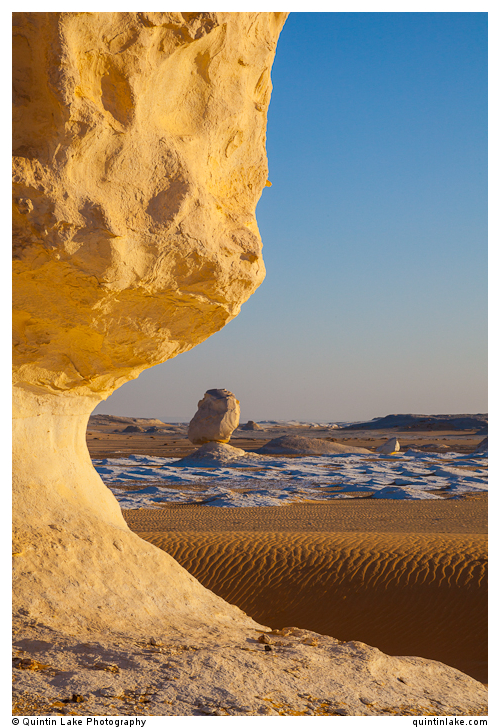
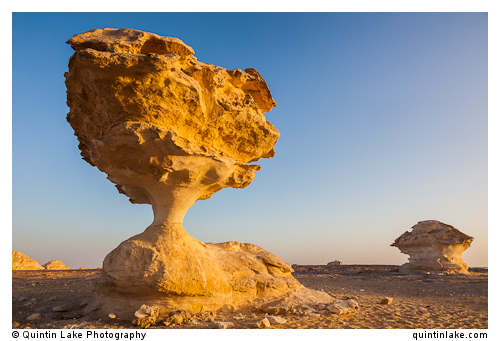
Aish el-Ghorab "The Mushrooms", chalk sculptures, Sahara Beida (White Desert), Egypt

Aish el-Ghorab “The Mushrooms”, chalk sculptures, White Desert, Egypt

Aish el-Ghorab "The Mushrooms", chalk sculptures, Sahara Beida (White Desert), Egypt

The Mushrooms, chalk sculptures, White Desert

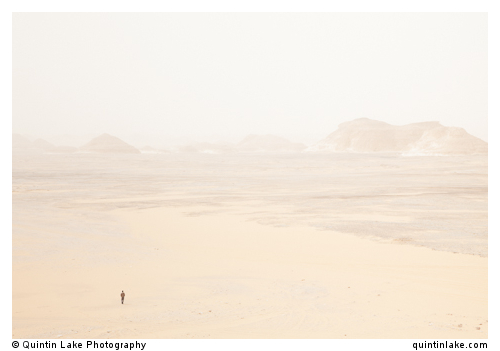
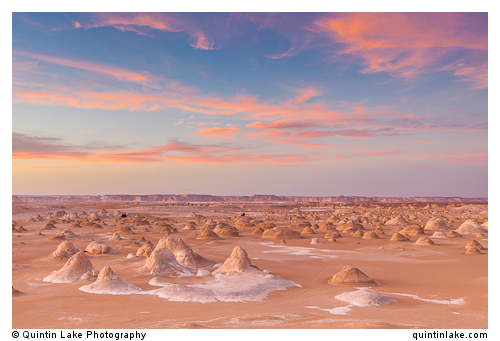
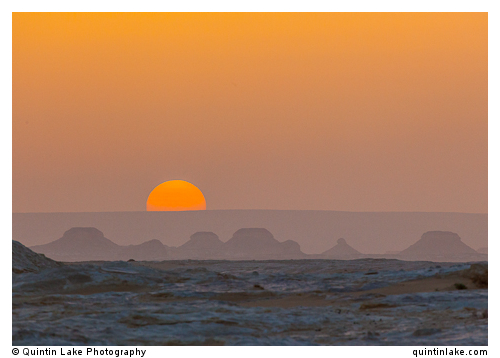
Orange sunset in the White Desert, Egypt

Sunset in the White Desert, Egypt

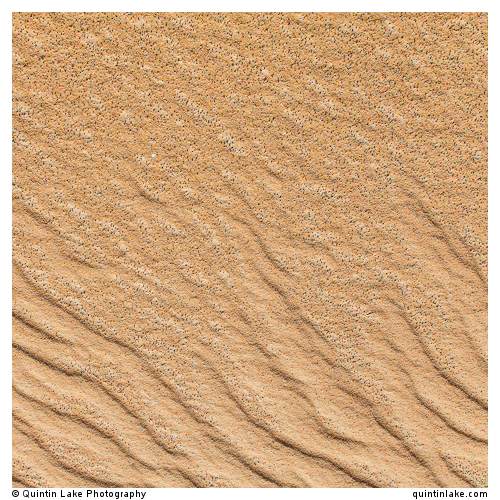
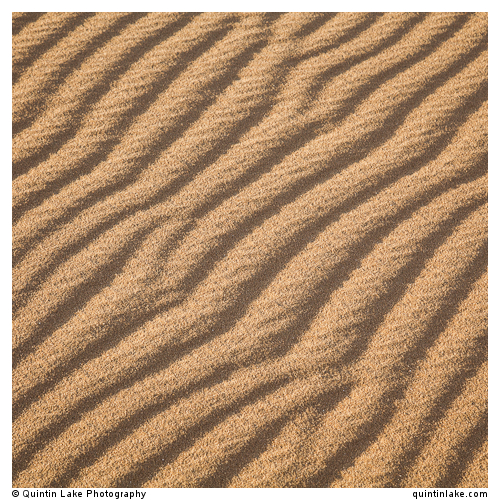
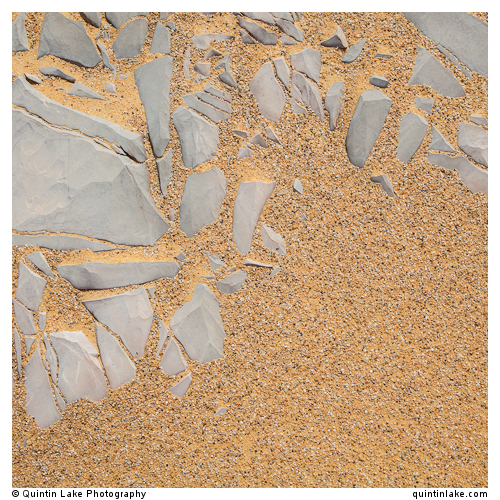
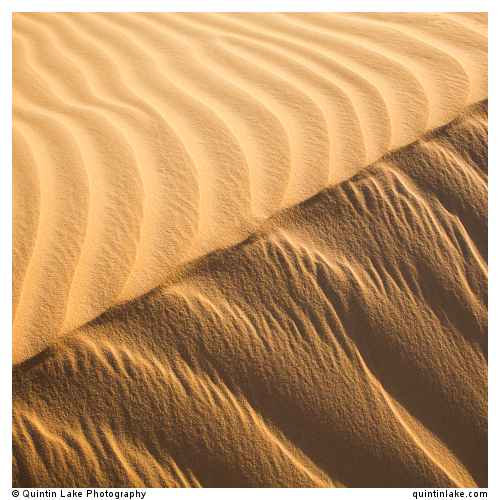
These photographs document a trekking and 4×4 journey through the Western Desert of Egypt. Starting at Bahariya Oasis we travelled through the Sahara Suda (Black Desert) and Sahara Beida (White Desert) ending up near Farafra. As a compliment to these images I produced a second, more abstract series of photographs entitled “Sahara Sands” from the same trip.

The journey was undertaken with desert explorer Sam McConnell who runs highly recommended adventure travel expeditions to the region in collaboration with Abou Anis of Sub Sinai, off-road driver Khaled, and the bedouin of Bahariya Oasis

Signed limited edition prints of this series are available at £195 each (60x40cm). To purchase please contact me. Larger sizes also available

Edit: I’m delighted that this post is featured in Freshly Pressed. Check out “Glimpses Of Iran” which was Freshly Pressed last year. Thanks for all your likes and comments and follow my Facebook Page to see my latest work

Edit 2! I’m even more chuffed this post has been featured in Editors’ Picks of the Year: The Best of WordPress.com in 2013 thanks guys!

Edit 3! If you enjoyed this have a look at Wadi Rum Journey which was the follow up to this project

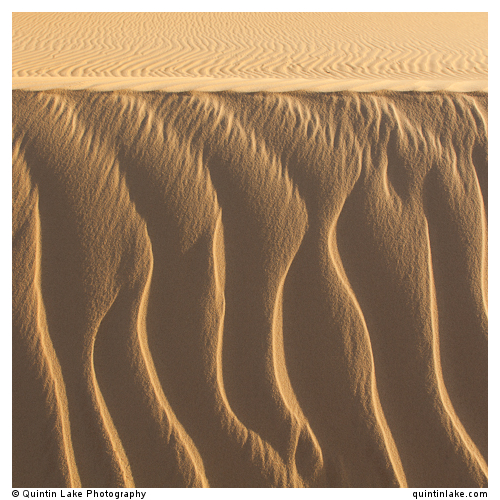
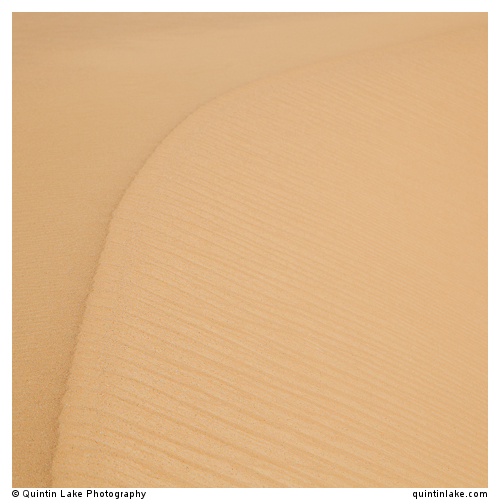
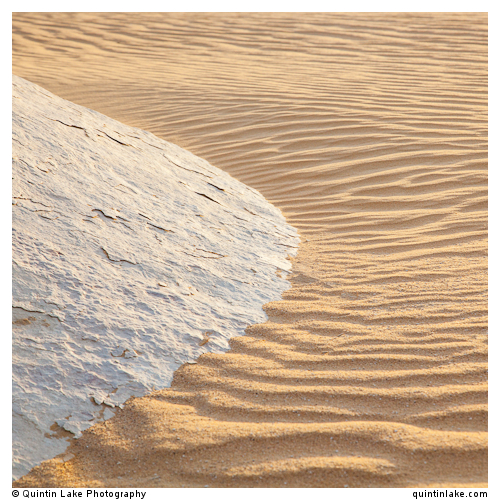
Sahara Sands I (Western Desert, Egypt)

Sahara Sands I (Western Desert, Egypt)

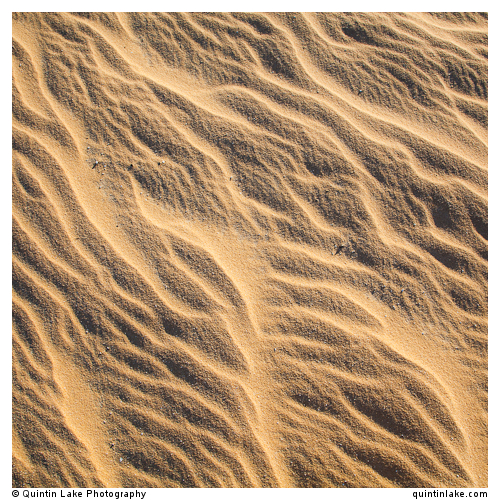
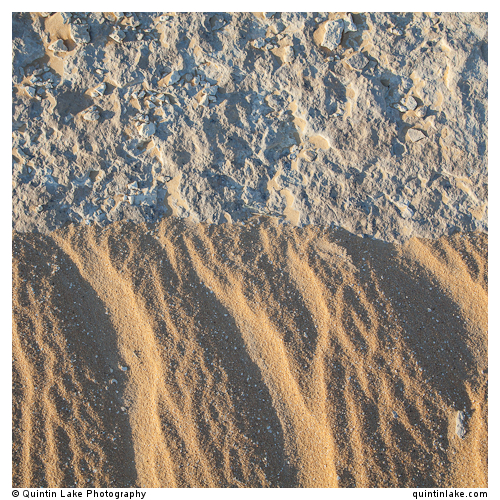
Sahara Sands II (Western Desert, Egypt)

Sahara Sands II (Western Desert, Egypt)

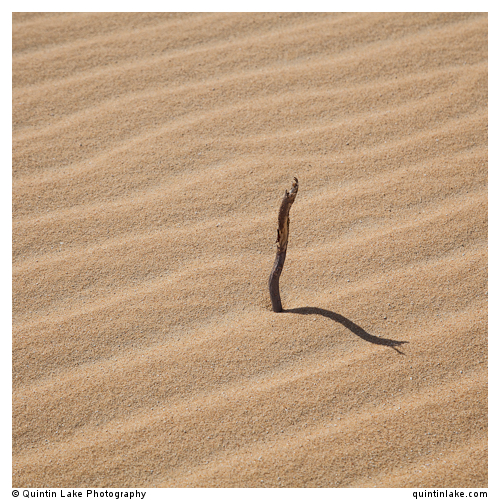
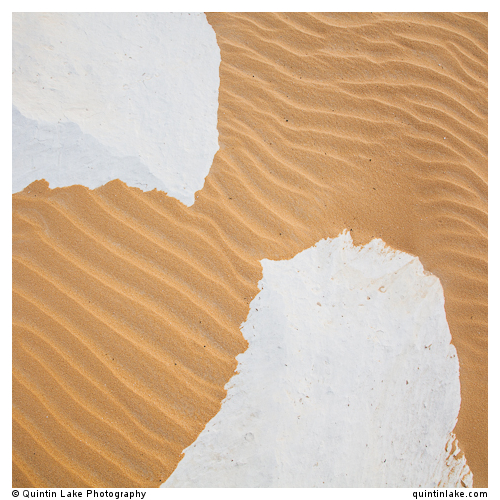
Sahara Sands III (Western Desert, Egypt)

Sahara Sands III (Western Desert, Egypt)

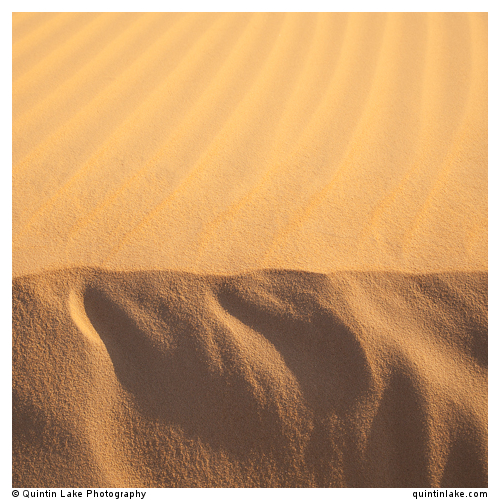
Sahara Sands IV (Western Desert, Egypt)

Sahara Sands IV (Western Desert, Egypt)

Sahara Sands V (Western Desert, Egypt)

Sahara Sands V (Western Desert, Egypt)

Sahara Sands VI (Western Desert, Egypt)

Sahara Sands VI (Western Desert, Egypt)

Sahara Sands VII (Western Desert, Egypt)

Sahara Sands VII (Western Desert, Egypt)

Sahara Sands VIII (Western Desert, Egypt)

Sahara Sands VIII (Western Desert, Egypt)

Sahara Sands IX (Western Desert, Egypt)

Sahara Sands IX (Western Desert, Egypt)

Sahara Sands X (Western Desert, Egypt)

Sahara Sands X (Western Desert, Egypt)

Sahara Sands XI (Western Desert, Egypt)

Sahara Sands XI (Western Desert, Egypt)

Sahara Sands XII (Western Desert, Egypt)

Sahara Sands XII (Western Desert, Egypt)

Sahara Sands XIII (Western Desert, Egypt)

Sahara Sands XIII (Western Desert, Egypt)

Sahara Sands XIV (Western Desert, Egypt)

Sahara Sands XIV (Western Desert, Egypt)

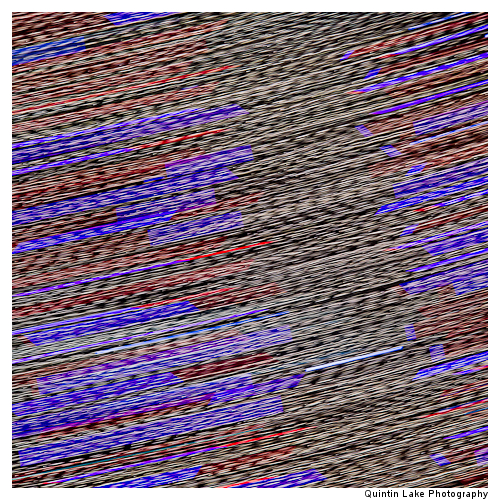
Photographs of Egypt’s Western Desert made during a 10 day trek and 4×4 expedition with desert explorer Sam McConnell. The approach to this work is in part inspired by my earlier abstractions of the River Thames

I have always loved the desert. One sits down on a desert sand dune, sees nothing, hears nothing. Yet through the silence something throbs, and gleams…
Antoine de Saint-Exupéry

Signed limited edition prints available at £195 each (40x40cm). To purchase please contact me. Larger sizes also available

Debenhams, Oxford Street I

Debenhams, Oxford Street I

Regent Street I

Regent Street I

Regent Street II

Regent Street II

Debenhams, Oxford Street III

Debenhams, Oxford Street III

Harrods II.

Harrods II.

Debenhams, Oxford Street II

Debenhams, Oxford Street II

Oxford Street I

Oxford Street I

Selfridges, Oxford Street I

Selfridges, Oxford Street I

Oxford Street II

Oxford Street II

Harrods I

Harrods I

Marks & Spencer, Oxford Street I

Marks & Spencer, Oxford Street I

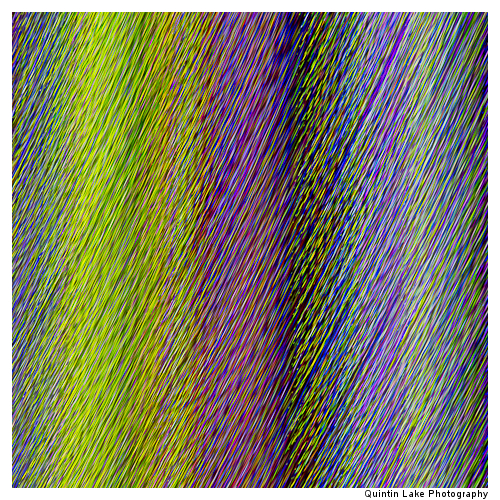
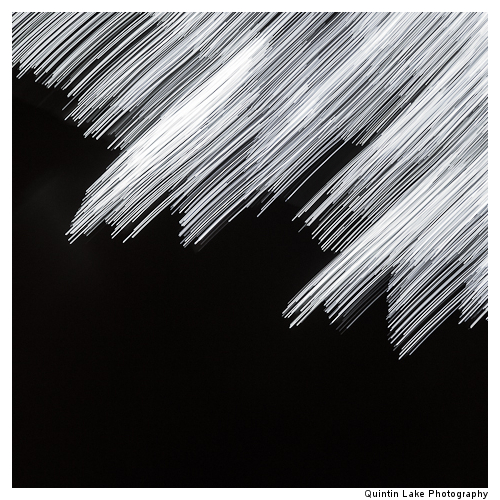
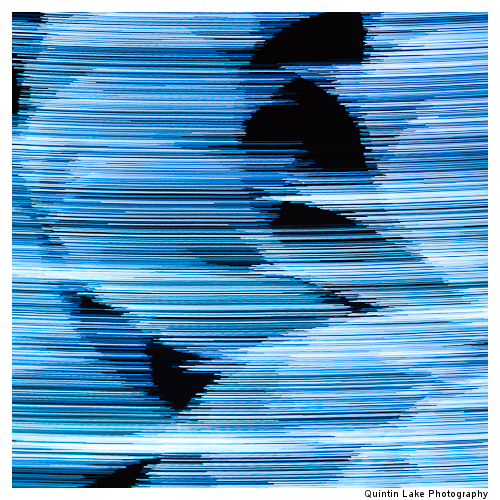
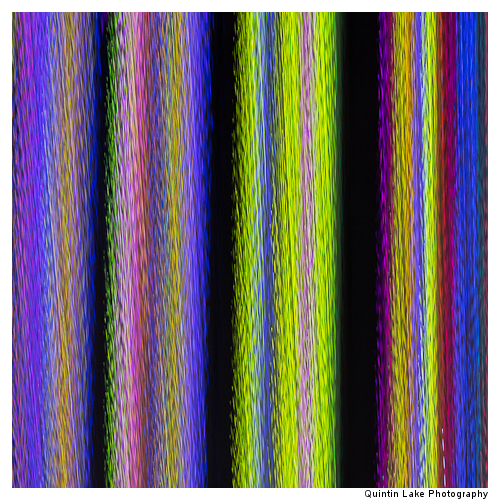
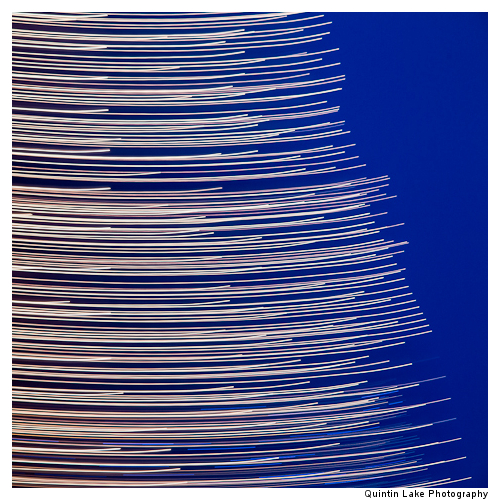
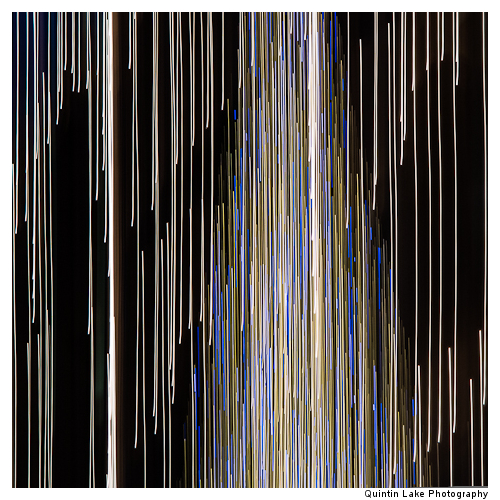
Long exposure photographs of London Christmas Lights around Knightsbridge, Regents Street and Oxford Street. Generated by moving the camera while depressing the shutter release during a long exposure (aka ICM or Intentional Camera Movement)

Wishing you a Merry Christmas!

IMG_1663

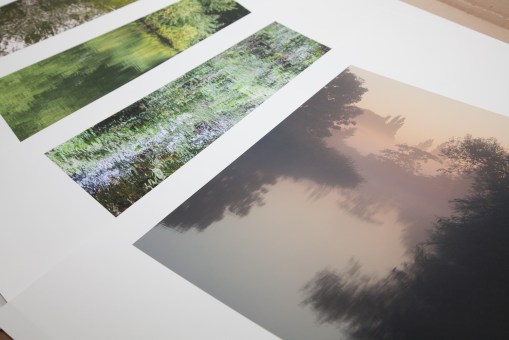
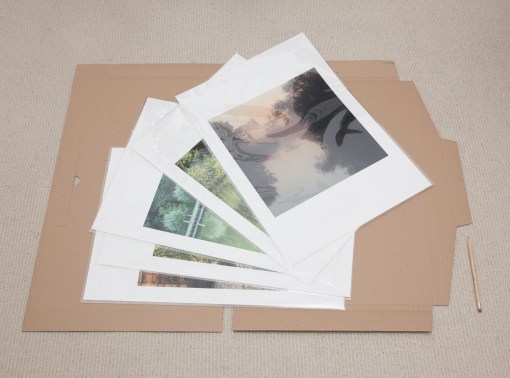
Giclée Prints are prints made with archival inks on matte 100% cotton 308gsm Hahnemühle paper for unsurpassed archival quality. The paper is 42x60cm

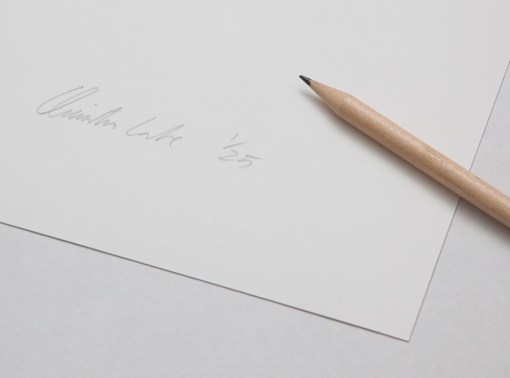
Signed and editioned on the reverse behind the image area.

Signed and editioned on the reverse behind the image area.

Protected in an archival polyester print storage sleeves which allows for easy handling.  A generous border allows trimming to size by the framer to allow for different mounting methods.

Protected in an archival polyester print storage sleeves which allows for easy handling. A generous border allows trimming to size by the framer to allow for different mounting methods.

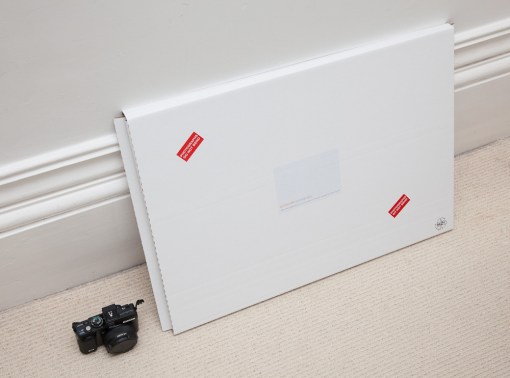
Mailed in a sturdy corrugated cardboard box by special delivery.

Mailed in a sturdy corrugated cardboard box by special delivery.

I’m taking Thames Print orders up to Sat 22nd midday for delivery in time for Christmas . View the full series here

£195 each (40x40cm, Signed limited edition prints) + P&P. To purchase please contact me.

Tim Ashley interviewed me for his fine art photography blog. Here’s a reblog as featured on his website also interesting is his interview with Nadav Sander and post “What is Fine Art Photography” 

Quintin and I first met some years ago at the same crossroads in our photographic careers. It’s a long story but we were both thinking of taking the same big step and, as it happens, neither of us did. But we kept in contact and I became a great fan of his work.

Quintin is ‘mainly’ an architectural photographer: that is the core of his business, his primary bread and butter. But like many photographers, his career is also his passion and his Fine Art work, which often combines elements of his architectural practice with travel, documentary and landscape styles, is a very natural extension of this core practice.

The two series featured here, Chernobyl and Sweet Thames, are very different. Chernobyl is a fusion of architectural discipline, documentary bravery, intrepid travel photography and a Fine Art sensibility. Sweet Thames, one the other hand, is far less structured, more fluid (as befits its theme) and more obviously lyrical. Both avoid cod narrative in favour of a form of quietly passionate dispassion, if that makes sense.

It’s worth adding that it’s not just me that rates his work highly: Quintin has recently been awarded 1st place in the ‘Architecture – Historic’ category for the Chernobyl series in the 2012 International Photography Awards. He also received three honourable mentions in the categories for Fine Art – Landscape, Architecture – Cityscapes and Architecture – Buildings.

The rest of the words that follow are Quintin’s, and I hope you enjoy them and the images as much as I have. Because both series are quite long, I have embedded them as slideshows to expedite loading of this page.

I also recommend Quintin’s blog, where you can see some of his architectural work, as well as more of his landscape and travel photography.

Finally, don’t miss the ‘Methods and Approach’ section at the end. It is brief but highly informative!

Pripyat: 21 years after Chernobyl
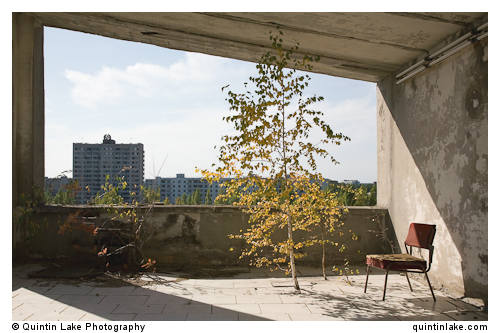
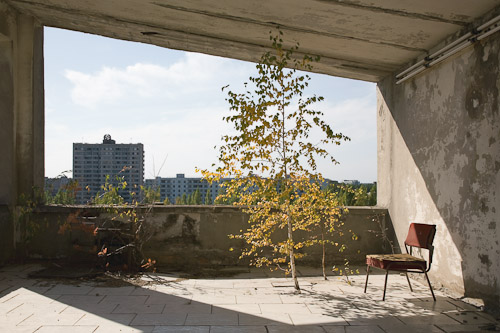
A silver birch tree grows through the floor on the terrace of Hotel Polissia. The hammer and sickle is visable atop the distant appartments.

A silver birch tree grows through the floor on the terrace of Hotel Polissia. The hammer and sickle is visable atop the distant appartments.

When reactor number four at the Chernobyl Nuclear Power Plant exploded in 1986 the result was the worst nuclear accident in history. Large areas of Ukraine, Belarus, and Russia were severely contaminated, requiring the evacuation and resettlement of over 336,000 people.

Pripyat, 1km from the reactor, was designed as an exemplar of Soviet planning for the 50,000 people who worked at the power plant. A funfair, with bumper cars and Ferris wheel, was due to open two days after the reactor exploded.

These photographs, inspired by Robert Polidori’s earlier images of Chernobyl, were shot in 2007 over 5 hours, apparently the safe period of exposure. Although a Geiger counter was carried in case of localised high emissions, certain areas of vegetation which attract a higher concentration of radiation were avoided.

The physical devastation stems from looting and gradual building collapse, not from the explosion. Over the last ten years people have intruded regularly into the military exclusion zone, stealing everything from irradiated toilet seats to the marble cladding from hotel walls. Photographs of the town capture a memory of three traumas: the invisible radiation, the visible looting and the gradual collapse of a ghost town.

See the full series here

Sweet Thames, Run Softly
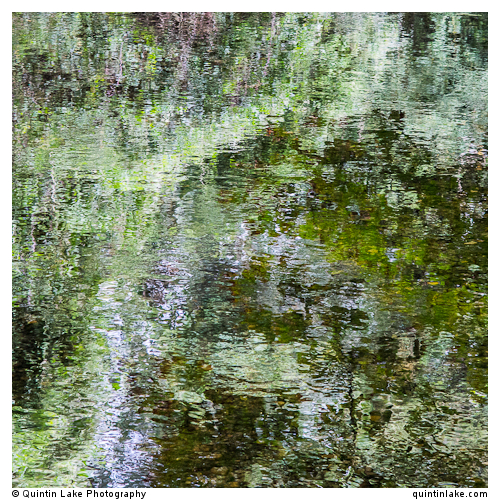
Thames Waters IV5 Miles downstream (near Ashton Keynes)

Thames Waters IV
5 Miles downstream (near Ashton Keynes)

The idea for the project started when watching the first few minutes of Danny Boyle’s Olympic Opening ceremony. Seeing the sped up aerial journey starting at the source of the Thames and ending up in London I immediately realised I wanted to walk the length of the river and try to produce an artwork based on that experience. I’ve recently got married and live with my wife in Cheltenham near the source, my childhood was in Oxford, half way along and I lived in London for seven years as a student so the river has a very personal connection for me. Earlier in the year I’d been in hospital with meningitis and then immediately afterwards witnessed the birth of my son so I started the journey with more sensitively to the notion of the river as a metaphor of life than I might have done otherwise.

I’ve always been a keen long distance walker having backpacked Land’s End to John O’Groats and many of the long distance trails in Britain. I always travel alone and camp, as its cheaper (much cheaper in the Thames valley!) and gives me a greater connection to the landscape and allows me the concentration necessary to think about and notice interesting light for photography. It was surprisingly difficult to camp along the Thames as it relatively populated and I prefer to wild camp so I often pitched after dark and broke camp at dawn. The journey was 170 miles and it took me ten days.

Whenever I work on a photographic project I think of the images as a series, to which I endeavour to give a particular and constant feeling. I never know what this feeling will be before I start a journey which is part of the thrill. In the artic this was the play of light, In Iran it was the architectural symmetry and on the Thames I felt it was the pattern and texture of the water. I purposely cropped out the landmarks to emphasise the difference of the texture and colour of the water. Before I started the journey I would never have thought that the water at the source could look quite so different to the same water as it passed under the M25 bridge.

See the full series here

Practice Statement

I make photographs of things I’ve never seen before. The desire to understand the visual world is the inspiration for my work. Geometry and stillness are qualities of space I’m particularly fascinated by. My background in architecture means I tend to abstract the world in terms of line, surface and form.

My working method involves two parts. Firstly extensive walking and looking, photographing intuitively if a place interests me. Subsequently I’ll edit the material I have collected while thinking consciously about a theme or idea that the images suggest to me.

Methods and Approach

My background was working with a 5×4″ sinar view camera but now, the 20+ megapixel full frame 35mm sensor cameras more than meet the technical demands of the industry (architects, developers and design press). I’m not excited about the new generation of 40 megapixel full frame sensor 35mm cameras as I consider the extra detail excessive and it increases processing time. Far more important than resolution is a flair for composition and light. The cost of buying or hiring a Phase One back and associated digital lenses is not proportional to what the industry pays and this type of camera reduces the propensity to experiment and play which can reduce creativity of composition.

35mm full frame lenses with excellent corner to corner sharpness and low distortion are essential. Tilt shift movements are useful not just for correcting perspective but for shifting the compositional emphasis of a scene. I work with Canon and my preferred lenses are 17mm f4 TS-E L,  24 f4 TS-E L and 70-200 f4 L. The ubiquitous 24-105 f4 L is also fantastically versatile and most of its problems can be removed in Lightroom; the Chernobyl series was shot with this lens as I was so short of time due to fears of radiation exposure. Architectural Photography is particularly sensitive to lens/ body calibration and I send my equipment to be calibrated annually.

Useful techniques for architectural photography depending on the situation are exposure fusion which is a naturalistic version of HDR which increases the dynamic range by blending bracketed exposures. I use LR/Enfuse lightroom plugin for this. For interiors, tethered shooting can be very useful for previewing often complex Lightroom adjustments on the fly. Mirror lock up and a high end tripod and head are essential for pin sharp results. Aperture is best kept no higher than the f8-f14 range to avoid problems with diffraction softening the image. A Hoodman loupe helps focus the manual tilt shift lenses. Wearing a fluorescent worker’s jacket when using a tripod reduces people’s suspicion in urban areas and tends to make people walk quickly past the building. And I always carry a couple of door wedges for interiors photography!
More from Tim Ashley’s blog here

I’m delighted to announce that my work was awarded: 1st place in Architecture – Historic category for the winning entry “Pripyat: 21 Years After Chernobyl” in the 2012 International Photography Awards. I also received three honourable mentions in the categories for Fine Art – Landscape, Architecture – Cityscapes and Architecture – Buildings.

21 years after the Chernobyl Nuclear Power Plant exploded these images of the town capture a memory of three traumas: the invisible radiation, the visible looting and the gradual collapse of a ghost town.

Click the images below to visit my online gallery to view larger or purchase a print

A silver birch tree grows through the floor on the terrace of Hotel Polissia.

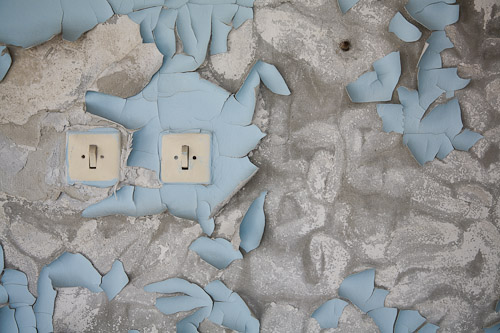
Light switches in a bedroom of Hotel Polissia.

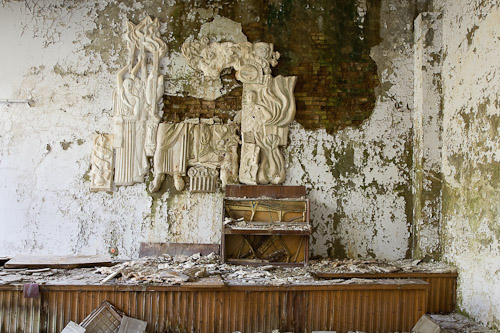
Concert hall with water damaged soviet relief sculpture and piano.

Light shines across climbing bars and broken basketball hoop in a gymnasium.

Lobby of Hotel Polissia. Marble wall cladding has been removed by looters.

The 2012 International Photography Awards received nearly 15,000 submissions from 103 countries across the globe. IPA is a sister-effort of the Lucie Foundation, where the top three winners are announced at the annual Lucie Awards gala ceremony. The Foundation’s mission is to honor master photographers, to discover new and emerging talent and to promote the appreciation of photography. Since 2003, IPA has had the privilege and opportunity to acknowledge and recognize contemporary photographers’ accomplishments in this specialized and highly visible competition. Visit www.photoawards.com for more details.