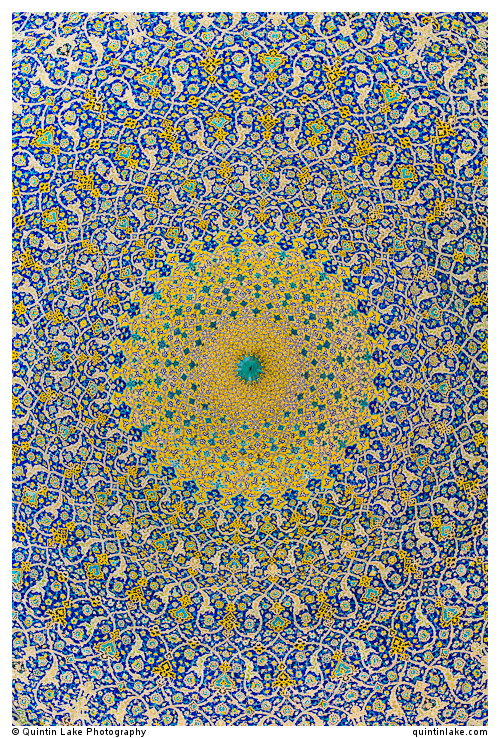
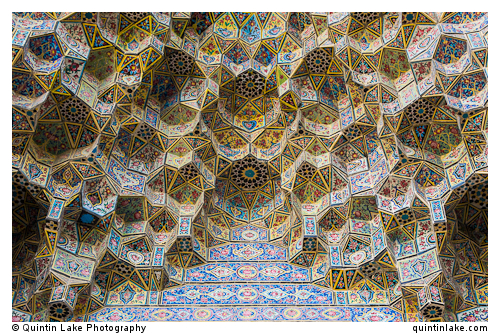
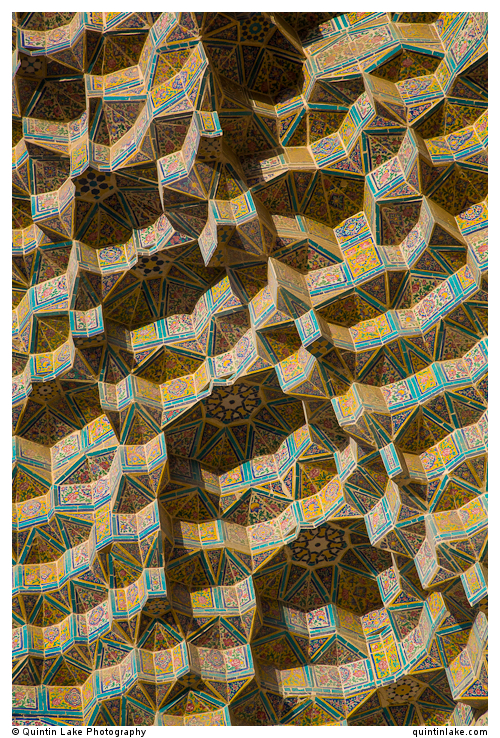
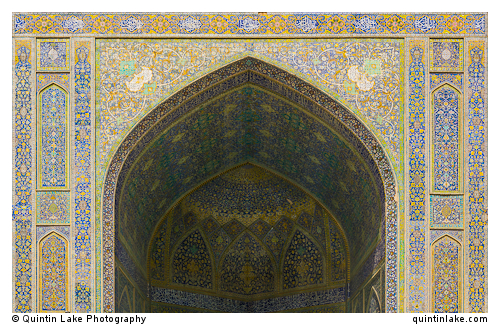
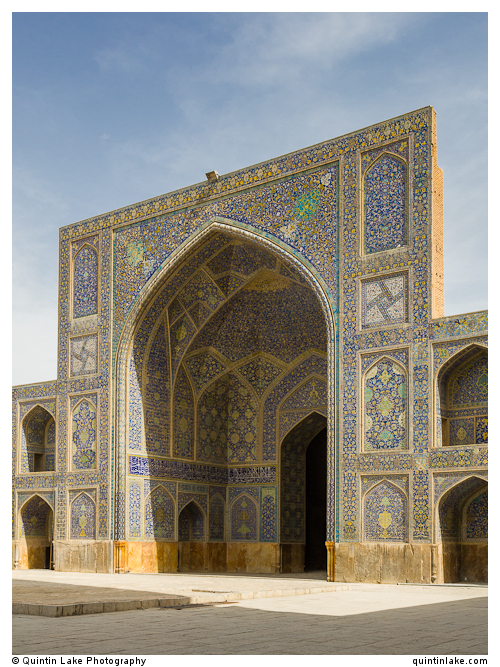
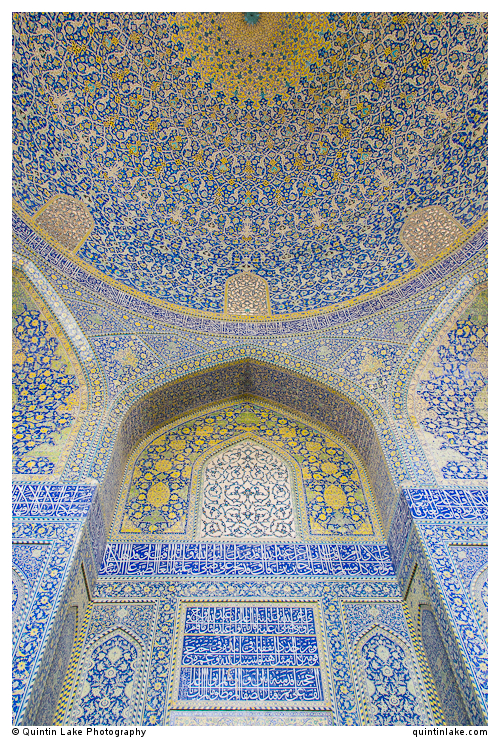
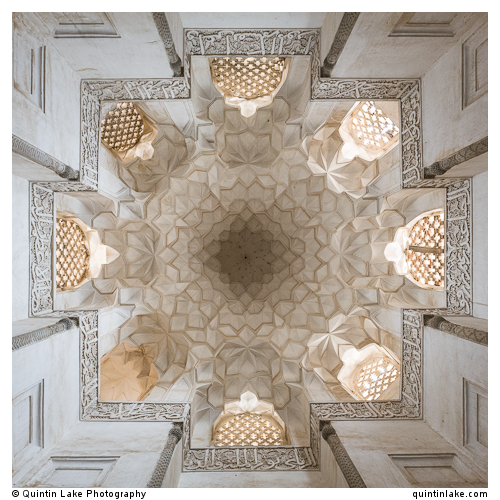
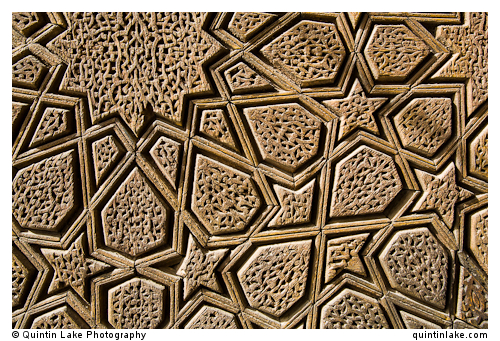
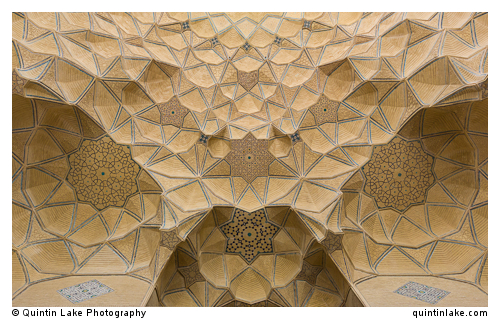
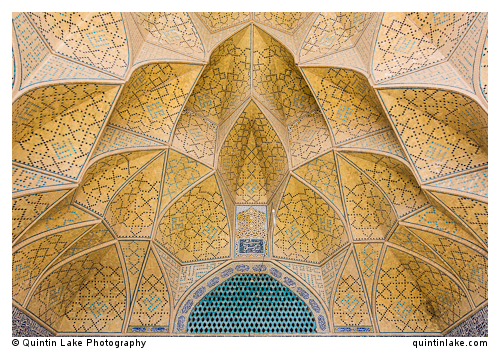
I’ve spent much time in the Islamic world photographing the masterpieces of Islamic Architecture so its fascinating to see this simple and concise explanation of the geometry behind the seemingly infinitely complex designs such as these from Iran below.
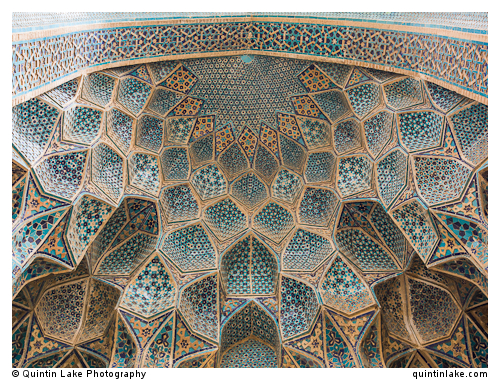
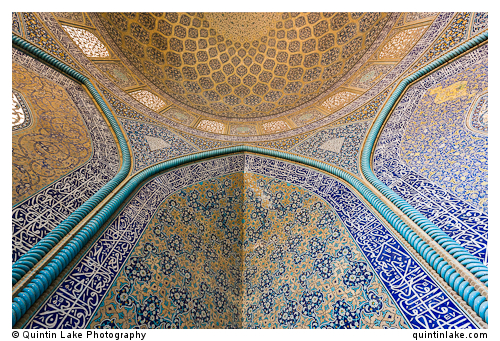
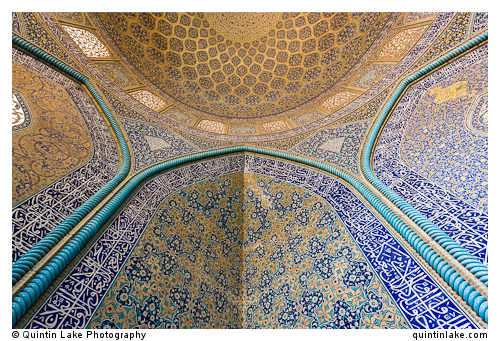
Sheikh Lotfallah Mosque was completed in 1619 after nearly 20 years of construction by Architect Shaykh Bahai. Today, the mosque stands as a magnificent and detailed public work. However, when it was originally built it was a private and luxurious place of worship for Shah Abbas I and the women of his court.

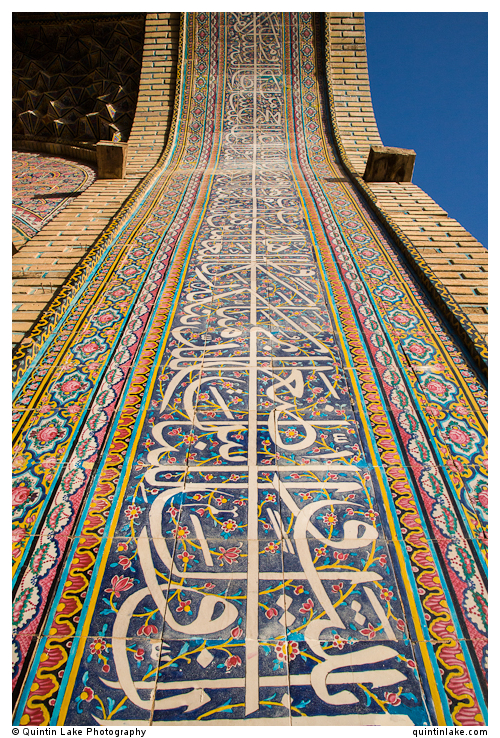
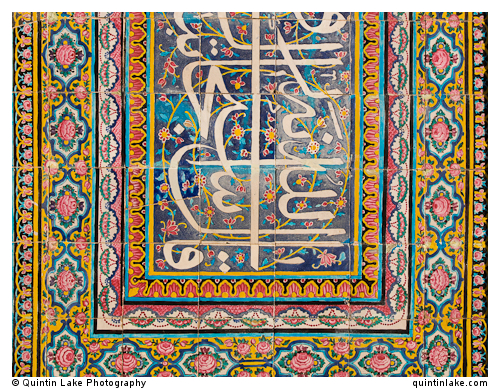
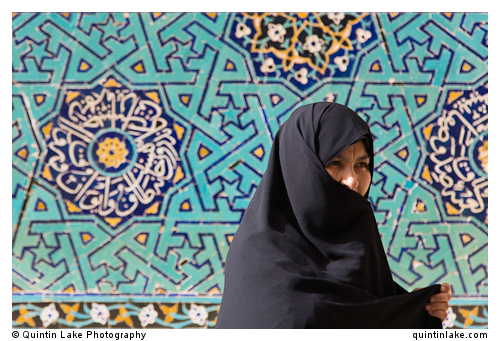
Glazed tile Inscription dating from the 19th century in the northern iwan (semiopen.space on the edge of a courtyard wall), Nasir-al-Mulk Mosque. Flexible timber, visible poking out of the wall at the top of the image, is used for earthquake resistance. The text is from Al Imran, the 3rd chapter of the Koran
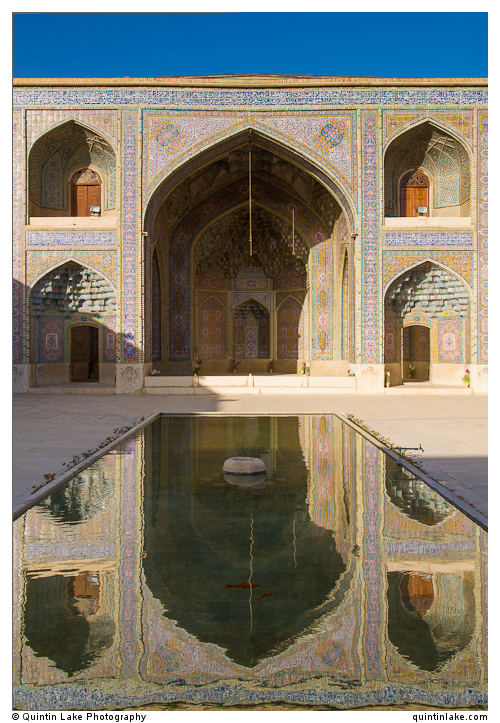
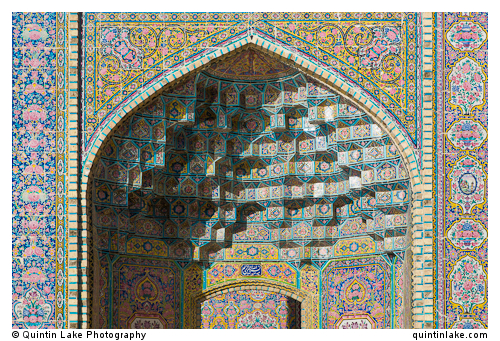
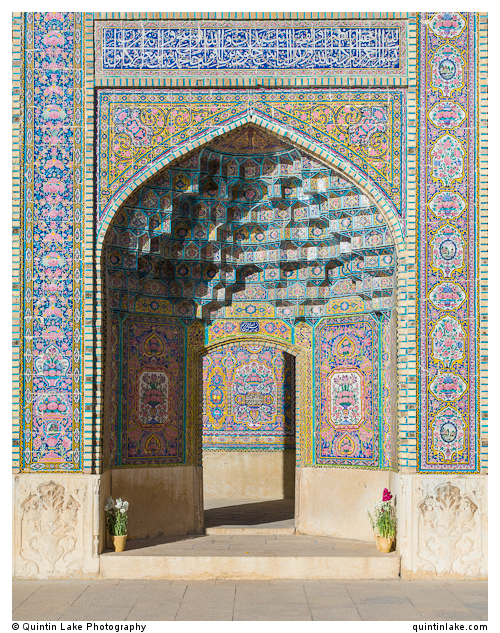
Nasir al-Mulk Mosque, (aka the Pink Mosque) Shiraz, Iran is unique and delightful for the widespread use of pink tiling in the decoration. Built 1876 -1888. Architects: Muhammad Hasan-e-Memar and Muhammad Reza Kashi Paz-e-Shirazi.
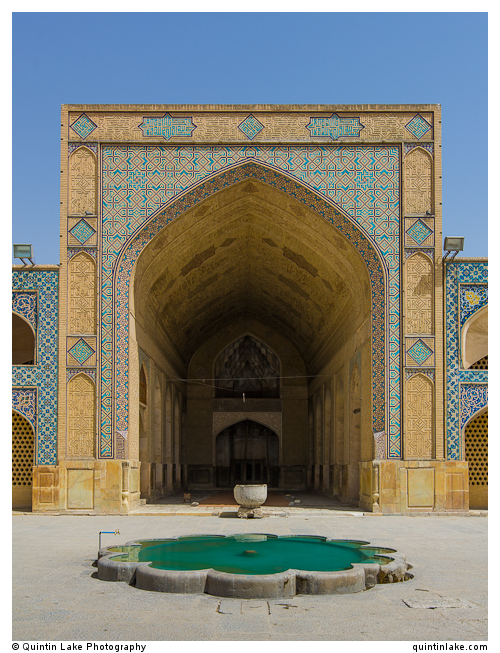
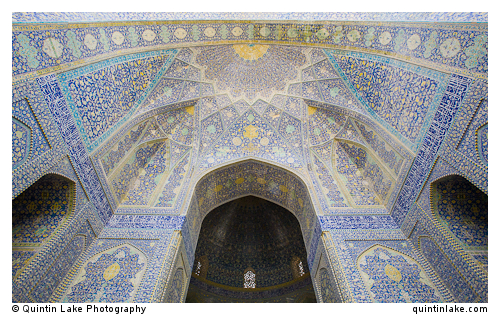
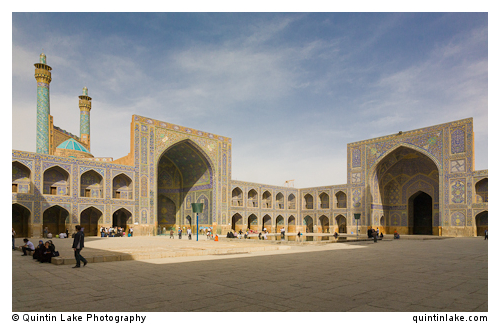
Built during the Safavid period between 1611 to 1629 by architect Shaykh Baha, the Imam Mosque of Isfahan it is an excellent example of Islamic architecture of Iran, and regarded as one of the masterpieces of Persian Architecture. It is registered, along with the Naghsh-i Jahan Square, as a UNESCO World Heritage Site. Although the Imam mosque is massive and initially impressive, in my view the neighbouring Sheikh Lotf Allah Mosque and the Jameh Mosque of Isfahan are of greater scuptural subtlety and sublime geometrical beauty.
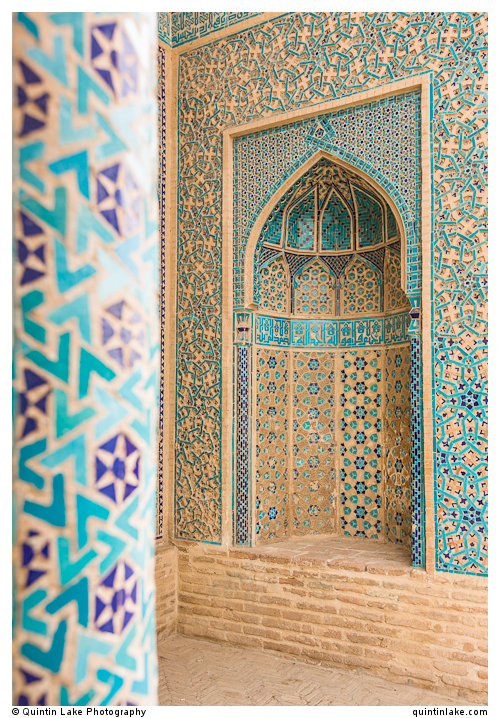
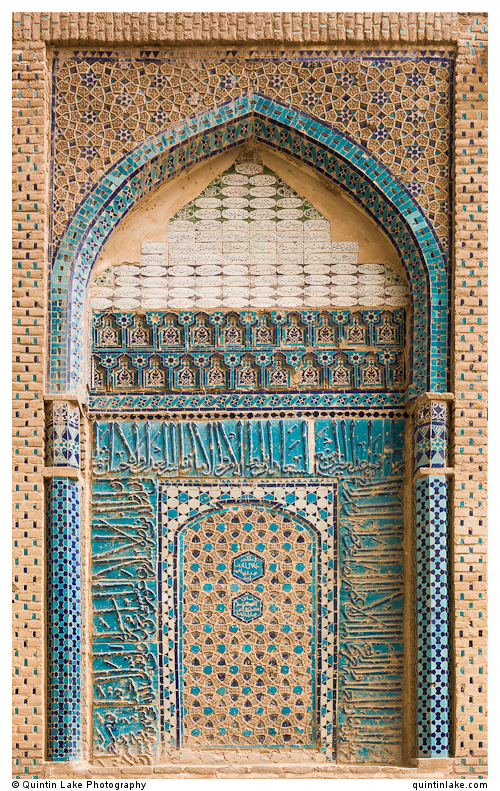
Natanz gets in the news as the location of Iran’s nuclear facility but much more interesting is the beautiful Abdolsamad Tomb & Mosque. This is a large funerary complex which has grown up organically around the tomb of Abd al-Samad, a follower of the famous Sufi saint Abu Said who died in 1049. The central feature of the site is the octagonal tomb around which is built a four-iwan congregational mosque dated to 1309. Internally the tomb is a cruciform chamber which is converted to an octagon at roof level. The roof is a blue-tiled octagonal pyramid dome outside and internally comprises a tall muqarnas vault.
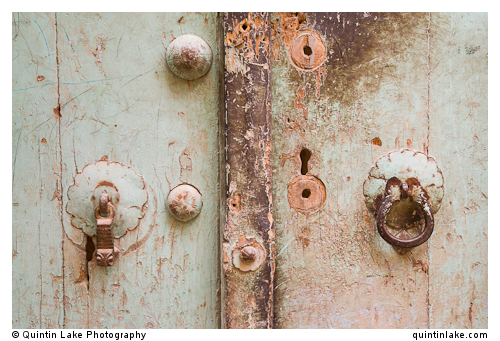
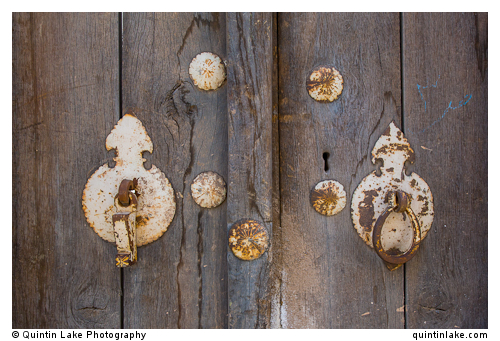
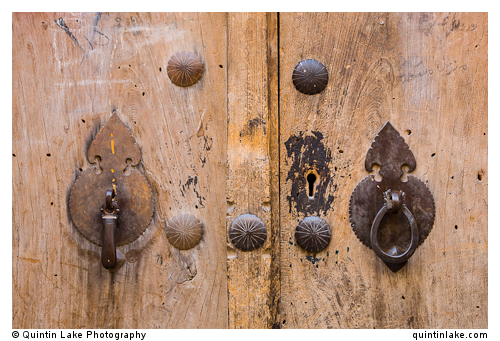
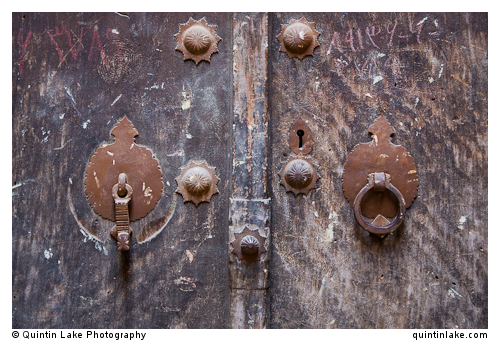
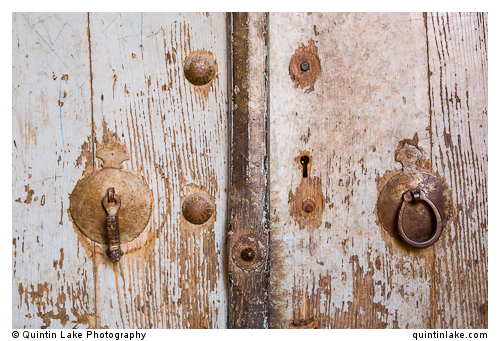
His and hers door knockers, Yazd, Iran. The masculine door knocker is rigid and heavy that makes a strong sound. People inside the house wil be informed that a man is behind the door. The feminine door knocker is curly and ring like and makes a lighter sound. It informs the people inside the house that a woman is behind the door. This system is in place due to the Islamic custom that women should be private from men except their intimate ones.

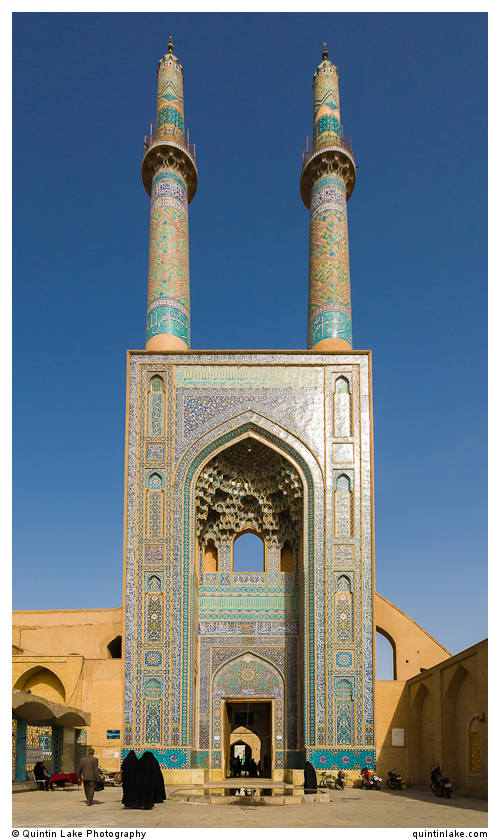
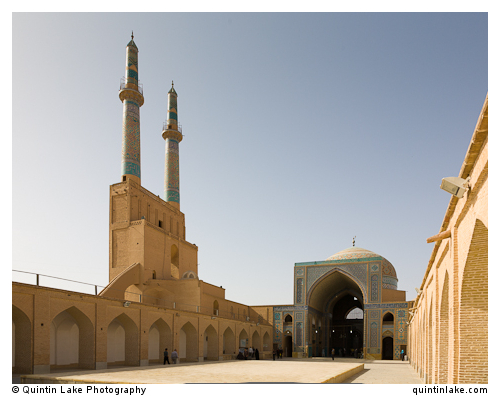
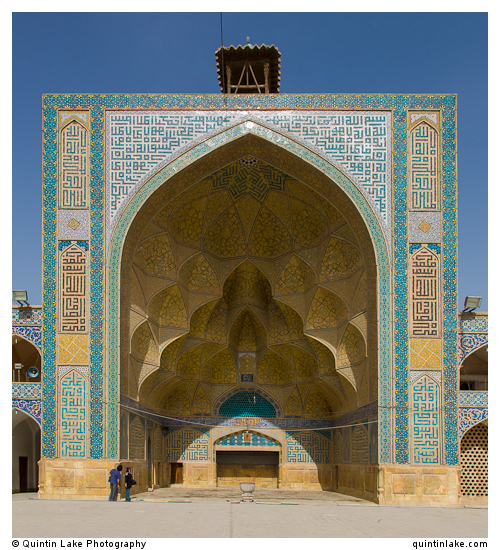
The grand iwan of the Jameh Mosque of Yazd is crowned by a pair of minarets, the highest in Iran, and the portal’s facade is decorated from top to bottom in dazzling tile work.
The Jameh Mosque of Yazd (Persian: Masjid-e-JÄmeh Yazd) is the grand, congregational mosque (JÄmeh) of Yazd, Iran. Built 12-14th Century. The grand iwan of the mosque is crowned by a pair of minarets, the highest in Iran, and the portal’s facade is decorated from top to bottom in dazzling tile work, predominantly blue in colour.
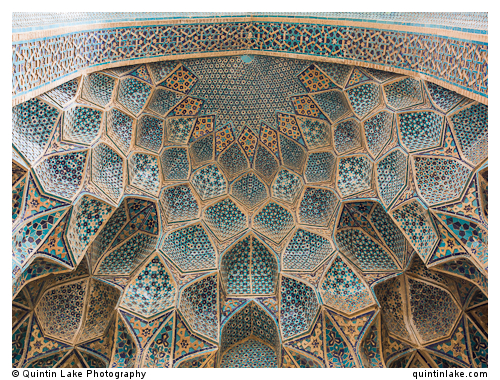
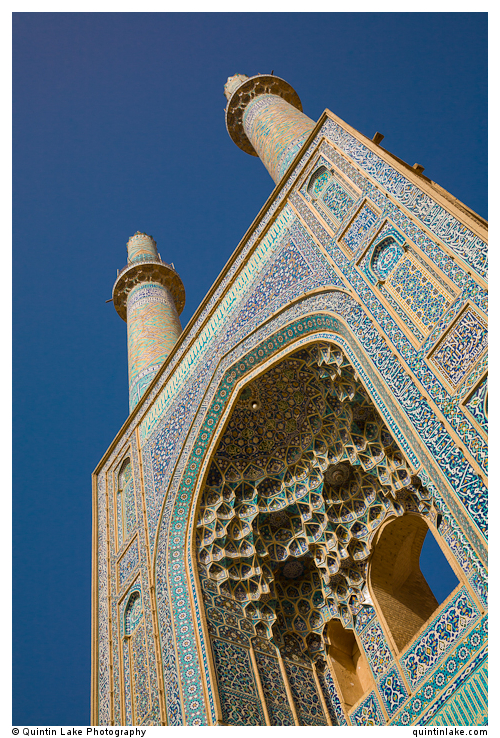
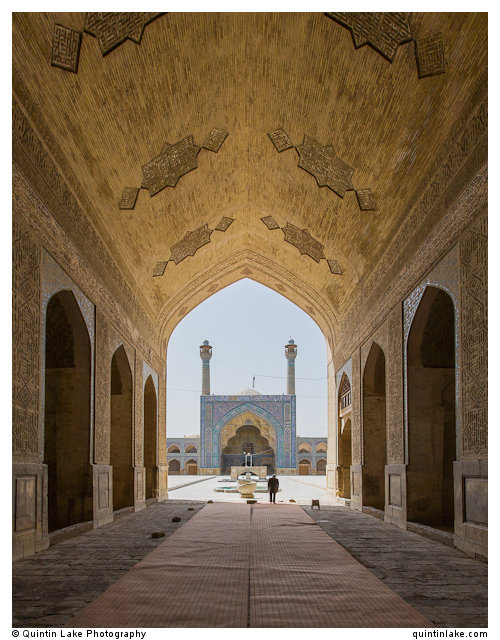
The Jameh Mosque is the congregational mosque (Jameh) of Isfahan city, Iran (Persian: مسجد جامع اصفهان – Masjid-e-Jāmeh). The mosque is the result of continual construction and reconstruction from around 771 to the end of the 20th century making it one of the oldest mosques still standing in Iran. I felt the Muqarnas (decorative corbels) are amongst the most beautiful in Islamic architecture for their sublime combination of subtle colour, complex geometry and heavily sculptural form.
Click Here for More from this Photoshoot >>
All images available as prints or for publication / licensing contact me for pricing.