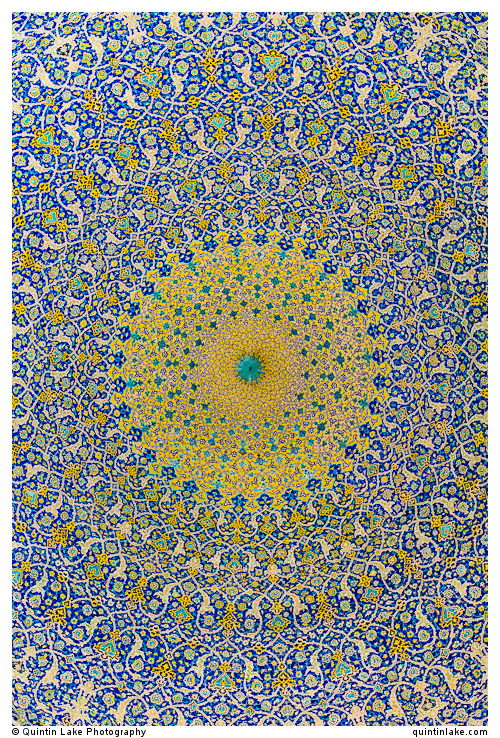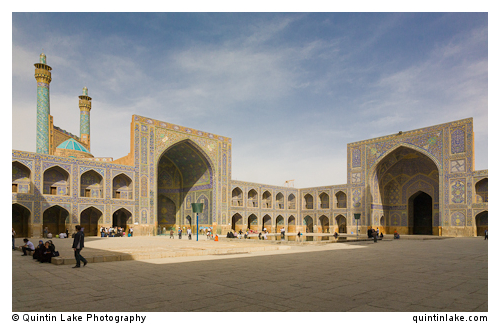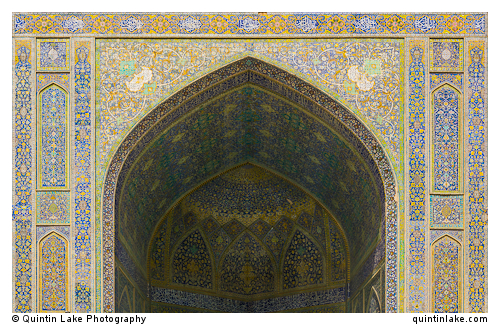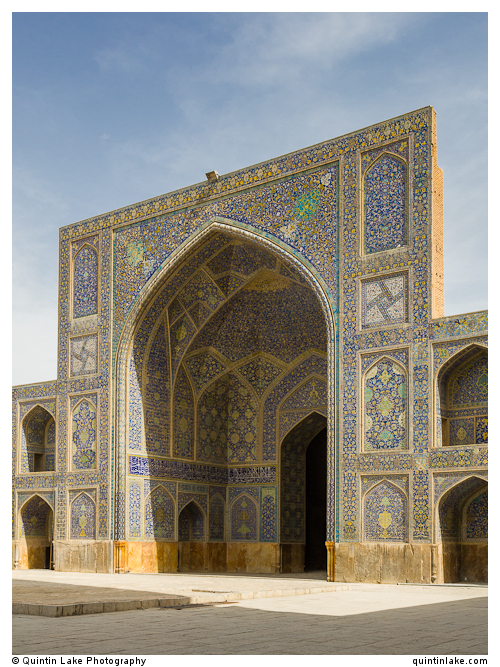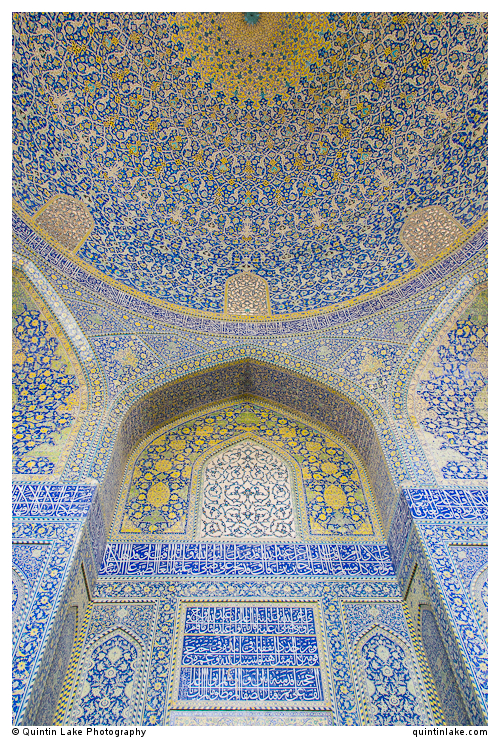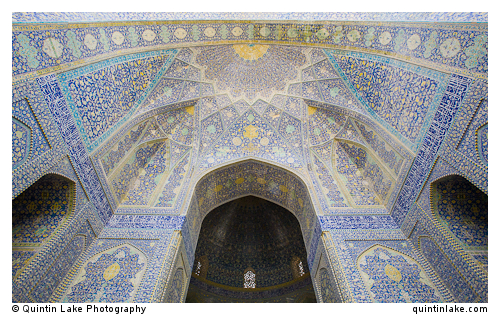
Built during the Safavid period between 1611 to 1629 by architect Shaykh Baha, the Imam Mosque of Isfahan it is an excellent example of Islamic architecture of Iran, and regarded as one of the masterpieces of Persian Architecture. It is registered, along with the Naghsh-i Jahan Square, as a UNESCO World Heritage Site. Although the Imam mosque is massive and initially impressive, in my view the neighbouring Sheikh Lotf Allah Mosque and the Jameh Mosque of Isfahan are of greater scuptural subtlety and sublime geometrical beauty.

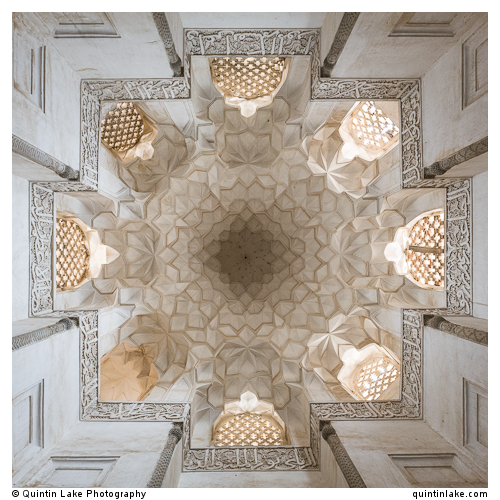
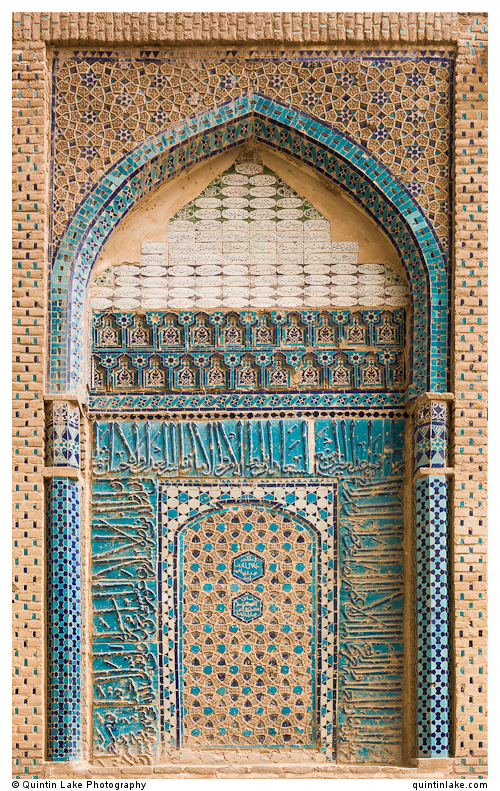
Natanz gets in the news as the location of Iran’s nuclear facility but much more interesting is the beautiful Abdolsamad Tomb & Mosque. This is a large funerary complex which has grown up organically around the tomb of Abd al-Samad, a follower of the famous Sufi saint Abu Said who died in 1049. The central feature of the site is the octagonal tomb around which is built a four-iwan congregational mosque dated to 1309. Internally the tomb is a cruciform chamber which is converted to an octagon at roof level. The roof is a blue-tiled octagonal pyramid dome outside and internally comprises a tall muqarnas vault.
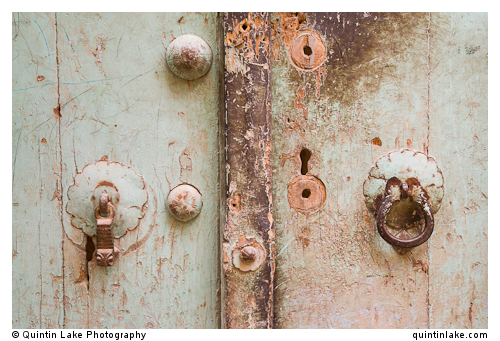
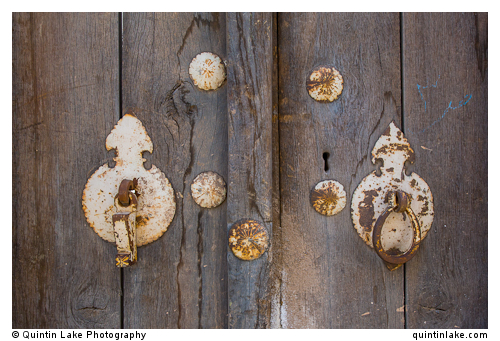
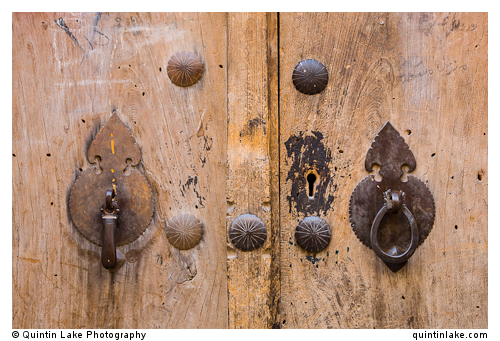
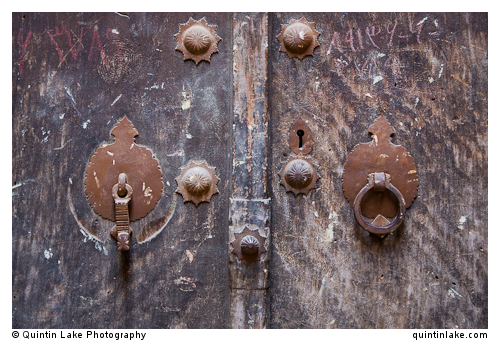
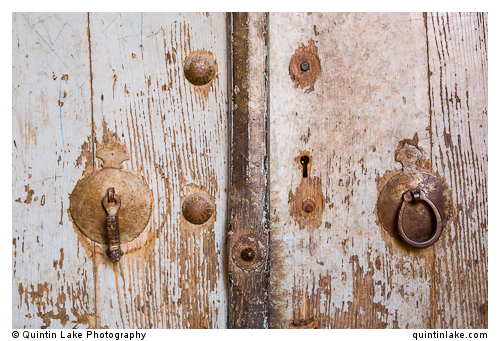
His and hers door knockers, Yazd, Iran. The masculine door knocker is rigid and heavy that makes a strong sound. People inside the house wil be informed that a man is behind the door. The feminine door knocker is curly and ring like and makes a lighter sound. It informs the people inside the house that a woman is behind the door. This system is in place due to the Islamic custom that women should be private from men except their intimate ones.

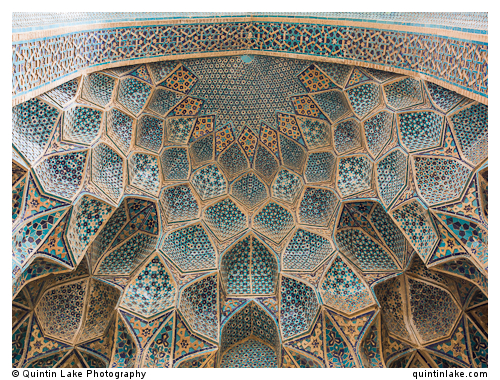
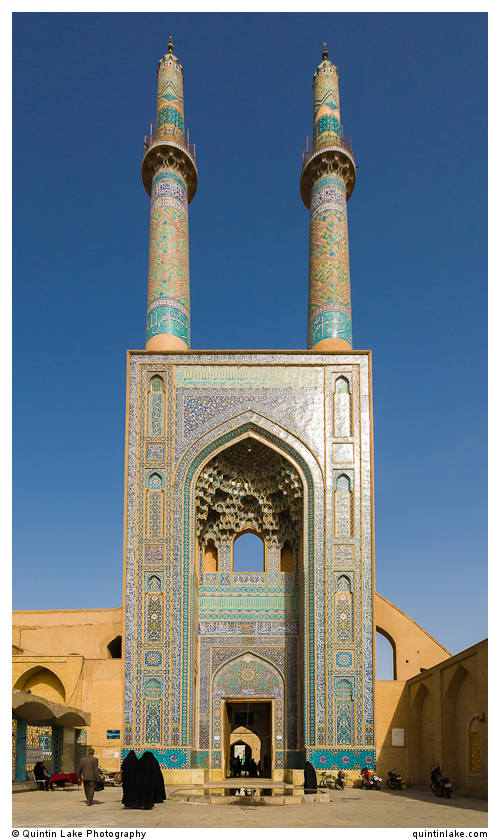
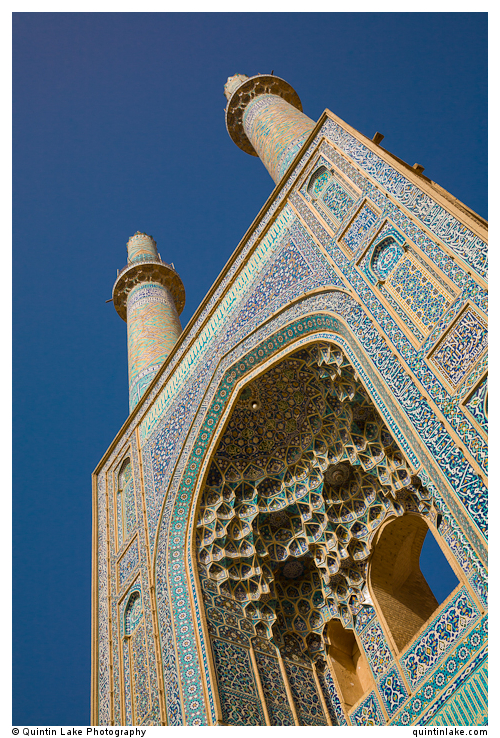
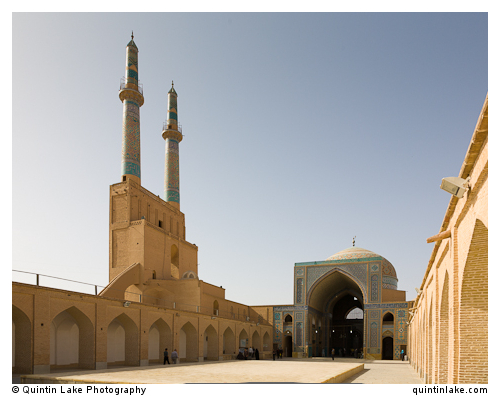
The grand iwan of the Jameh Mosque of Yazd is crowned by a pair of minarets, the highest in Iran, and the portal’s facade is decorated from top to bottom in dazzling tile work.
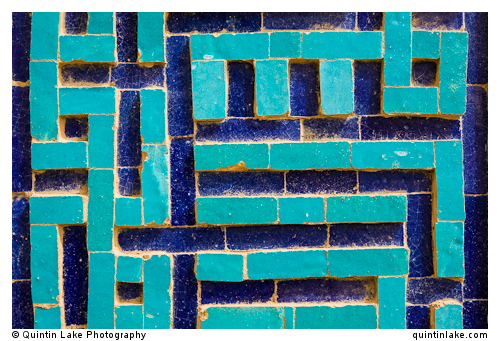
The Jameh Mosque of Yazd (Persian: Masjid-e-JÄmeh Yazd) is the grand, congregational mosque (JÄmeh) of Yazd, Iran. Built 12-14th Century. The grand iwan of the mosque is crowned by a pair of minarets, the highest in Iran, and the portal’s facade is decorated from top to bottom in dazzling tile work, predominantly blue in colour.

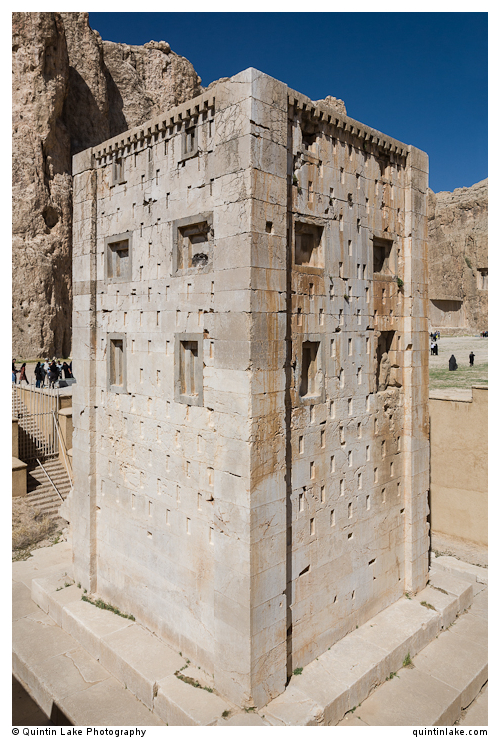
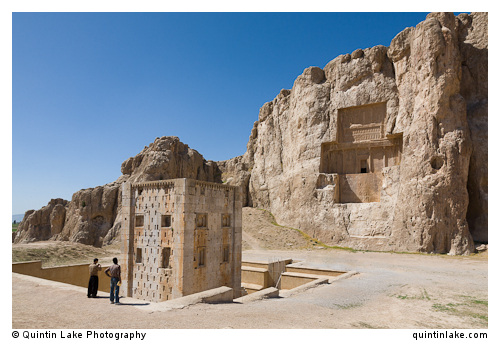
The Ka’ba-ye Zartosht meaning the “Cube of Zoroaster,”which is a 5th century B.C.E. Achaemenid-era tower-like construction at Naqsh-e Rustam, an archaeological site just northwest of Persepolis, Iran. This enigmatic structure is one of many surviving examples of the achaemenid architectural design.
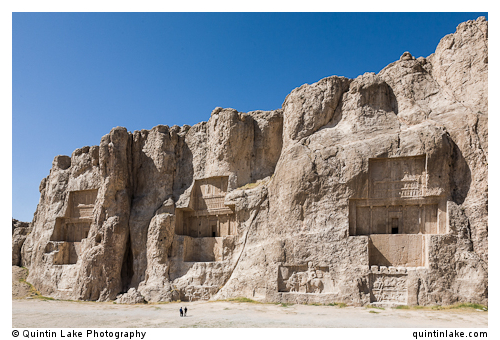
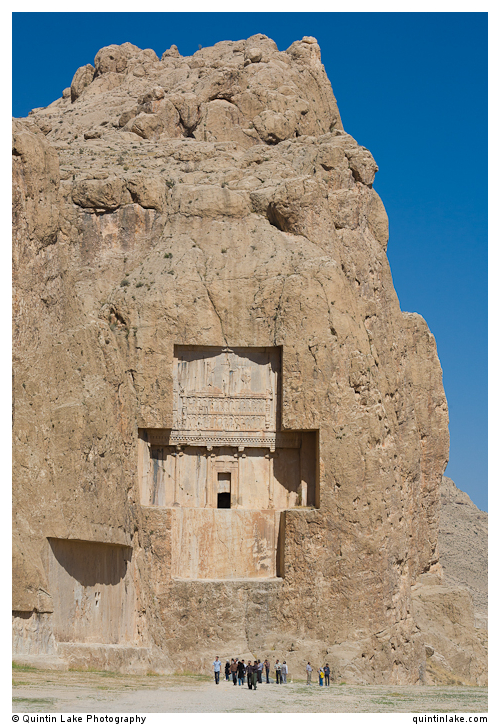
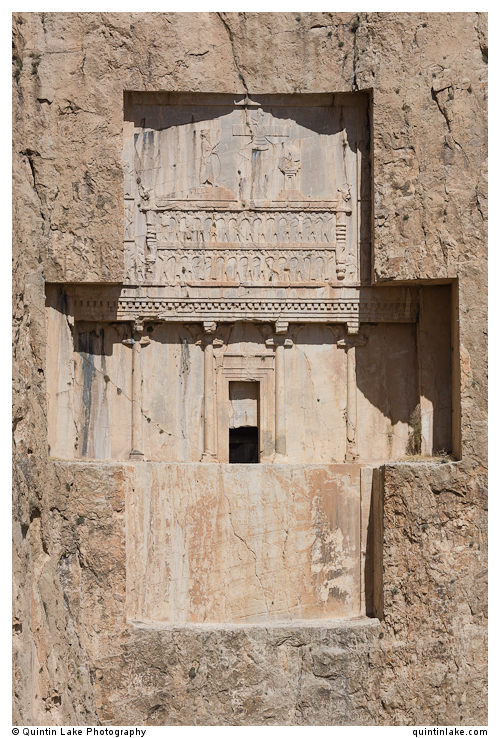
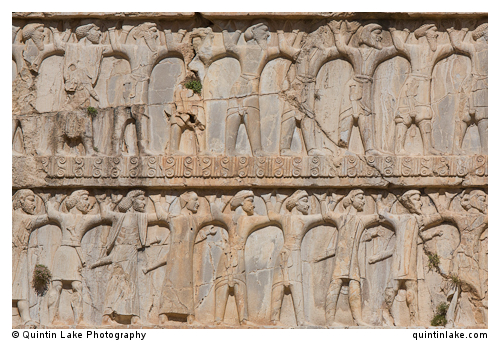
Achaemenid Tombs at Naqsh-e Rustam, also referred to as the Necropolis of the Persian crosses. The four tombs belonging to the Achaemenid kings are carved out of the rock face with the entrance to each tomb at the center of each cross, this opens onto to a small chamber, where the king lay in a sarcophagus. The horizontal beam of each of the tomb’s facades is believed to be a replica of the entrance of the palace at Persepolis. One of the tombs is that of Darius I the Great (c. 522-486 BC). The other three tombs are believed to be those of Xerxes I (c. 486-465 BC), Artaxerxes I (c. 465-424 BC), and Darius II (c. 423-404 BC) respectively.

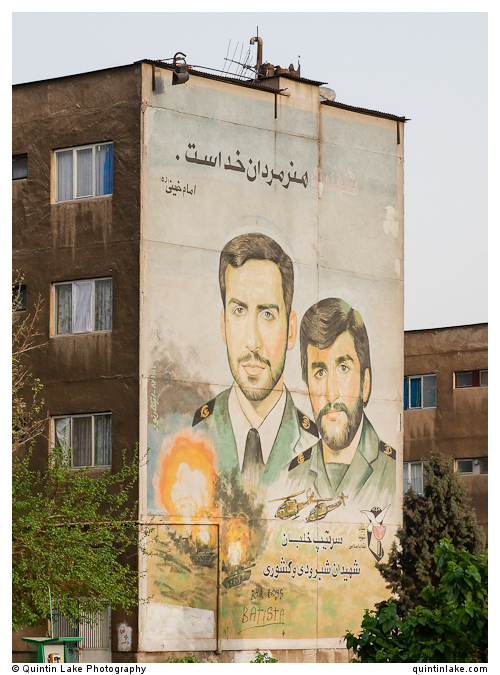
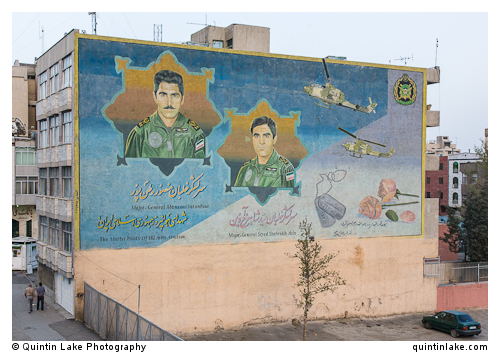
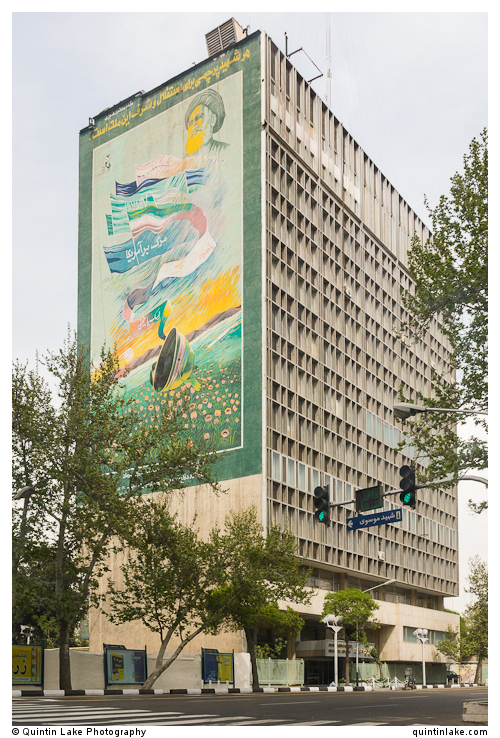
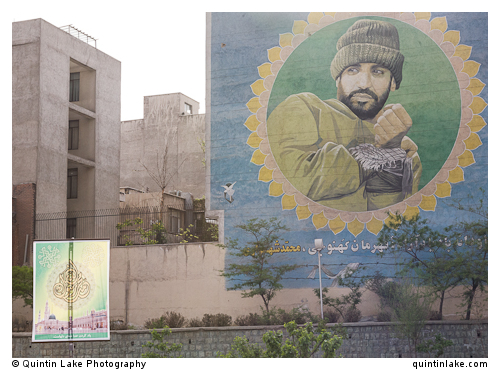
Mural text reads “Martyrdom is the art of the men of God”. Imam Khomeini” and “Generals Shiroodi and Keshvari”

Mural text reads “The Martyr Pilots of IRI Army Aviation: Major-General Mansour VatanPour, Major-General Seyed Shahrokh Azin”,

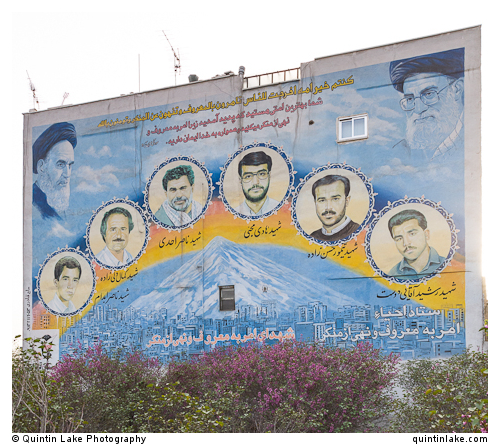
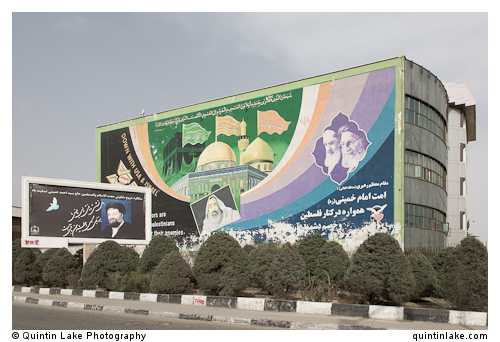
Obscured English text reads “Down with USA & Israel. His excellency the leader: Imam Khomeini’s followers are always supporting Palestinians and fight their enemies”
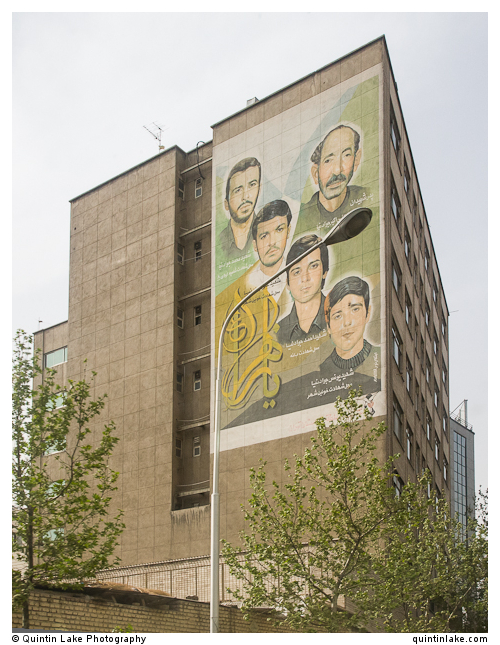
Murals commemorating martyrs of the Iran-Iraq war (1980-1988) Tehran, Iran, 2008. Please let me know if you can help translating the Farsi in the images above where no translation is shown.
Click Here for More from this Photoshoot >>
All images available as prints or for publication / licensing contact me for pricing.
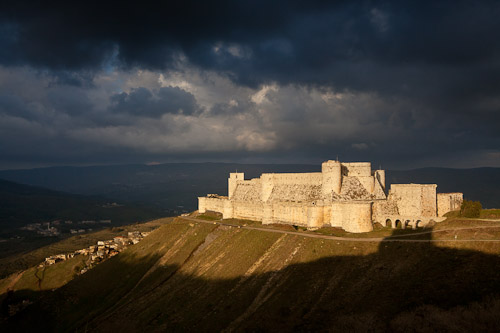
“The Krak of the Knights [Krak des Chevaliers], described by T.E. Lawrence as ‘the best preserved and most wholly admirable castle in the world,’ is the easternmost of a chain of five castles sited so as to secure the Homs Gap…The castle stands upon a southern spur of the Gebel Alawi, on the site of an earlier Islamic ‘Castle of the Kurds.’ In 1142 it was given by Raymond, Count of Tripoli, into the care of the Knights Hospitallers, and it was they who, during the ensuing fifty years, remodelled and developed it as the most distinguished work of military architecture of its time.”Sir Banister Fletcher. A History of Architecture
Click Here for More from this Photoshoot >>
Photographs © Quintin Lake