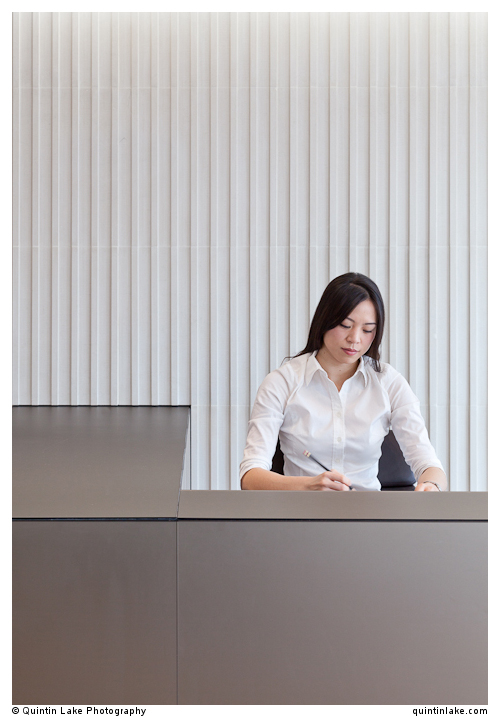
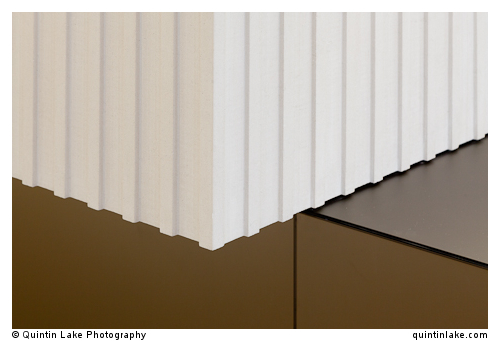

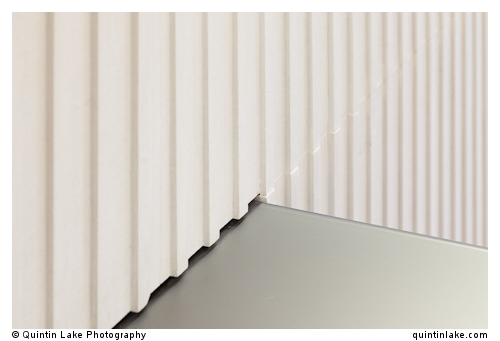
Assignment for architects Data Nature Associates to document their bespoke glass and portland stone office interior in London.
Assignment for architects Data Nature Associates to document their bespoke glass and portland stone office interior in London.
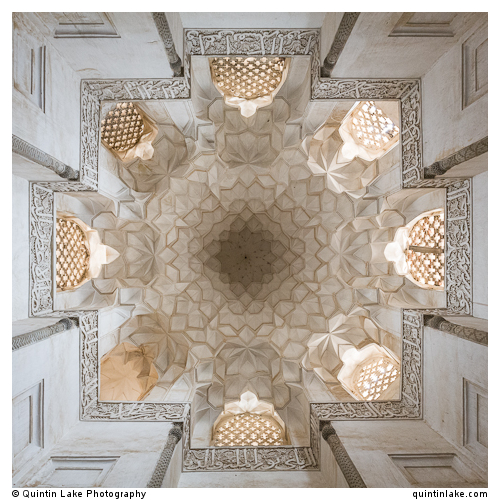
Interior of Octagonal Pavilion Tomb of the Sheikh Abdolsamad, Natanz, Iran.
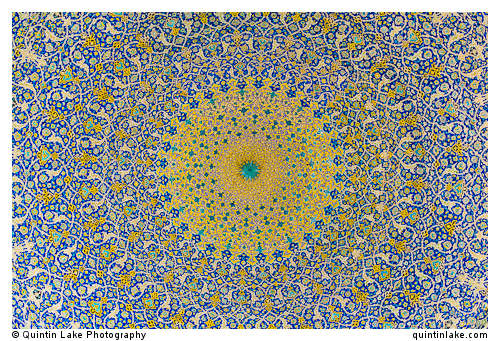
Dome of the main sanctuary. Imam Mosque (Masjed-e Imam), is a mosque in Isfahan, Iran standing in south side of Naghsh-i Jahan Square. Built 1611 – 1629. Architect: Shaykh Bahai
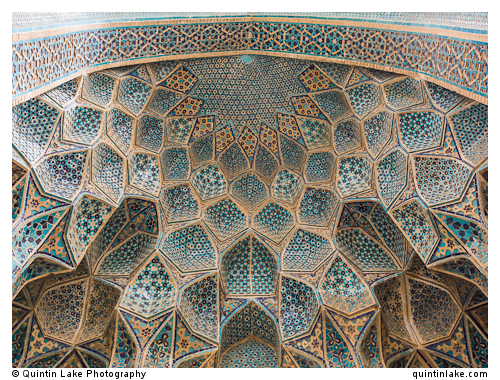
Detail view of khanqah portal; muqarnas semi-dome, Shaykh ‘Abd al-Samad Mosque, Natanz, Iran.
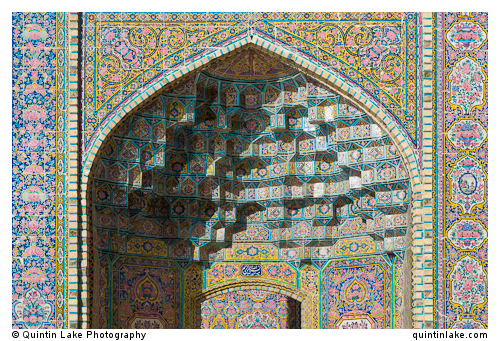
Ceramic tiles ceiling decorating a vault at Nasir al-Mulk Mosque, (aka the Pink Mosque) Shiraz, Iran. Built 1876 -1888. Architects: Muhammad Hasan-e-Memar and Muhammad Reza Kashi Paz-e-Shirazi.
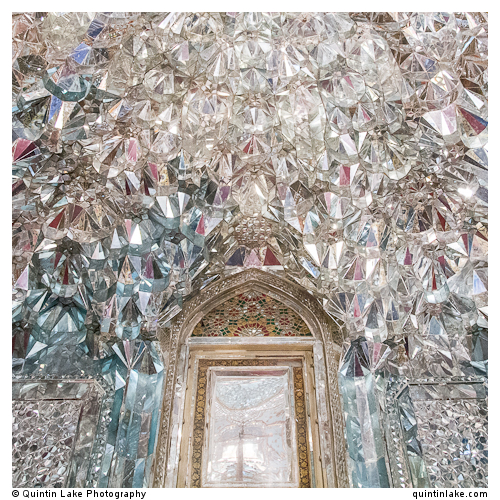
Mirrored muqarnas (decorative corbel) in the Hall of Diamonds (Talar-e Almas) in the Golestan Palace, Tehran. It is called Hall of Diamonds because of the exceptional mirror work inside the building. The construction of this hall dates to the time of Fath Ali Shah (circa1806). Tehran, Iran
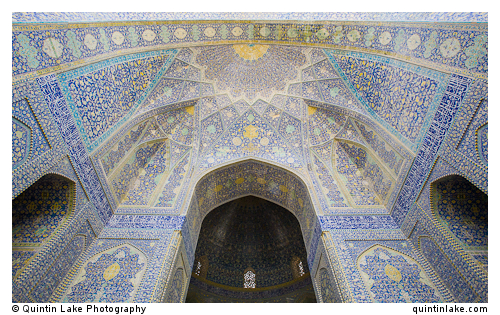
South Iwan, entrance to main sanctuary. Imam Mosque (Masjed-e Imam), is a mosque in Isfahan, Iran standing in south side of Naghsh-i Jahan Square. Built 1611 – 1629. Architect: Shaykh Bahai
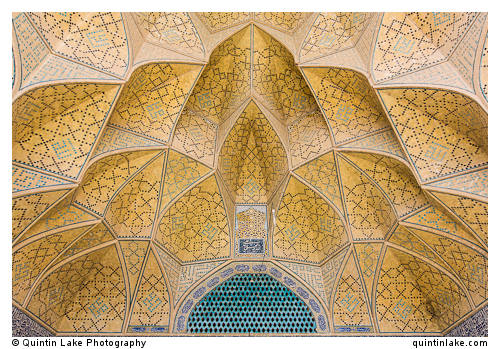
Muqarnas (decorative corbel) Jameh Mosque aka The Congregational Mosque of Isfahan built from 771 to the end of the 20th century. Isfahan, Iran
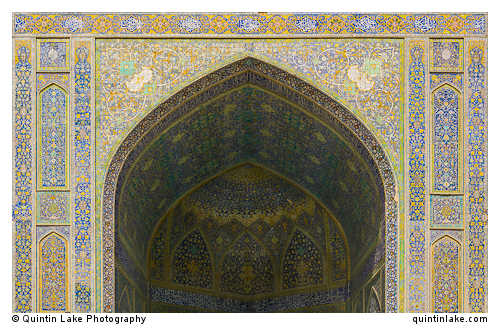
North iwan coverd in polychromatic tiles. Imam Mosque (Masjed-e Imam), is a mosque in Isfahan, Iran standing in south side of Naghsh-i Jahan Square. Built 1611 – 1629. Architect: Shaykh Bahai
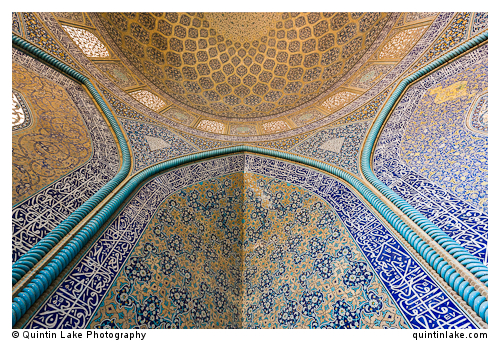
Interior of Dome of Sheikh Lotf Allah Mosque, Naghsh-i Jahan Square, Isfahan, Iran. Built 1603 -1618. Architect: Shaykh Bahai
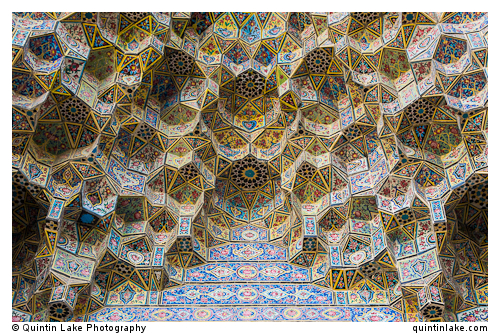
Ceramic tiles ceiling decorating a vault at Nasir al-Mulk Mosque, (aka the Pink Mosque) Shiraz, Iran. Built 1876 -1888. Architects: Muhammad Hasan-e-Memar and Muhammad Reza Kashi Paz-e-Shirazi.
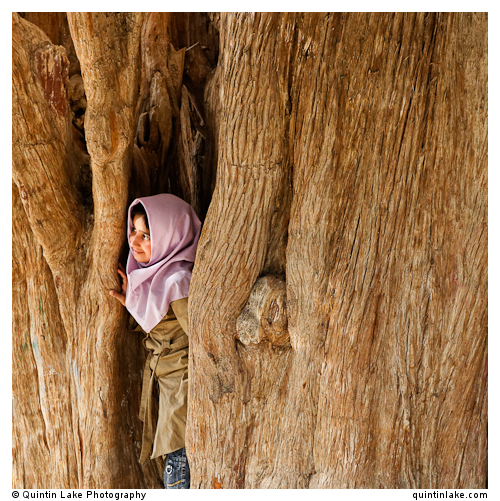
An Iranian girl looks out from the trunk of Sarv-e Abar-Kuh “cypress of Abar-Kuh”, also called the Zoroastrian Sarv, is a Cupressus sempervirens tree in Abarkuh, Yazd Iran. It is estimated to be over four thousand years old and may be the oldest living thing in Asia.
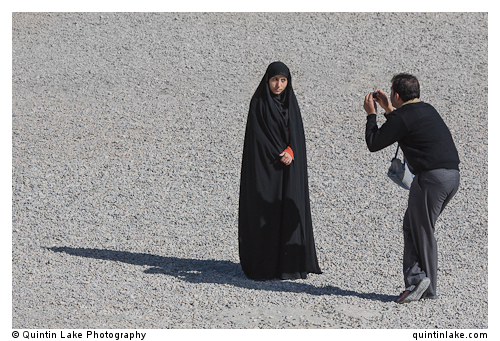
A lady wearing a chador posing for a photo at Persepolis. Persepolis was the ceremonial capital of the Persian Empire (550-330 BC) during the Achaemenid dynasty. Persepolis, Iran
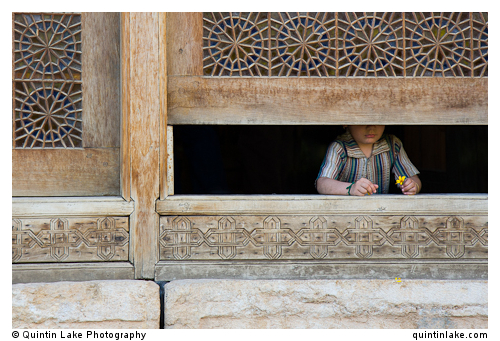
A girl at the window of The Arg (Citadel) of Karim Khan, Shiraz, Iran
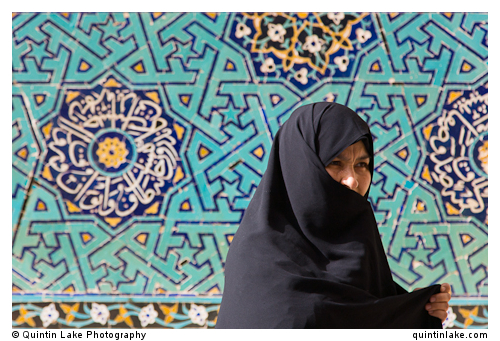
A woman wearing a chador walks past the blue tile work of the the Jameh Mosque of Yazd, Iran
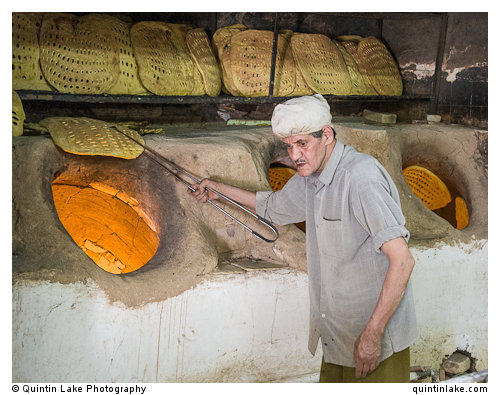
Baker taking bread out of his tandoor oven at his bakery in Yazd, Iran
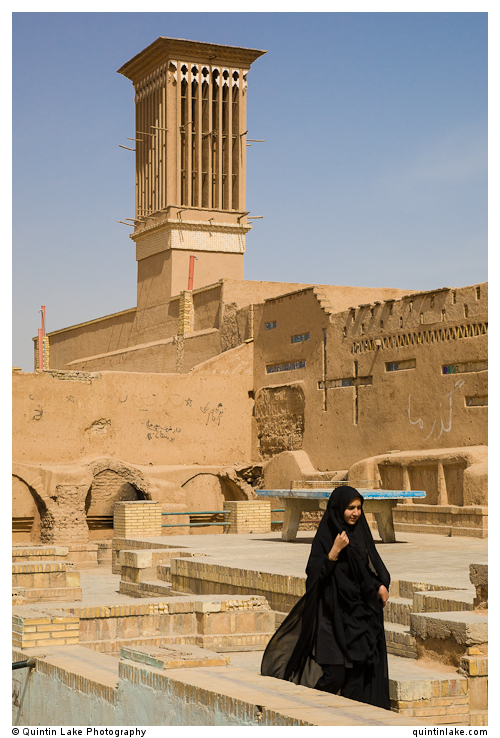
A woman passes in front of a badgir, the Iranian term for wind tower. These chimney-like structures, which project above the roof, expel warm air during the day and trap cooler breezes at night. Yazd.
Edit: I’m honoured and delighted that this post is featured in Freshly Pressed. Thanks for all your likes and comments and follow my Facebook Page to see my latest work and keep in touch!
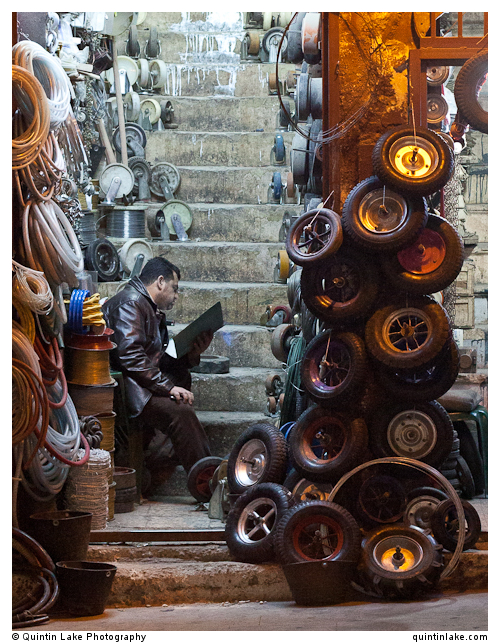
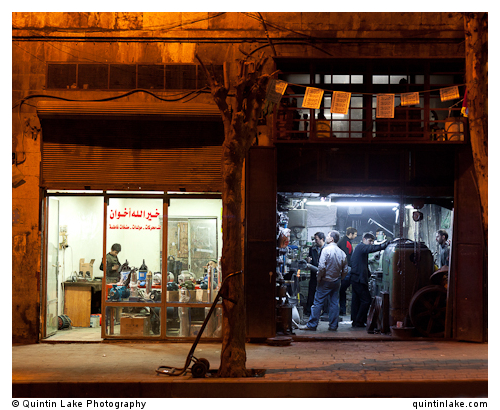
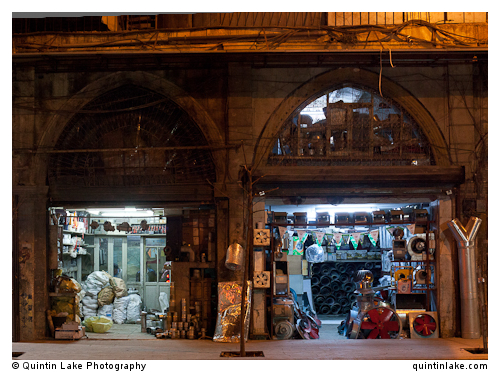
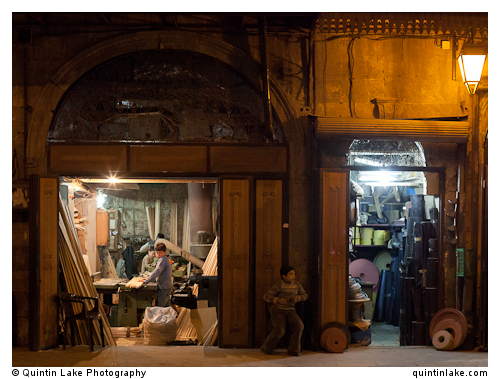
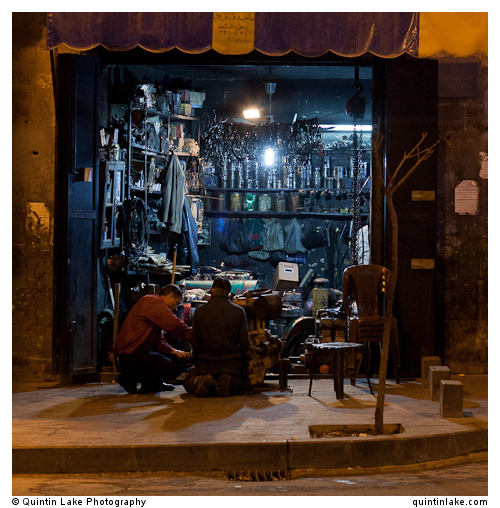
The streets of workshops and hardware stores in Aleppo appear as a row of theatres after dark. Syria 2011

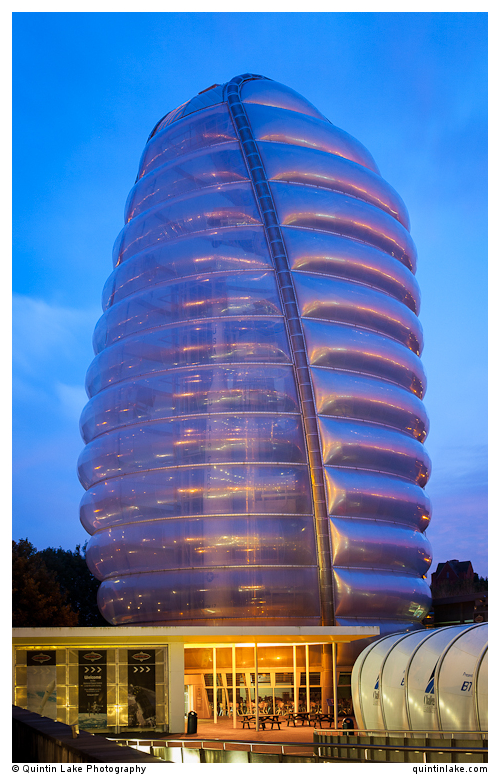
National Space Centre, Rocket Tower, Leicester, UK. Architect: Nicholas Grimshaw, 2001

Semi-transparent ETFE pillows clad the tower

South facing ETFE has a metallic treatment to reduce solar gain

The Rocket Tower contains Blue Streak and PGM-17 Thor rockets visible through the building skin

The rear of the building opens at full height to allow changing of large exhibits

The centre has six main galleries of which the Rocket Tower is one
I used to work at Grimshaw at the end of the 1990’s and ETFE (A transparent durable plastic suitable for making buildings) was flavour of the month after the massive success of the Eden Project. The National Space Centre was built just after the Eden Project clad in the same ETFE pillows, but running longitudinally around the building in rings as opposed to the the hexagonal pillows of the Eden Project.
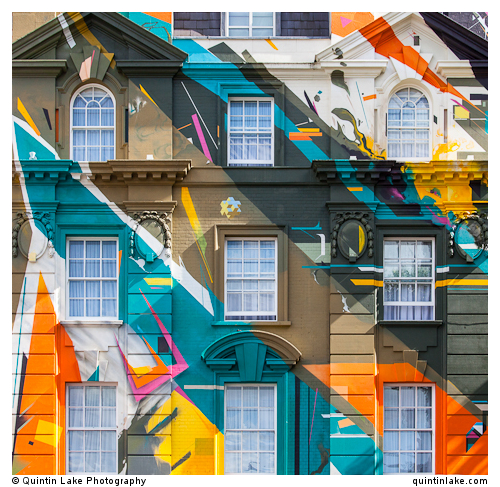
“Marmite” a graffiti mural on Megaro Hotel opposite St Pancras station, London, 2012.
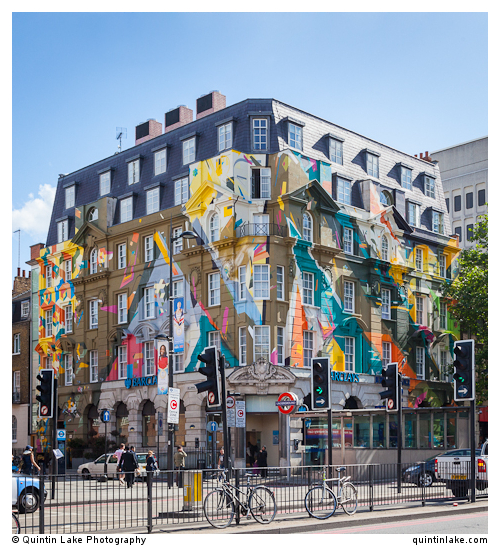
The building is opposite the entrance to Kings Cross & St Pancras Station on Euston Road
The Megaro project a graffiti mural painted on the classical facade of Megaro Hotel opposite St Pancras station, London, 2012. The mural was designed and painted by four members of street art collective, Agents of Change.
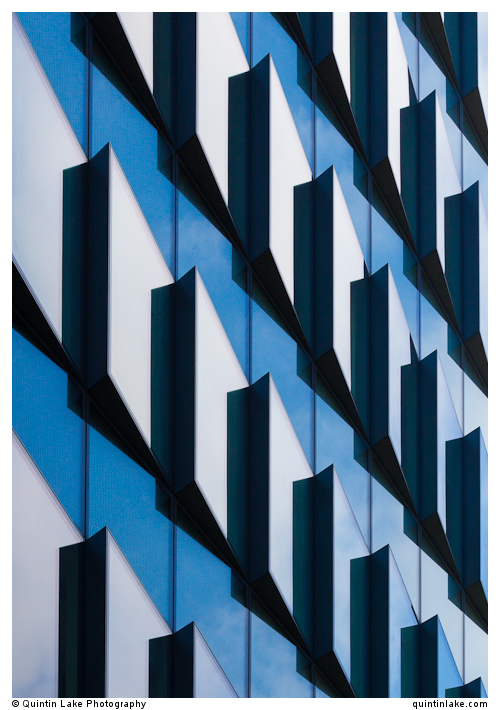
Ropemaker Building Facade, London. Architect: Arup Associates. Built: 2012
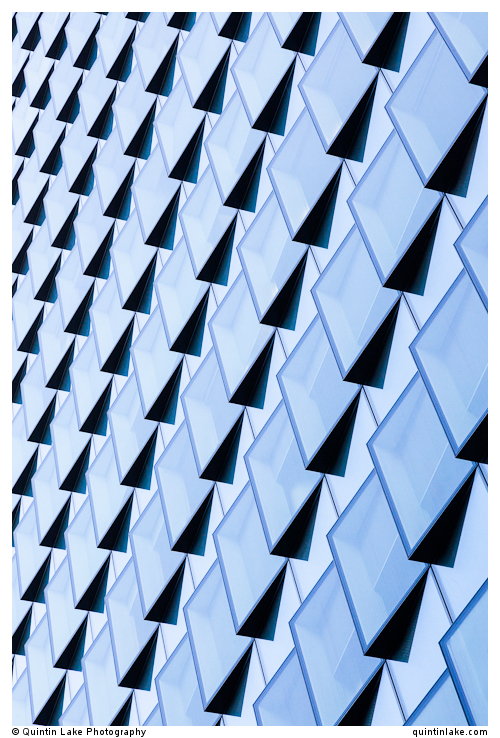
Ropemaker Building Facade, London. Architect: Arup Associates. Built: 2012
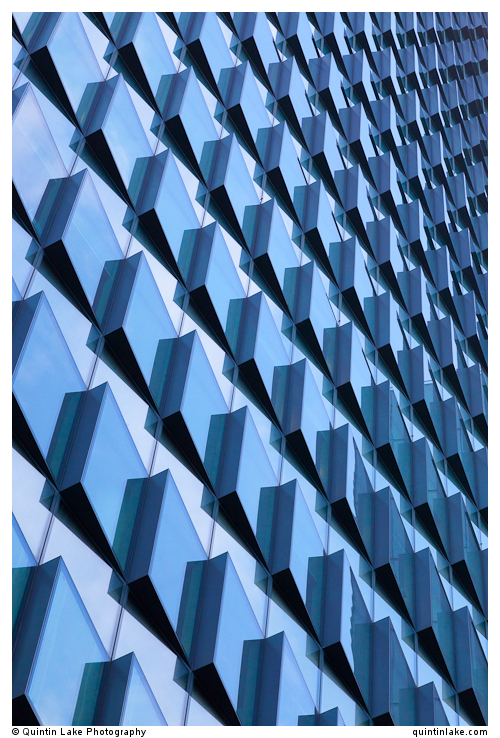
Ropemaker Building Facade, London. Architect: Arup Associates. Built: 2012
Ropemaker Building facade located in the City of London is made up of saw tooth angled windows in glass designed to reduce solar gain. I visited the building on a windy day and the passage of clouds reflected on the facade was mesmerising. Architect: Arup Associates. Built: 2012
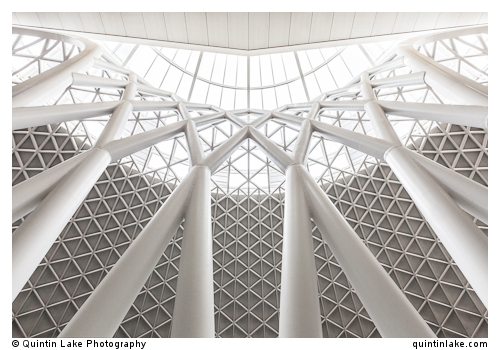
Looking up the steel lattice funnel to the roof at King’s Cross Station Western Concourse
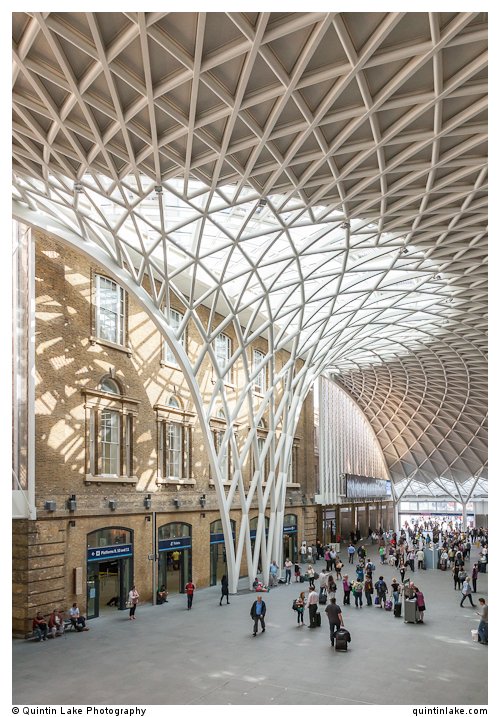
The semi circular roof light gives attractive shadows on the original ticket hall
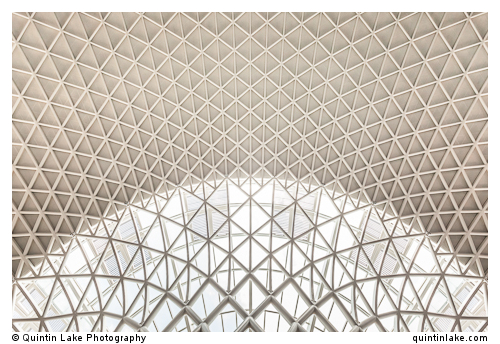
The elegant fan shape of the steel lattice roof of the £547m upgrade of the railway terminus

2012 Steel lattice in front of the 1852 station booking hall.
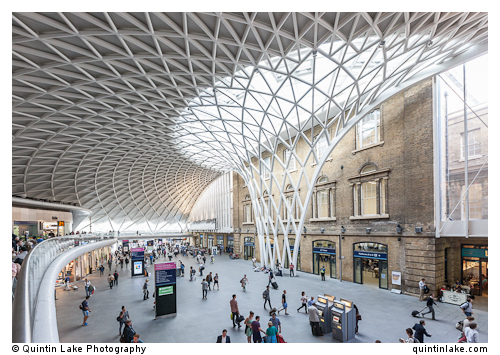
The weight of the new roof is carried to the ground via the steel lattice acting as a single massive column because the original building could not hold the weight of the new roof.
King’s Cross Station Western Concourse is a spectacular addition to the otherwise undistinguished Kings Cross station in London, described amusingly by Hugh Pearman as “the ultimate lean-to”. The building is designed by architect John McAslan + Partners with engineering by Arup in 2012


 Geometry & Silence