Archives For author

Capability Brown, Remote control gates, James Dyson lives here, Concrete Goose, Siamese houses, Breathtaking views, Jogging couple, Bleaker aspect, Simpler houses, Phallic monument, Pub serving crisps, East European staff, Overpriced room, Chinese in polystyrene, Friendly boozers

English Garden Style: Two concrete pigs, Three Concrete geese, One plastic Woodpecker and Two half dead yew bushes in pots.

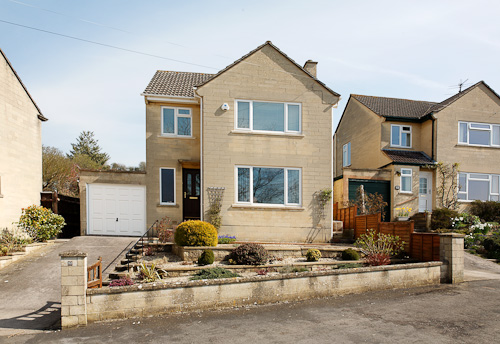
Two detached suburban three storey houses in the outskirts of Wotton-under-Edge, Gloucestershire

VIEW MORE IMAGES of the Cotswold Way here

< Back to Day 1: Bath to Tormarton

On to Day 3: Wotton-under-Edge to Dursley >

Photography © Quintin Lake, 2010

Limestone fronted detached family house in Weston Park, Bath

Rustic limestone fronted detached family house in Weston Park, Bath

Detached two storey house with garage in Weston Near Bath

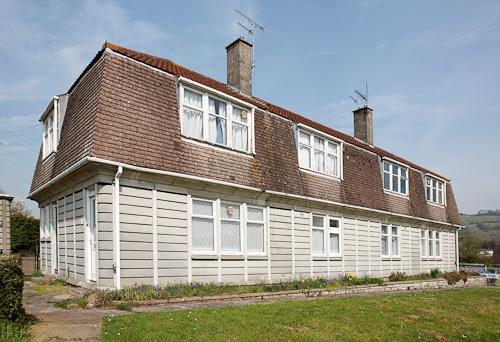
Semi-detached concrete prefabricated house with tiled mansard roof in Weston, Near Bath

VIEW MORE IMAGES of How We Live Now: British Houses in 2010

Photography © Quintin Lake, 2010

Organ chords, Chinese tourists, Luscious limestone, Georgian curves, Truman show houses, Woodland shadows, Racecourse runway, Stick-on leading, Tidy golfers, Ploughed field, Roman remains, Boarded up pub, Manor House gates, Expensive B&B, Petrol station food,  Boarded up pub, Wellied dog walker, Pastel pastoral, Motorway hum, Strip lynchets, Pylons overhead, Raucous wedding party

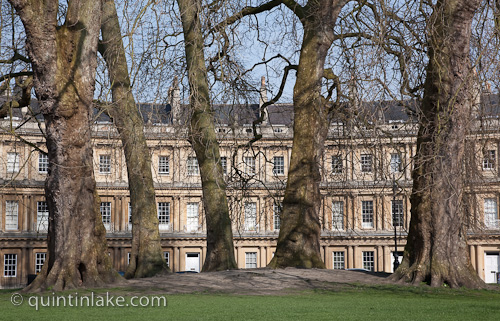
The Circus, Bath, England, by Architect John Wood the Elder

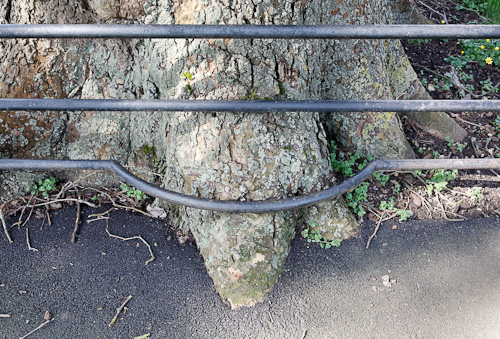
Railings curved for tree trunk in path of Cotswold Way through High Common, Bath

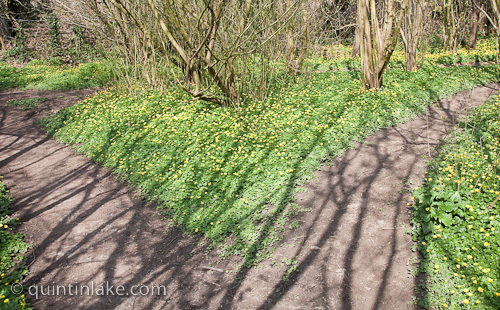
Tree shadows fall over a bed of spring flowers on the Cotswold Way

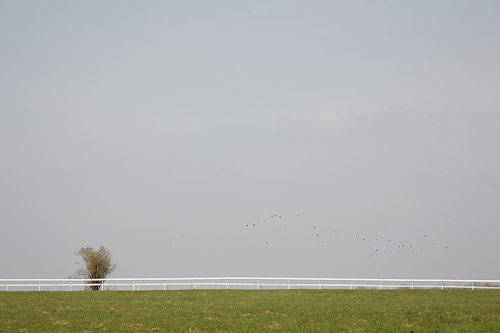
A flock of birds fly over a lone tree and the sparse landscape at Bath Racecourse adjacent to the Cotswold Way

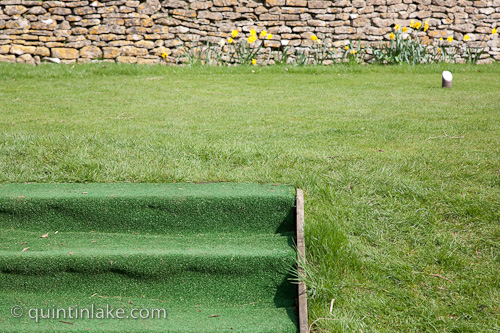
Synthetic grass steps with Daffodils leading to a tee at Lansdown Golf club near Bath adjacent to the Cotswold Way

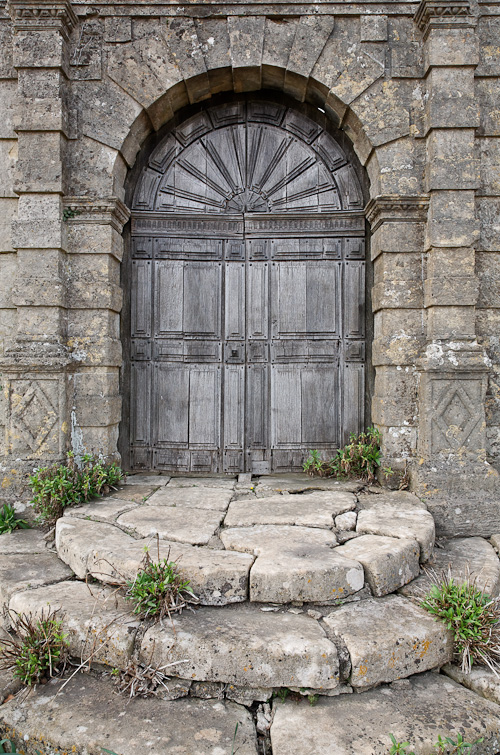
Cold Ashton Manor House Doorway

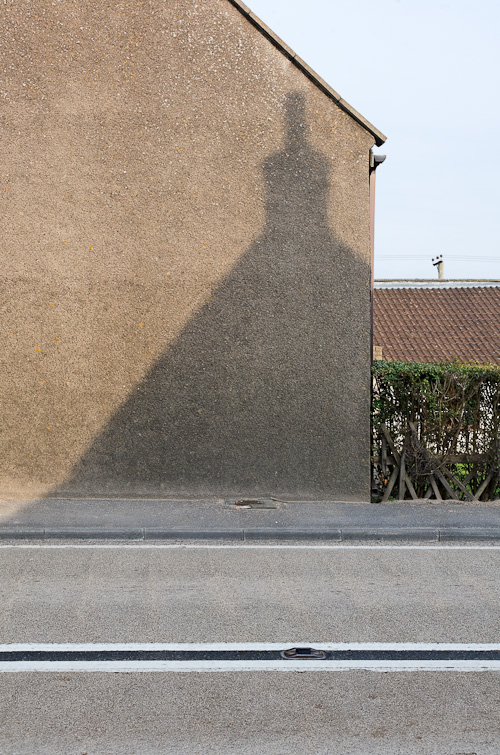
Shadow of roof and chimney falls on rendered gable end of a house next to the A46.

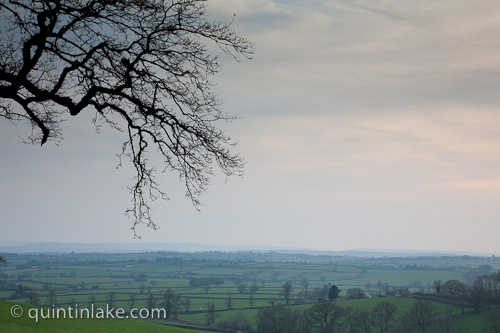
Patchwork of pastoral fields at dusk near Doynton seen from Dyrham on the Cotswold Way

VIEW MORE IMAGES of the Cotswold Way here

On to Day 2: Tormarton to Wotton-under-Edge >

Photography © Quintin Lake, 2010


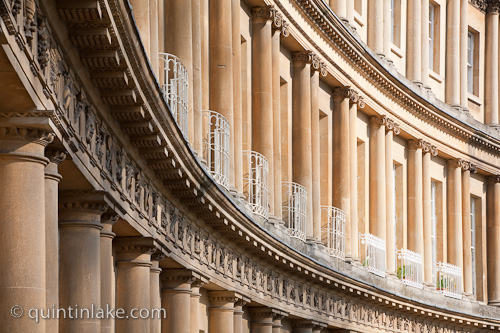
Detail of left hand end of the The Royal Crescent, Bath, England, by Architect John Wood the Younger

The Royal Crescent is a residential road of 30 houses, laid out in a crescent, in the city of Bath, England. Designed by the architect John Wood the Younger and built between 1767 and 1774, it is among the greatest examples of Georgian architecture to be found in the United Kingdom and is a grade I listed building.

It was originally called just The Crescent and the adjective Royal was added at the end of the 18th century after Prince Frederick, Duke of York and Albany had lived at numbers 1 and 16. Like The Circus, The Royal Crescent is constructed from Bath Stone, a Limestone comprising granular fragments of calcium carbonate. Its warm, honey colouring gives the circus and much of Bath its distinctive appearance.

Pattern of the facade and railings at the The Royal Crescent, Bath, England, by Architect John Wood the Younger

Wood designed the great curved façade of what appears to be about 30 three storey houses with Ionic columns on a rusticated ground floor. The columns are 30 inches (76 cm) in diameter reaching 47 feet (14.3 m) and there are 114 in total, each with an entablature 5 feet (1.5 m) deep. The central house has two sets of coupled columns.

Each purchaser bought a certain length of the façade, and then employed their own architect to build a house to their own specifications behind it; hence what appears to be two houses is sometimes one. This system of town planning is betrayed at the rear of the crescent: while the front is completely uniform and symmetrical, the rear is a mixture of differing roof heights, juxtapositions and fenestration. This “Queen Anne fronts and Mary-Anne backs” architecture occurs repeatedly in Bath

VIEW MORE IMAGES of Royal Crescent, Bath, England, by Architect John Wood the Younger here

Photography © Quintin Lake, 2010

Detail of The Circus, Bath, England, by Architect John Wood the Elder

The Circus is an example of Georgian architecture in the city of Bath, Somerset, England, begun in 1754 and completed in 1768. The name comes from the Latin ‘circus’, which means a ring, oval or circle

The Circus, was designed by the architect John Wood the Elder, although he never lived to see his plans put into effect as he died less than three months after the first stone was laid. It was left to his son, John Wood the Younger to complete the scheme to his father’s design.
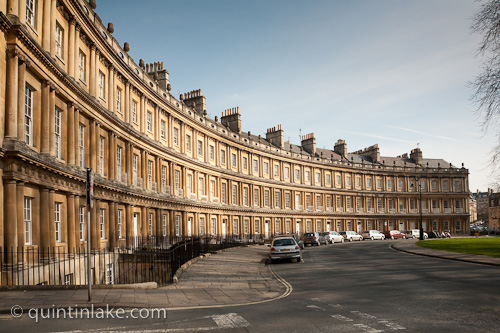
The Circus, Bath, England, by Architect John Wood the Elder

Wood’s inspiration was the Roman Colosseum, but whereas the Colosseum was designed to be seen from the outside, the Circus faces inwardly. The circus consists of 3 storey townhouses and mansard. 3 or 4 windows. Divided into 3 blocks, all of the same size but each with a different number of houses. Three classical Orders, (Greek Doric, Roman/Composite and Corinthian) are used, one above the other, in the elegant curved facades. The masonry between columns is not curved but this is not apparent. The frieze of the Doric entablature is decorated with alternating triglyphs and 525 unique pictorial emblems in the metopes, including serpents, nautical symbols, devices representing the arts and sciences, and masonic symbols. The parapet is adorned with stone acorn finials.

Like The Royal Crescent, The Circus is constructed from Bath Stone, a Limestone comprising granular fragments of calcium carbonate. Its warm, honey colouring gives the circus and much of Bath its distinctive appearance.

VIEW MORE IMAGES  of The Circus, Bath, England, by Architect John Wood the Elder here

Photography © Quintin Lake, 2010

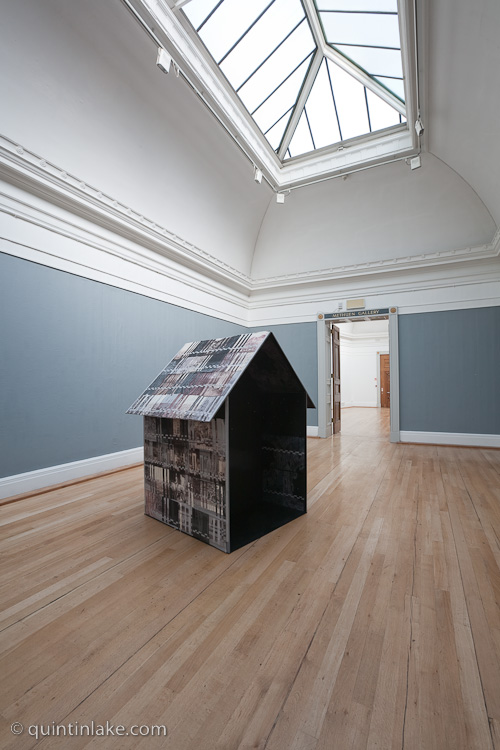
Mila Fürstová: Shelter of Memories
Interwoven Fragments of Etching & Mixed Media. 1.5 x1.5.x 2m, 2010
The Royal West of England Academy, Bristol, England

VIEW MORE from the Mila Fürstová, Shelter of Memories photoshoot here

Shelter of Memories by Mila FuŸrstova‡ in The Royal West of England Academy.

Photography © Quintin Lake, 2010
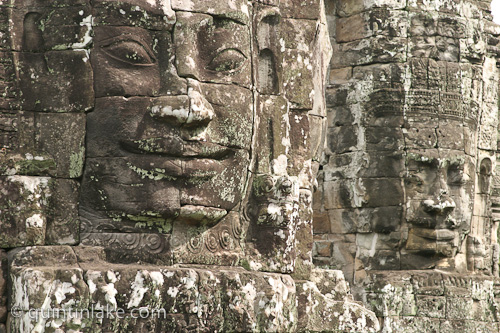
Bayon Temple, Angkor, Cambodia

VIEW MORE IMAGES of the Bayon Temple, Angkor

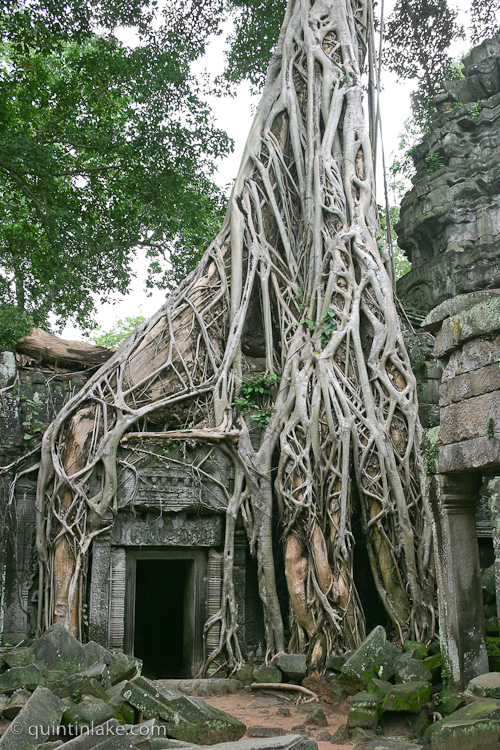
Strangler fig roots surround a doorway in Ta Prohm Temple, Angkor, Cambodia

VIEW MORE IMAGES of the Ta Prohm Temple, Angkor

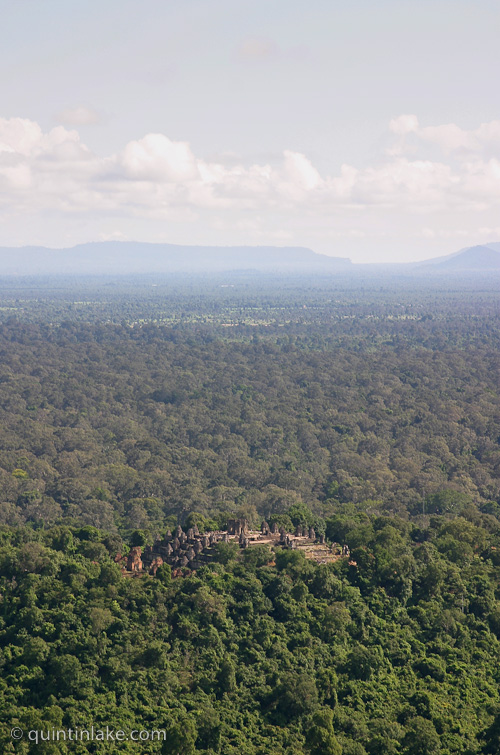
Aerial view of Phnom Bakheng Temple, Angkor, Cambodia

VIEW MORE IMAGES of Phnom Bakheng Temple, Angkor

Dawn at Angkor Wat Temple, Angkor, Cambodia

VIEW MORE IMAGES of Angkor Wat Temple, Angkor

Beng Mealea Temple, Angkor, Cambodia

VIEW MORE IMAGES of Beng Mealea, Angkor

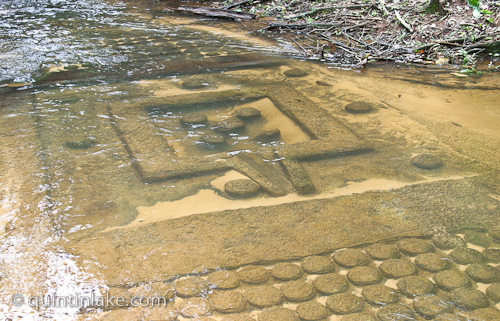
Kbal Spean, valley of a 1000 Lingas, Cambodia

VIEW MORE IMAGES of Kbal Spean, Cambodia

Erotic carving at Banteay Srei, Angkor, Cambodia

VIEW MORE IMAGES of Banteay Srei, Angkor

Angkor Thom, Angkor, Cambodia

VIEW MORE IMAGES of Angkor Thom, Angkor

VIEW ALL CAMBODIA IMAGES

Photography  © Quintin Lake, 2003

Strangler fig roots surround a doorway in Ta Prohm Temple, Angkor, Cambodia

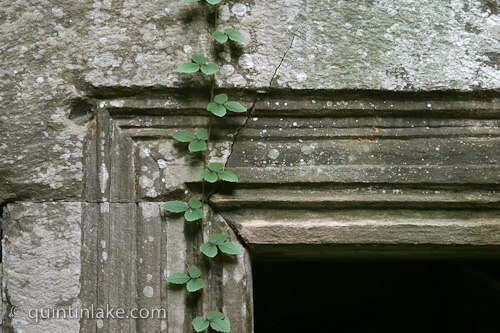
Vine and cracked lintel in Ta Prohm Temple, Angkor, Cambodia

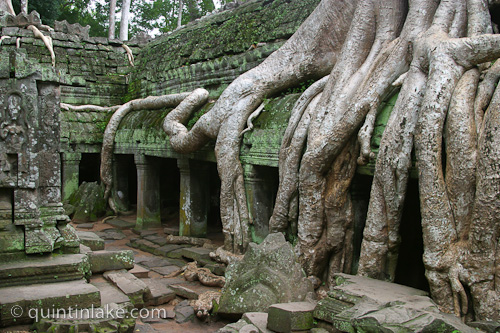
Tree roots growing over Ta Prohm Temple, Angkor, Cambodia

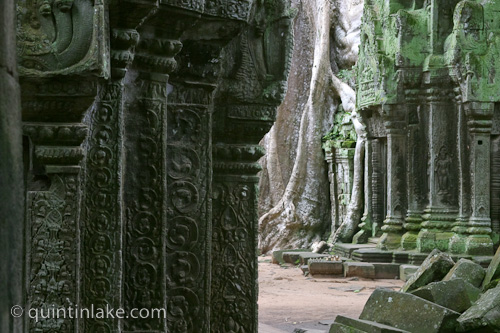
Moss covered carved columns in Ta Prohm Temple, Angkor, Cambodia

VIEW MORE IMAGES of the Ta Prohm Temple, Angkor

VIEW MORE IMAGES of the Angkor Temples, Cambodia

Photography  © Quintin Lake, 2003