Archives for category: Architectural Photography

Bayon Temple, Angkor, Cambodia

VIEW MORE IMAGES of the Bayon Temple, Angkor

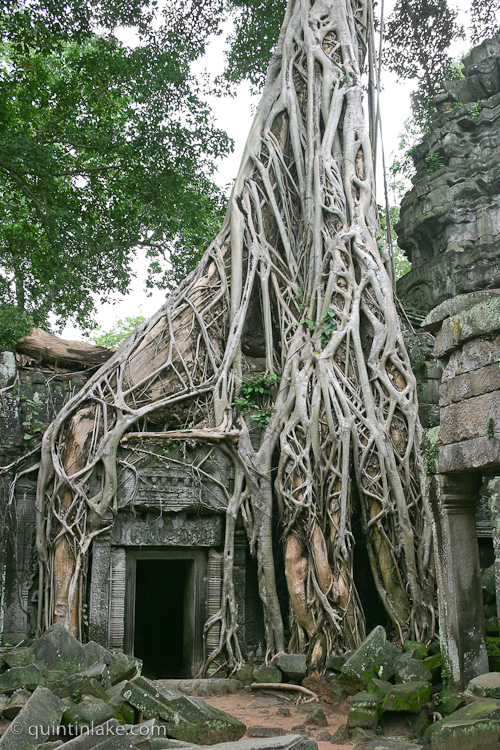
Strangler fig roots surround a doorway in Ta Prohm Temple, Angkor, Cambodia

VIEW MORE IMAGES of the Ta Prohm Temple, Angkor
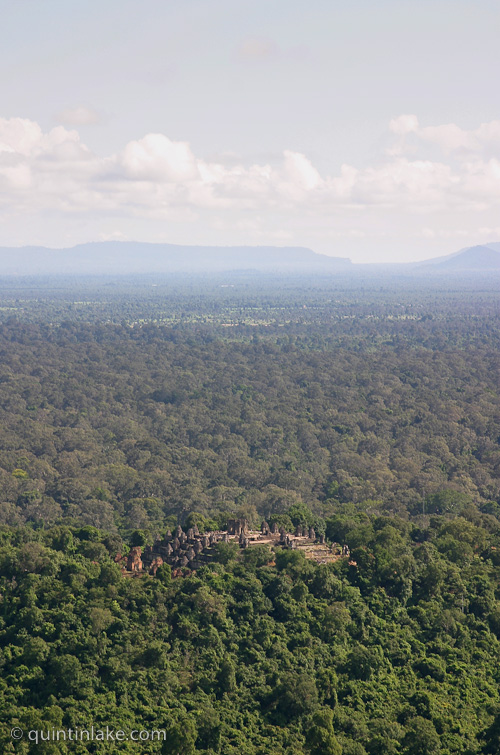
Aerial view of Phnom Bakheng Temple, Angkor, Cambodia

VIEW MORE IMAGES of Phnom Bakheng Temple, Angkor

Dawn at Angkor Wat Temple, Angkor, Cambodia

VIEW MORE IMAGES of Angkor Wat Temple, Angkor

Beng Mealea Temple, Angkor, Cambodia

VIEW MORE IMAGES of Beng Mealea, Angkor
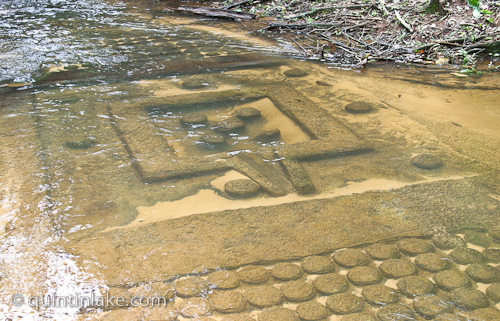
Kbal Spean, valley of a 1000 Lingas, Cambodia

VIEW MORE IMAGES of Kbal Spean, Cambodia

Erotic carving at Banteay Srei, Angkor, Cambodia

VIEW MORE IMAGES of Banteay Srei, Angkor

Angkor Thom, Angkor, Cambodia

VIEW MORE IMAGES of Angkor Thom, Angkor

VIEW ALL CAMBODIA IMAGES

Photography  © Quintin Lake, 2003
Strangler fig roots surround a doorway in Ta Prohm Temple, Angkor, Cambodia

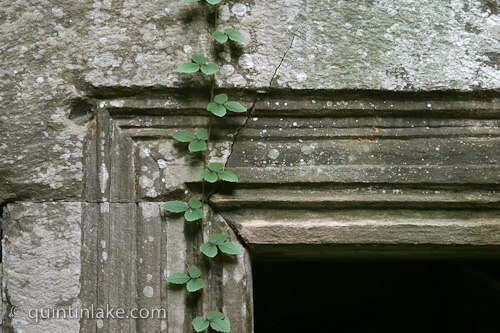
Vine and cracked lintel in Ta Prohm Temple, Angkor, Cambodia

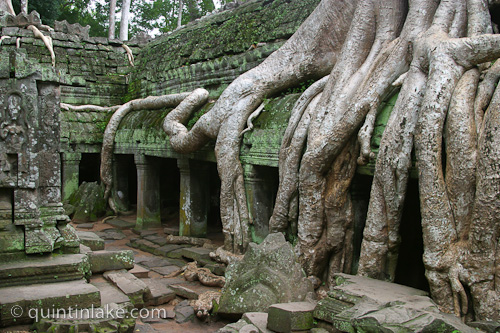
Tree roots growing over Ta Prohm Temple, Angkor, Cambodia

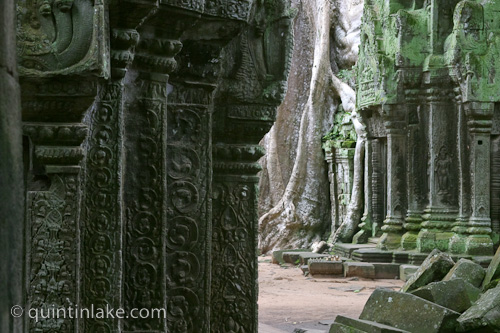
Moss covered carved columns in Ta Prohm Temple, Angkor, Cambodia

VIEW MORE IMAGES of the Ta Prohm Temple, Angkor

VIEW MORE IMAGES of the Angkor Temples, Cambodia

Photography  © Quintin Lake, 2003

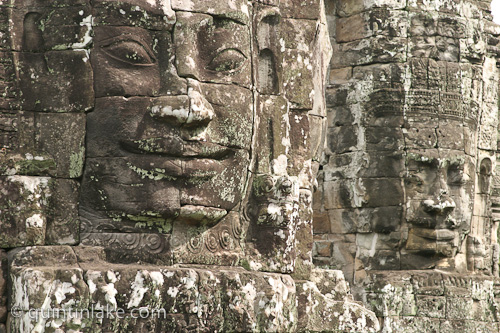
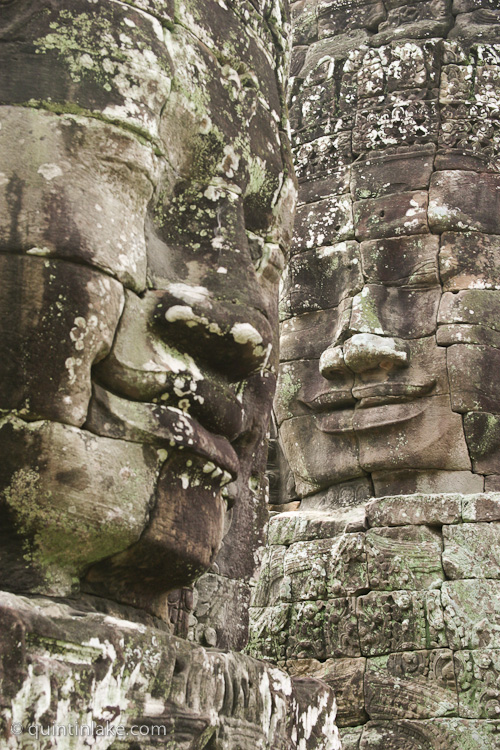
Serene stone faces of Bayon Temple, Angkor, Cambodia

VIEW MORE IMAGES of the Bayon Temple, Angkor

VIEW MORE IMAGES of the Angkor temples, Cambodia

Photography  © Quintin Lake, 2003

The central, 59 meter spire is topped with the white, four-faced head of Brahma of the Throne Hall, Royal Palace, Phnom Penh, Cambodia

Silver Pagoda, Royal Palace, Phnom Penh, Cambodia

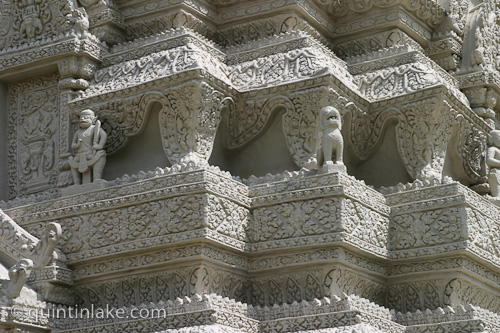
Detail of Stupa of King Suramarit, Royal Palace, Phnom Penh, Cambodia

VIEW MORE IMAGES of the Royal Palace, Phnom Penh, Cambodia

VIEW MORE IMAGES of the Angkor temples, Cambodia

Photography  © Quintin Lake, 2003

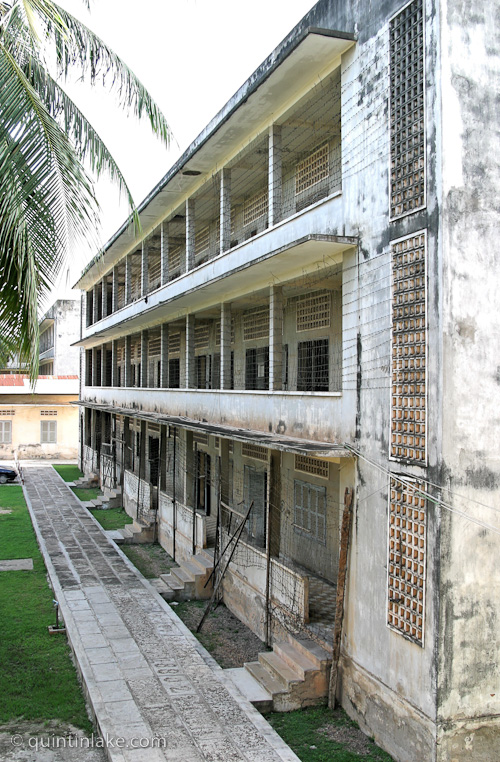
A man looking at photographs of those murdered at the Tuol Sleng Genocide Museum, Cambodia

Formerly the Chao Ponhea Yat High School, the five buildings of the complex were converted in August 1975, four months after the Khmer Rouge won the civil war, into a prison and interrogation center. The Khmer Rouge renamed the complex “Security Prison 21” (S-21) and construction began to adapt the prison to the inmates: the buildings were enclosed in electrified barbed wire, the classrooms converted into tiny prison and torture chambers, and all windows were covered with iron bars and barbed wire to prevent escapes.

Tuol Sleng Genocide Museum, Security Prison 21 (S-21) and former high school, Phnom Penh, Cambodia

From 1975 to 1979, an estimated 17,000 people were imprisoned at Tuol Sleng (some estimates suggest a number as high as 20,000, although the real number is unknown). At any one time, the prison held between 1,000-1,500 prisoners. They were repeatedly tortured and coerced into naming family members and close associates, who were in turn arrested, tortured and killed.

VIEW MORE IMAGES of Tuol Sleng Genocide museum and the Killing Fields, Cambodia

Photography  © Quintin Lake, 2003
The Vítkovice Iron and Steel Works, Ostrava has been declared an Industrial Heritage Site by the Ministry of Culture and is a unique example of industrial architecture from the first half of the 19th century.

The Cathedral of the Divine Saviour (Czech: Katedrála Božského Spasitele), located in the center of Ostrava, is the second largest Roman Catholic cathedral in Moravia and Silesia (after the basilica in Velehrad near Uherské Hradiště). This three-naveneorenaissance basilica with a semi-circular apse and two 67m high towers is dating since 1889 (building started in 1883). The church was designed by Gustav Meretta, the official architect of the Archbishop of Olomouc, and the interior by Max von Ferste.

BUY PRINTS/LICENSE more photographs of Ostrava City, Czech Republic

Cathedral of the Divine Saviour in front of Blast furnaces of Vitkovice Iron and Steel Works, Ostrava, Czech Republic

BUY PRINTS/LICENSE more photographs of Ostrava City, Czech Republic

Photography  © Quintin Lake, 2009

last furnaces of Vítkovice Iron and Steel Works, Ostrava, Czech Republic. This site has been declared an Industrial Heritage Site by the Ministry of Culture and is a unique example of industrial architecture from the first half of the 19th century. The site was occupied by a puddle furnace from 1828. It was founded by archduke Rudolf and was the first one of its kind in the entire Austrian Empire. The first blast furnace began production in 1836, and the Hlubina coal mine was opened in 1843. Soon the site provided for an entire industrial process from start to finish, from the mining of coal as a raw material, through the manufacture of coke, to its use in the production of iron. This continued uninterrupted until 1998.

BUY PRINTS/LICENSE more Photographs of Vítkovice Iron, Steel Works and Blast furnaces, Ostrava, Czech Repubic

Blast furnaces of V’tkovice Iron and Steel Works, Ostrava, Czech Republic.

BUY PRINTS/LICENSE more Photographs of Vítkovice Iron, Steel Works and Blast furnaces, Ostrava, Czech Repubic

Photography  © Quintin Lake, 2009

This photoshoot was commissioned by Francis Lincoln Publisher for the upcoming book “Jim Stirling and the Red Trilogy: Three Radical Buildings” edited by Alan Berman. View the entire photoshoot here.

Charles Jencks describes the project in the chapter ‘James Sirling or Function made Manifest’ in the book ‘The modern movements in Architecture’ thus:

“Yet it was not until their next scheme, the leicester Engineering Building, that they [Stirling & Gowan] developed their idiom in complete maturity. Instead of drawing in perspective they switched to a bird’s eye view which could analyse and dissect the whole project showing the underlying anatomy. This method of drawing really is a method of designing for it allows the architect to work out the space, structure, geometry, function and detail altogether and without distortion.”

BUY PRINTS/LICENSE more images of  Leicester University Engineering Building here

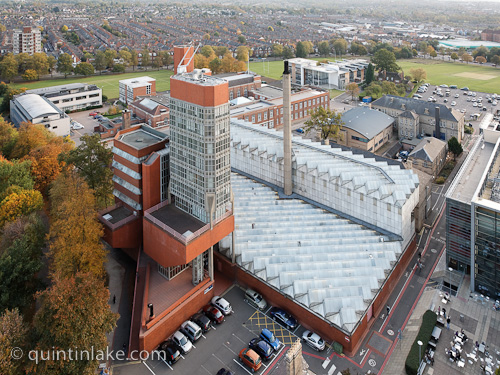
Axonometric style, Aerial view of Leicester University, Engineering Building

The cantilevered lecture theatre, Leicester University, Engineering Building, Designed by James Stirling & James Gowan Architects, Completed 1959

The water tower sits atop glazed seminar rooms which runs at 45 degrees to the workshops

BUY PRINTS/LICENSE more images of  Leicester University Engineering Building here

Photography  © Quintin Lake, 2010