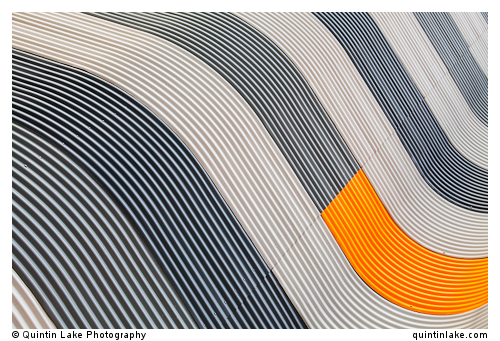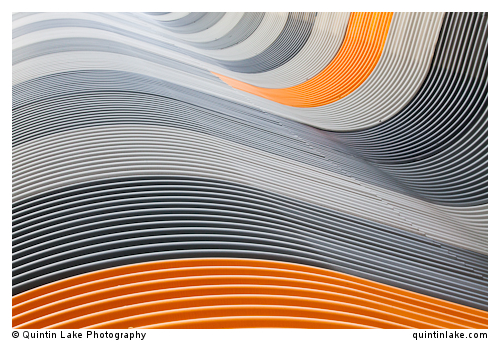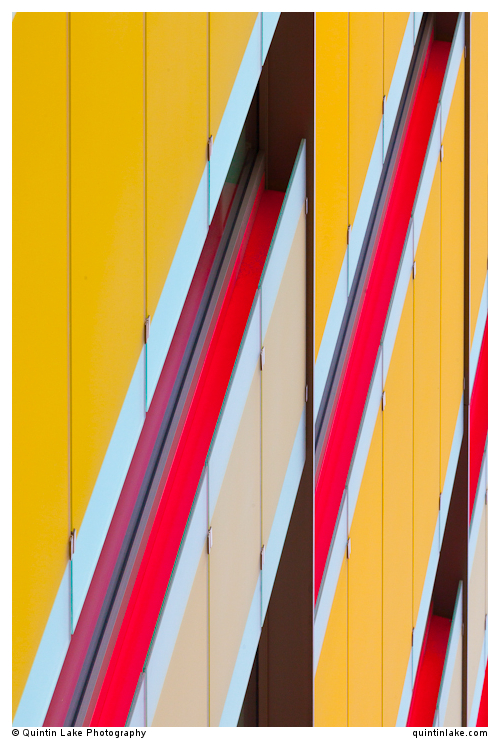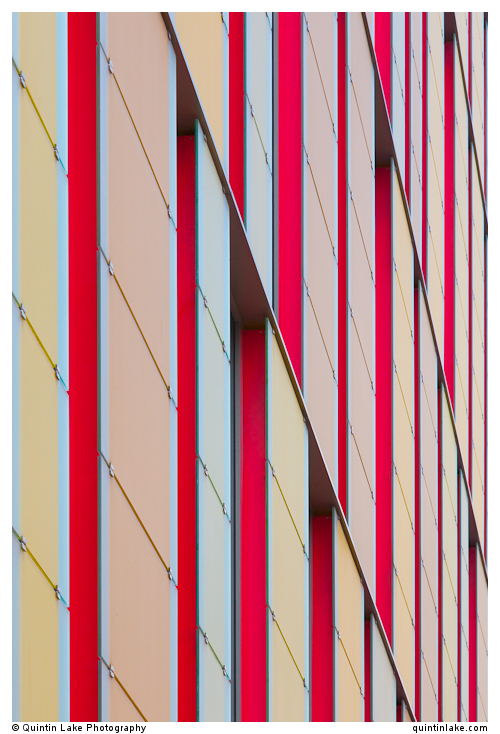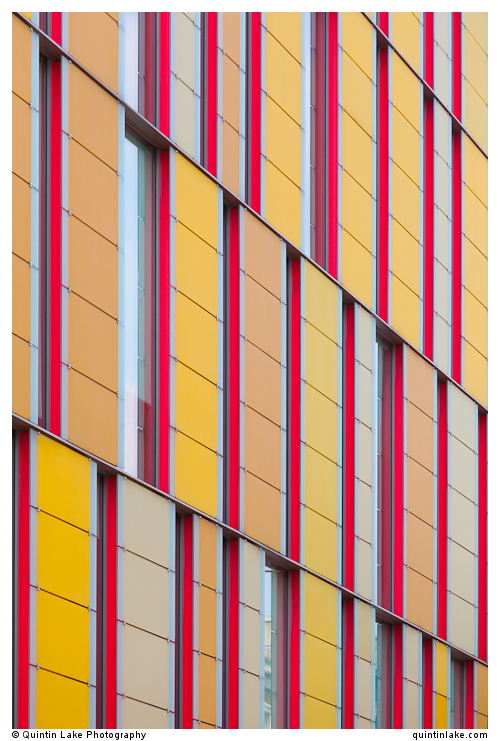
Westminster Park Plaza Hotel is another colourful addition to the urban fabric of London. Built 2010, Architect: BUJ architects.
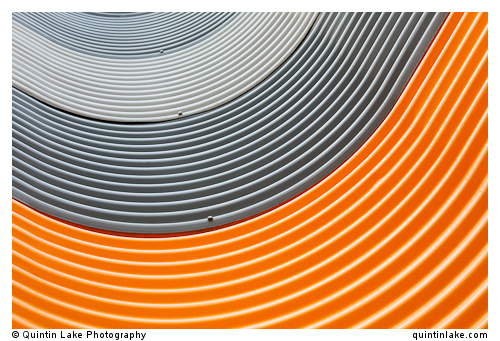
Clad in brightly coloured horizontal bands of corrugated aluminium, the building is intended to emulate the red and white streaks of the surrounding traffic flows caught on a long-exposure camera shot. The building’s rounded corners reduce its visual bulk and also reflect the constant movement around its base. Built 2006. Architect: Glas Architects. Structural Engineers: Barton Engineers

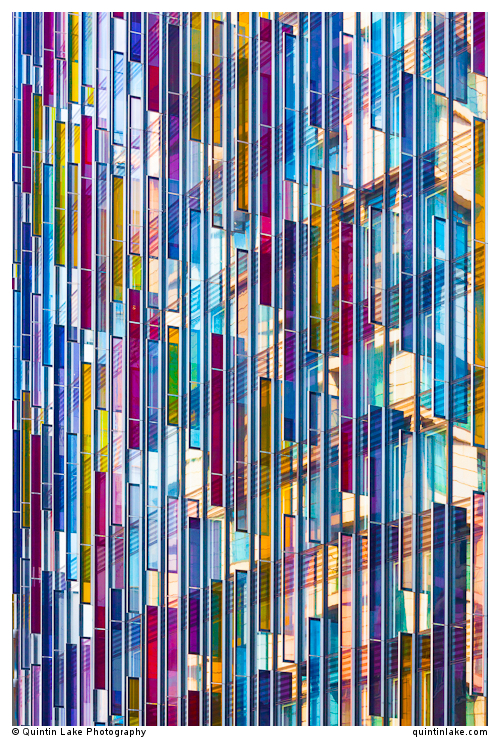
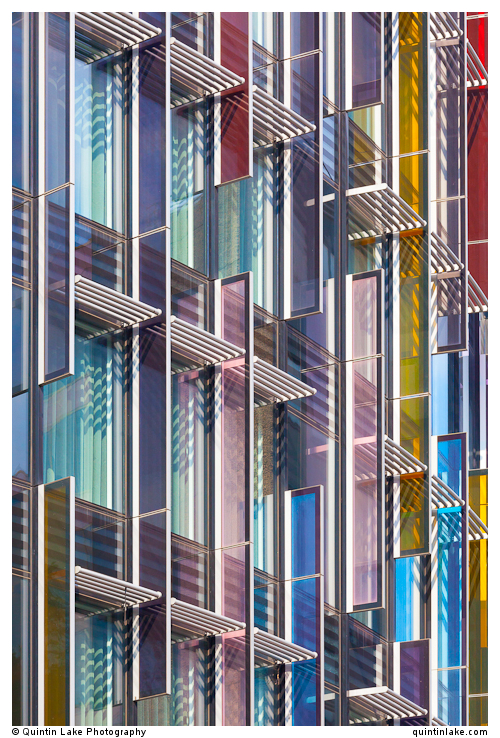
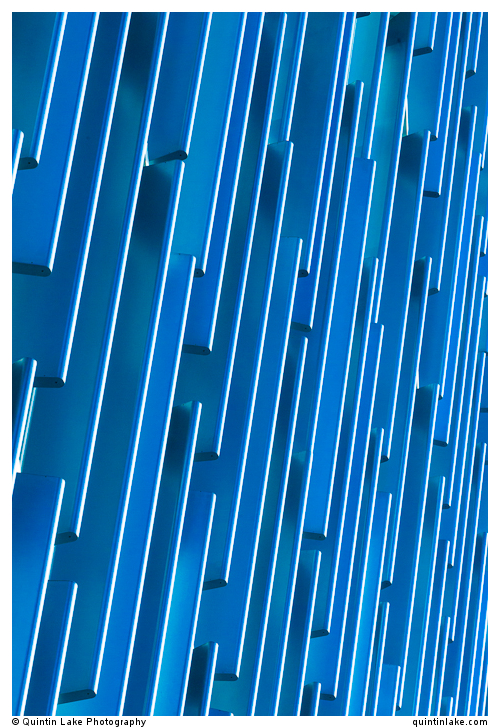
Coin Street Neighbourhood Centre facade. Architect: Haworth Tompkins. Artist Collaborator: Antoni Malinowski
I’m all for the tasteful use of vibrant colour in London’s new buildings and Coin Street Neighbourhood Centre is a great example. Built: 2007. Architect: Haworth Tompkins. Artist Collaborator: Antoni Malinowski

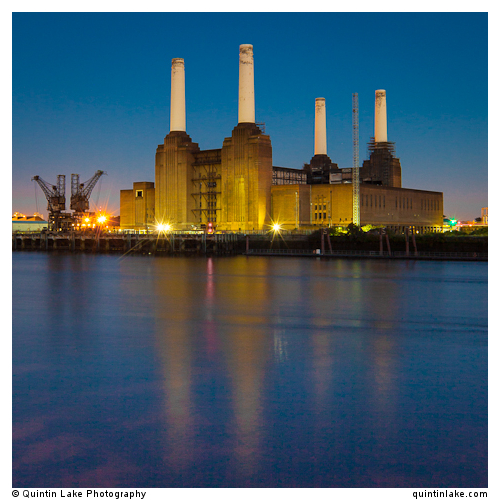
Battersea power station viewed from the north bank of the Thames at dusk. July 2012
One of my favourite buildings in London – I wonder what the future holds for her? Battersea power station viewed from the north bank of the Thames at dusk. Built: 1933-55 Decommissioned: 1983. Architect: Sir Giles Gilbert Scott (designer of the red telephone box).
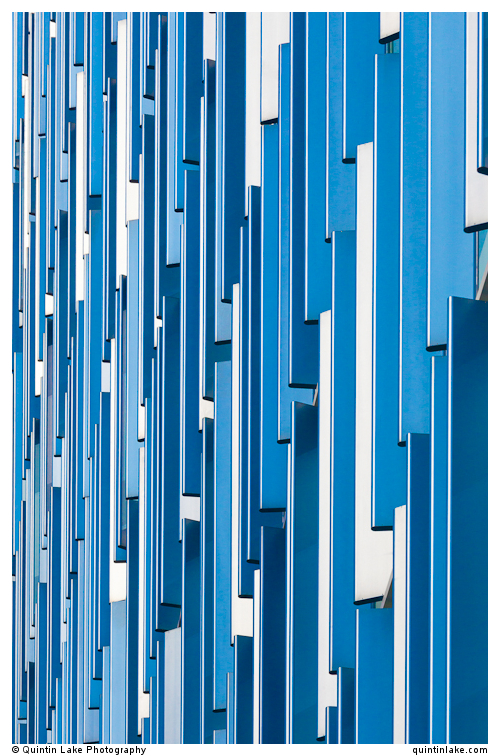
The Blue Fin Building also known as Bankside 1, London takes its name from the 2,000 vertical fins on it of varying blue colours to provide solar shading for the offices within. Built: 2008. Architect: Allies and Morrison
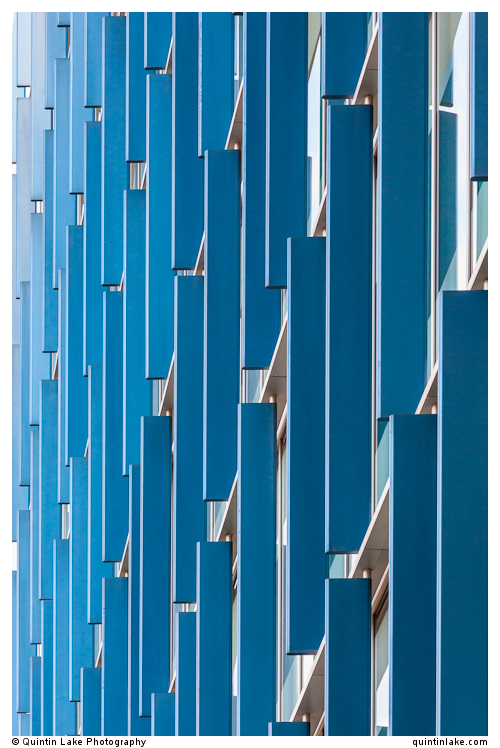
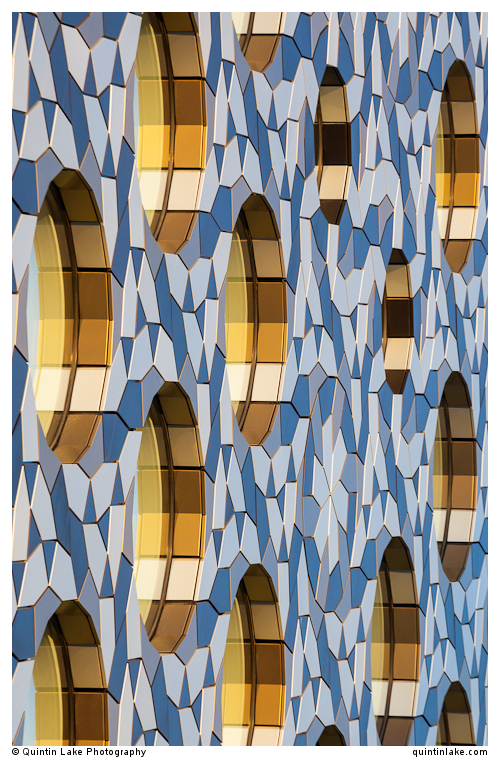
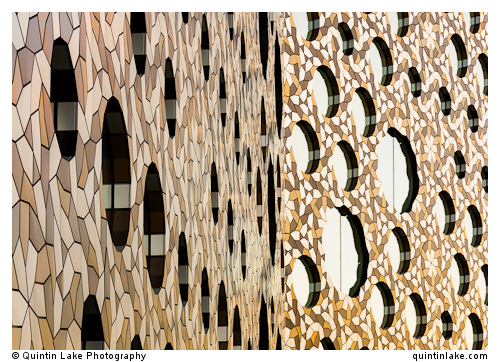
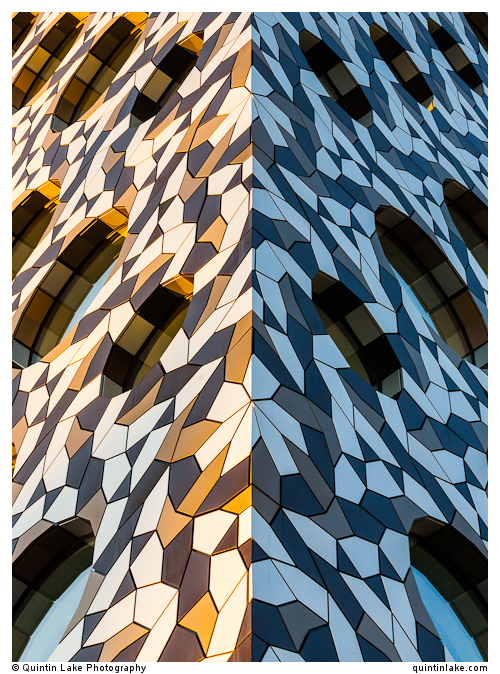
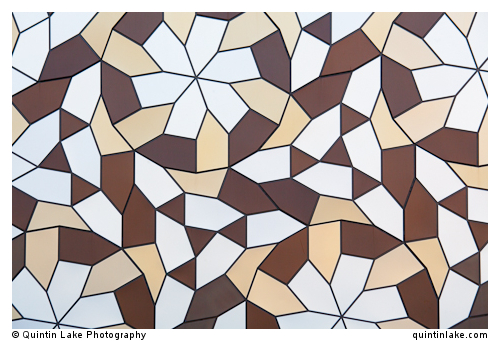
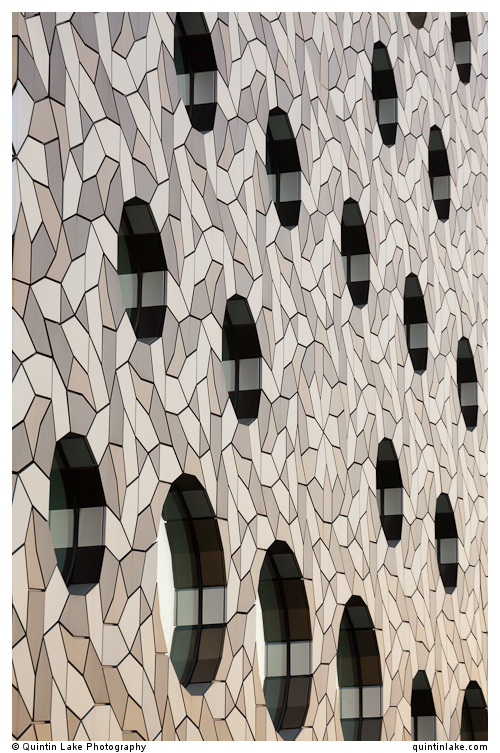
The facade of Ravensbourne College, London is created by an interesting system of tessellation geometries which allows the creation of seven different types and diameter of windows out of only three different tiles. The pattern is so unique it has now been patented to protect its use. The building was designed by Alejandro Zaero-Polo and Farshid Moussavi of Foreign Office Architects in 2010.
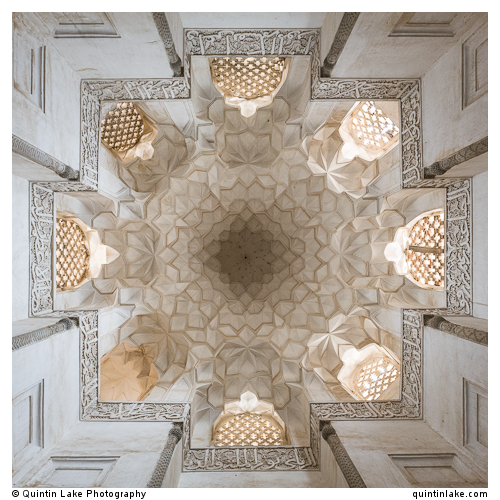
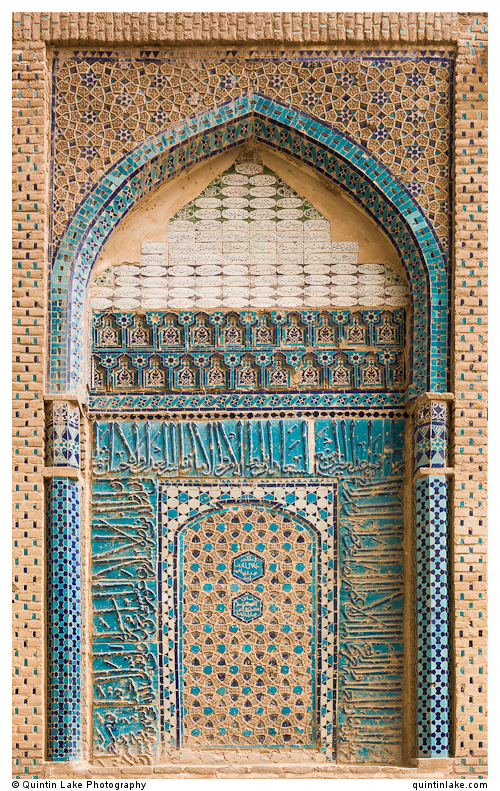
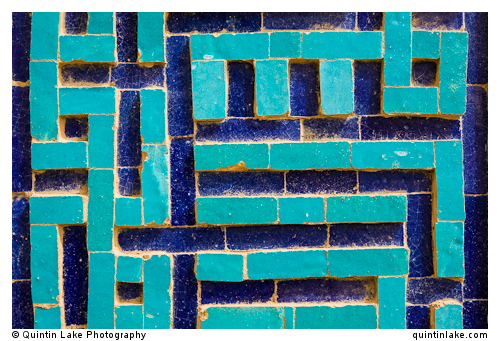
Natanz gets in the news as the location of Iran’s nuclear facility but much more interesting is the beautiful Abdolsamad Tomb & Mosque. This is a large funerary complex which has grown up organically around the tomb of Abd al-Samad, a follower of the famous Sufi saint Abu Said who died in 1049. The central feature of the site is the octagonal tomb around which is built a four-iwan congregational mosque dated to 1309. Internally the tomb is a cruciform chamber which is converted to an octagon at roof level. The roof is a blue-tiled octagonal pyramid dome outside and internally comprises a tall muqarnas vault.
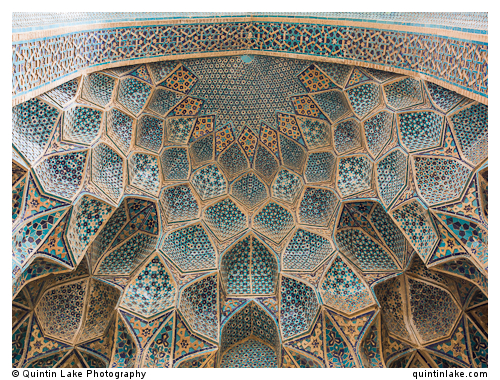
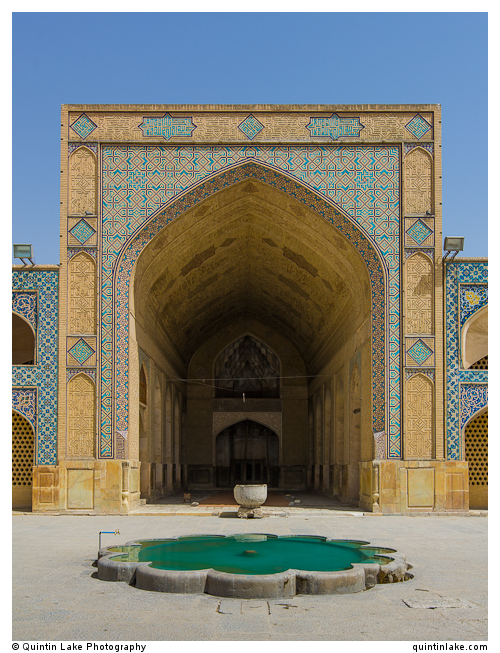
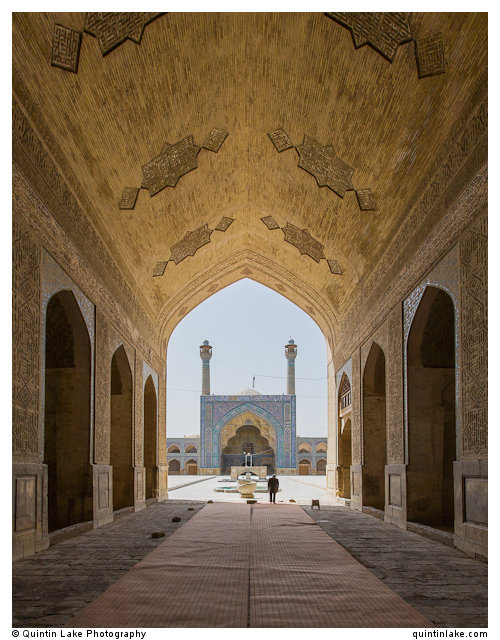
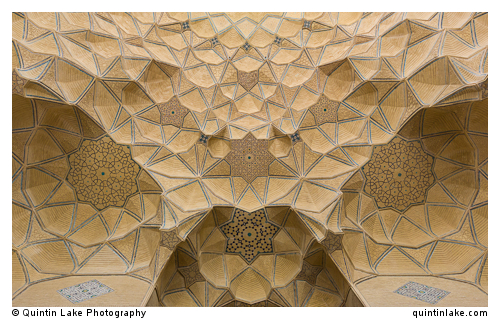
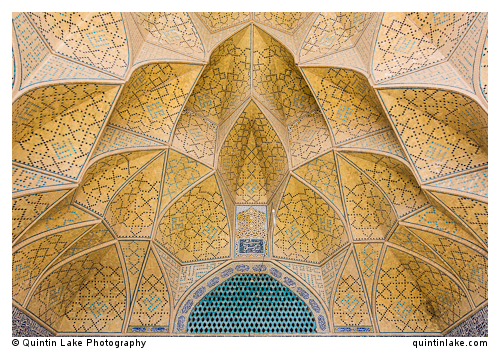
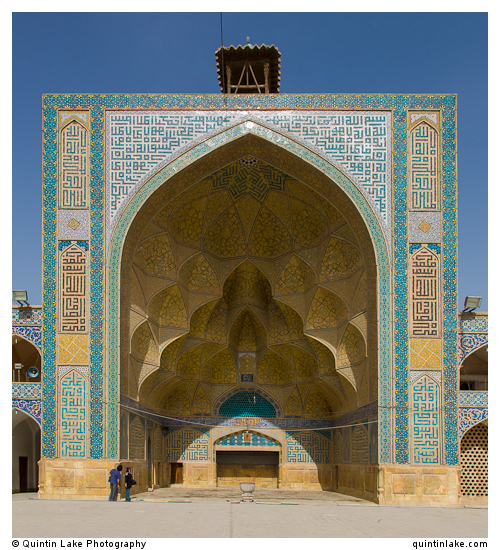
The Jameh Mosque is the congregational mosque (Jameh) of Isfahan city, Iran (Persian: مسجد جامع اصفهان – Masjid-e-Jāmeh). The mosque is the result of continual construction and reconstruction from around 771 to the end of the 20th century making it one of the oldest mosques still standing in Iran. I felt the Muqarnas (decorative corbels) are amongst the most beautiful in Islamic architecture for their sublime combination of subtle colour, complex geometry and heavily sculptural form.
Click Here for More from this Photoshoot >>
All images available as prints or for publication / licensing contact me for pricing.