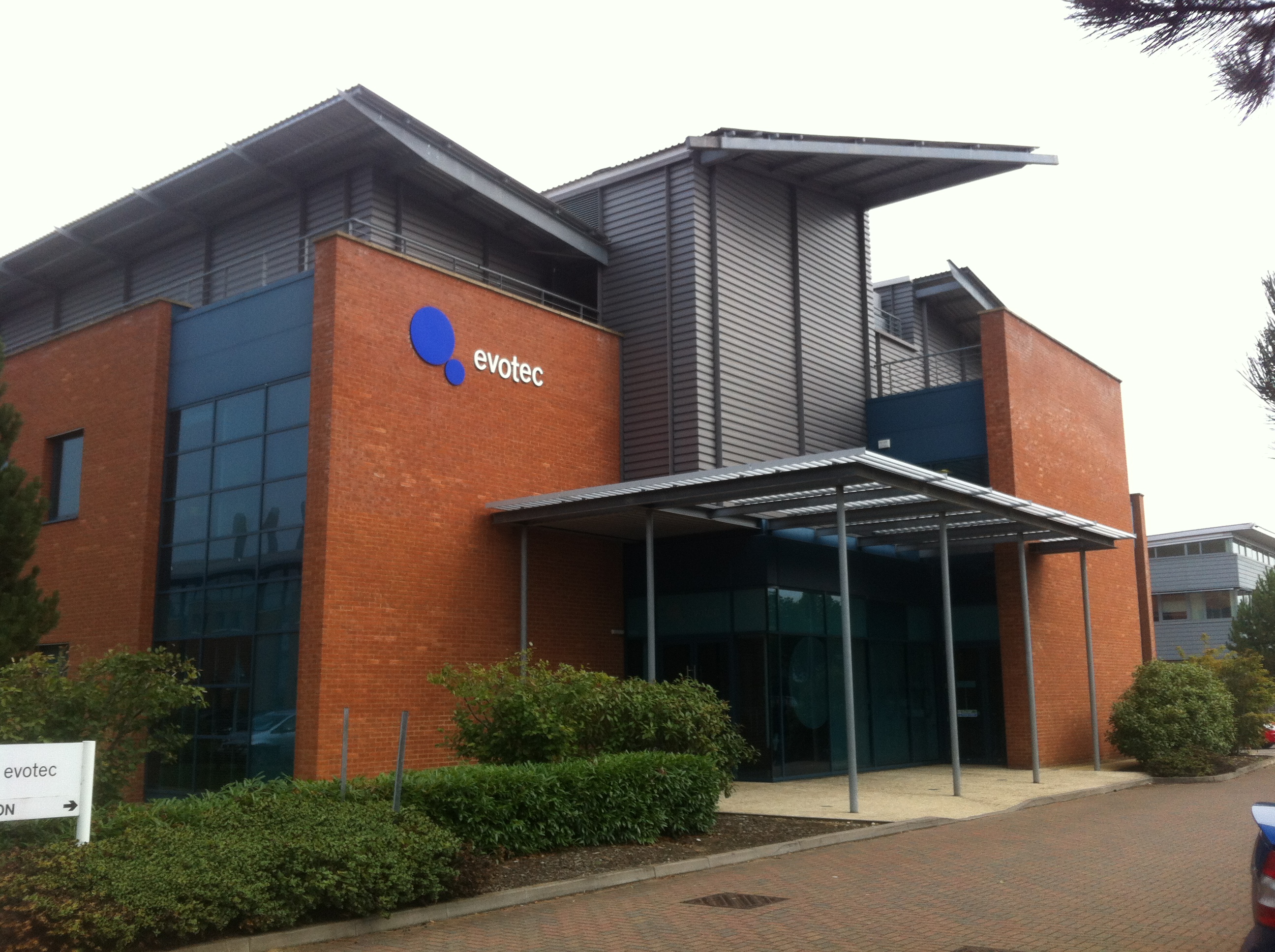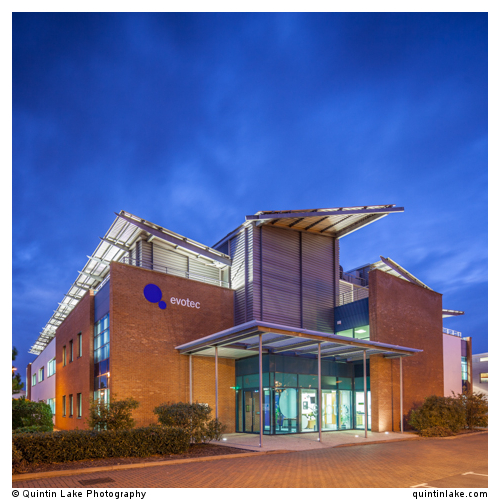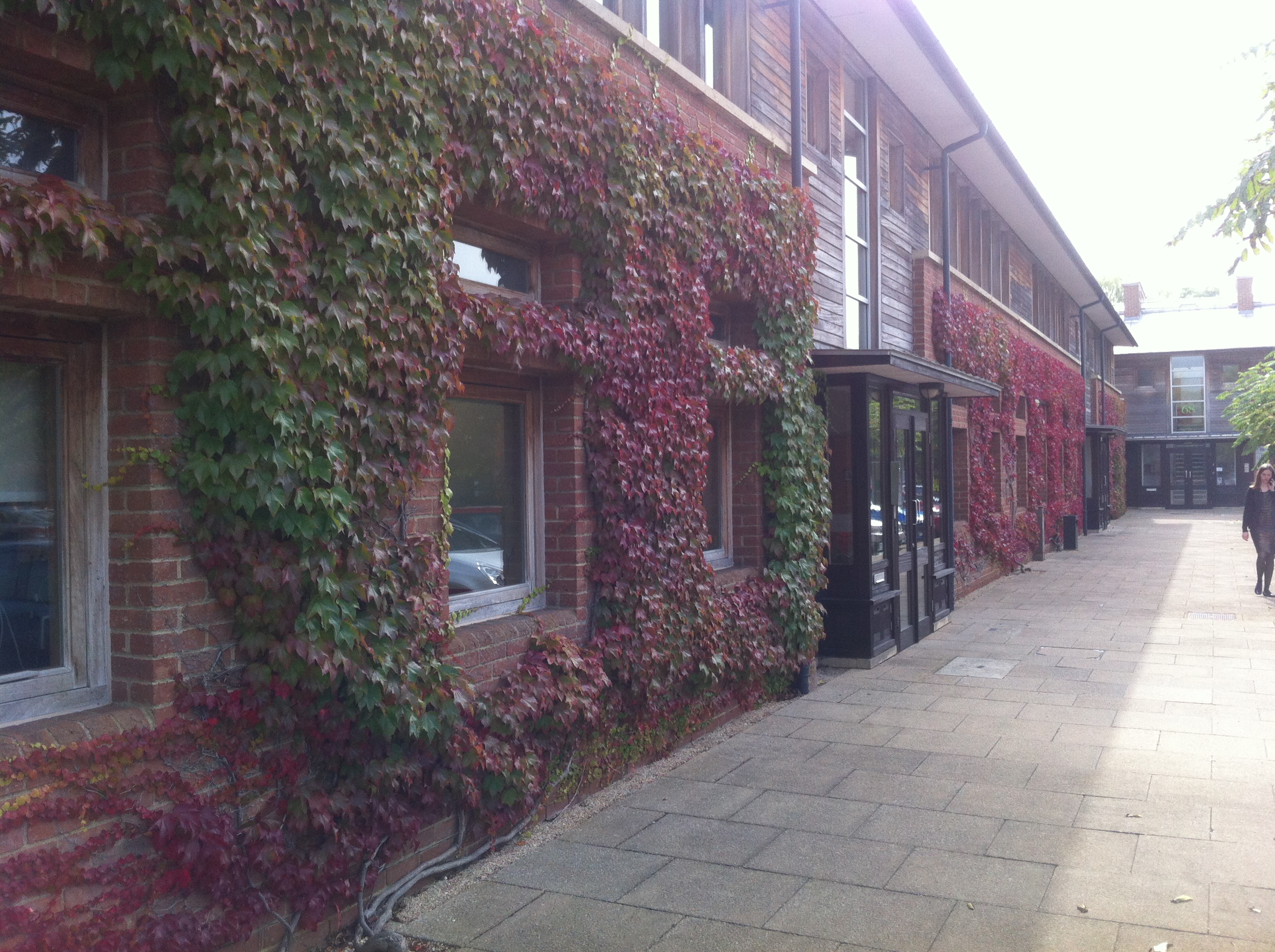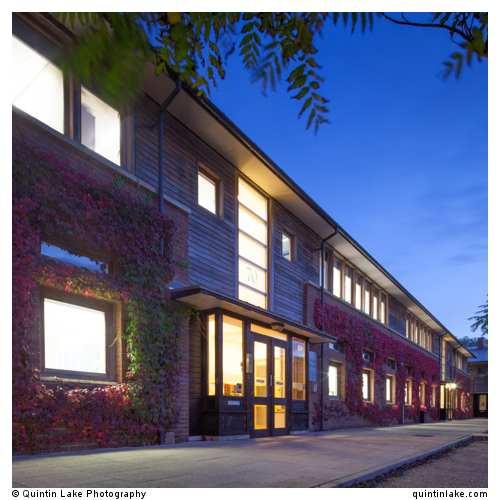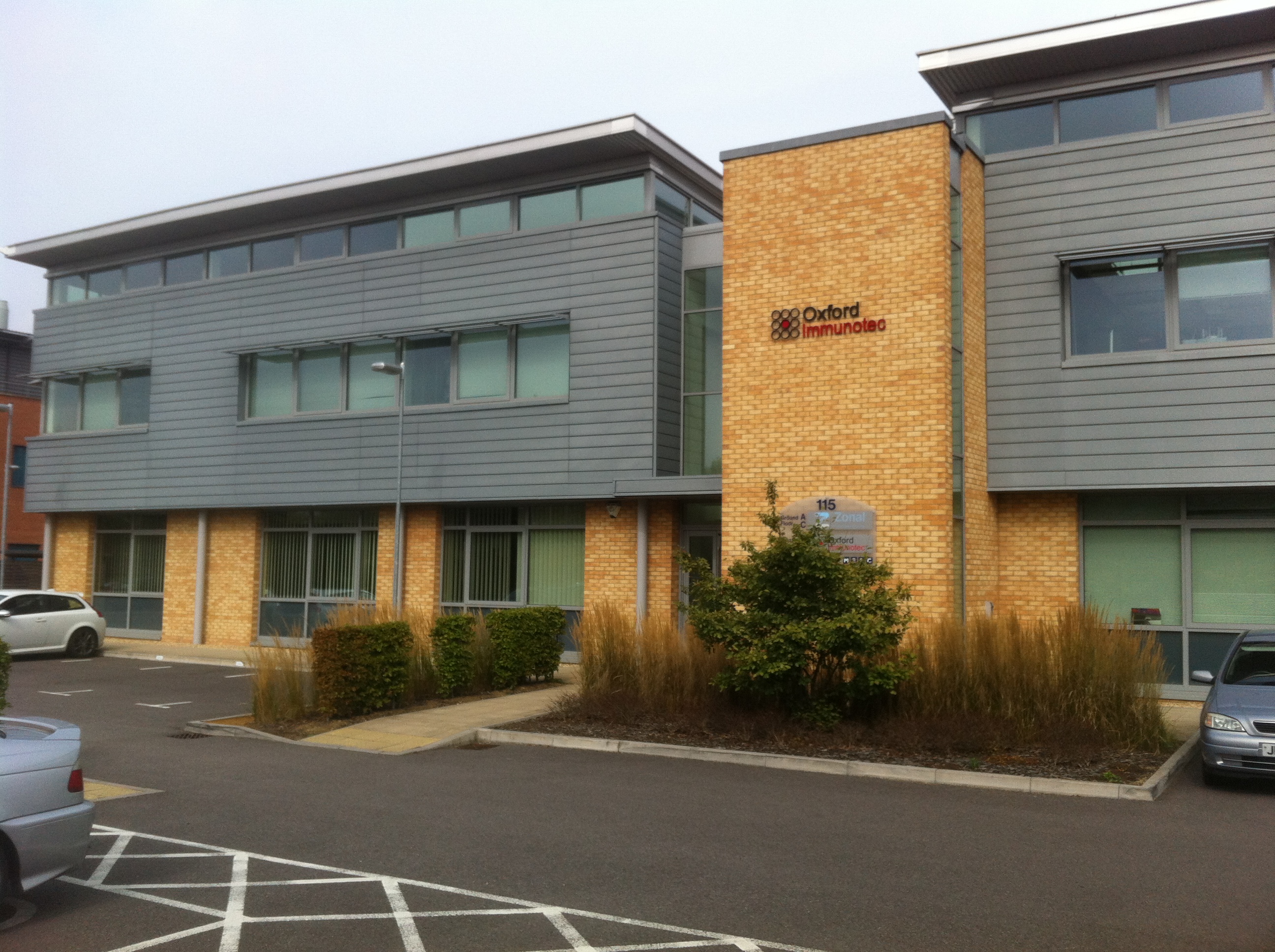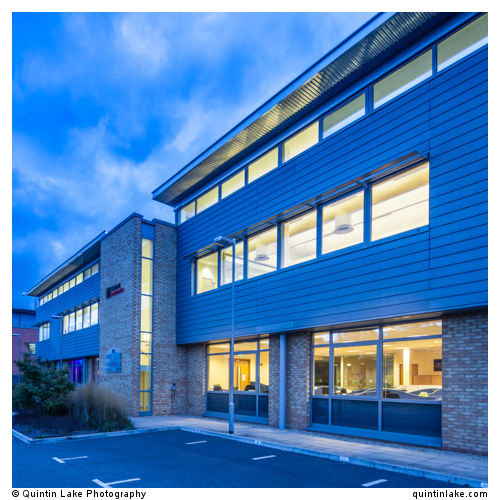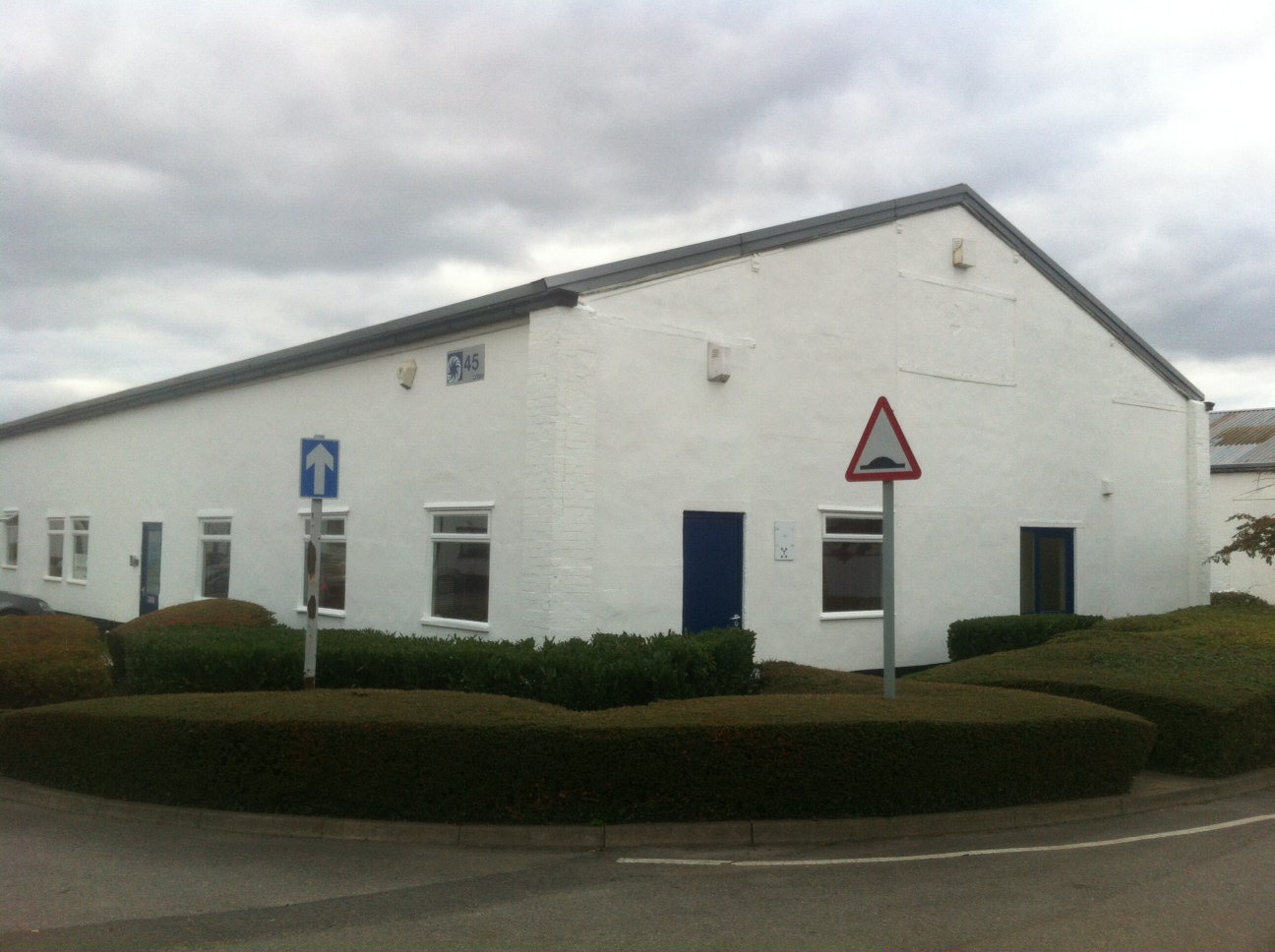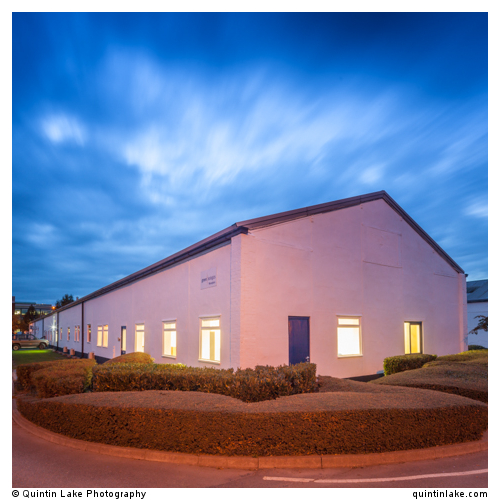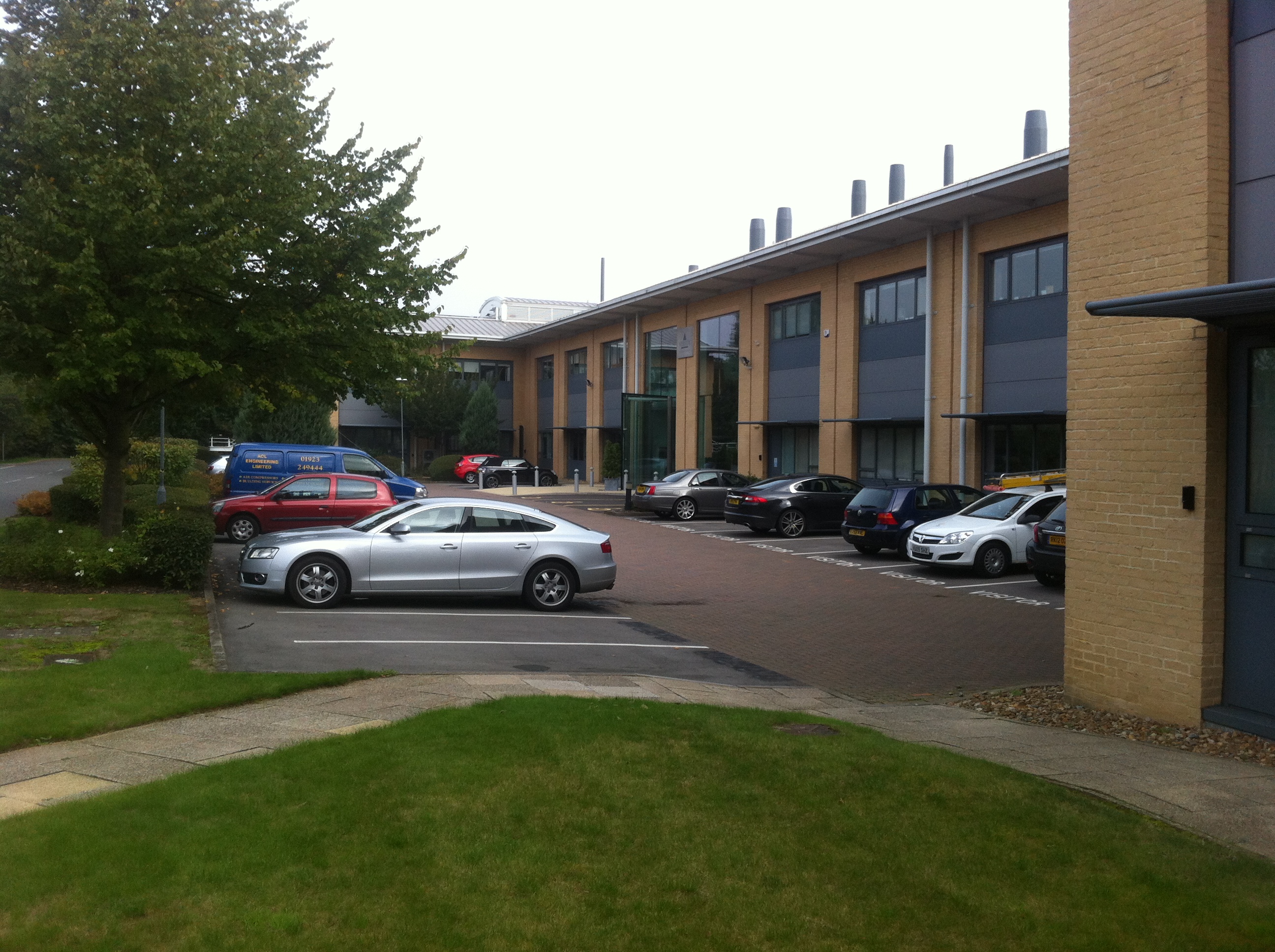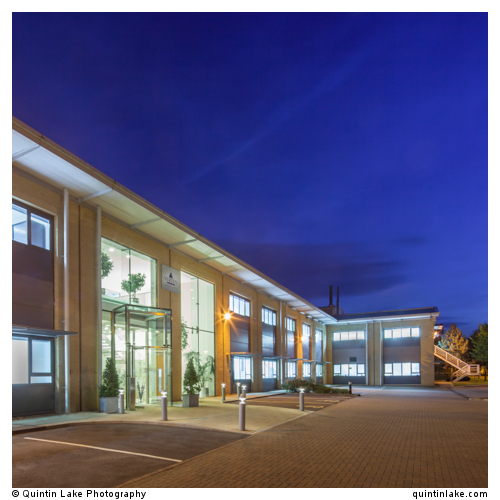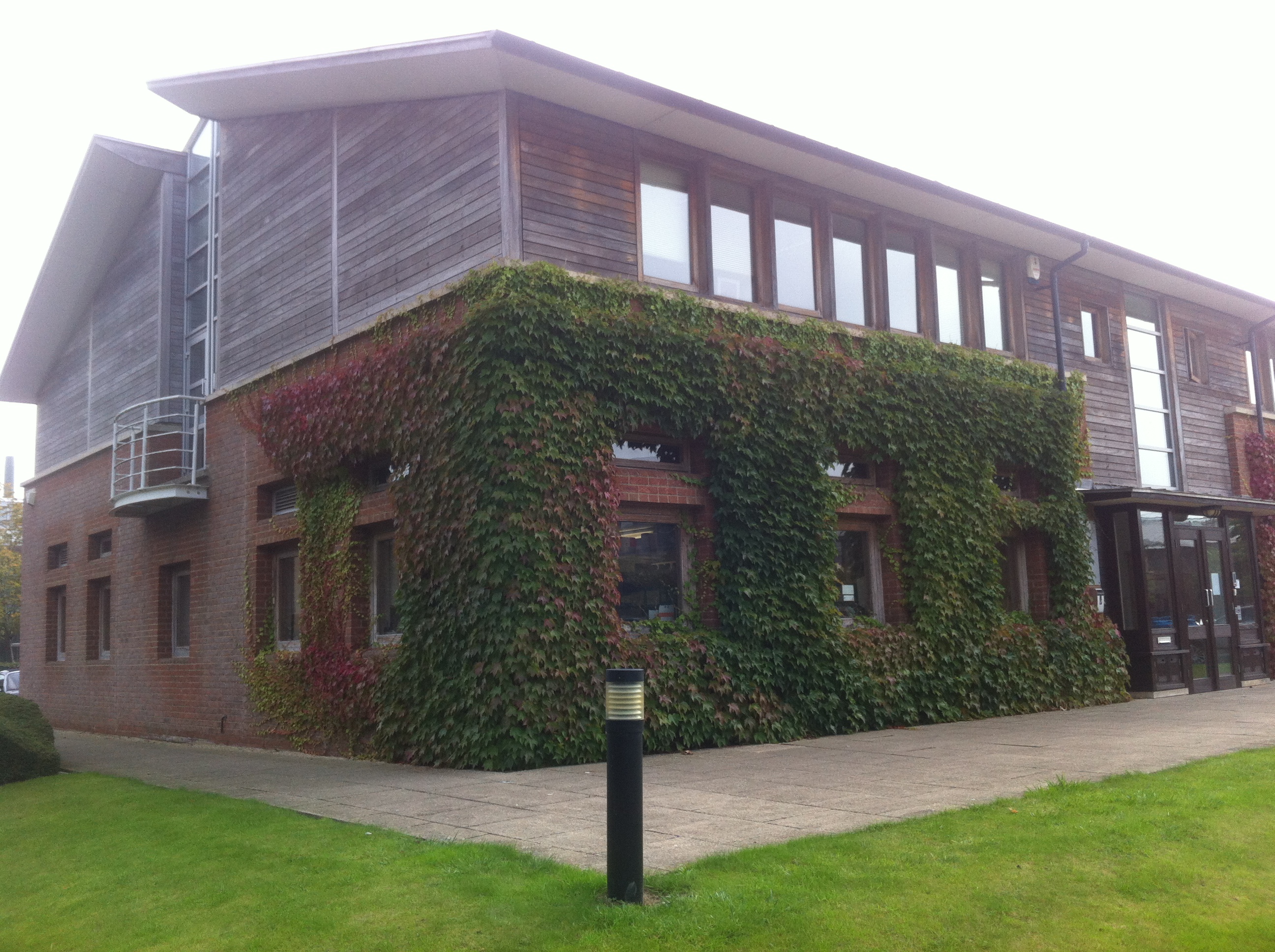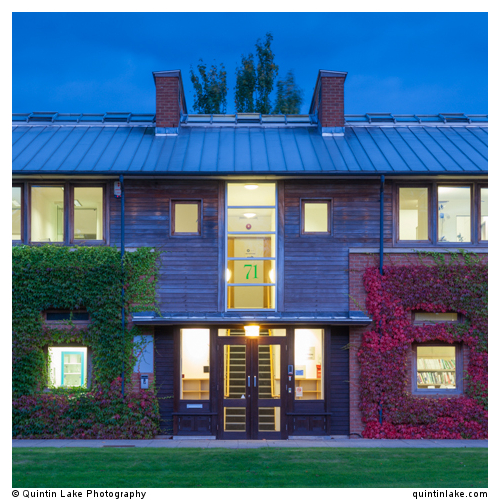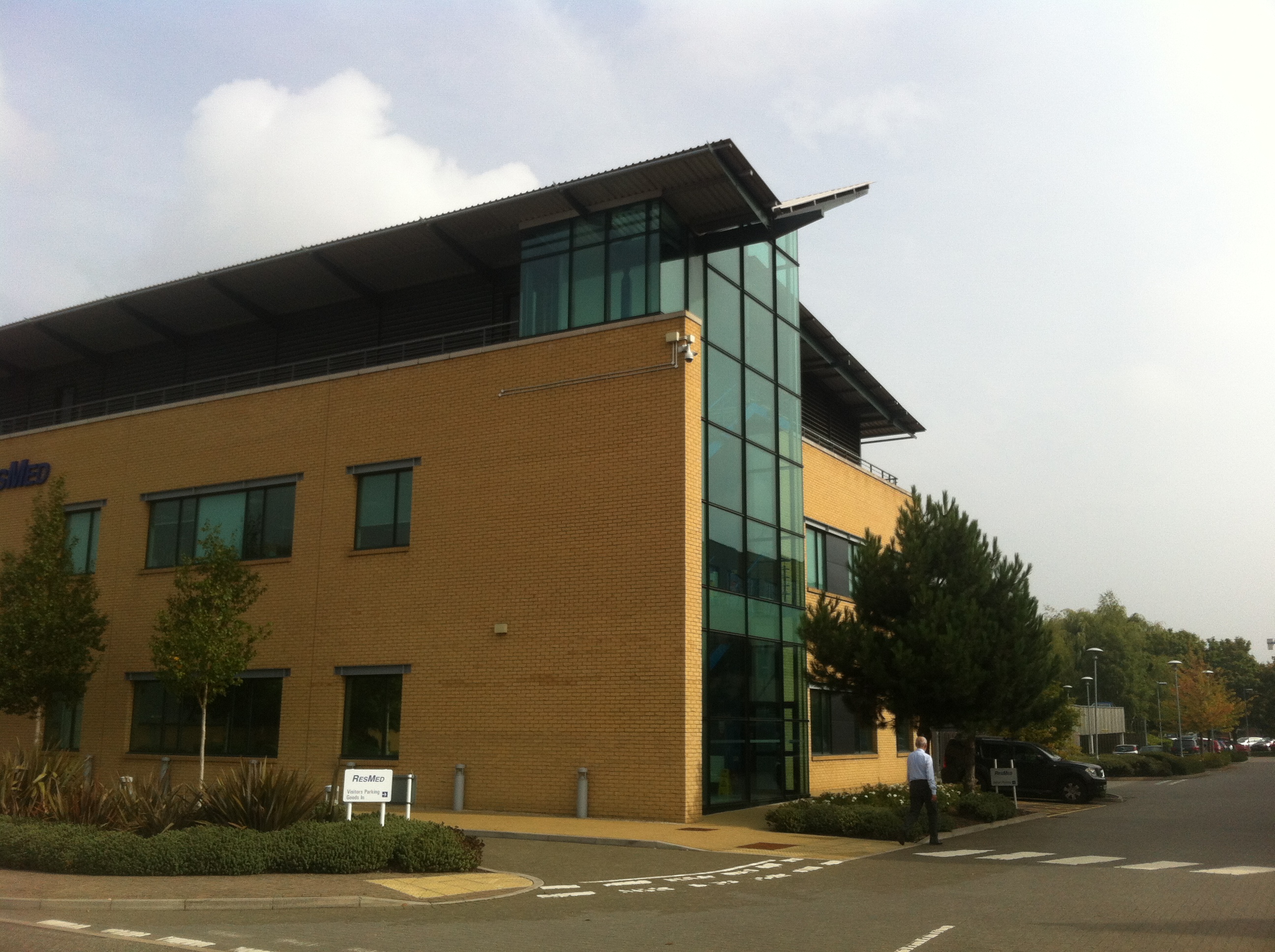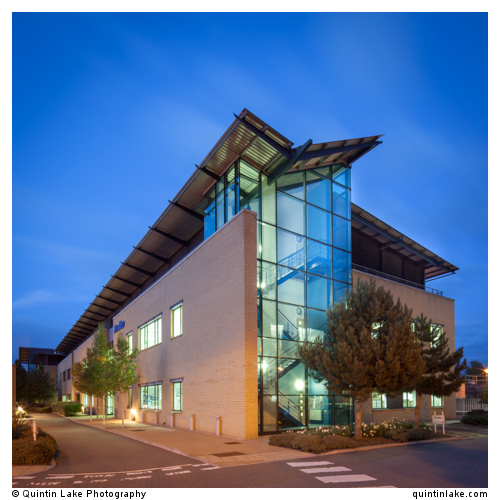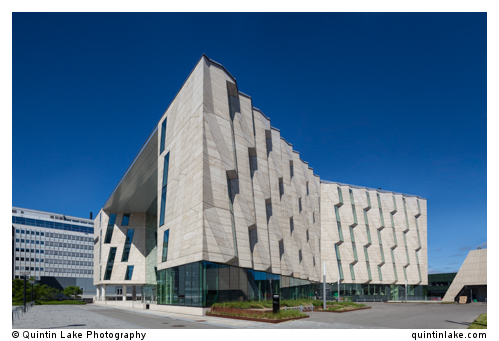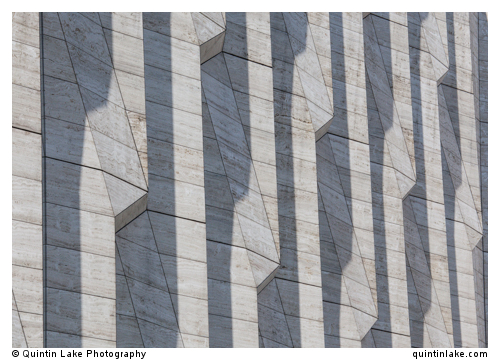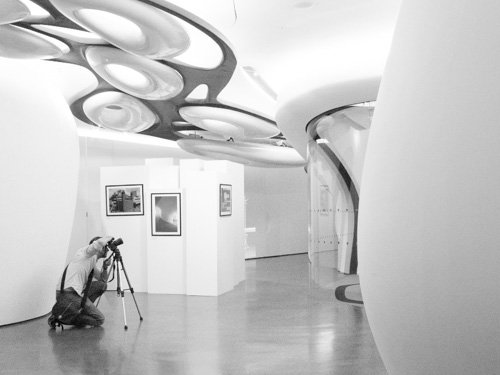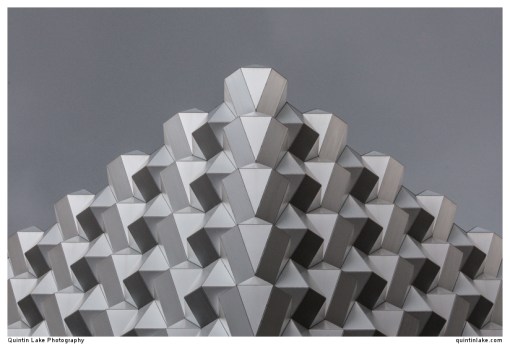
These photos from a recent job for OBN (Oxford Bioscience Network) contrast the pre shoot iPhone reference photos with the final dusk photos produced with a full frame camera, tilt shift lens, careful composition and cropping.
“Momently clinging to the things we knew — Friends , footpaths, hedges, house and animals. Till bourne along like twigs and bits of straw we sink below the sliding stream of time.”
John Betjeman, On leaving Wantage, 1972
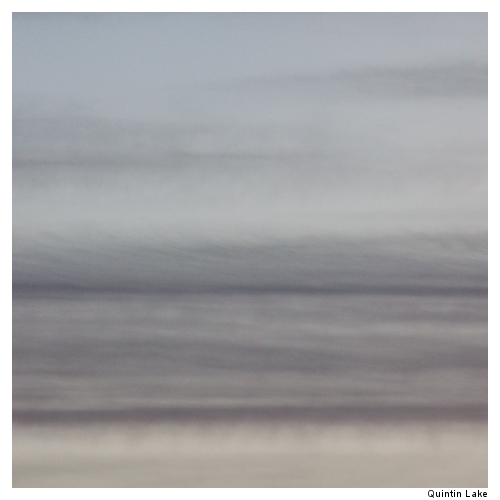
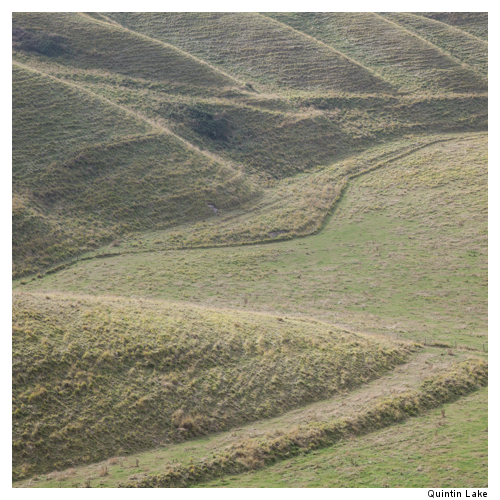
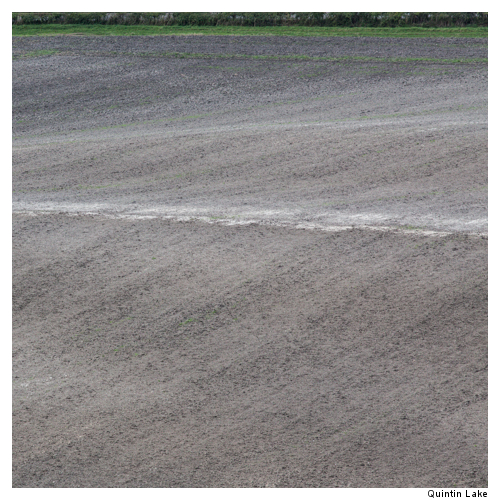
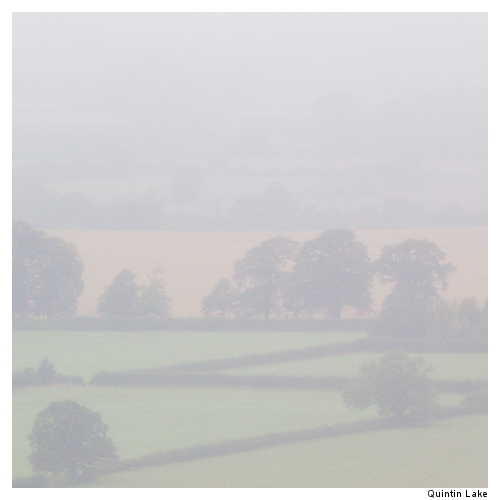
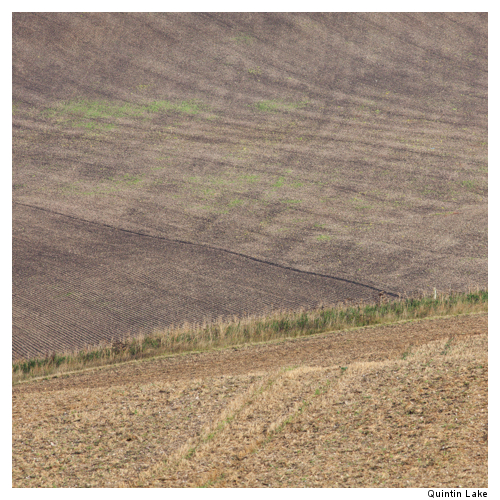
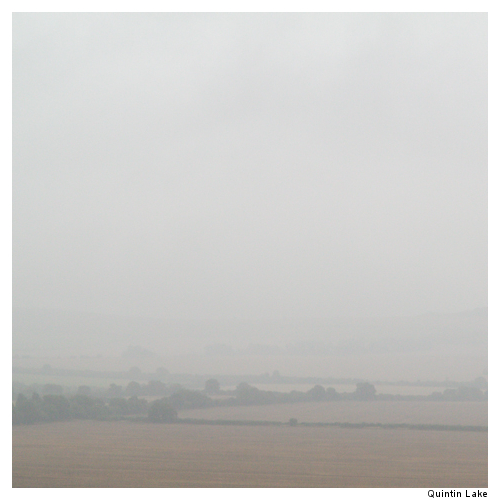
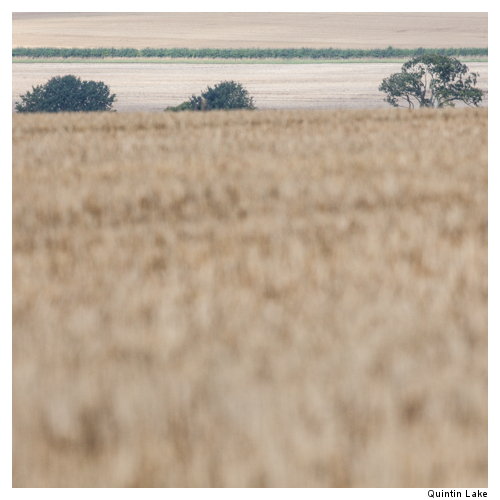
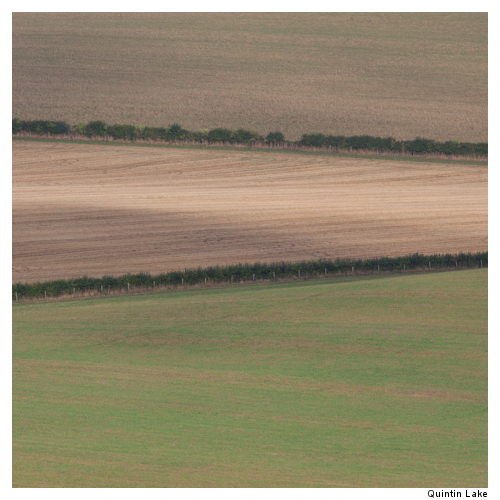
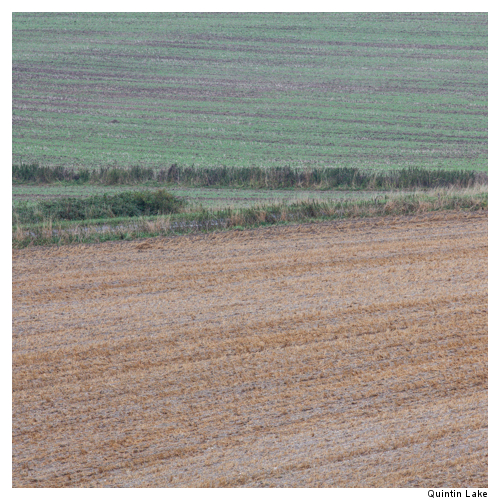
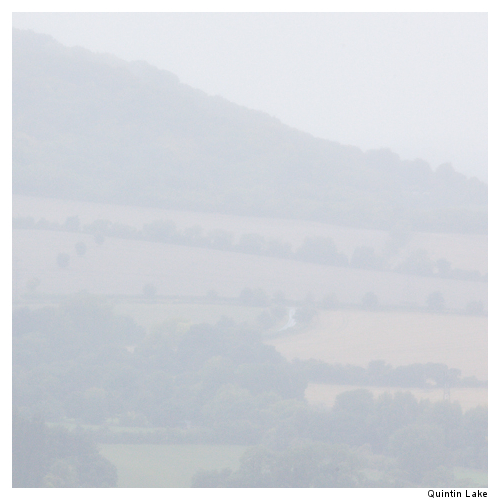
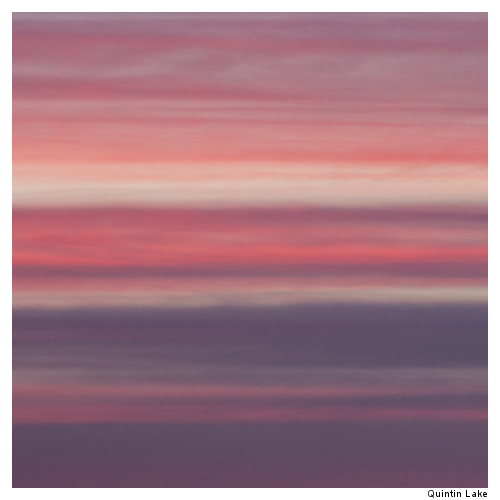
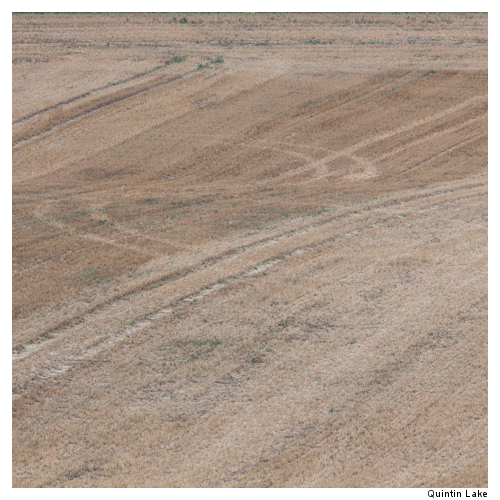
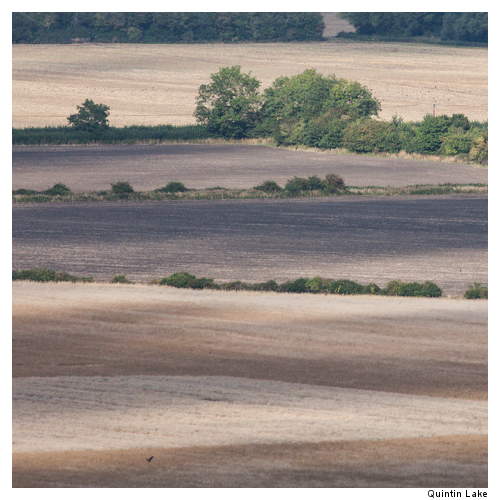
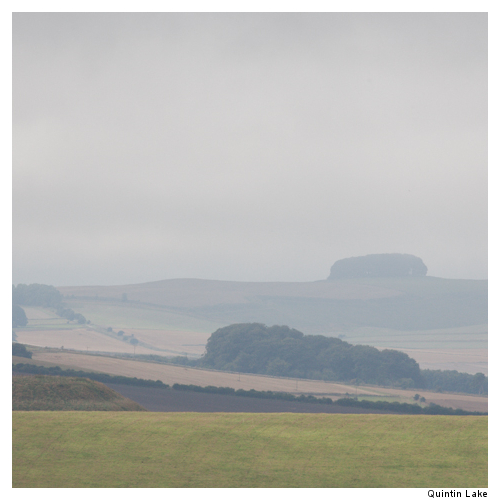
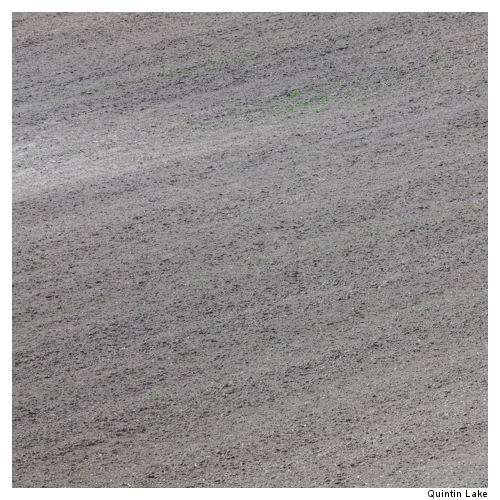
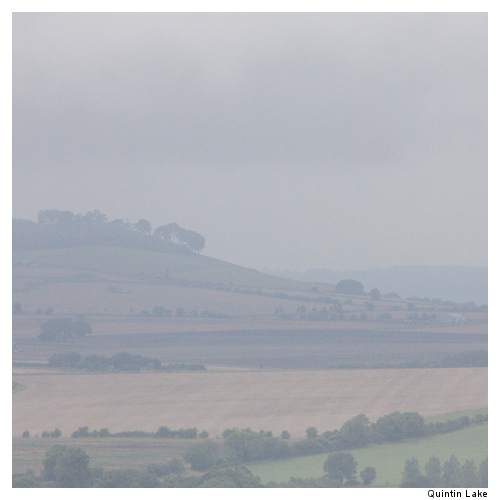
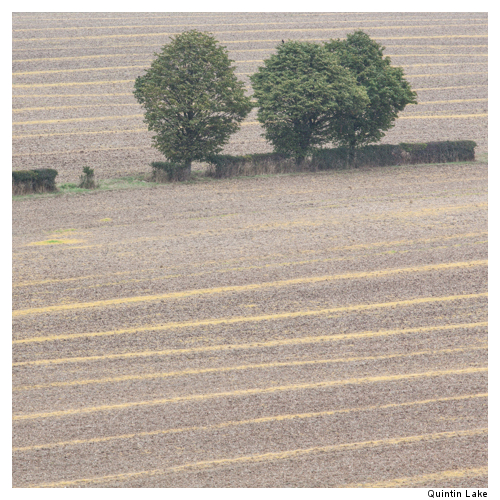
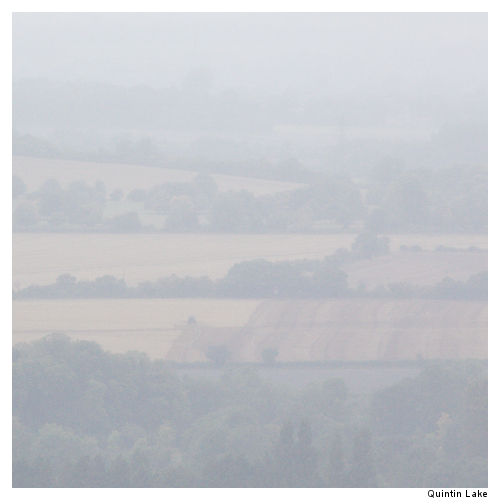
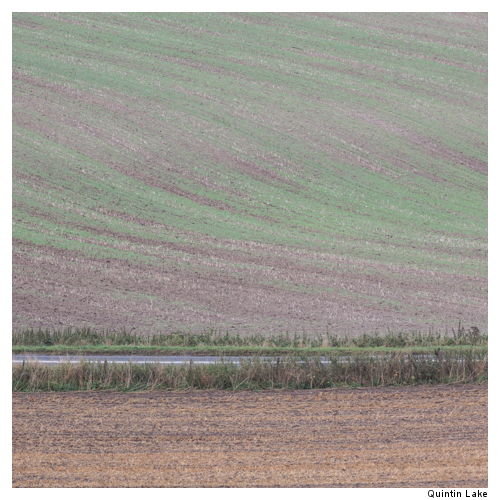
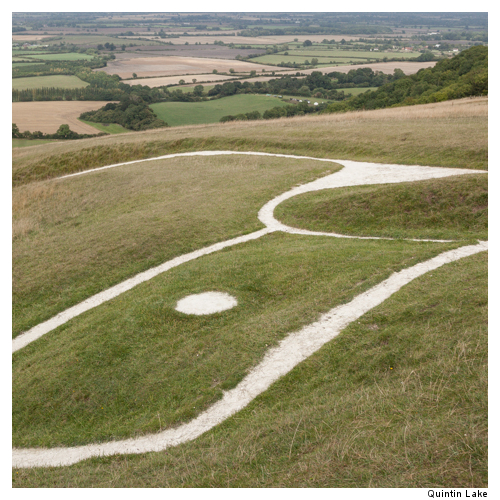
A photo series made along the Ridgeway, England’s oldest road, during a 6 day walk in September 2013 backpacking and wild camping where possible along the 87 miles from Avebury to Ivinghoe Beacon. Most of the photos were taken with a 400mm telephoto lens more commonly used for sports and wildlife photography in order to isolate graphic elements in the distant landscape.
For at least 5000 years travellers have used the Ridgeway. Originally connected to the Dorset coast, the Ridgeway provided a reliable trading route to The Wash in Norfolk. The high dry ground made travel easy and provided a measure of protection by giving traders a commanding view, warning against potential attacks.
This photo series was conceived of as a follow-on project from my walk along the Thames last year Sweet Thames, run softly till I end my song.
Horten Headquarters, Copenhagen, Denmark by Architect: 3XN. Built: 2009. The building is next to Saxo Bank by the same architects.
Click Here for More from this Photoshoot >>
All images available for publication / licensing & prints contact me for pricing or to commission your own shoot.
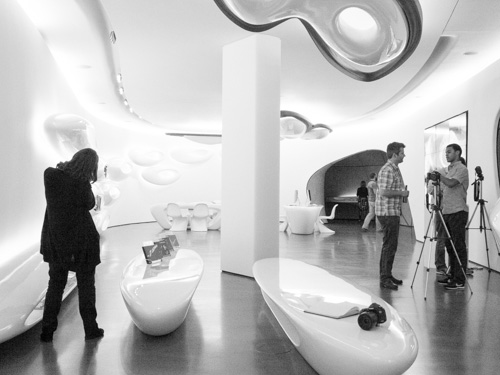
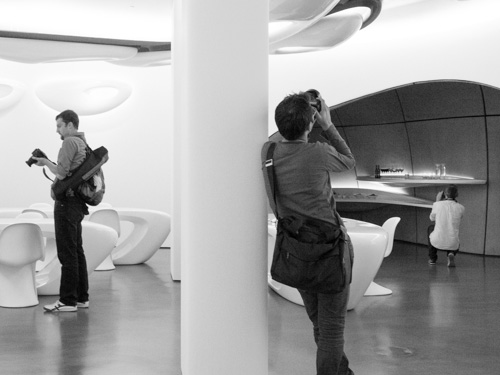
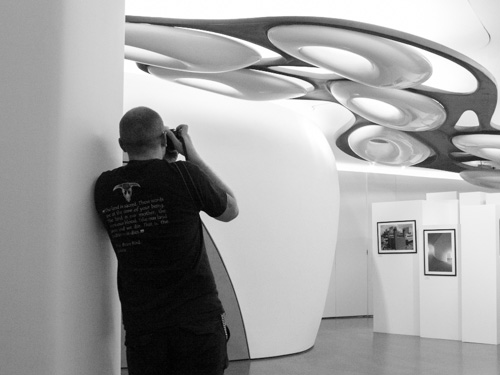
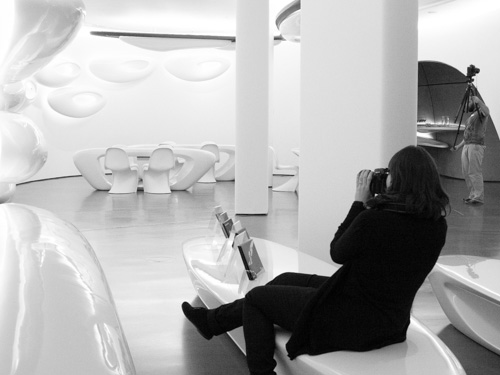
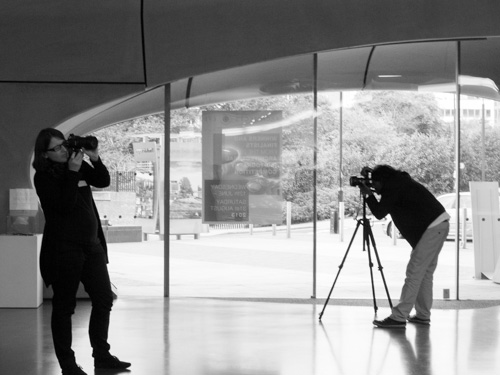
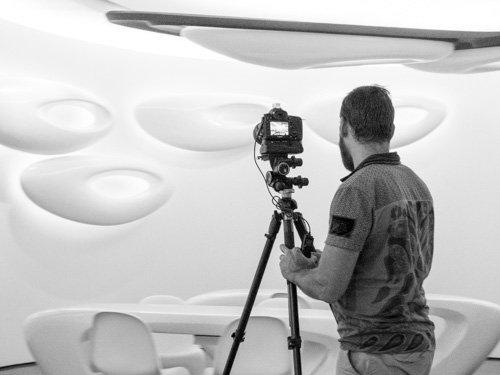
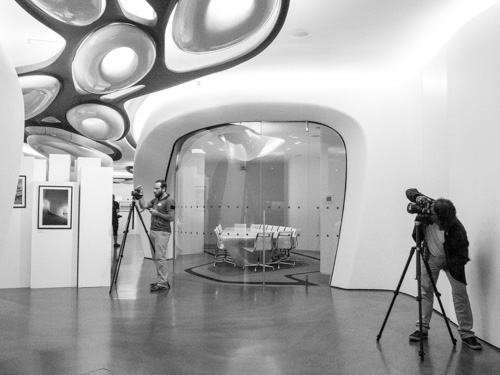
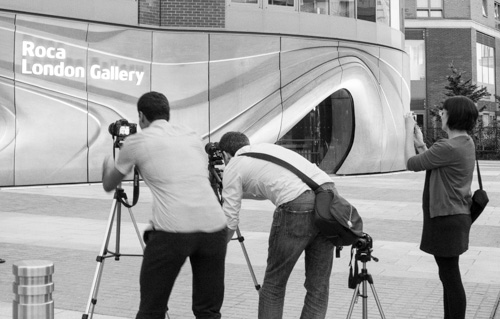
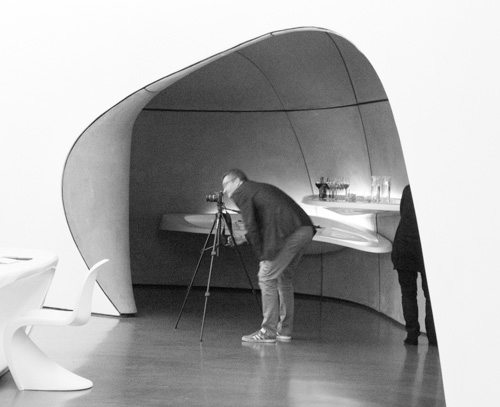
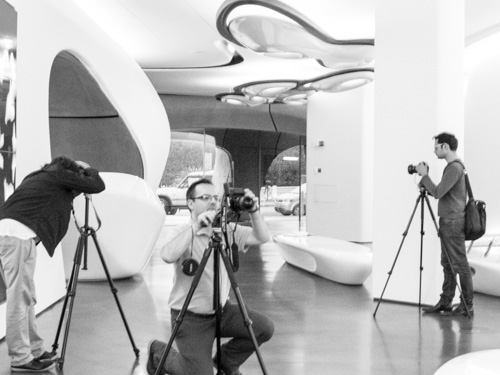
Thanks to all the architects who came to last weeks Architects Eye Photography Workshop and everyone at ROCA Gallery and International Art Consultants for making the event a success.
I’ll be publishing my slides from the workshop, including seven tips for better architectural photography, in the new Tips & Techniques section on this blog over the coming weeks…..

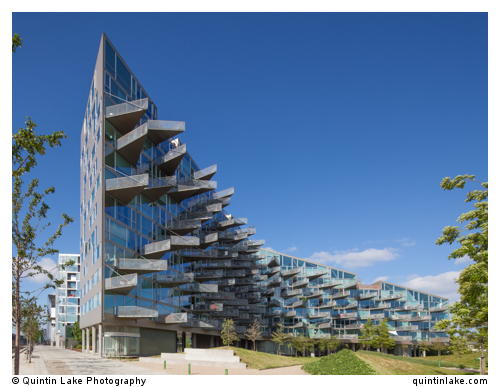
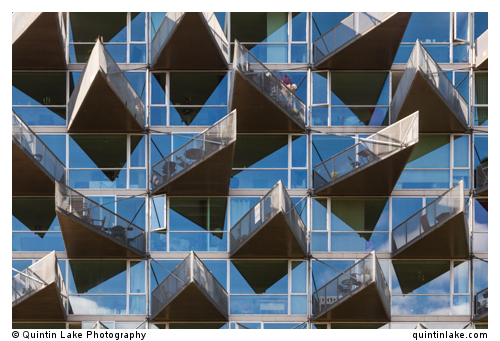
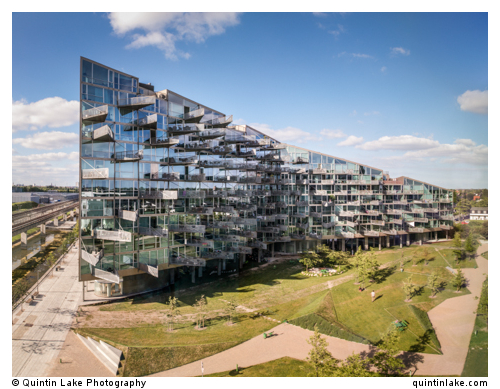
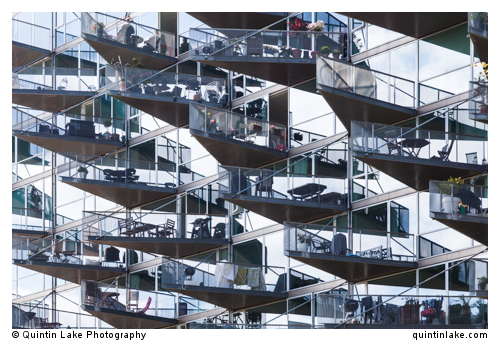
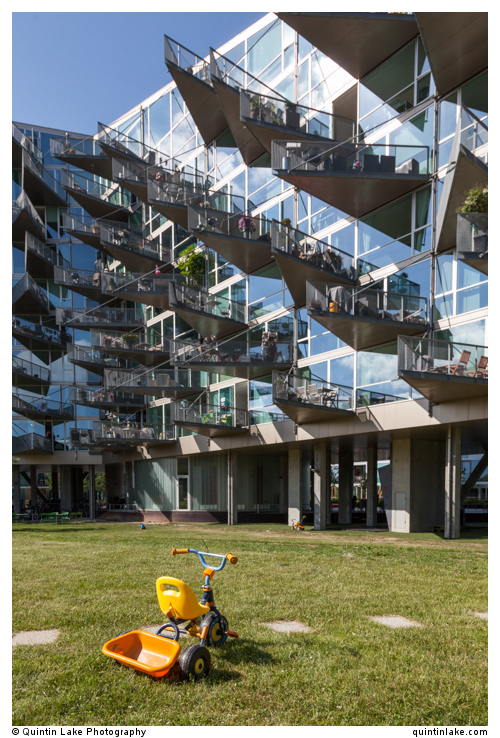
VM Houses, Copenhagen, Denmark. Architect: PLOT = BIG (Bjarke Ingels Group) + JDS. Built: 2005
Click Here for More from this Photoshoot >>
All images available for publication / licensing & prints contact me for pricing or to commission your own shoot.
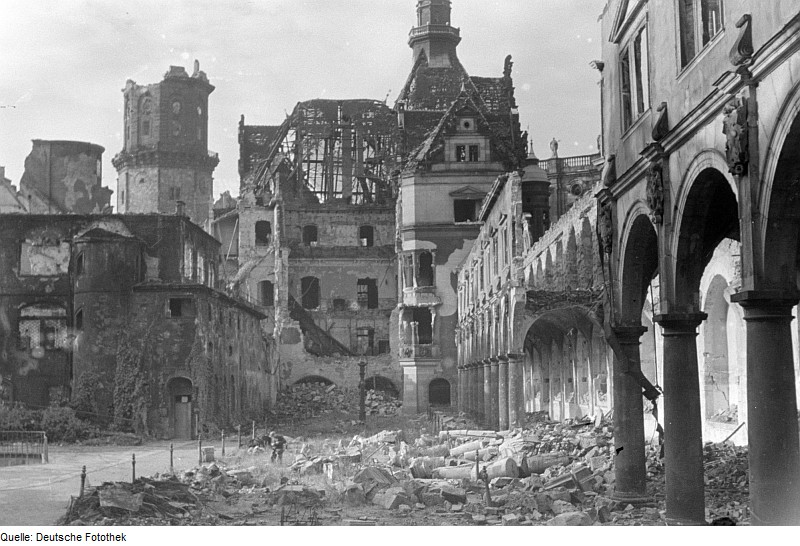
The Stable Courtyard (Stallhof) of Dresden Castle, Germany is where the jousting tournaments used to be held near the Castle and the reverse hold the Procession of the Princes mural. Constructed in 1568 and restored in 1976 after the Anglo-American bombing of 1945.
Click Here for More from this Photoshoot >>
All images available for publication / licensing & prints contact me for pricing or to commission your own shoot.
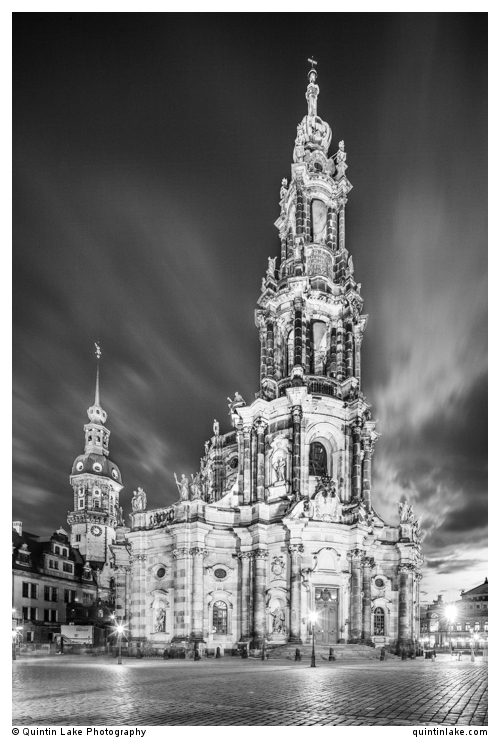
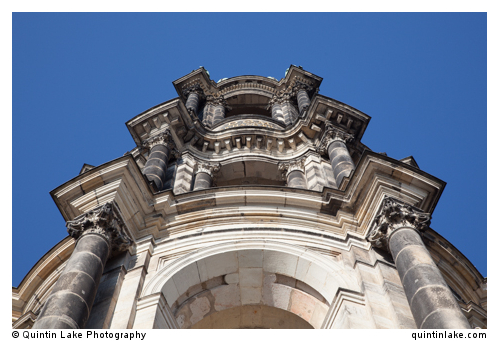
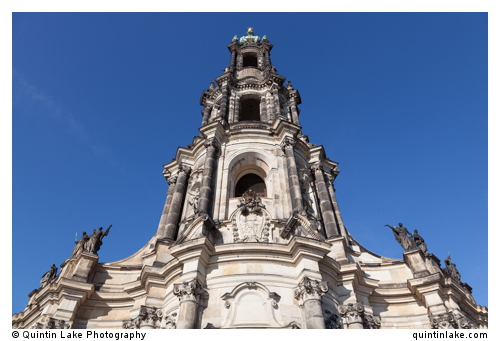
The Katholische Hofkirche, (English: The Catholic Church of the Royal Court of Saxony) was built in 1751 having been commissioned by Frederick Augustus II, Elector of Saxony and King of Poland while the Protestant city of Dresden built the Frauenkirche (Church of Our Lady) between 1726 and 1743. The Elector decided that a catholic church was needed in order to counterbalance the Protestant Frauenkirche. The architect was Gaetano Chiaveri. The church was badly damaged during the bombing of Dresden in World War II and was restored during the mid-1980s under the East German regime.
Click Here for More from this Photoshoot >>
All images available for publication / licensing & prints contact me for pricing or to commission your own shoot.
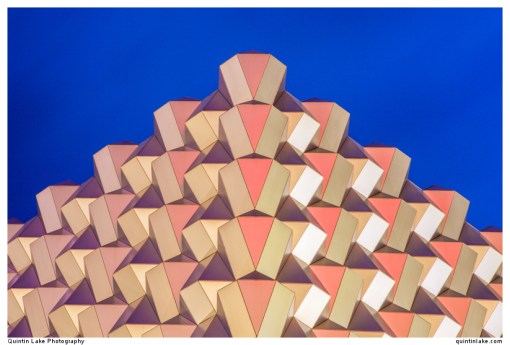
The former GDR ‘Centrum’ department store was designed by Hungarian architects Ferenc Simon and Ivan Fokvari and built in 1978 making first use of the distinctive honeycomb facade. It was converted to a Karstadt after the fall of Communism. Karstadt later moved across the street to a new, larger building and the Centrum building was demolished in spring 2007 so a new, huge mall, ‘Centrum Galerie’, could be built on the site. The rebuilding was undertaken by Peter Kulka Architektur Dresden.
Click Here for More from this Photoshoot >>
All images available for publication / licensing & prints contact me for pricing or to commission your own shoot.