Archives for posts with tag: Architectural Photography

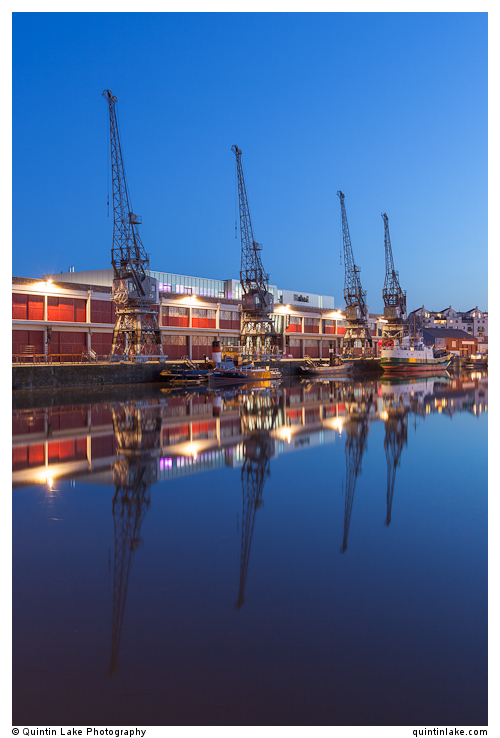
M Shed, Bristol at Dusk. Architect: LAB Architecture Studio

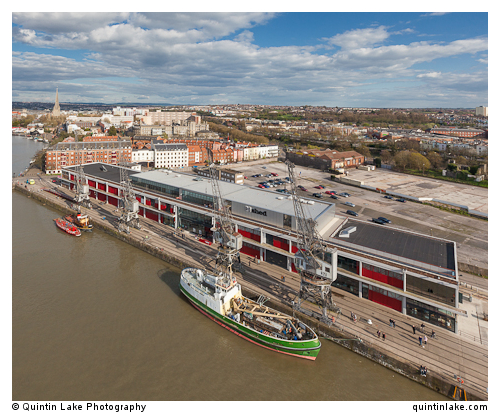
M Shed and Prince’s Wharf from above. Thanks to UK Bungee Club for letting me use their crane!

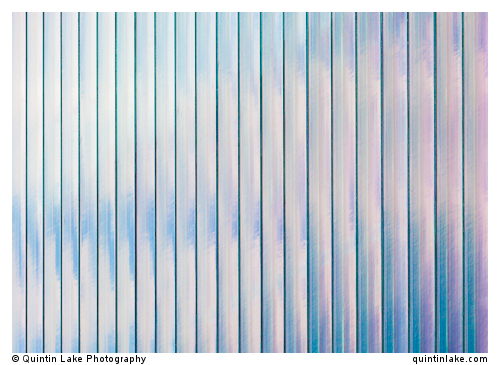
M Shed glass facade detail

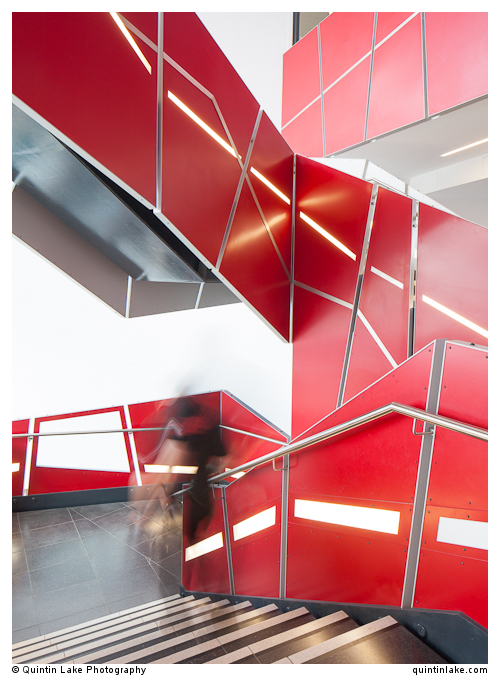
Faceted staircase at M Shed

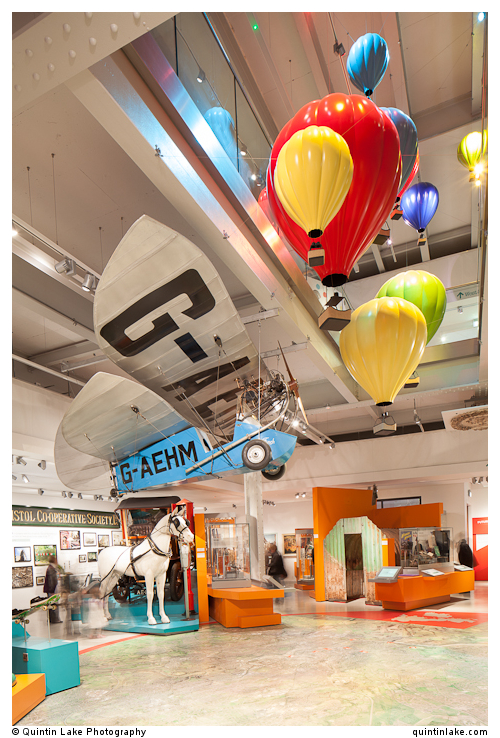
Main exhibition space at M Shed

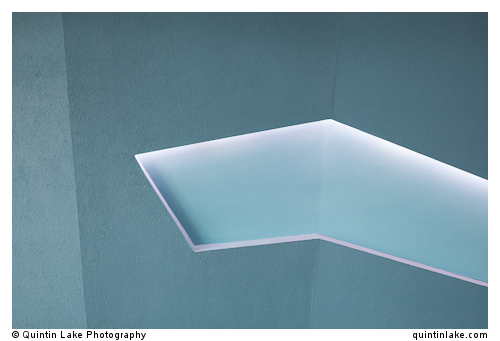
Staircase detail at M Shed

An architectural photography assignment for the architect of the museum, LAB Architecture Studio. M Shed is a museum located on Prince’s Wharf  in Bristol, England. The building opened in June 2011 with exhibits exploring life and work in the city.

Click Here for More from this Photoshoot >>

All images available for publication / licensing contact me for pricing. 


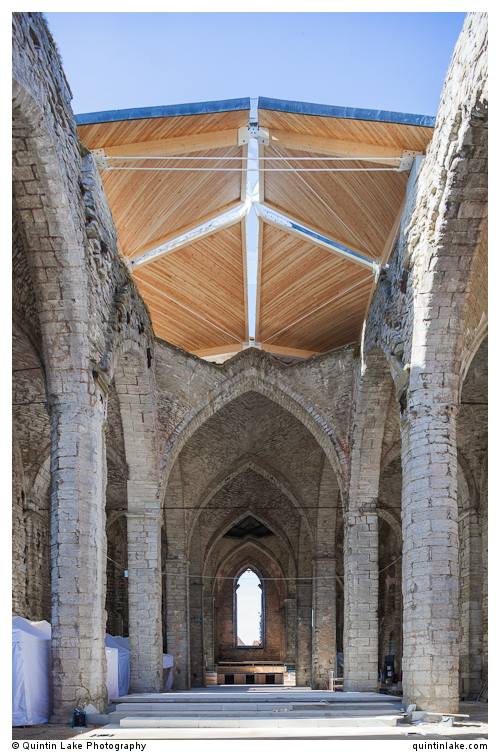
New laminated timber roof over the concert hall, under construction, in the original 1230 nave of St.Nicolai (St.Nicolaus) church ruins, Visby, Gotland, Sweden

Detail of glulam roof

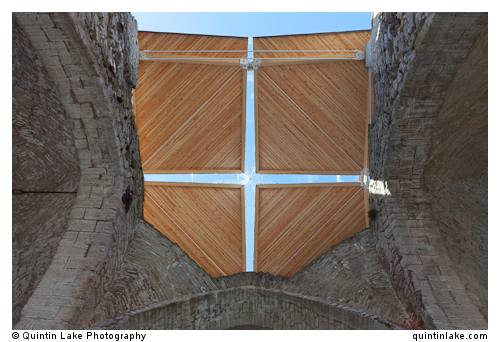
The cross shape of the glazing seen from below

Contrast of old and new within the church ruin

St.Nicolai church ruins seen in front of the sea in Visby, Gotland

An architectural photography assignment for Søren Jensen engineers, Denmark to create a portfolio of images of the new roof at  St.Nicolai church, Visby. St.Nicolai (St.Nicolaus) church ruins, Visby, Gotland, Sweden was originally built in 1230 and is being adapted into a concert hall. The images will be used to enter the project into the Structural Engineers award. Architect:  Exners Tegnestue A/S,  Engineer: Søren Jensen

Click Here for More from this Photoshoot >>

All images available for publication / licensing contact me for pricing. 

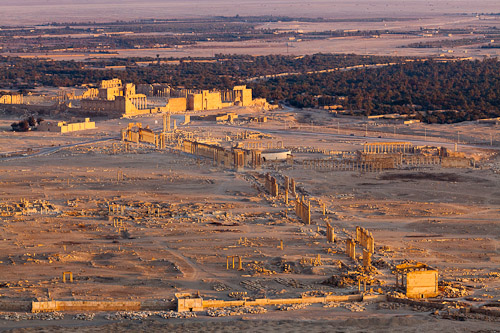
Overview of Palmyra at sunset showing the Great Colonnade running from the Funerary Temple in the foreground to the Temple of Bel at rear. Photo: Quintin Lake
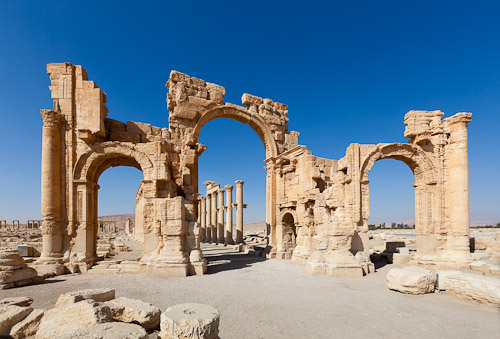
Monumental Arch, the entrance to the city, Palmyra, Syria. Photo: Quintin Lake
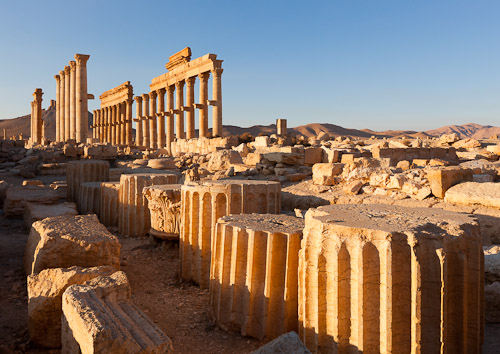
Great Colonnade, Palmyra. Photo: Quintin Lake
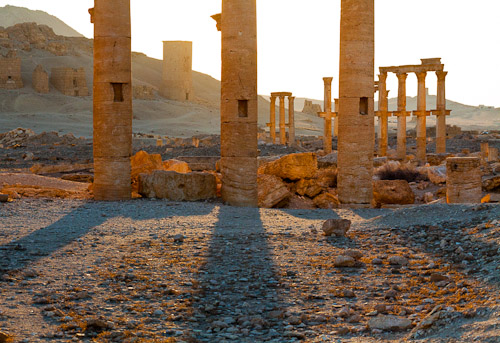
Columns of the Great Colonnade in front of the Valley of the Tombs, Palmyra. Photo: Quintin Lake
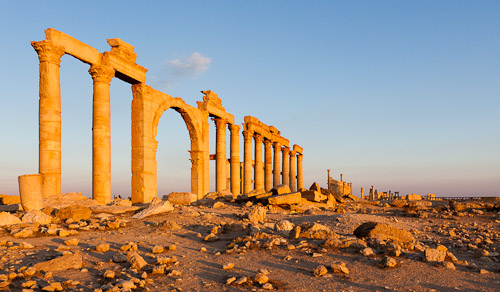
Arch of the Great Colonnade at sunset, Palmyra, Syria. Photo: Quintin Lake
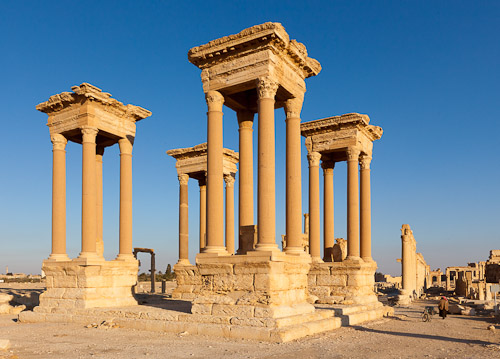
Tetrapylon, placed at a crossroads, Palmyra, Syria. Photo: Quintin Lake
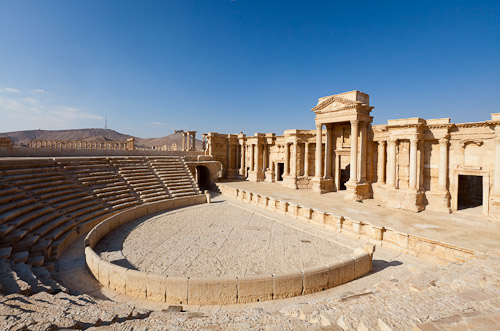
Theatre, Palmyra, Syria. Photo: Quintin Lake
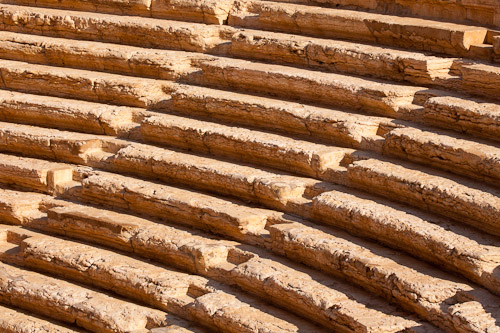
Stone seats and steps in the theatre at Palmyra, Syria. Photo: Quintin Lake
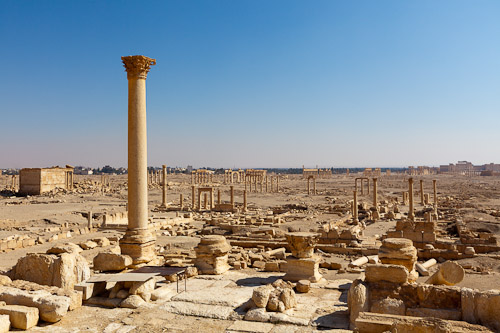
A commanding view of Palmyra seen from the Temple of the Standards in Diocletian's Camp (said to be the location of the Palace of Zenobia) Photo: Quintin Lake
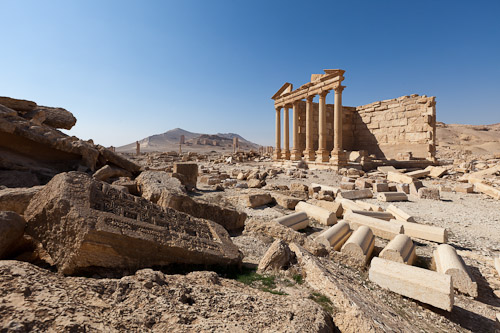
Funerary Temple at Diocletian's Camp. Palmyra, Syria. Photo: Quintin Lake
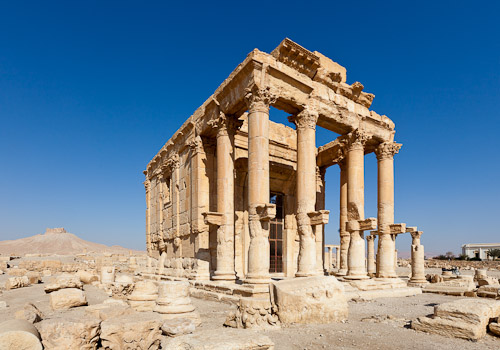
Temple of Baal Shamin. Palmyra. Photo: Quintin Lake
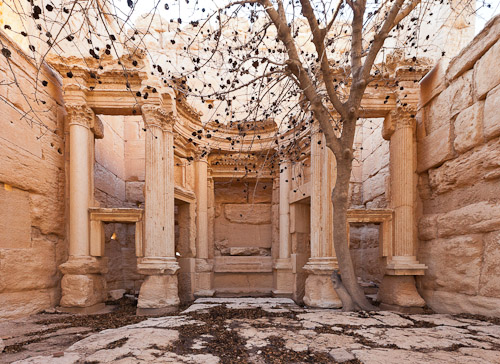
Temple of Baal Shamin Interior. Palmyra. Photo: Quintin Lake
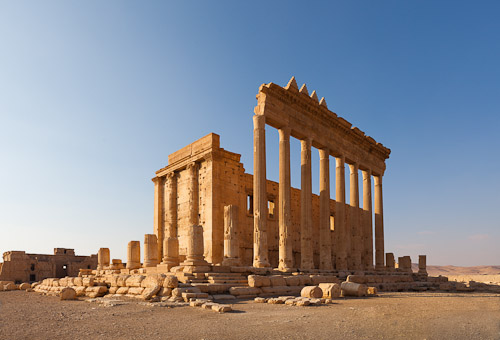
Cella or Inner Temple of the Temple of Bel, Palmyra. Photo: Quintin Lake
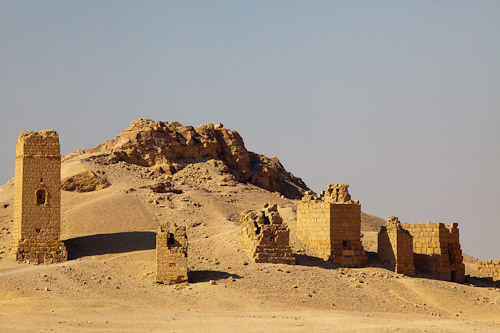
Towers of Yemliko, Valley of the Tombs, Palmyra, Syria. Photo: Quintin Lake
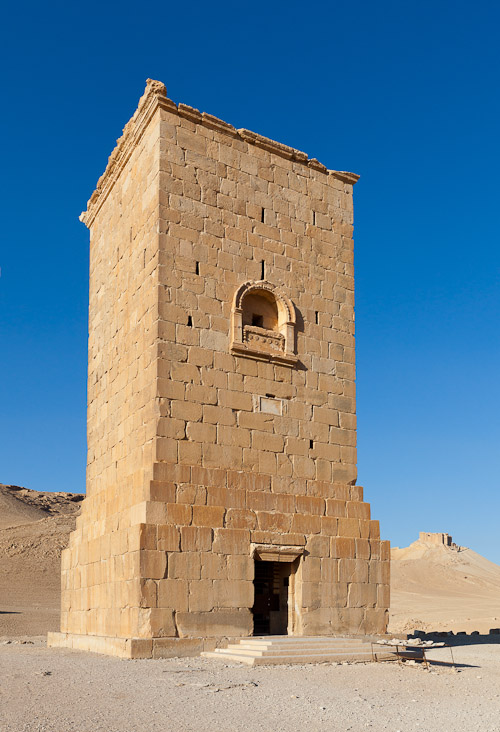
Tower of Elahbel, burial tower, Palmyra, Syria. Photo: Quintin Lake
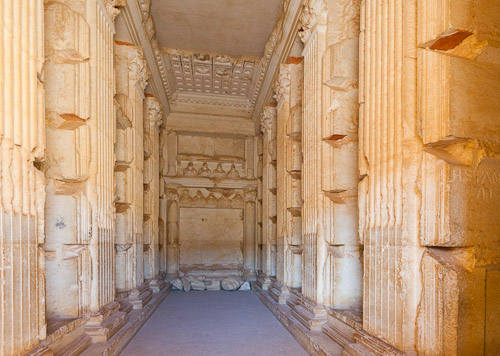
Burial Chambers inside Tower of Elahbel, burial tower, Palmyra. Photo: Quintin Lake
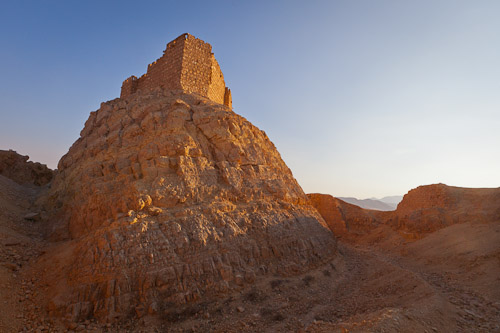
Muslim Castle, Palmyra (Qala'at ibn Maan or Fakhr-al-Din al-Maani Castle), built by the Mamluks in the 13th century. The castle overlooks Palmyra. Photo: Quintin Lake
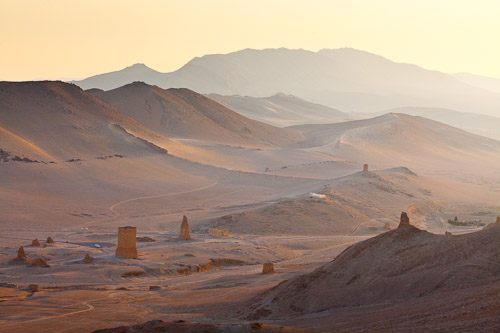
Valley of the Tombs at sunset, Palmyra. Photo: Quintin Lake
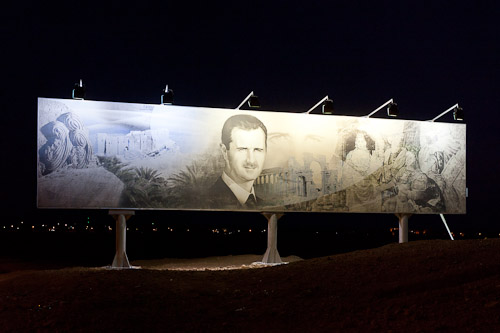
Roadside poster of Bashar al-Assad, president of Syria, February 2011 depicted with the ruins of Palmyra. Photo: Quintin Lake

An oasis in the Syrian desert, north-east of Damascus, Palmyra contains the monumental ruins of a great city that was one of the most important cultural centres of the ancient world. From the 1st to the 2nd century, the art and architecture of Palmyra, standing at the crossroads of several civilizations, married Graeco-Roman techniques with local traditions and Persian influences.

It had long been a vital caravan city for travellers crossing the Syrian desert and was known as the Bride of the Desert. The earliest documented reference to the city by its Semitic name Tadmor, Tadmur or Tudmur (which means “the town that repels” in Amorite and “the indomitable town” in Aramai is recorded in Babylonian tablets found in Mari.

Palmyra became the capital of the short-lived Palmyrene Empire (260–273) which was a splinter empire, that broke off of the Roman Empire during the the Third Century. It encompassed the Roman provinces of Syria Palaestina, Egypt and large parts of Asia Minor. The Palmyrene Empire was ruled by Queen Zenobia.

Click Here for 128 More images from this Photoshoot >>

All images available as fine art prints or for publication / licensing contact me for pricing and to arrange use. Photographs © Quintin Lake  
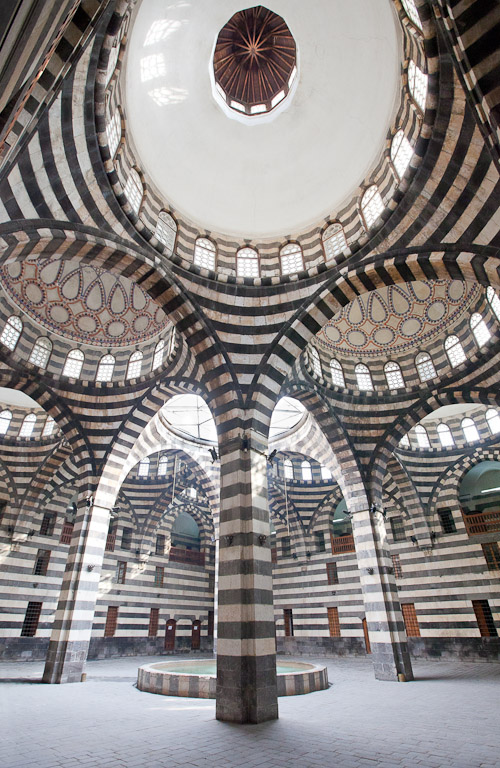
Courtyard of Khan As'ad Pasha Damascus, Syria. Photo: Quintin Lake

The khan or Caravanserai of As’ad Pasha al-Azem is situated along Suq al-Buzuriyyah in the old city of Damascus. It was built between 1751 and 1752 by the city governor As’ad Pasha al-Azem. It is one the most prominent khans of the old city, and covers an area of 2500 square meters.

The building follows a typical khan layout with two floors giving onto a central courtyard. The Khan is entered from Suq al-Buzuriyyah, through a monumental gateway lavishly decorated with stone carvings and roofed by a muqarnas semi-dome. The entrance leads to a square courtyard with shops on the ground floor, used for commerce and storage. The second floor, accessible by a staircase located to the right of the main entrance was used mainly for loadging, and has eighty rooms arranged along a gallery facing the courtyard.

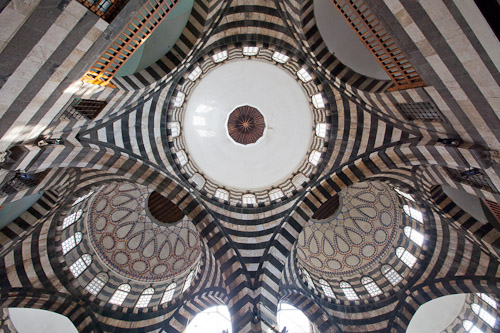
Looking up to the domes of Khan As'ad, Damascus, Syria. Photo: Quintin Lake

The space of the courtyard is divided into nine equal square modules, where each module is covered with a dome raised on a drum pierced with twenty windows. The domes are supported by pendentives that transfer the load onto four piers and to the courtyard walls. An octagonal marble fountain occupies the center of the courtyard below the central dome. Each of the four courtyard walls has three doorways on the ground floor, flanked by two rectangular windows. The symmetry is maintained on the second floor where each gallery façade has three archways flanked by two smaller ones. The khan is built of alternating courses of basalt and limestone.

Three of the courtyard domes were destroyed in an earthquake seven years after the khan’s completion. The openings were covered with wooden planks until 1990 when the khan was restored and the domes rebuilt. No longer used for commerce at the beginning of the twentieth century, the khan was used for manufacture and storage until it was restored in 1990 winning the Aga Khan Award for Architecture.

Click Here for More from this Photoshoot >>

All images available as fine art prints or for publication / licensing contact me for pricing and to arrange use. Photographs © Quintin Lake  
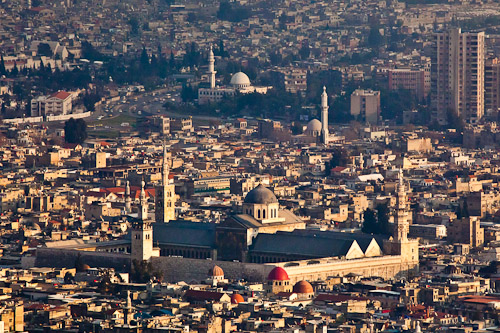
Umayyad Mosque, Damascus viewed from Mount Qassiun

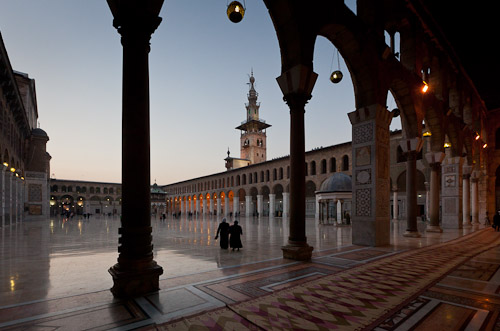
Courtyard and The Minaret of the Bride at dusk after prayers, Umayyad Mosque

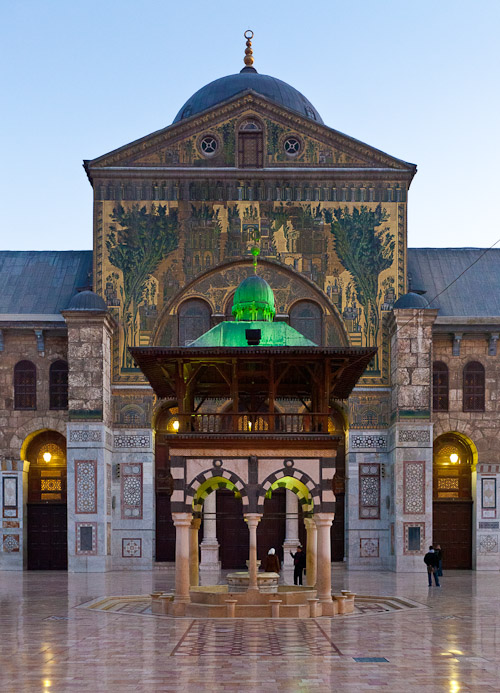
Ablution fountain in front of the main prayer hall decorated with mosaics said to depict paradise.

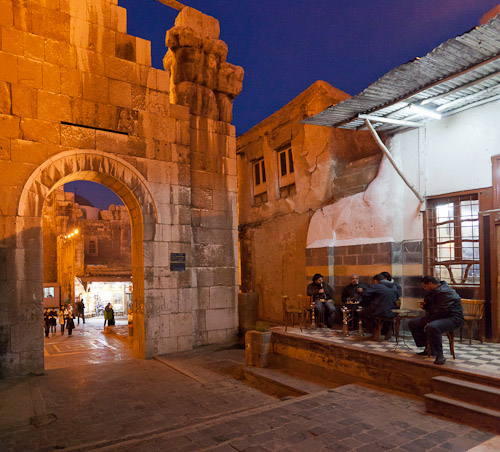
Roman arch east of Umayyad Mosque and sheesha cafe, Damascus, Syria

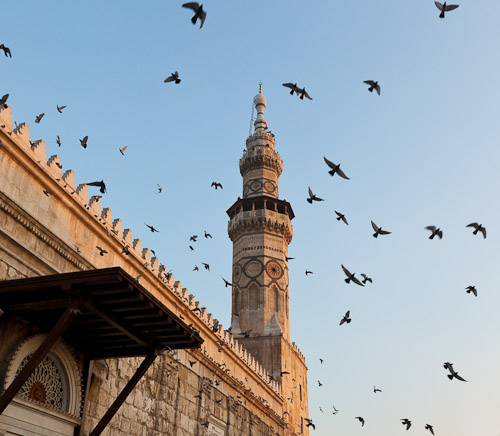
Birds fly by the Minaret of Qaitbayt, Umayyad Mosque, Damascus

The Umayyad Mosque also known as the Great Mosque of Damascus is the first monumental work of architecture in Islamic history; the building served as a central gathering point after Mecca to consolidate the Muslims in their faith and conquest to rule the surrounding territories under the Umayyad Caliphate. It is considered the fourth-holiest place in Islam.

Click Here for More from this Photoshoot >>

Photographs © Quintin Lake

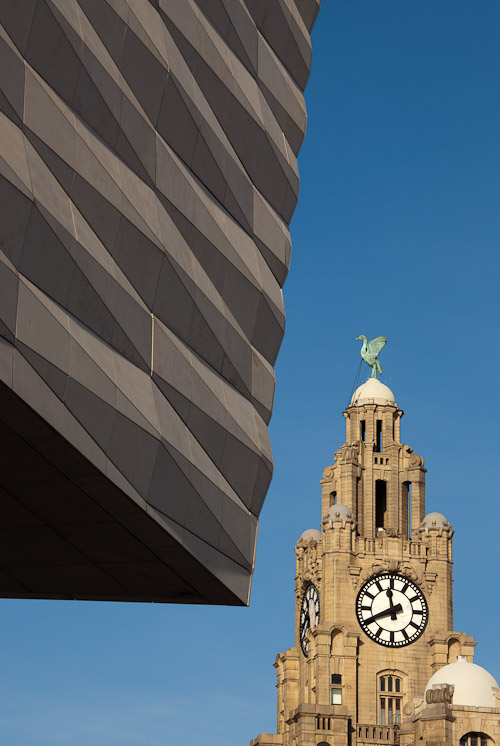
Museum of Liverpool Facade with Royal Liver Building behind topped with the iconic Liver Bird.

The Museum of Liverpool façade’s relief pattern puts forward a new interpretation of the historical architectural detail in the ‘Three Graces”, the UNESCO listed maritime buildings adjacent to the museum. The new building is somewhat underwhelming inside but externally the bold contrast of old and new is very exciting giving the city a modern European feel.  The wave form was inspired by origami and to give the façade an element of variation, as the changing light and shadow affect the facades appearance.  The building opened to the public in July 2011.

Click Here for More from this Photoshoot >>

Photographs © Quintin Lake


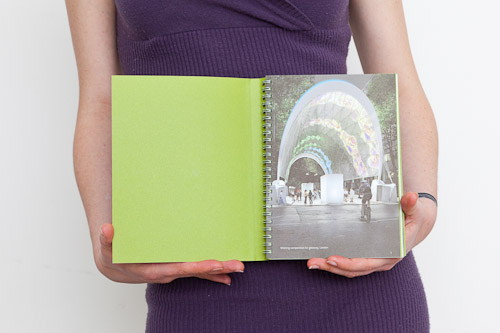
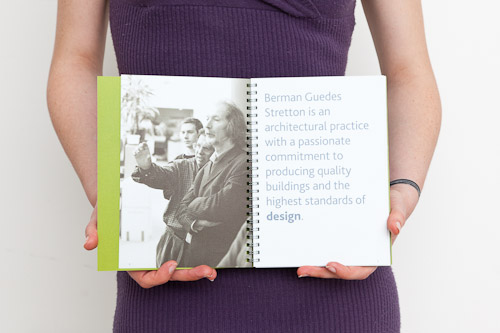
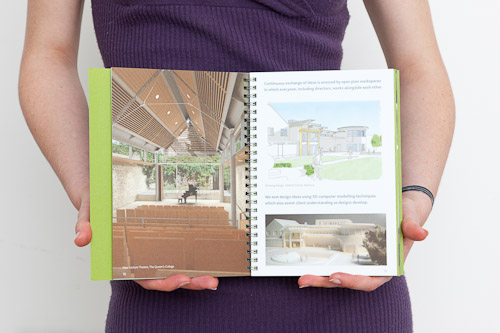
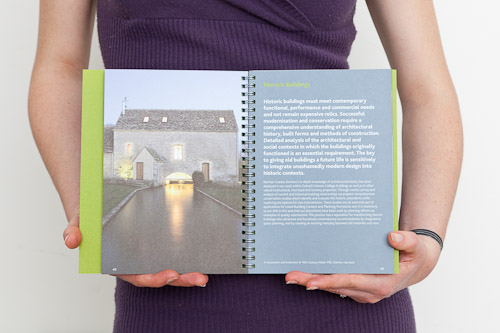
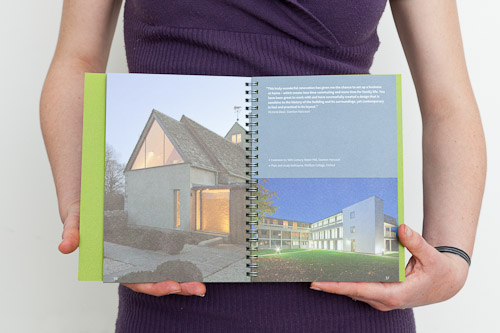
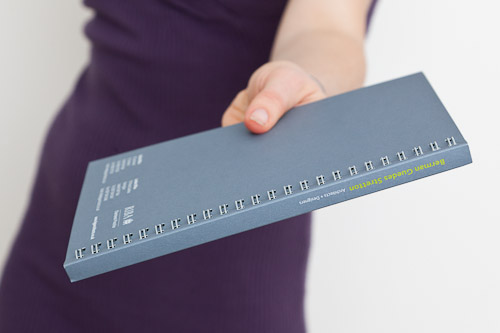
I designed this brochure and produced photography for architects Berman Guedes Stretton with a wrap-around cover which allows them flexibility to update their project pages or add specific pages in the brochure for a particular presentation. The wire bound format also has the advantage that the document lies flat on a desk when opened.

BGS architects pride themselves on their green credentials and this was carried through into the brochure design with uses 100% recycled paper, eco inks and no plastics, laminates or glazes over the print. This was also a factor in choosing the smaller A5 brochure size as it uses less paper.

I’d previously designed their corporate identity based on the beautiful typeface Bliss designed by Jermey Tankard and a green and dark grey colour scheme which are here printed as spot colours lithographically but were chosen to translate well in four colour printing if required.

When photographing their architectural projects for inclusion in the brochure, visualising the format of printed page and the colour scheme the images were intended to work with helped to create suitable photographs on site.

I’m currently documenting each month the major design and redevelopment project Berman Guedes Stretton are undertaking for Pembroke College, Oxford University. The project involves a new quad in Oxford, a radical new bridge, an Art Gallery, Theatre, Cafe and Accommodation due to be finished summer 2012.

Detail of West front of St Paul's Cathedral, London. Completed 1697 by architect Sir Christopher Wren.

Click Here for More from this Photoshoot >>

photographs © Quintin Lake