Archives for posts with tag: Architecture

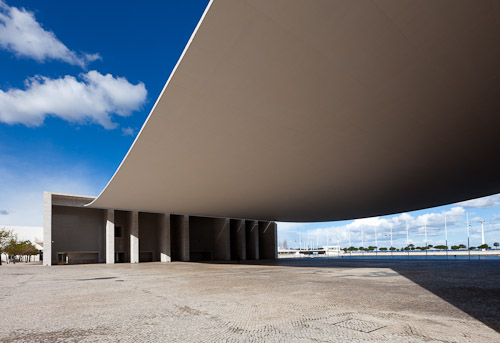
Portuguese Pavilion, Expo 1998, Lisbon. Architect, Alvaro Siza. Two powerful, 15-metre high columns support the no more than 20-centimetre thick concrete ceiling which is reinforced by stainless steel cables set in the walls hanging overhead like a great sail. Photo: Quintin Lake

Portuguese Pavilion, Expo 1998, Lisbon. Architect, Alvaro Siza. Photo: Quintin Lake

Glazed tiles on the Portuguese Pavilion, Expo 1998, Lisbon. Architect, Alvaro Siza. Photo: Quintin Lake

The Pavilion of Portugal in Expo 1998 designed by Portuguese architect Alvaro Siza with the contribution of Eduardo Souto de Moura makes reinforced concrete seem weightless with the building’s elegant sail-like roof.

VIEW MORE / BUY PRINTS / LICENSE IMAGES of the Portuguese Pavilion for Expo 1998 by Alvaro Siza here >>

Photography  © Quintin Lake, 2011

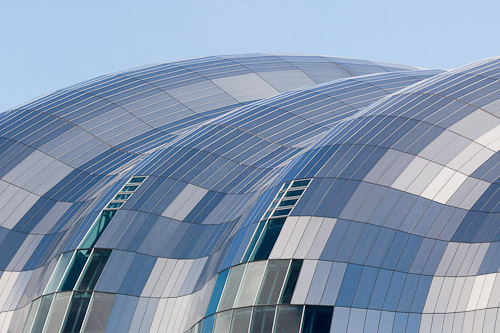
Roof of the Sage Gateshead reflecting passing clouds on a sunny day. Photo: Quintin Lake

A minute change in the passing clouds changes the appearance and illuminates the edge of the stainless steel panels. Photo: Quintin Lake

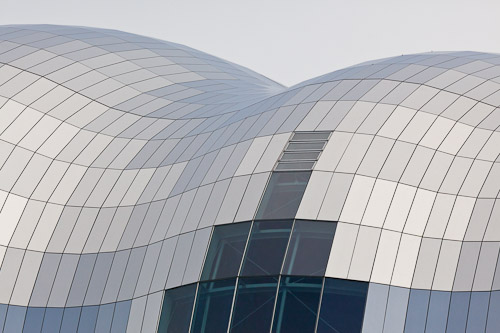
The silky appearance on an overcast day. Photo: Quintin Lake

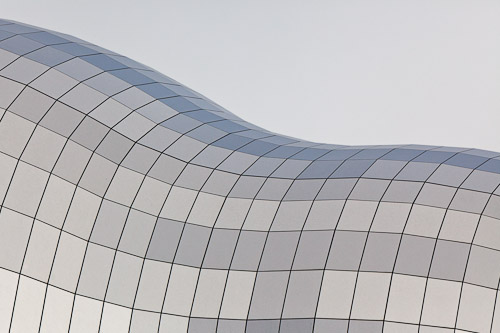
Sensuous curves on the roof of Sage Gateshead. Photo: Quintin Lake

Detail of roof design of the Sage Gateshead. Photo: Quintin Lake

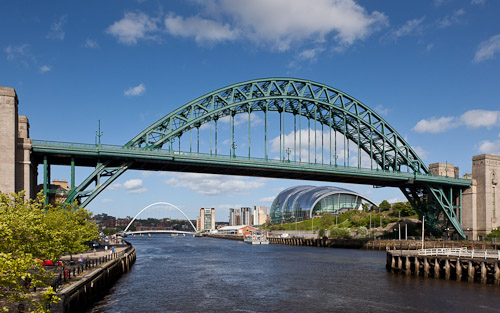
Tyne Bridge over the River Tyne, Newcastle with view to Gateshead Millennium Bridge, The Baltic Centre for Contemporary Art and Sage Gateshead. Photo: Quintin Lake

Designed by architect Foster and Partners and engineer Buro Happold the faceted roof of the Sage Gateshead concert hall changes appearance as it reflects the changeable british weather looking equally alluring on an overcast day or in bright sunlight. The roof of the Sage consists of 3,000 panels made from stainless steel and 250 made of glass. Each stainless steel panel has a linen finish to reduce the glare and is about four metres long and a metre wide. Each panel is solid and designed to prevent noise from heavy rain causing a distraction during concert performances.

Like these? See my photographs of architectural details of  Utzon’s Sydney Opera House and Gehry’s Walt Disney Concert Hall, LA

VIEW MORE / BUY PRINTS / LICENSE IMAGES of Sage Gateshead by Norman Foster here >>

Photography  © Quintin Lake, 2011

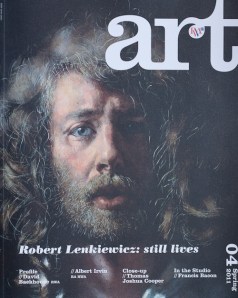
Art Magazine Spring 04 2011

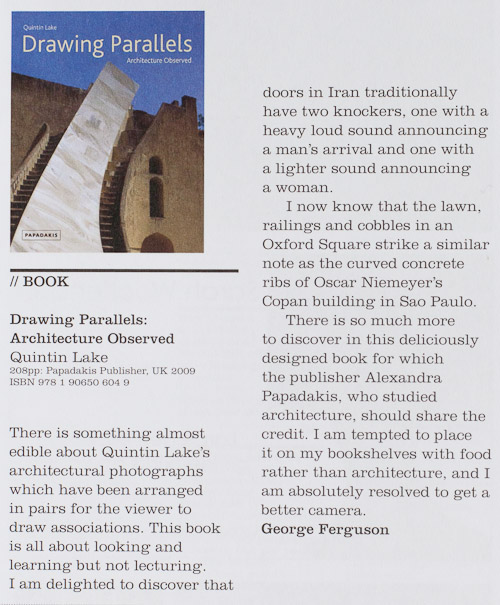
Drawing Parallels: Architecture Observed review by George Ferguson

There is something almost edible about Quintin Lake’s Architectural Photographs which have been arranged in pairs for the viewer to draw associations. This book is all about looking and learning but not lecturing. I am delighted to discover that doors in Iran traditionally have two knockers, one with a heavy loud sound announcing a man’s arrival and one with a lighter sound announcing a woman.

I now know that the lawn, railing and cobbles in an Oxford Square strike similar note as the curved concrete ribs of Oscar Niemeyer’s Copan building in Sao Paulo.

There is much more to discover in this deliciously designed book for which the publisher Alexandra Papadakis, who studied architecture, should share the credit. I am tempted to place it on my bookshelves with food rather than architecture and I am absolutely resolved to get a better Camera. George Ferguson

Buy Drawing Parallels from Papadakis Publisher here

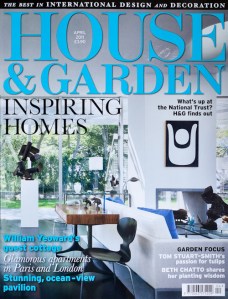
House & Garden Magazine, April 2011

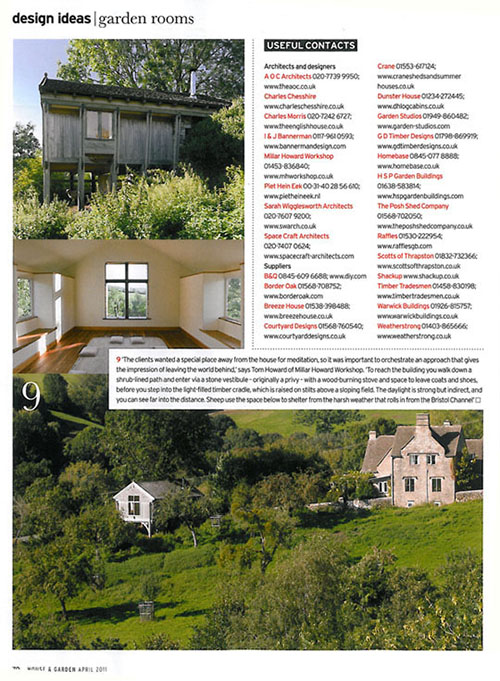
Meditation chapel by Millar Howard Workshop from the feature Design Ideas | Garden Rooms. Photos: Quintin Lake

See more photos of the Meditation Chapel here. Visit architects Millar Howard Workshop here.

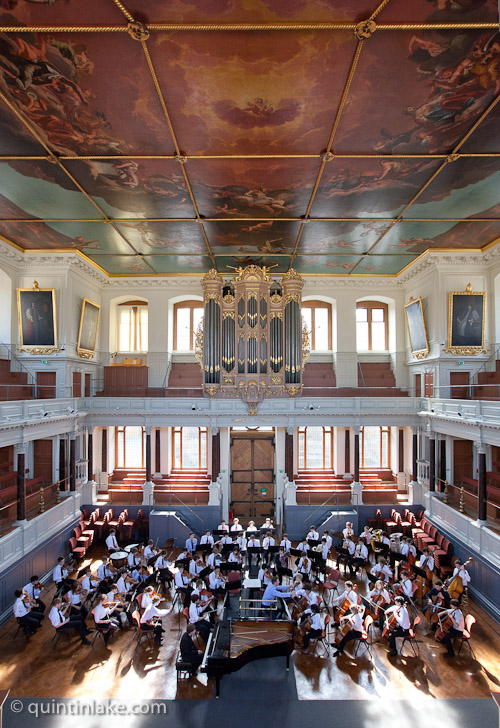
Magdalen College School String Orchestra rehearsal for a concert later that night in the Sheldonian Theatre, Oxford: Photo Quintin Lake

VIEW MORE / BUY PRINTS / LICENSE IMAGES of Magdalen College School, Sheldonian Theatre Concert 2011 here >>

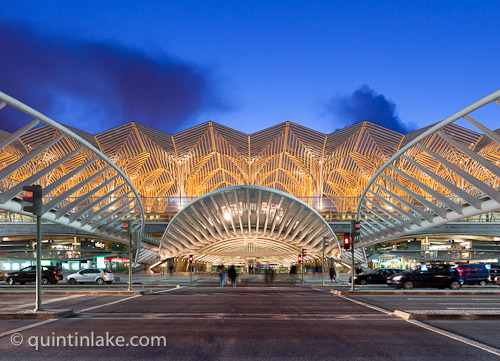
Main entrance to Oriente Station, Lisbon at dusk. Photo: Quintin Lake
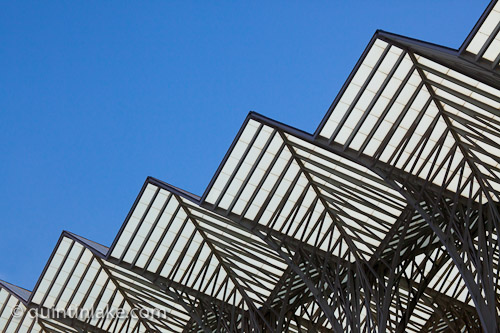
Detail of the roof at Oriente Station. Photo: Quintin Lake
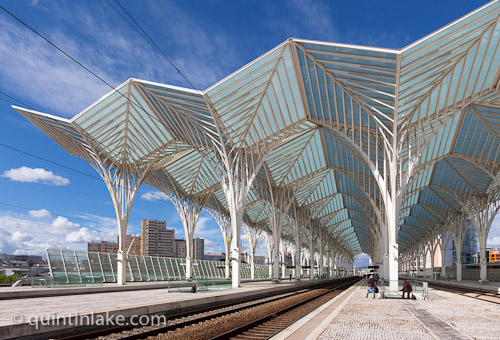
Glass and steel roof above the rail platform at Oriente Station, Lisbon. Photo: Quintin Lake
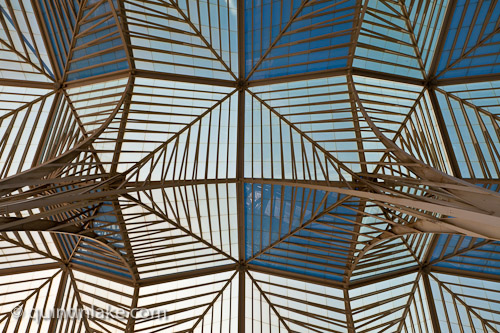
Looking up at the roof of Oriente Station. Photo: Quintin Lake

This was the first Calatrava building I’d seen in the flesh and it’s a hugely exciting building to experience and to photograph. The exuberant organically inspired forms of Calatrava were a favourite for me when I was an architecture student. The huge cantilevered canopy at the pedestrian entrance and the steel ‘trees’ covering the train platforms are particularly joyful. However, not so sweet and what I’ve chosen not to show in these photos is the very poor cosmetic condition of much of the building, peeling pain, rust, cracked glass and thick layers of grime on white panted steel. The internal exposed concrete structure has also been comprehensively Jackson Pollocked with pigeon droppings. Although only skin deep these are the first qualities which most visitors would probably notice which is a shame for such exciting architecture. The question as to wether these issues should be considered design flaws for a public building or simply stinginess on the part of maintenance schedule is probably not simple to answer. Certainly based on my observation the same issues plague most painted steel hi-tech architecture after a decade or so of use from the Pompidou to Grimshaw’s Waterloo Station.

Oriente Station (Gare do Oriente) is one of the main transport hubs in Lisbon, Portugal. It was designed by the Spanish architect Santiago Calatrava it was finished in 1998 for the Expo ’98 world’s fair in Parque das Nações, where it is located. It encompasses a Lisbon Metro station, a high-speed, commuter and regional train hub, a local, national and international bus station, a shopping centre and a police office. Oriente Station is one of the world’s largest stations, with 75 million passengers per year which makes it as busy as Grand Central Terminal in New York.

VIEW MORE / BUY PRINTS / LICENSE IMAGES of Oriente Station, Lisbon by Santiago Calatrava here >>
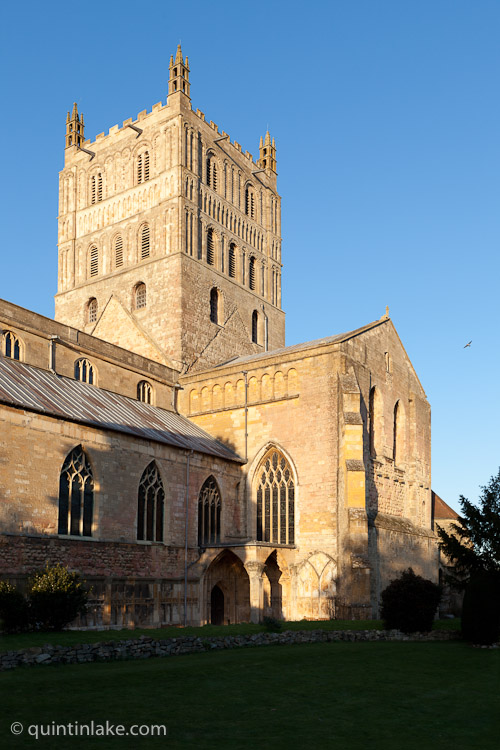
Exterior of Tewkesbury Abbey tower dating from 1150 rated "probably the largest and finest Romanesque tower in England" by Sir Nikolaus Pevsner. Photo: Quintin Lake

The Abbey of the Blessed Virgin Mary at Tewkesbury in the English county of Gloucestershire is the second largest parish church in the country and a former Benedictine monastery. In 1471 during  Battle of Tewkesbury, one of the decisive battles of the Wars of the Roses, bloodshed within church so great that it is closed. The tower is a particularly fine example of Romanesque architecture characterised by semi-circular arches.

VIEW MORE / BUY images of Tewkesbury Abbey here >>

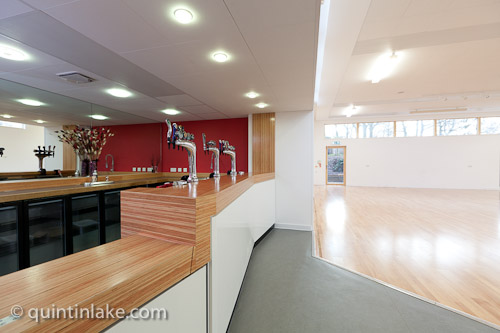
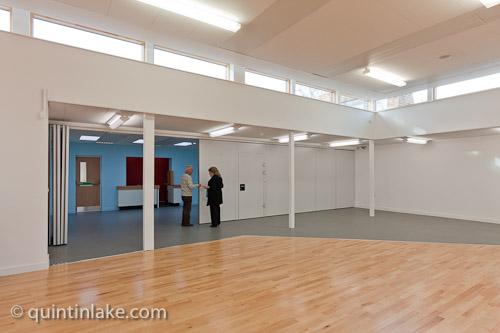
The new bar and hall at Parkwood Community Centre. Photo: Quintin Lake

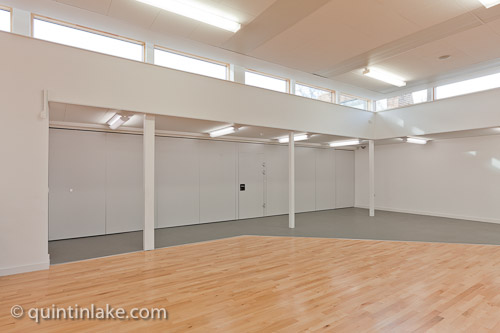
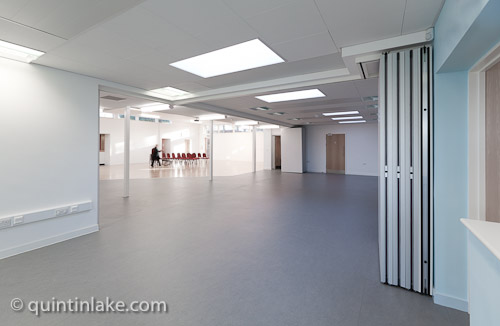
Sliding screens closed at Parkwood Community Centre. Photo: Quintin Lake

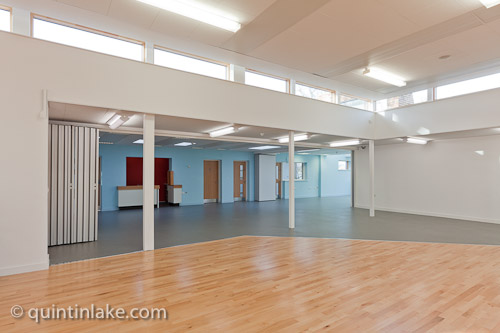
Sliding screens at Parkwood Community Centre. Photo: Quintin Lake

Sliding screens open at Parkwood Community Centre. Photo: Quintin Lake

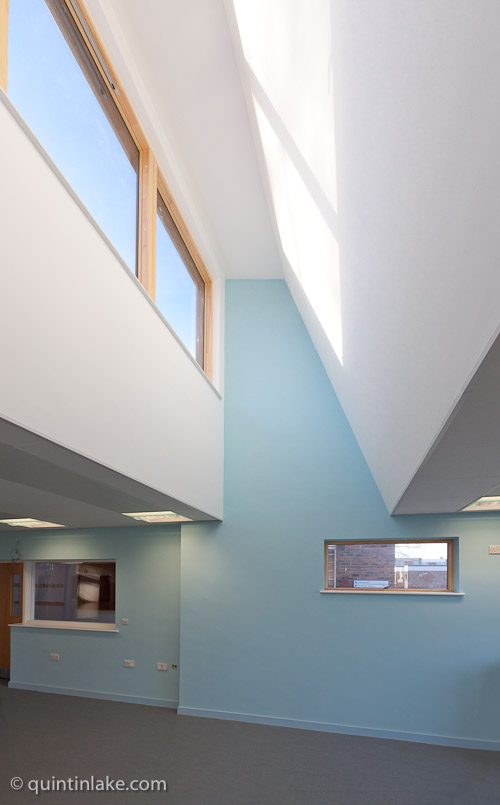
New lantern brings daylight into the heart of the building. Photo: Quintin Lake

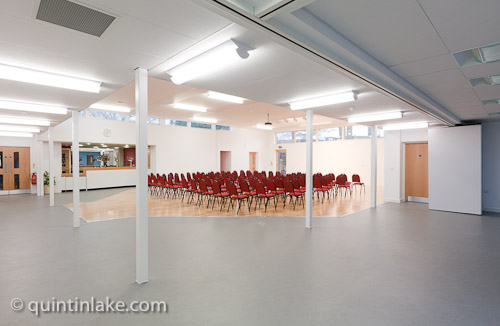
Parkwood Community Centre Interior by Clay Architecture. Photo: Quintin Lake

Parkwood Community Centre Interior setup for a concert. Photo: Quintin Lake

An assignment by Clay Architecture Ltd to photograph their extensive remodelling and expansion of the existing building providing a light multi-use space at Parkwood Community Centre, Rainham, Kent

VIEW MORE / BUY images from this photoshoot here >>