Archives for posts with tag: London

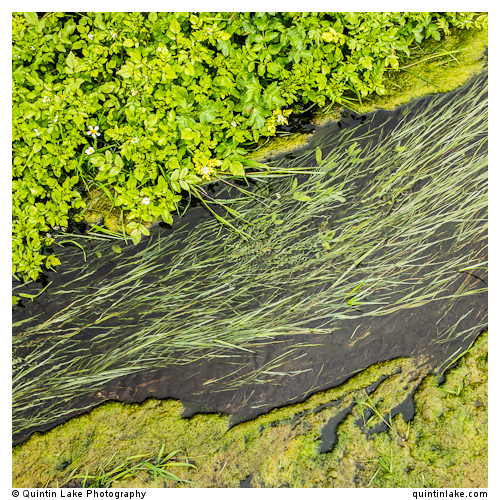
Thames Waters I
1/2 Mile downstream, Thames Head
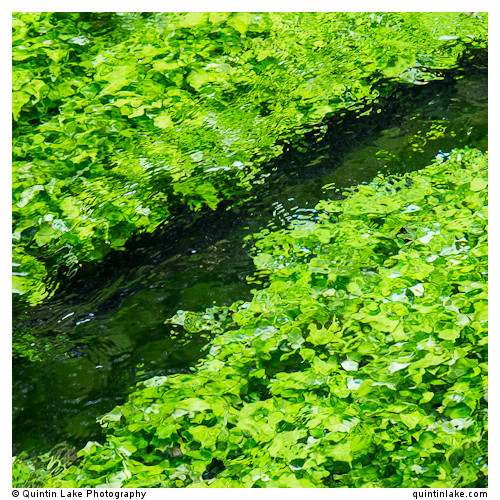
Thames Waters II
2 Miles downstream, near Kemble
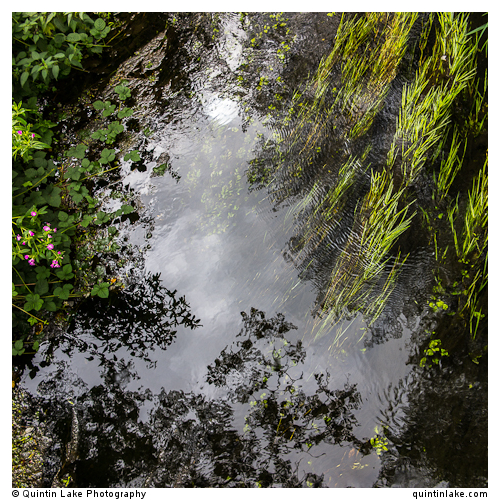
Thames Waters III
3 Miles downstream, near Ewen
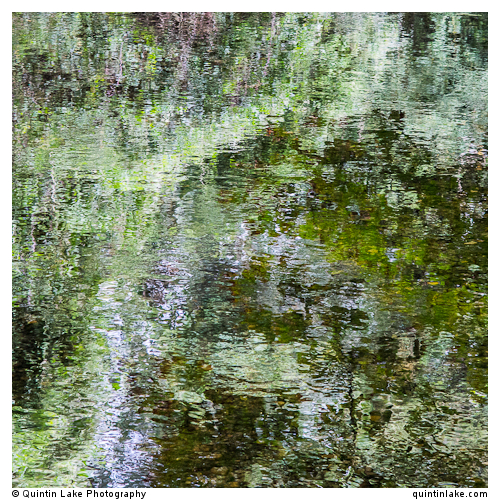
Thames Waters IV
5 Miles downstream, near Ashton Keynes
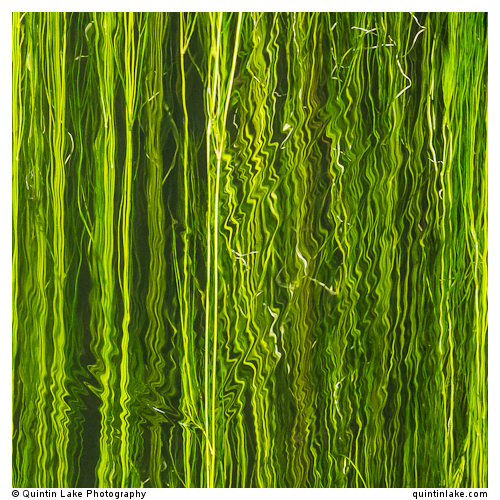
Thames Waters V
15 Miles downstream, near Cricklade
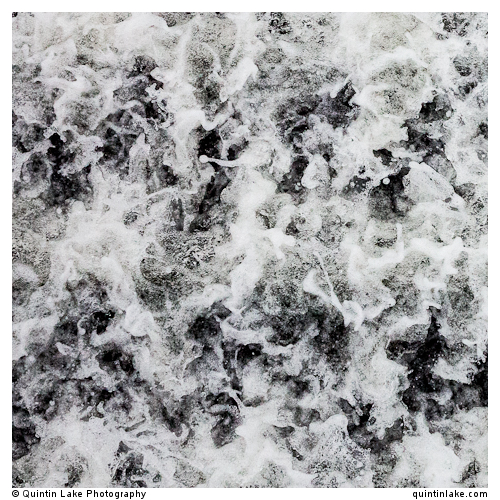
Thames Waters VI
64 Miles downstream, Abingdon Lock
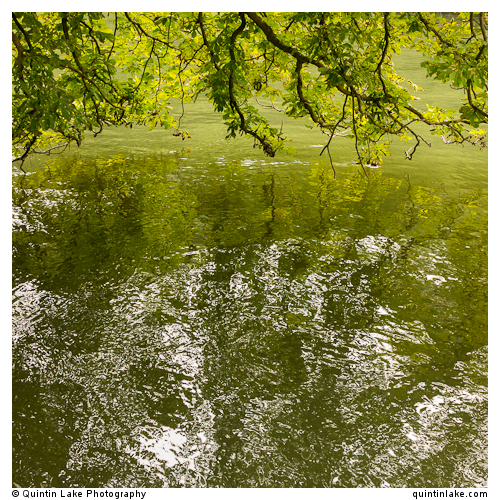
Thames Waters VII
85 Miles downstream, near Goring
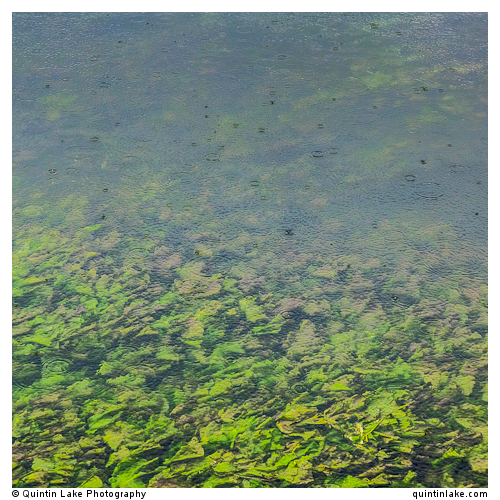
Thames Waters VIII
96 Miles downstream, near Reading
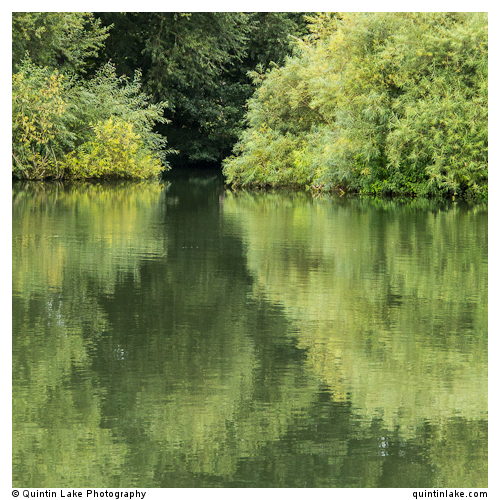
Thames Waters IX
99 Miles downstream, near Sonning
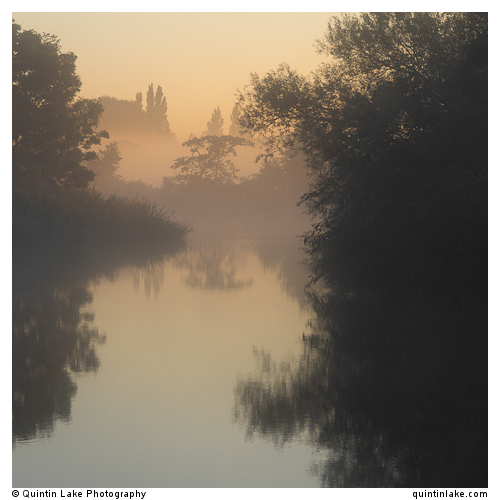
Thames Waters X
100 miles downstream, dawn near Shiplake
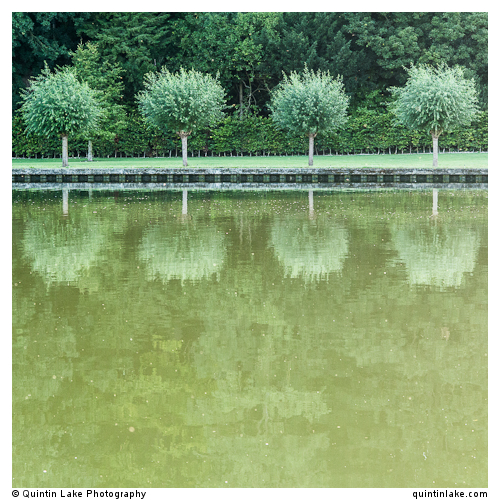
Thames Waters XI
103 Miles downstream, near Henley-on-Thames
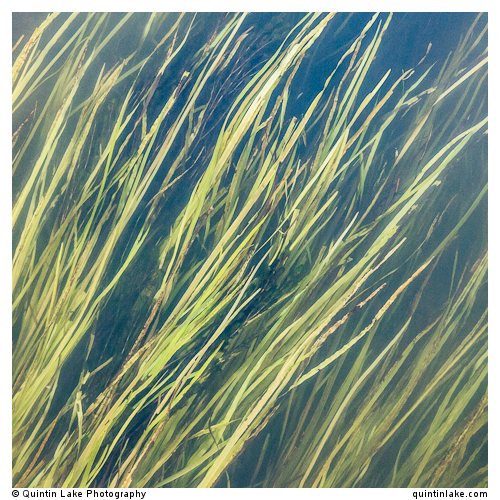
Thames Waters XII
104 Miles downstream, Marsh Lock. Henley-on-Thames
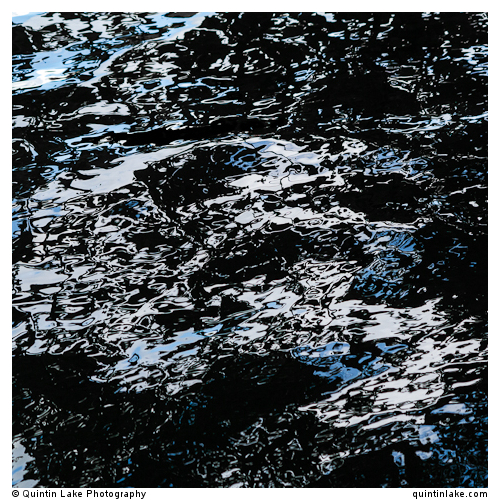
Thames Waters XIII
129 Miles downstream, near Runnymede
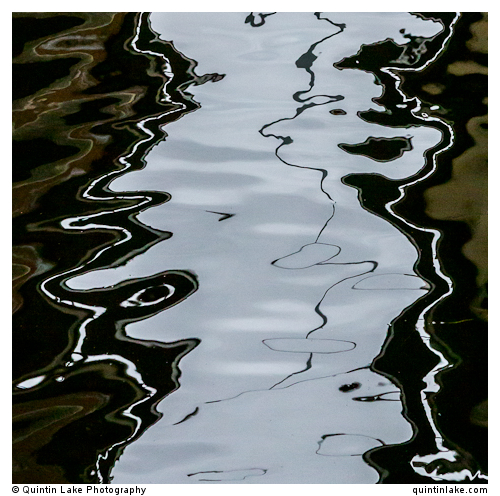
Thames Waters XIV
132 Miles downstream, Under M25 bridge near Staines
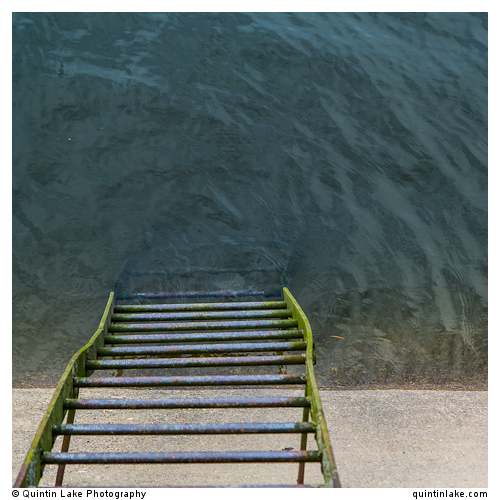
Thames Waters XV
158 Miles downstream, near Richmond, London
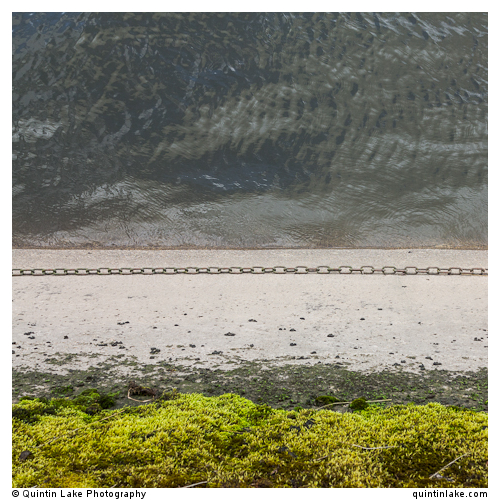
Thames Waters XVI
160 Miles downstream, near Kew, London
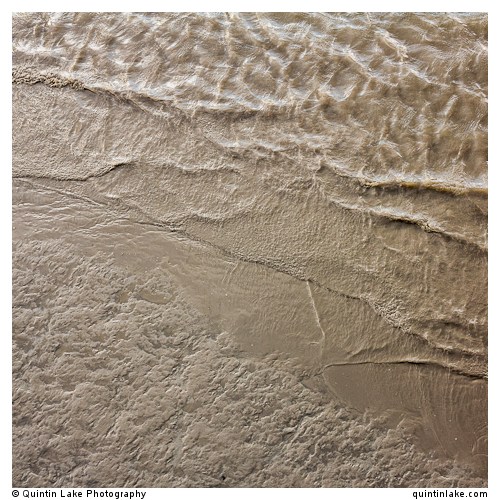
Thames Waters XVII
165 Miles downstream, Wandsworth, London
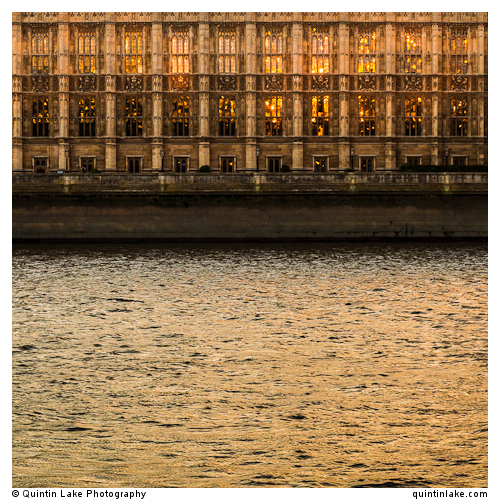
Thames Waters XVIII
169 Miles downstream, Houses of Parliament, London

Photographs of the mercurial River Thames made during a 10 day walk in August 2012 backpacking and wild camping where possible along 170 miles of the Thames Path from the source near Kemble in Gloucestershire to the City of London, I chose to end my journey on the steps of St Pauls.

Sweet Thames, run softly till I end my song,
Sweet Thames, run softly, for I speak not loud or long
TS Eliot.

Signed limited edition prints available at £195 each (40x40cm). To purchase please contact me. Larger sizes also available

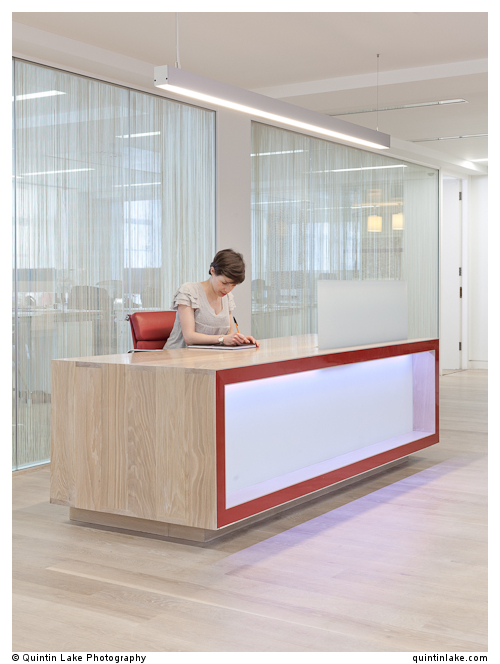
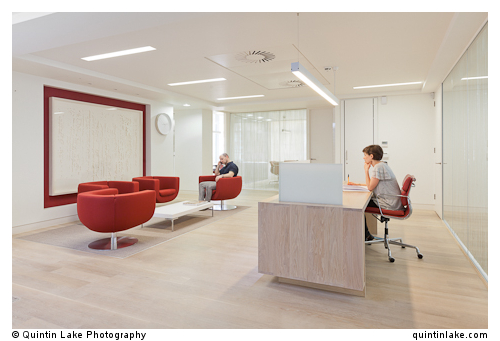
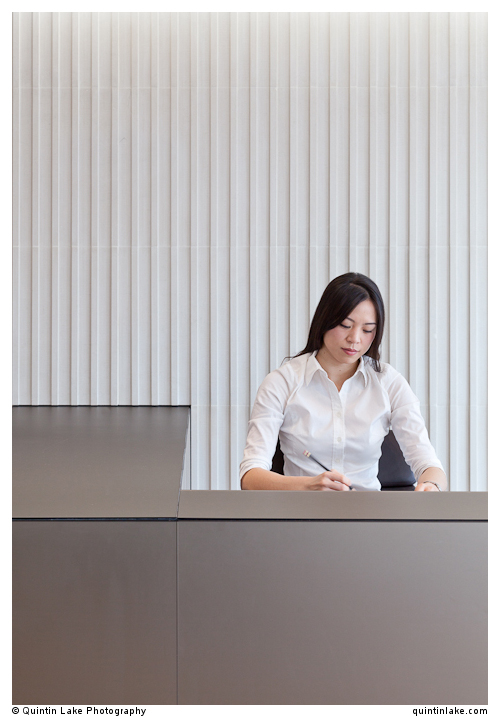
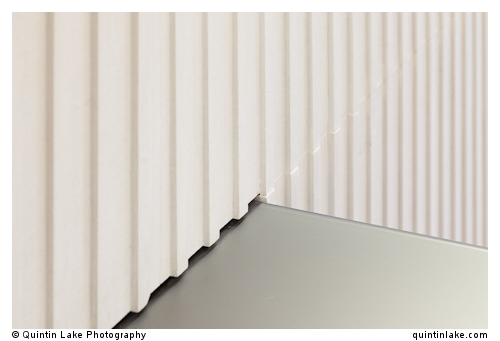
Assignment for architects Data Nature Associates to document their West End office interior in London.

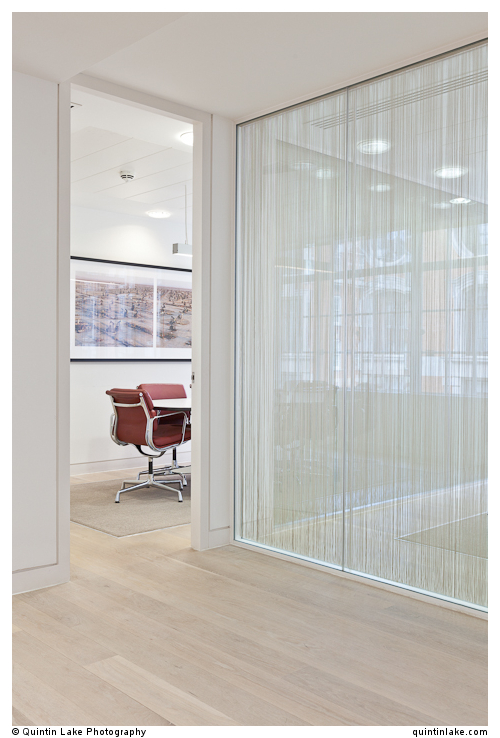
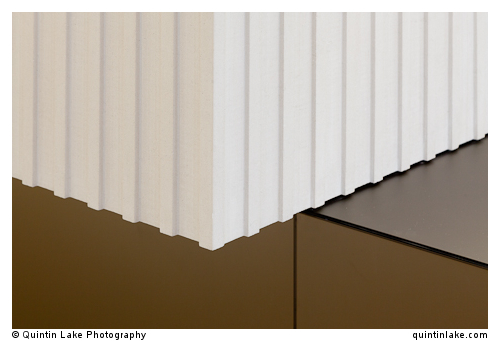
Assignment for architects Data Nature Associates to document their bespoke glass and portland stone office interior in London.

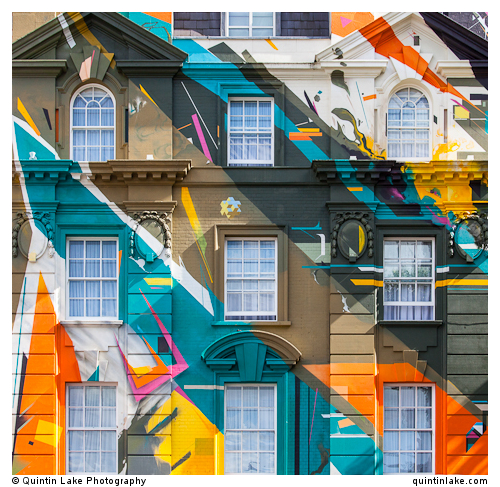
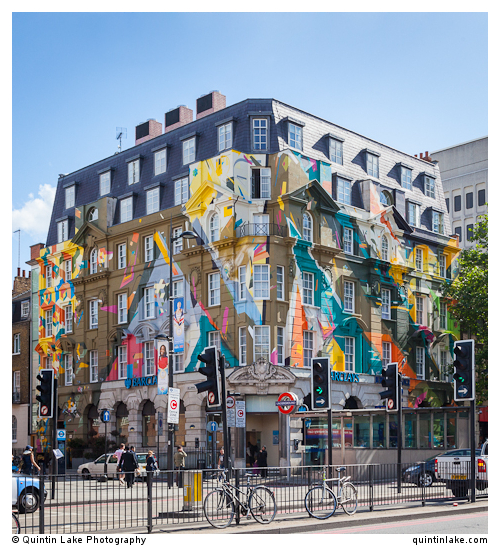
“Marmite” a graffiti mural on Megaro Hotel opposite St Pancras station, London, 2012.

The building is opposite the entrance to Kings Cross & St Pancras Station on Euston Road

The Megaro project a graffiti mural painted on the classical facade of Megaro Hotel opposite St Pancras station, London, 2012. The mural was designed and painted by four members of street art collective, Agents of Change.

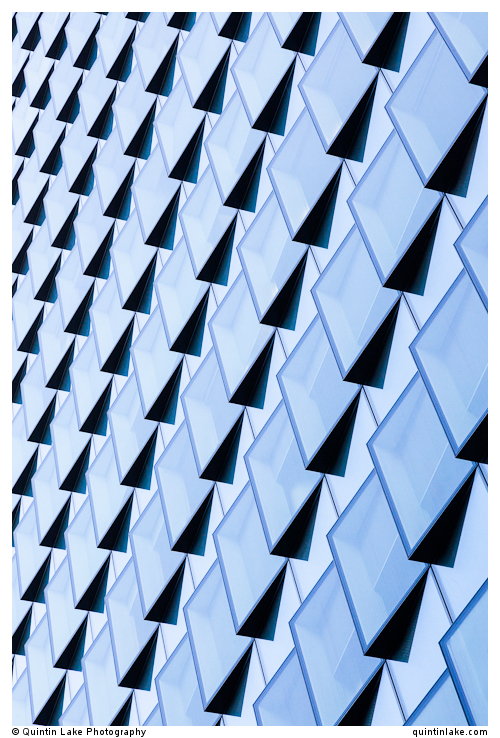
Ropemaker Building Facade, London. Architect: Arup Associates. Built: 2012

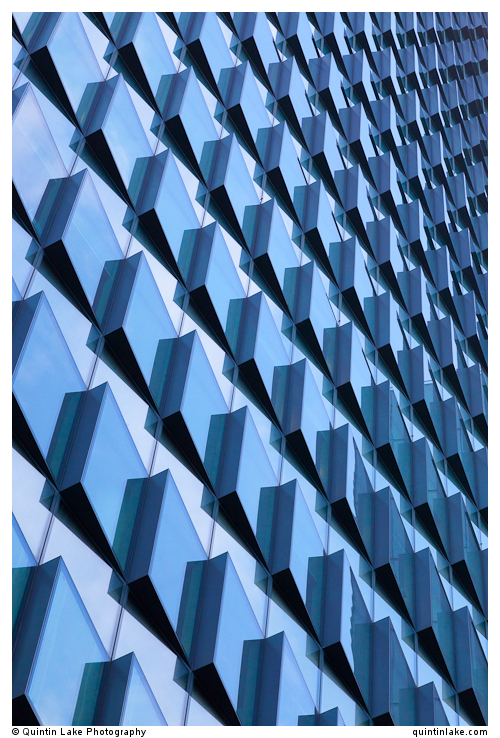
Ropemaker Building Facade, London. Architect: Arup Associates. Built: 2012

Ropemaker Building Facade, London. Architect: Arup Associates. Built: 2012

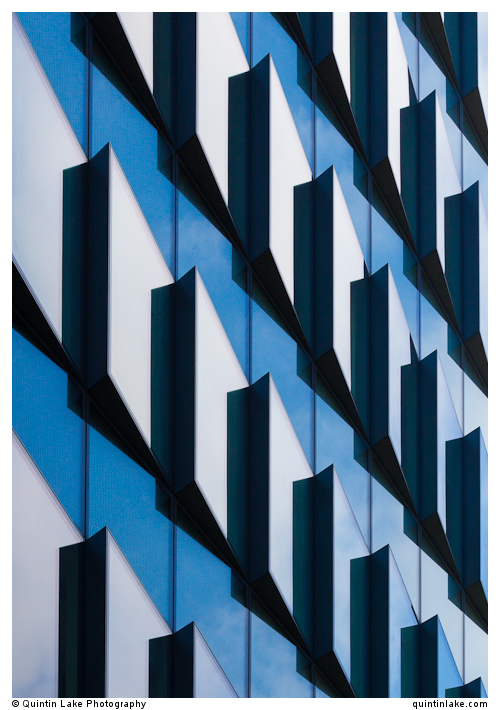
Ropemaker Building facade located in the City of London is made up of saw tooth angled windows in glass designed to reduce solar gain. I visited the building on a windy day and the passage of clouds reflected on the facade was mesmerising. Architect: Arup Associates. Built: 2012

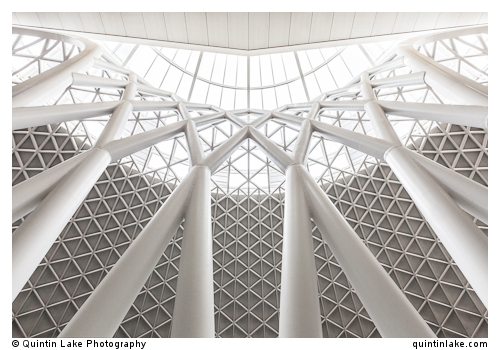
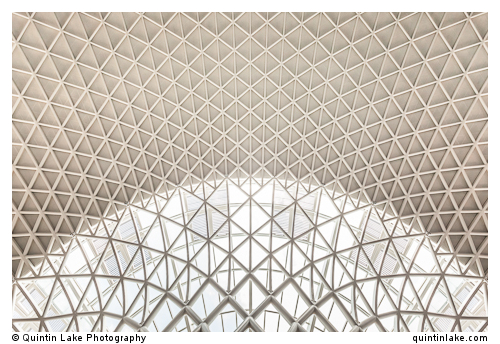
Looking up the steel lattice funnel to the roof at King’s Cross Station Western Concourse

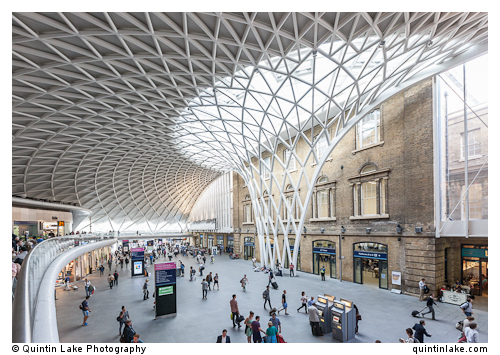
The semi circular roof light gives attractive shadows on the original ticket hall

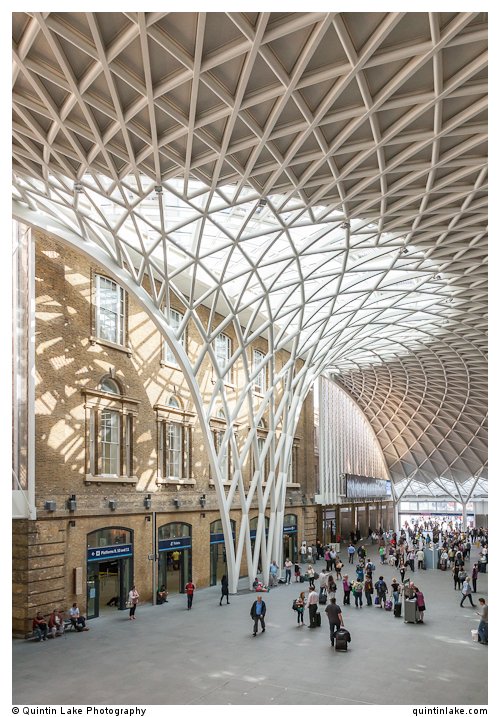
The elegant fan shape of the steel lattice roof of the £547m upgrade of the railway terminus

2012 Steel lattice in front of the 1852 station booking hall.

The weight of the new roof is carried to the ground via the steel lattice acting as a single massive column because the original building could not hold the weight of the new roof.

King’s Cross Station Western Concourse is a spectacular addition to the otherwise undistinguished Kings Cross station in London, described amusingly by Hugh Pearman as “the ultimate lean-to”. The building is designed by architect John McAslan + Partners with engineering by Arup in 2012

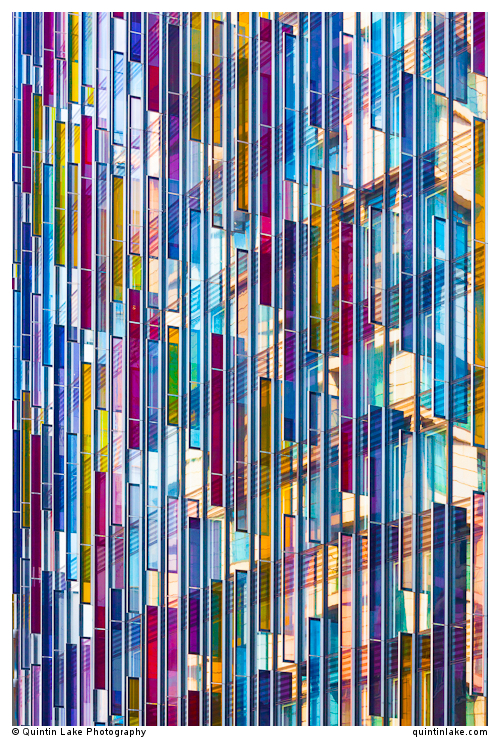
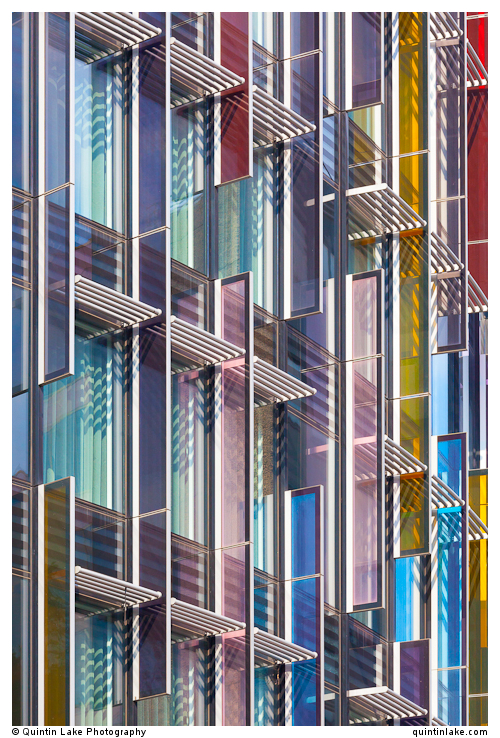
Park Plaza Hotel coloured glass facade, Westminster Bridge, London

Park Plaza Hotel coloured glass facade, Westminster Bridge London

Westminster Park Plaza Hotel is another colourful addition to the urban fabric of London. Built 2010, Architect: BUJ architects.

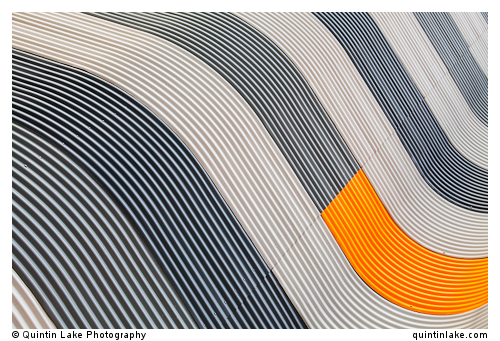
Detail of apartments at 171 Tower Bridge Road, Southwark, London

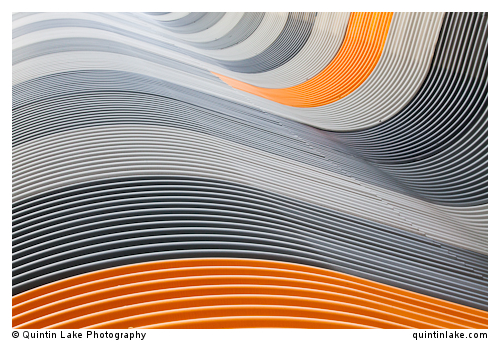
Detail of apartments at 171 Tower Bridge Road, Southwark, London.

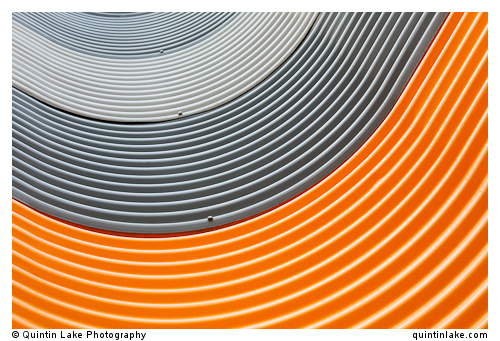
Detail of apartments at 171 Tower Bridge Road, Southwark, London

Clad in brightly coloured horizontal bands of corrugated aluminium, the building is intended to emulate the red and white streaks of the surrounding traffic flows caught on a long-exposure camera shot. The building’s rounded corners reduce its visual bulk and also reflect the constant movement around its base. Built 2006. Architect: Glas Architects. Structural Engineers: Barton Engineers