Ian Davenport’s “Poured Lines: Southwark” Is a 50 by 3 metre Liquid enamel painting on steel running under Southwark Bridge. The work is so successful as if adds vibrancy to the gloomy experience of walking under the bridge. In addition the aesthetics of the work relate to the painted road markings and contrast with the heavy engineering textures of the bricks and painted steel of the bridge.

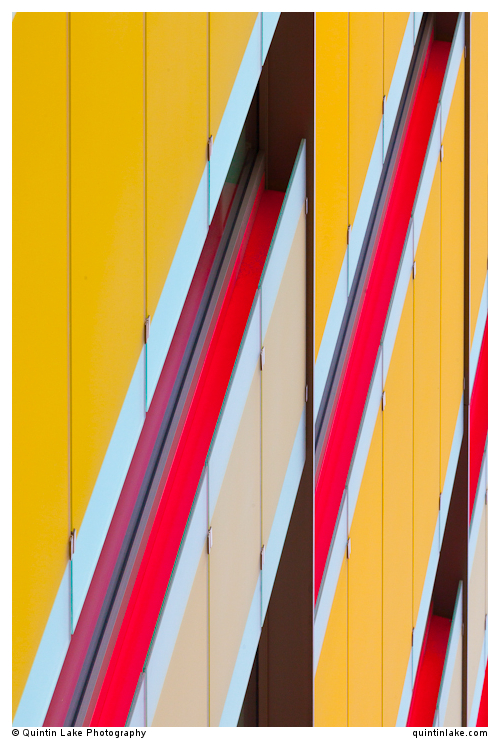
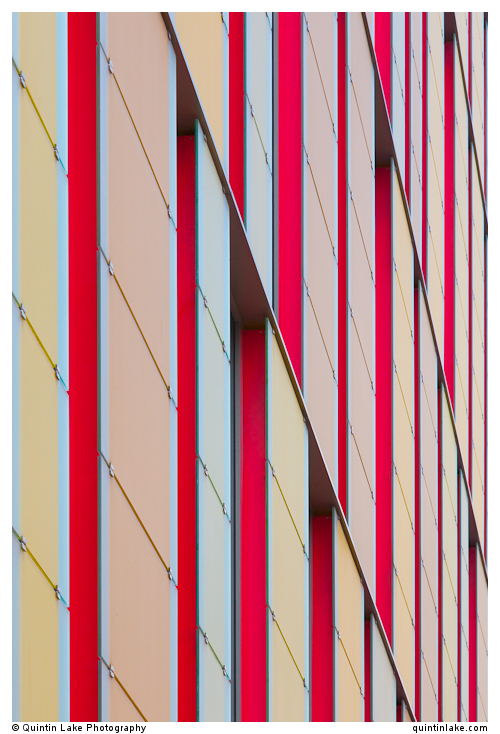
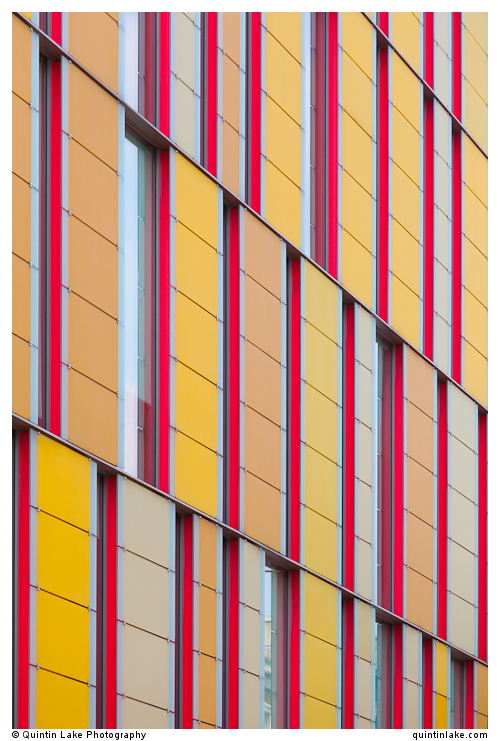
Coin Street Neighbourhood Centre facade. Architect: Haworth Tompkins. Artist Collaborator: Antoni Malinowski
I’m all for the tasteful use of vibrant colour in London’s new buildings and Coin Street Neighbourhood Centre is a great example. Built: 2007. Architect: Haworth Tompkins. Artist Collaborator: Antoni Malinowski

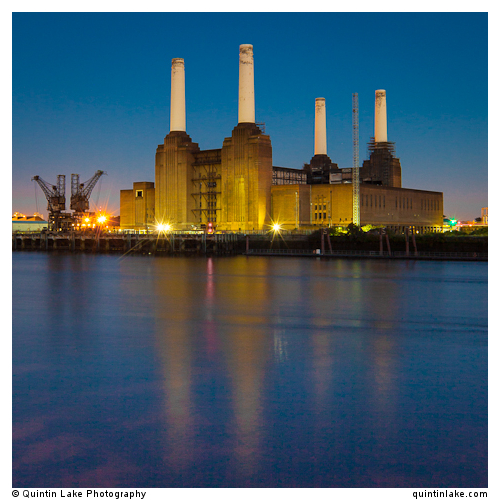
Battersea power station viewed from the north bank of the Thames at dusk. July 2012
One of my favourite buildings in London – I wonder what the future holds for her? Battersea power station viewed from the north bank of the Thames at dusk. Built: 1933-55 Decommissioned: 1983. Architect: Sir Giles Gilbert Scott (designer of the red telephone box).
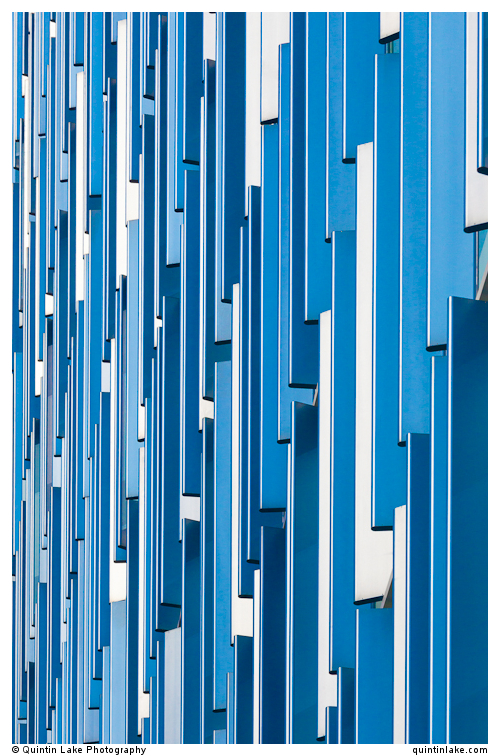
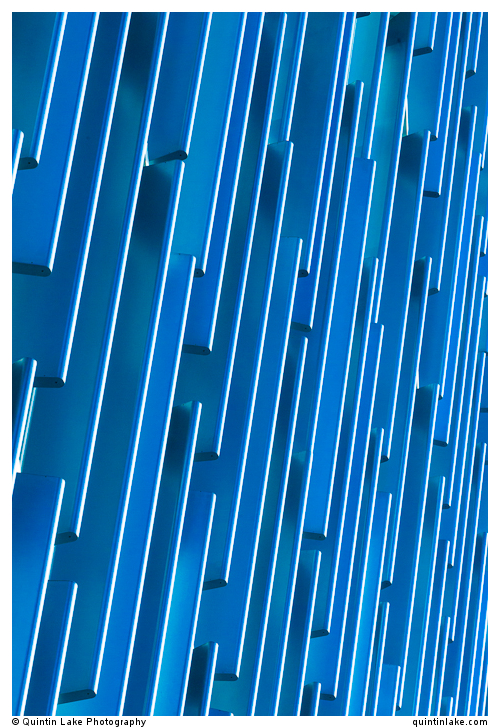
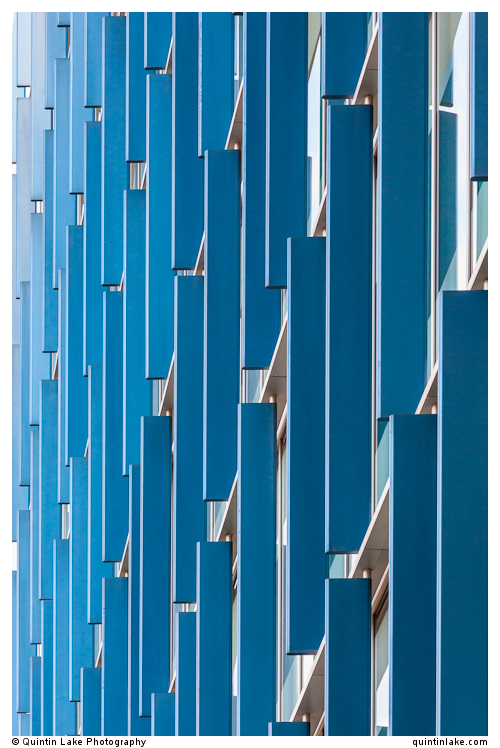
The Blue Fin Building also known as Bankside 1, London takes its name from the 2,000 vertical fins on it of varying blue colours to provide solar shading for the offices within. Built: 2008. Architect: Allies and Morrison
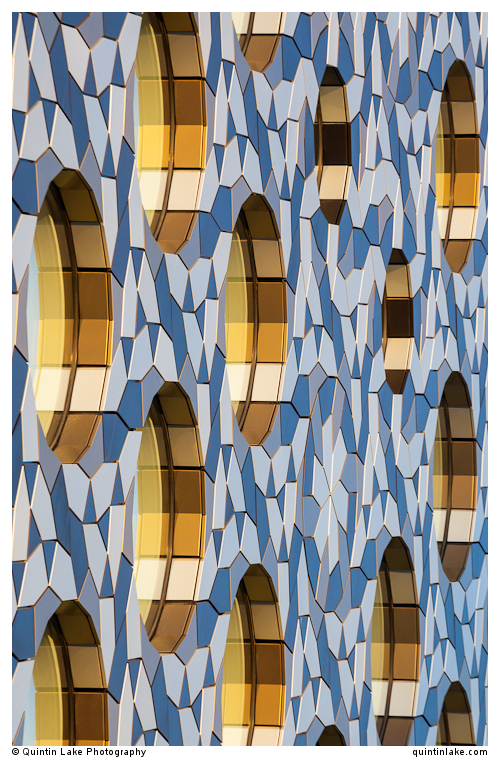
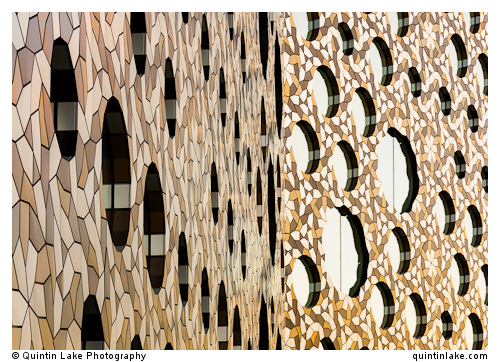
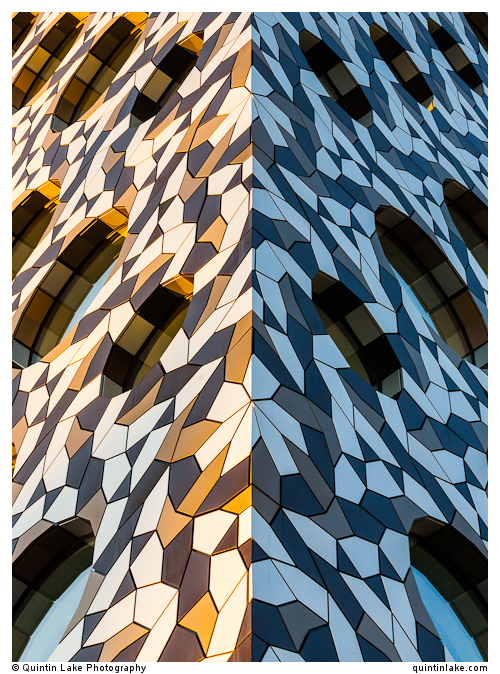
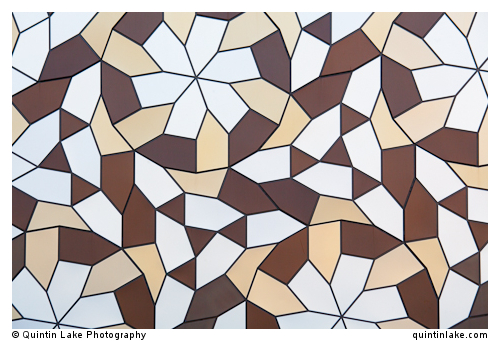
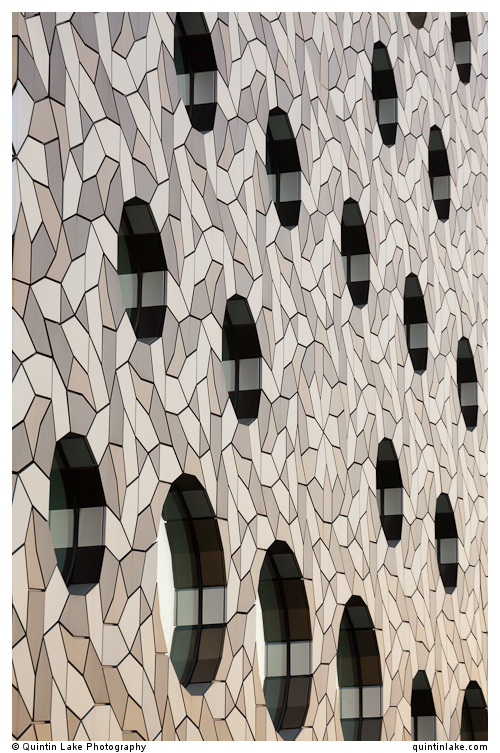
The facade of Ravensbourne College, London is created by an interesting system of tessellation geometries which allows the creation of seven different types and diameter of windows out of only three different tiles. The pattern is so unique it has now been patented to protect its use. The building was designed by Alejandro Zaero-Polo and Farshid Moussavi of Foreign Office Architects in 2010.
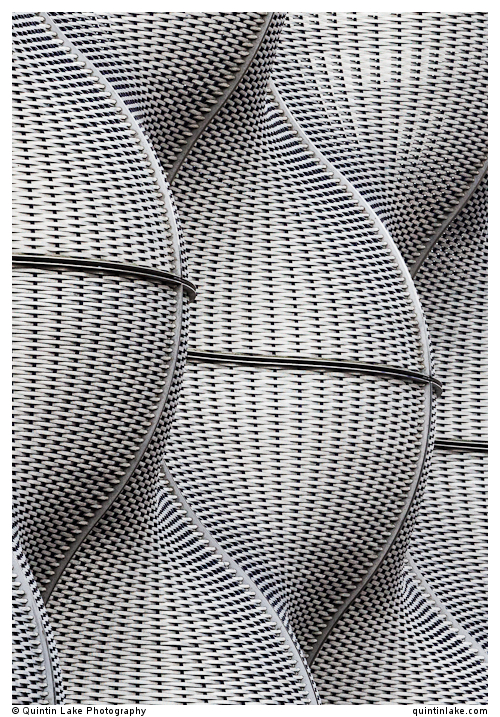
Boiler Suit is an undulating skin of woven steel panels encasing the boiler house at Guy’s Hospital, London designed by Heatherwick Studio

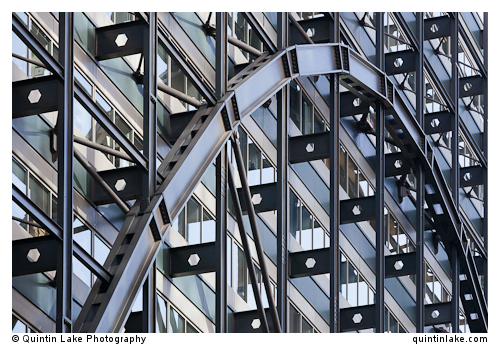
Broadgate Exchange House, London. Detail of facade showing parabolic segmented tied arches spanning the full 78m across the railway tracks entering Liverpool Street Station. Architect: Skidmore, Owings & Merrill. Built 1990
Exchange House, Broadgate is special category of building as it is effectively an inhabited bridge. The building is a 10-storey office building spanning 78m over Liverpool Street Station. The building frame of Exchange House is supported on a primary structure of four parabolic segmented tied arches spanning the full 78m across the railway tracks entering Liverpool Street Station. Two external arches are visible and set 2m from the building façades and two internal arches pass through the offices and are exposed in the atria. Transverse, open-webbed beams span between the arches and vertical “columns” transfer the floor loads to the arches by either compression or tension, depending on their position.
Click Here for More from this Photoshoot >>
All images available for publication / licensing contact me for pricing.
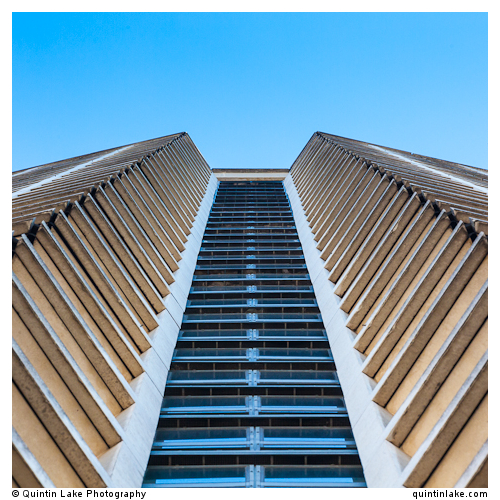
Centre Point Tower, London is a controversial Grade II-listed concrete Brutalist 117m Skyscraper designed by Richard Seifert in 1966. Nikolaus Pevsner described Centre Point as “coarse in the extreme”. The building remained without tenants until 1975 due to the management style of property tycoon Harry Hyams who would only lease the building to a single company to reduce his management cost. Needless to say this was met with criticisms of greed at the time.
After winning the Concrete Society’s Mature Structures Award in 2009 the building is receiving more love and a £350 million overhaul of the skyscraper has been revealed in 2012 by Rick Mather Architects and Conran & Partners.
Click Here for More from this Photoshoot >>
All images available for publication / licensing contact me for pricing.