
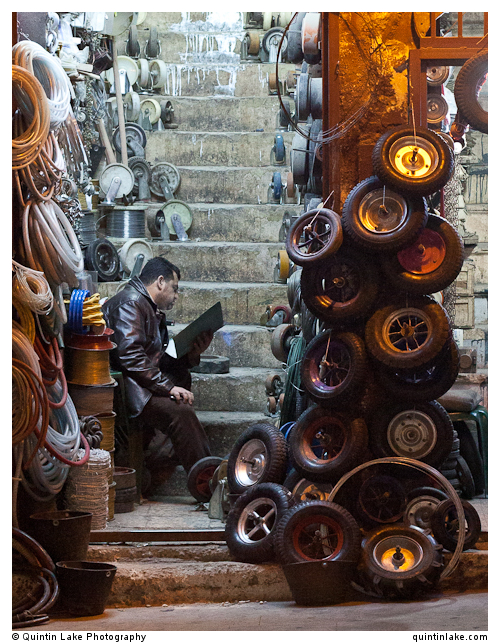
Aleppo, Syria, 16 Feb 2011, a month before the start of the civil war.

Aleppo, Syria, 16 Feb 2011, a month before the start of the civil war.

Aleppo, Syria, 16 Feb 2011, a month before the start of the civil war.

Aleppo, Syria, 16 Feb 2011, a month before the start of the civil war.

Aleppo, Syria, 16 Feb 2011, a month before the start of the civil war.

Aleppo, Syria, 16 Feb 2011, a month before the start of the civil war.

Aleppo, Syria, 16 Feb 2011, a month before the start of the civil war.

Aleppo, Syria, 16 Feb 2011, a month before the start of the civil war.

Aleppo, Syria, 16 Feb 2011, a month before the start of the civil war.

Aleppo, Syria, 16 Feb 2011, a month before the start of the civil war.

Aleppo, Syria, 16 Feb 2011, a month before the start of the civil war.

Aleppo, Syria, 16 Feb 2011, a month before the start of the civil war.

Aleppo, Syria, 16 Feb 2011, a month before the start of the civil war.

Aleppo, Syria, 16 Feb 2011, a month before the start of the civil war.

Aleppo, Syria, 16 Feb 2011, a month before the start of the civil war.

Aleppo, Syria, 16 Feb 2011, a month before the start of the civil war.

Aleppo, Syria, 16 Feb 2011, a month before the start of the civil war.

Aleppo, Syria, 16 Feb 2011, a month before the start of the civil war.

Aleppo, Syria, 16 Feb 2011, a month before the start of the civil war.

Aleppo, Syria, 16 Feb 2011, a month before the start of the civil war.

Aleppo, Syria, 16 Feb 2011, a month before the start of the civil war.

Aleppo, Syria, 16 Feb 2011, a month before the start of the civil war.

Aleppo, Syria, 16 Feb 2011, a month before the start of the civil war.

Aleppo, Syria, 16 Feb 2011, a month before the start of the civil war.

Aleppo, Syria, 16 Feb 2011, a month before the start of the civil war.

Aleppo, Syria, 16 Feb 2011, a month before the start of the civil war.

Aleppo, Syria, 16 Feb 2011, a month before the start of the civil war.

Aleppo, Syria, 16 Feb 2011, a month before the start of the civil war.

Aleppo, Syria, 16 Feb 2011, a month before the start of the civil war.

Aleppo, Syria, 16 Feb 2011, a month before the start of the civil war.

Aleppo, Syria, 16 Feb 2011, a month before the start of the civil war.

Aleppo, Syria, 16 Feb 2011, a month before the start of the civil war.

Aleppo, Syria, 16 Feb 2011, a month before the start of the civil war.

Aleppo, Syria, 16 Feb 2011, a month before the start of the civil war.

Aleppo, Syria, 16 Feb 2011, a month before the start of the civil war.

Aleppo, Syria, 16 Feb 2011, a month before the start of the civil war.

Aleppo, Syria, 16 Feb 2011, a month before the start of the civil war.

Aleppo, Syria, 16 Feb 2011, a month before the start of the civil war.

Aleppo, Syria, 16 Feb 2011, a month before the start of the civil war.

Aleppo, Syria, 16 Feb 2011, a month before the start of the civil war.

Aleppo, Syria, 16 Feb 2011, a month before the start of the civil war.

Aleppo, Syria, 16 Feb 2011, a month before the start of the civil war.
Photographs of Aleppo, Syria from 16 Feb 2011, a few days before the start of the civil war. Also see Palmyra from the same period.

























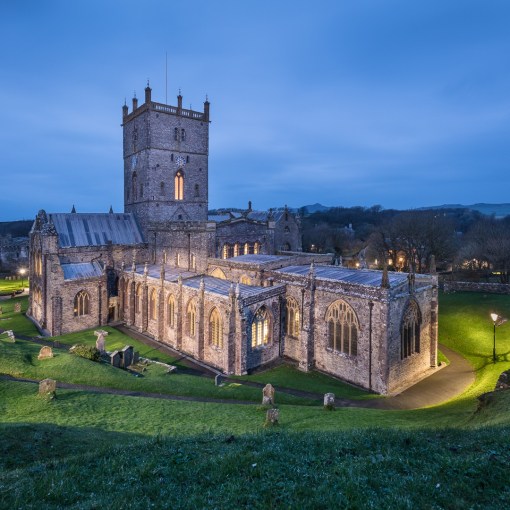 St David’s Cathedral at dusk from the gatehouse, started 1123, Pembrokeshire.
  Path to the ruins of St Non’s Chapel, held by tradition to mark the birthplace of St David, Pembrokeshire.
  Nave of St David’s Cathedral, Pembrokeshire.
  Seascape (glimmer), St Bride’s Bay, Pembrokeshire.
  Early morning, St David’s Cathedral, Pembrokeshire.
  Seascape II, St Bride’s Bay, Pembrokeshire.
 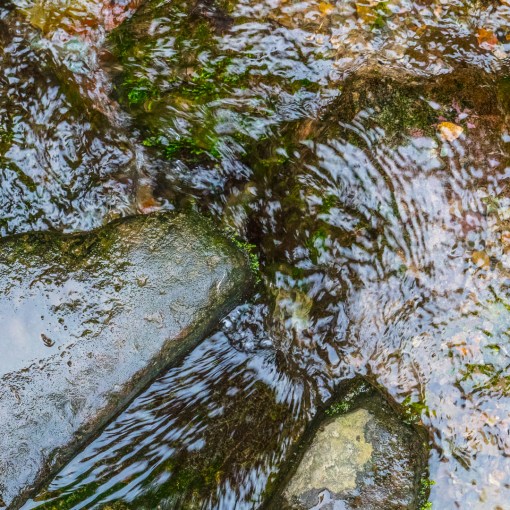 St. Non’s Well, said to have sprung up during a thunderstorm when St. David was born about 500 AD. Its waters are reputed to have healing properties, St Davids, Pembrokeshire.
 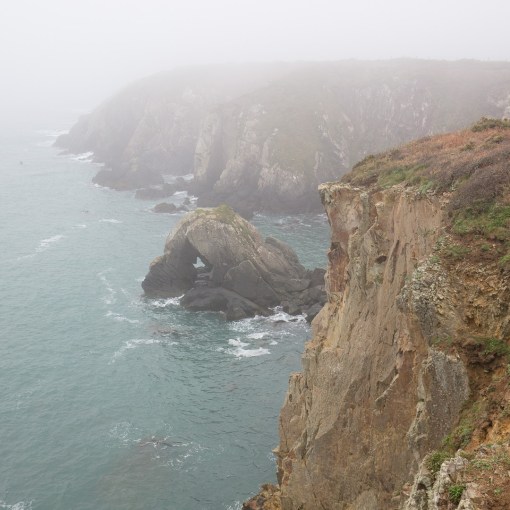 Porth y Ffynnon, St Davids, Pembrokeshire.
 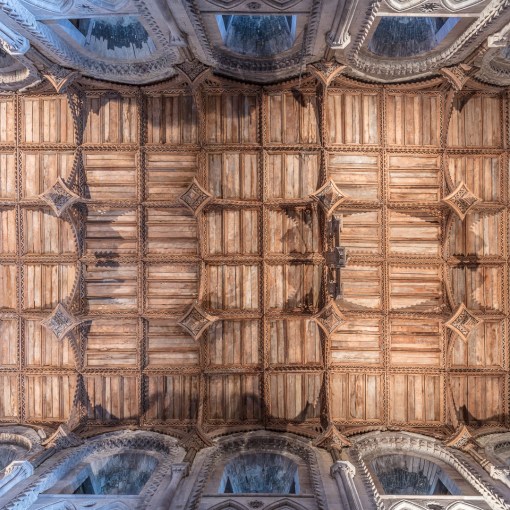 Oak ceiling above the nave, St David’s Cathedral, Pembrokeshire.
  Seascape III, St Bride’s Bay, Pembrokeshire.
 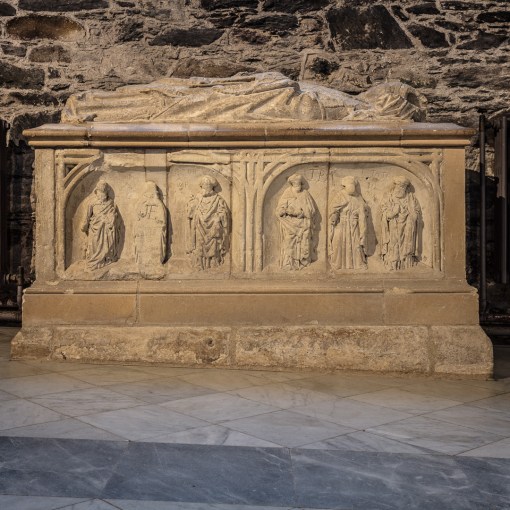 Chest tomb showing incline of nave, St David’s Cathedral, Pembrokeshire.
 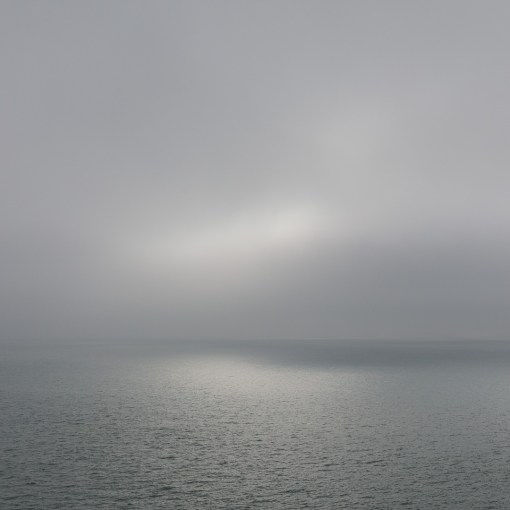 Seascape IV, St Bride’s Bay, Pembrokeshire.
 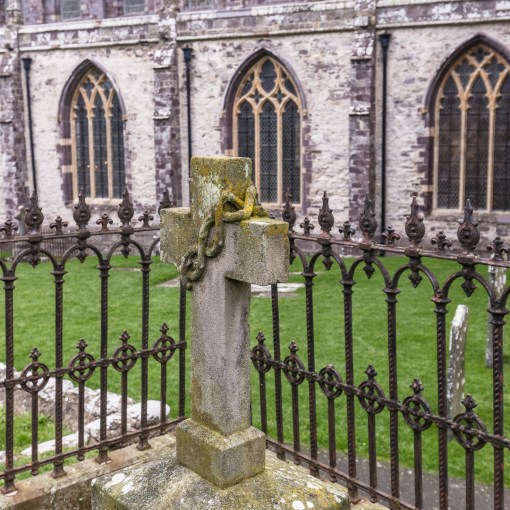 Tomb stone, St David’s Cathedral, Pembrokeshire.
  Treginnis Uchaf, St David’s head, Pembrokeshire.
 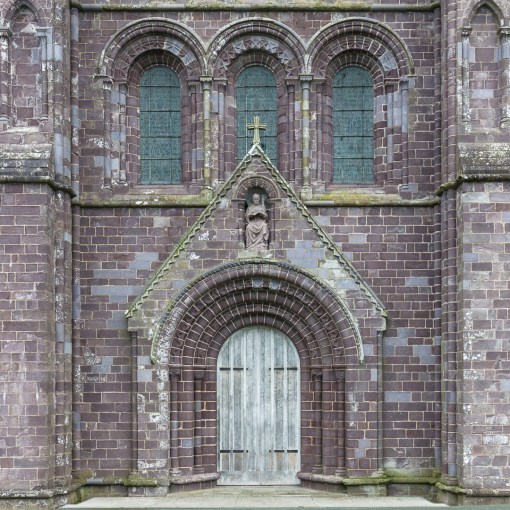 West front of St David’s Cathedral made of distinctive purple Cambrian sandstone, Pembrokeshire.
  Seascape V, St Bride’s…
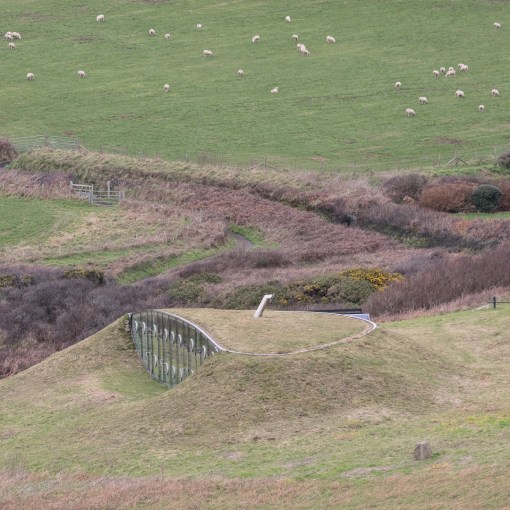 Malator from above, an earth house built in 1998. Architect: Future Systems. Druidston Haven, Pembrokeshire.
  Malator entrance and St Bride’s Bay. Architect: Future Systems. Druidston Haven, Pembrokeshire.
 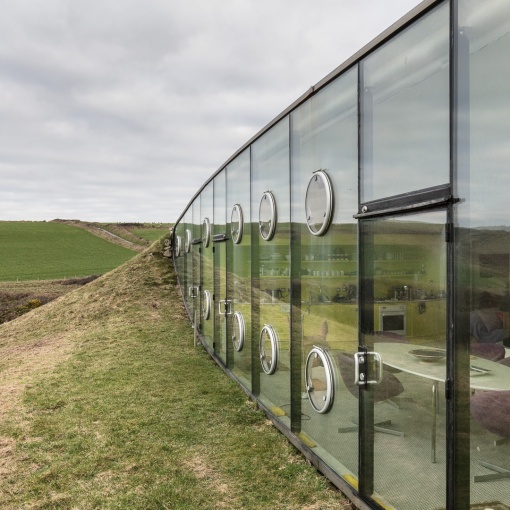 Malator open-plan living space. Architect: Future Systems. Druidston Haven, Pembrokeshire.
 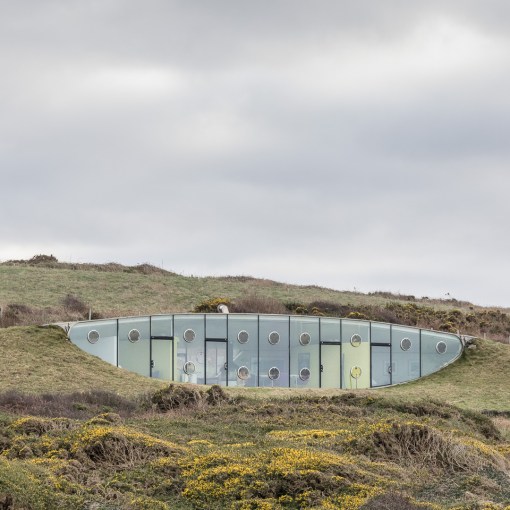 Malator, the buried design allowed the building to be approved within a National Park. Architect: Future Systems. Druidston Haven, Pembrokeshire.
 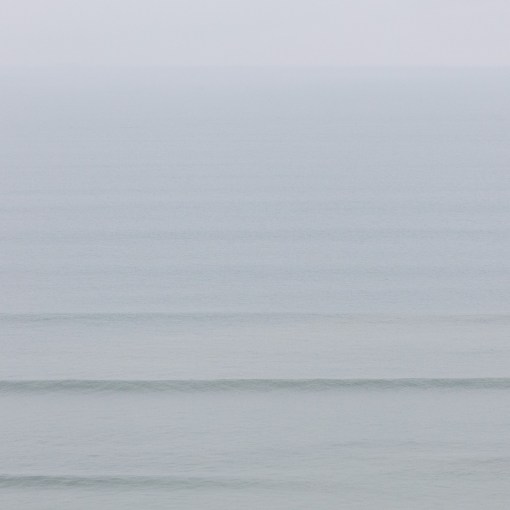 Seascape I, Newgale Sands, Pembrokeshire.
 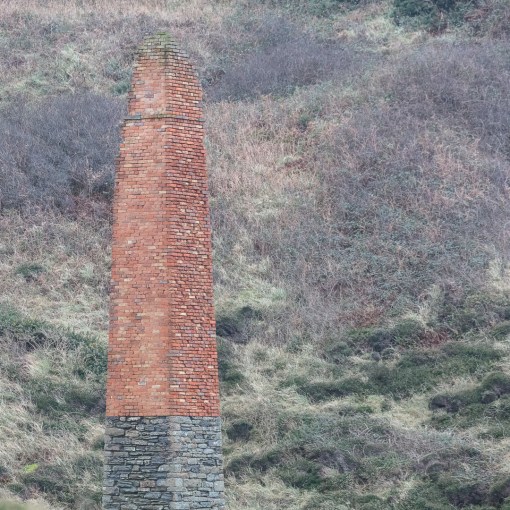 Trefrane Colliery, Engine House Chimney, 1850s, Pembrokeshire.
  Seascape II, Newgale Sands, Pembrokeshire.
  Newgale Sands, Pembrokeshire.
  Glow, St Bride’s Bay, Pembrokeshire.
  Flight, St Bride’s Bay, Pembrokeshire.
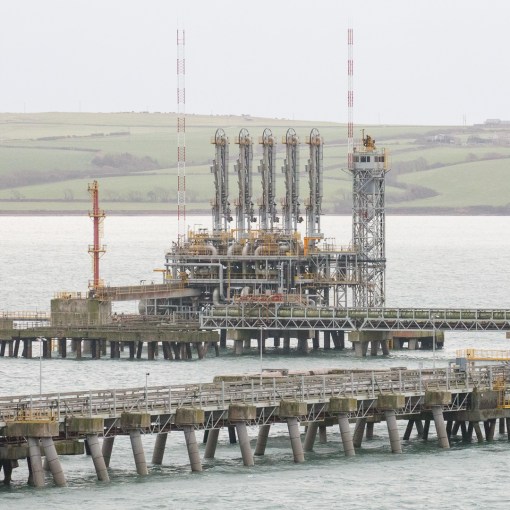 South Hook LNG terminal jetty, Milford Haven, Pembrokeshire.
  Victorian 64pdr Practice Battery Emplacement, South Hook Fort, Milford Haven, Pembrokeshire.
 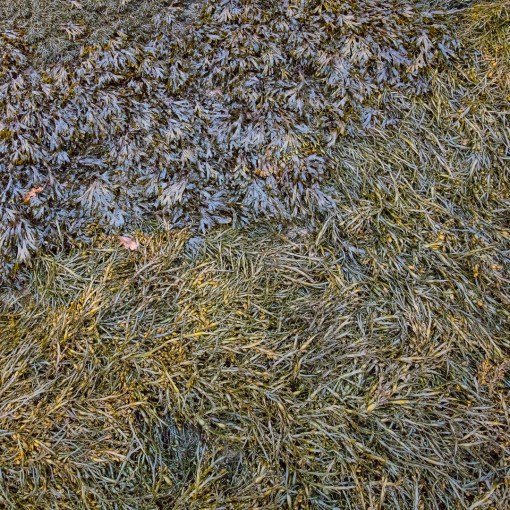 Seaweed, Sandy Haven Pill, Pembrokeshire.
  Little Castle Head Beacon, Pembrokeshire.
  Artist Jon Foreman at work, Lindsway Bay, Pembrokeshire.
  Tide line, Musselwick, Gann Beach, Pembrokeshire.
  Musselwick, Gann Beach, Pembrokeshire.
 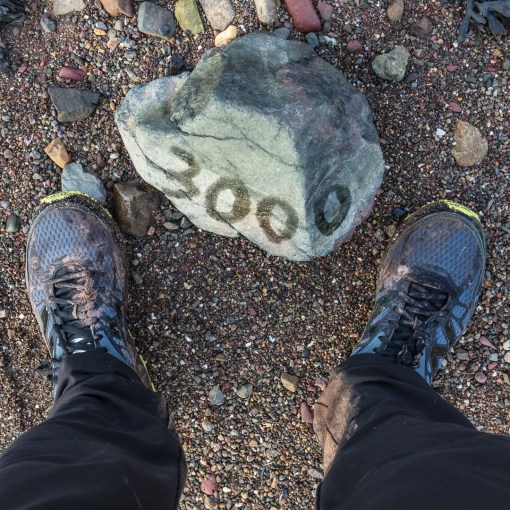 3,000km walked since St Paul’s, London, Gann Beach, Pembrokeshire.
 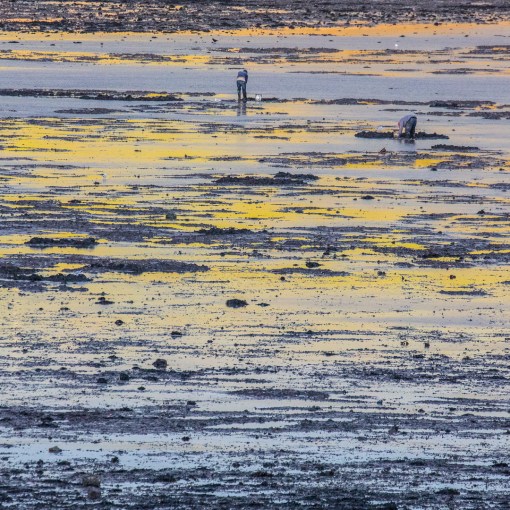 Digging for bait, Gann Beach, Pembrokeshire.
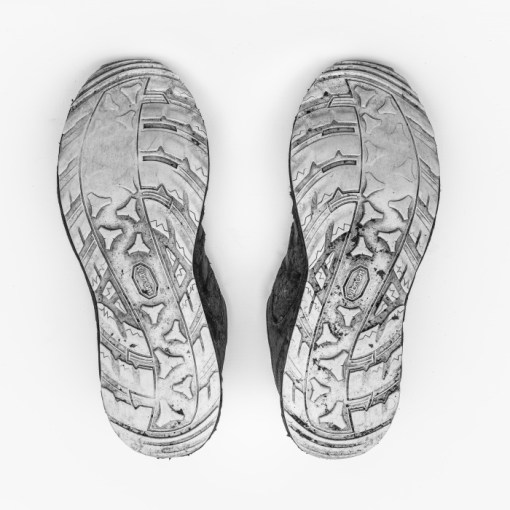


 Criss-cross. Pylons on the Angle peninsula, Pembroke, Pembrokeshire.
 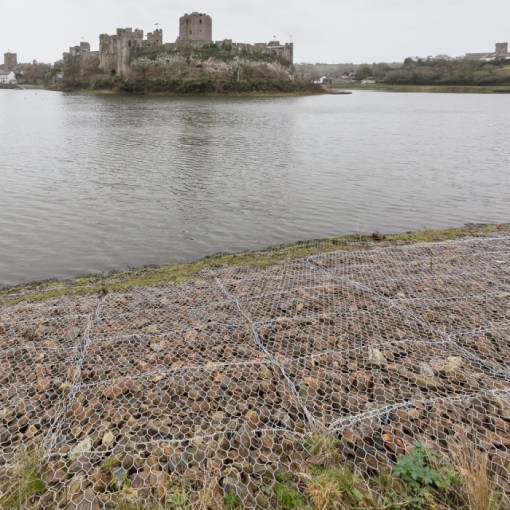 Defences. Contemporary gabion revetments & Pembroke Castle built in 1093, Pembrokeshire.
 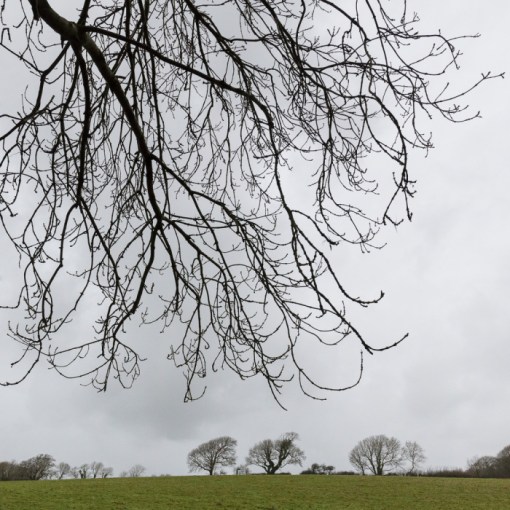 Bush Hill, Pembroke, Pembrokeshire.
 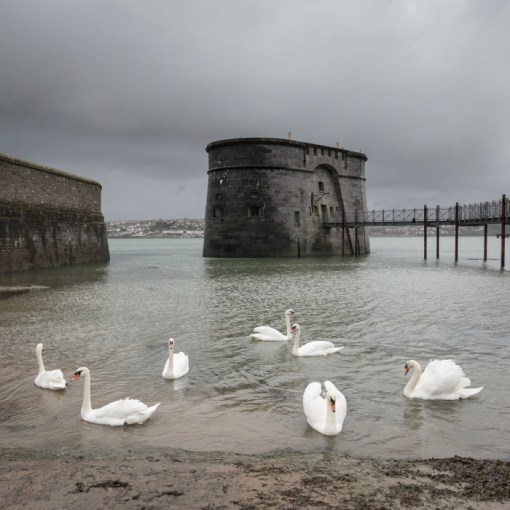 High Contrast. Martello tower, Pembroke Dock, Pembrokeshire.
  Happy Christmas from Sheila and Family, Pembroke Dock, Pembrokeshire.
 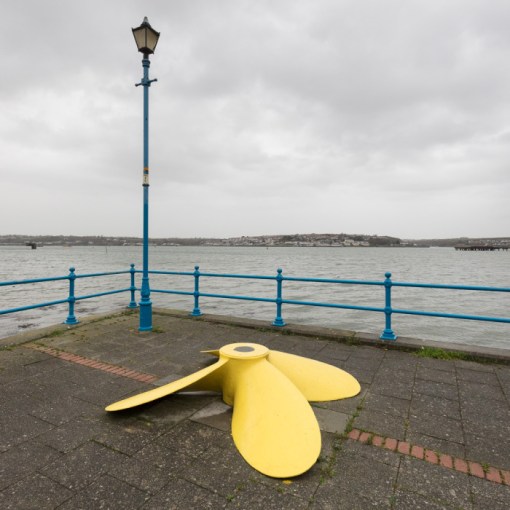 Yellow & Blue, Pembroke Dock, Pembrokeshire.
 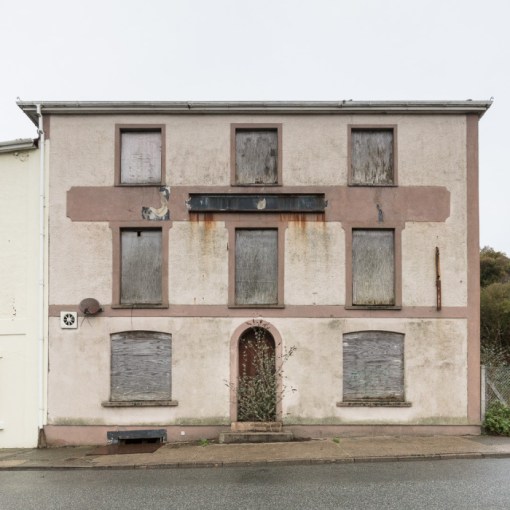 The Brunel Quay Hotel, Neyland, Pembrokeshire.
 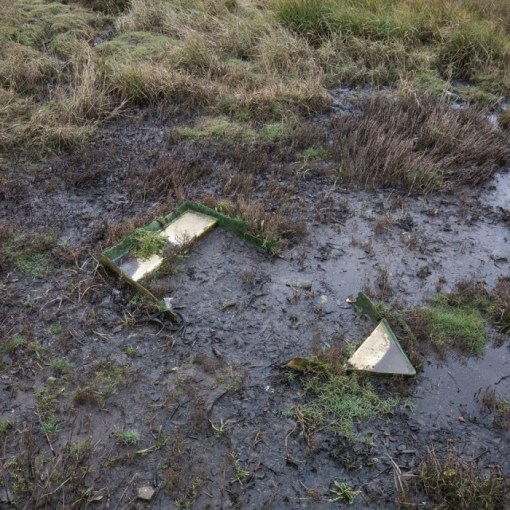 Taking Root. Neyland, Pembrokeshire.
  Dragon LNG Terminal, Milford Haven, Pembrokeshire.
 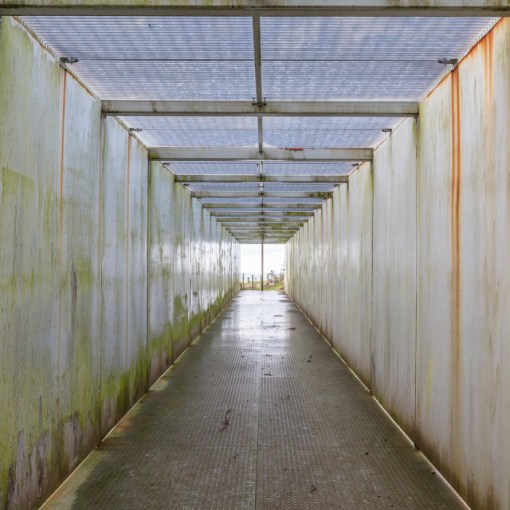 Pipeline Crossing, Dragon LNG Terminal, Milford Haven, Pembrokeshire.
 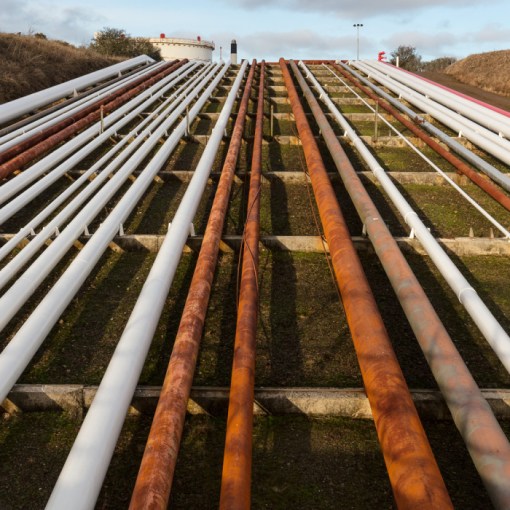 Pipelines, Dragon LNG Terminal, Milford Haven, Pembrokeshire.
  Jetty, Dragon LNG Terminal, Milford Haven, Pembrokeshire.
 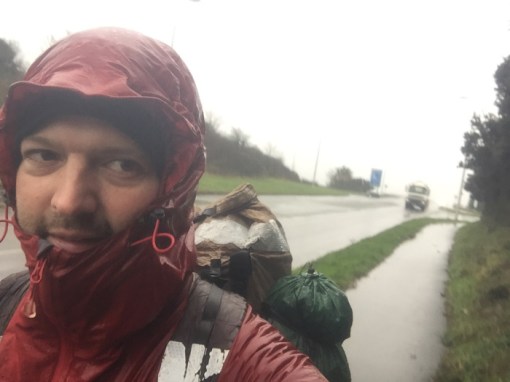 Third day in the rain, near Cleddau Bridge, Pembrokeshire.
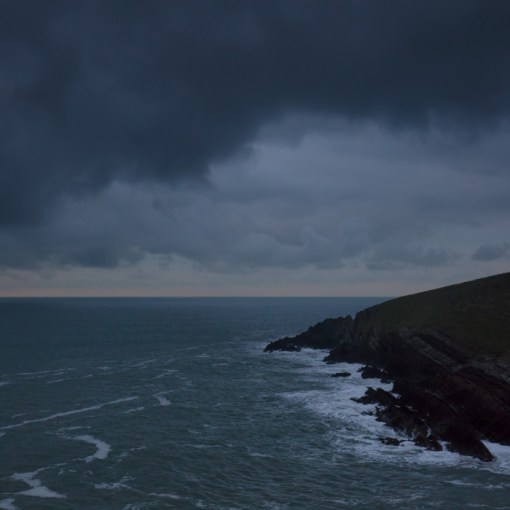 Winter dawn, Whitedole Bay, Dyfed.
 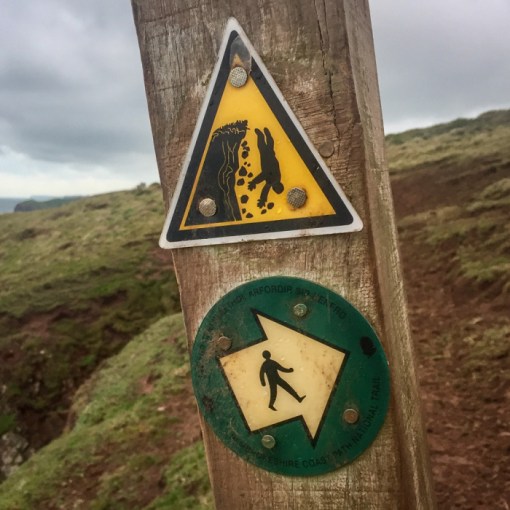 Decisions, decisions, Castles bay, Dyfed.
 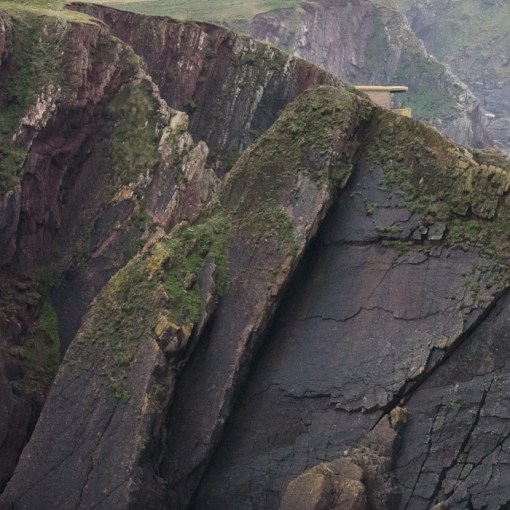 WW2 searchlight bunker, Angle Peninsula, Dyfed.
 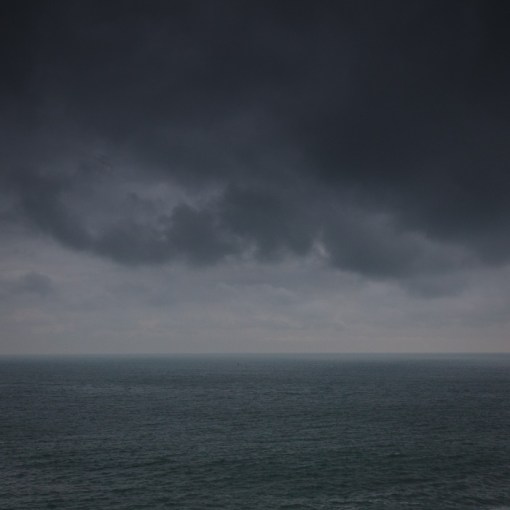 Seascape, Angle Peninsula, Dyfed.
 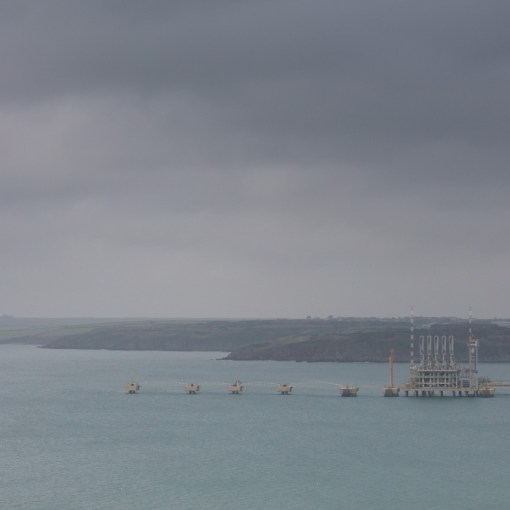 Milford Haven Jetty for delivery of Liquefied Natural Gas, South Hook Terminal, Dyfed.
 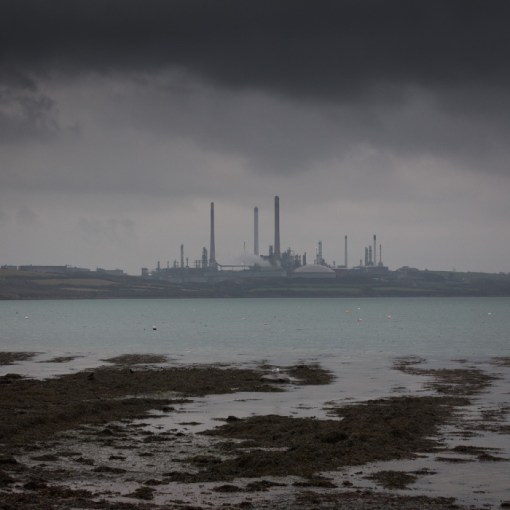 Pembroke Oil Refinery across Angle Bay, Rhoscrowther, Dyfed.
  South Hook LNG terminal and jetty, Dyfed.
 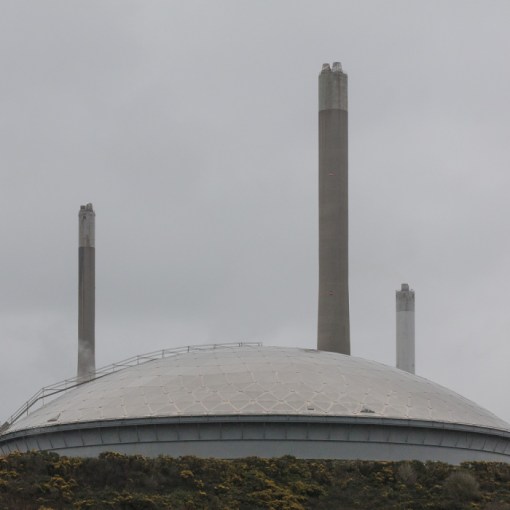 Storage Tank, Pembroke Oil Refinery, Rhoscrowther, Dyfed.
 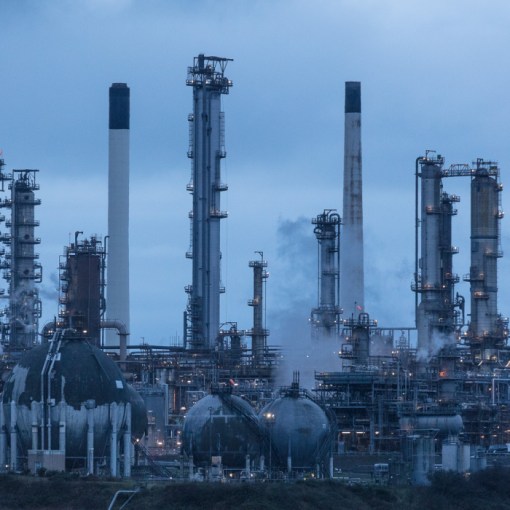 Chimney forest, Pembroke Oil Refinery, Rhoscrowther, Dyfed.
  St Mary’s Church with Pembroke Oil Refinery Flares, Pwllcrochan, Dyfed.
  Pembroke natural gas-fired Power Station, the largest in Europe, Dyfed.
  Pembroke Oil Refinery at dusk, Rhoscrowther, Dyfed.
 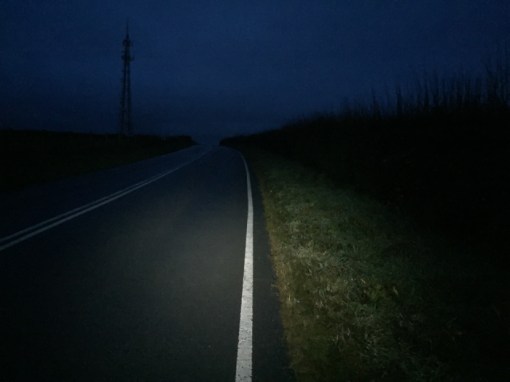 Night hiking to Pembroke, Dyfed.
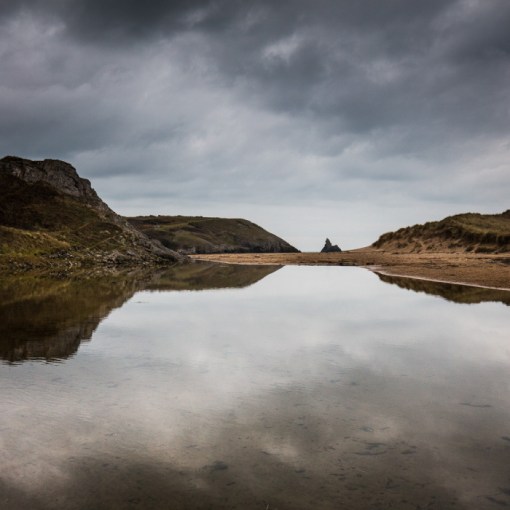 Church Rock and Broad Haven Beach, Dyfed.
  Mowingword cliffs, Dyfed.
 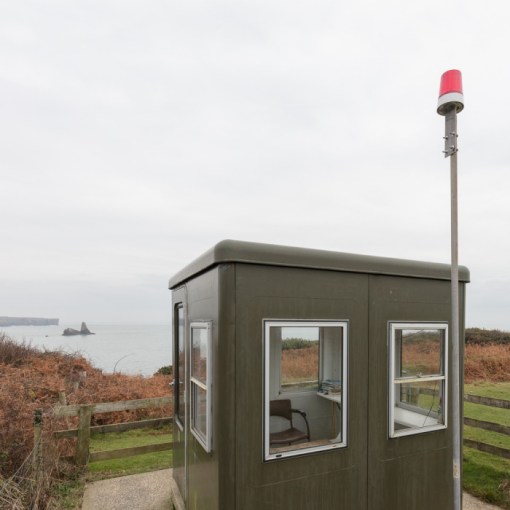 Sentry box, Castlemartin range East, Dyfed.
  Church Rock & Stackpole Head, Dyfed.
  Protection bunker for WW2 mover system, Trevellan Downs Tank Range, Dyfed.
 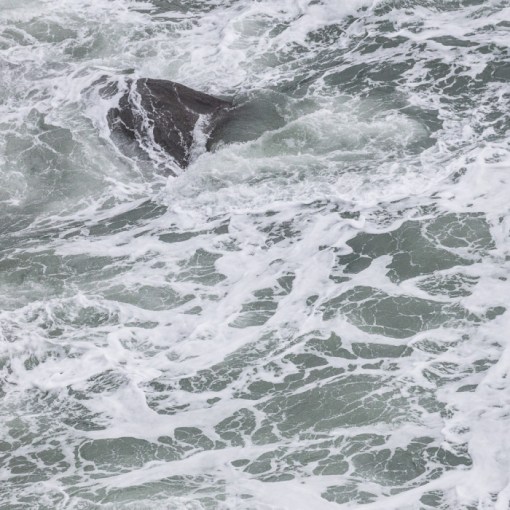 Seascape, St Govan’s Head, Dyfed.
  Coastguard Lookout, St. Govan’s Head, Castlemartin range East, Dyfed.
 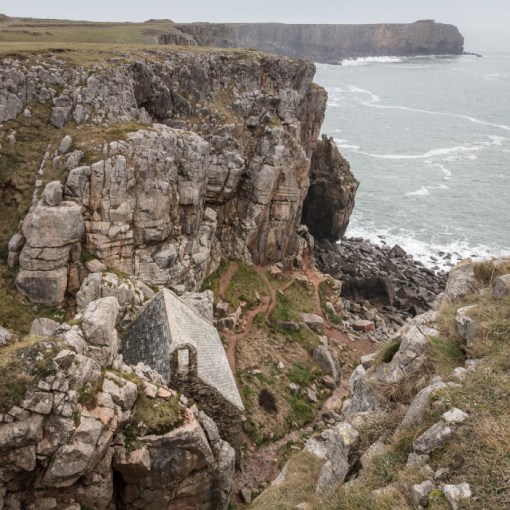 St Govan’s Chapel, built above a hermitage cell in the 14th century, Dyfed.
 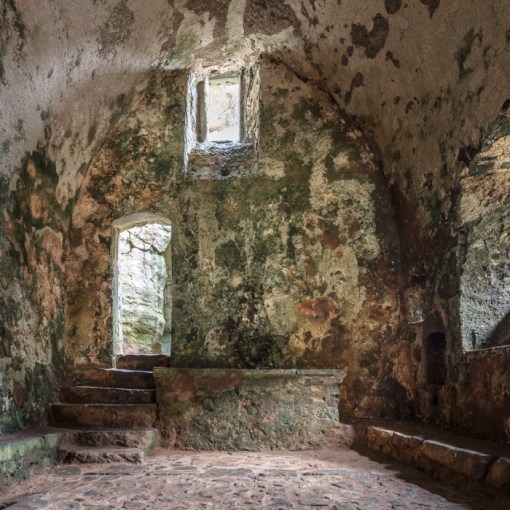 Interior of St Govan’s Chapel, Dyfed.
 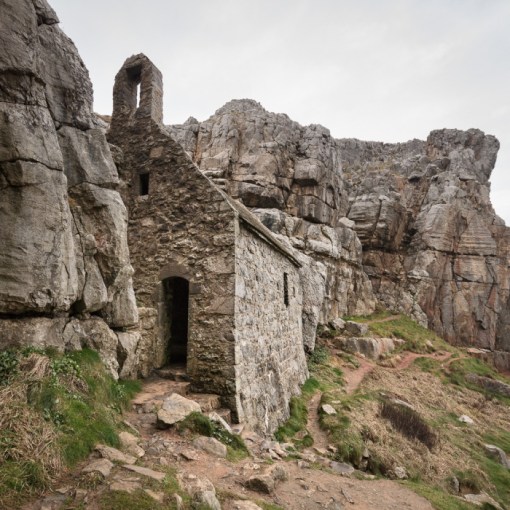 St Govan’s Chapel, Dyfed.
 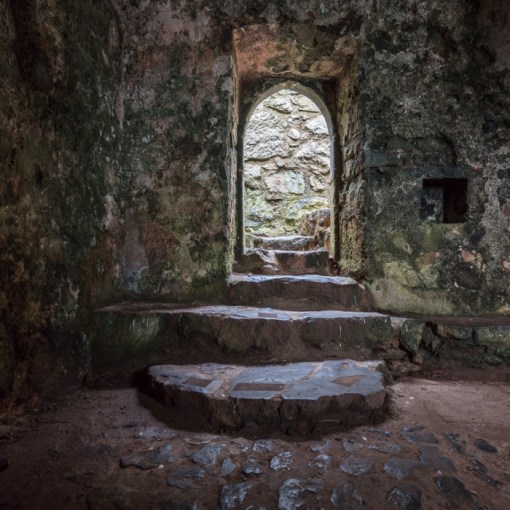 Entrance to St Govan’s Chapel, Dyfed.
  Old Spartan and Sultan armoured personnel carriers used as helicopter targets, Castlemartin range East, Dyfed.
 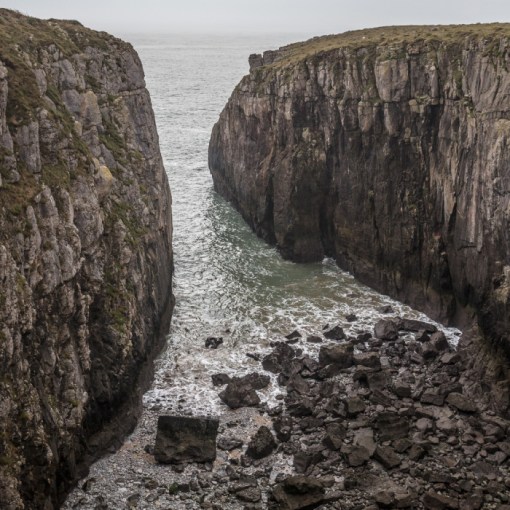 Cliffs at Newton Down, Dyfed.
  Marker, Castlemartin range East, Dyfed.
  Radar Station at Castlehead, Castlemartin range East, Dyfed.
  Elegug Stacks (Elegug is the Welsh word for the guillemot), Dyfed.
 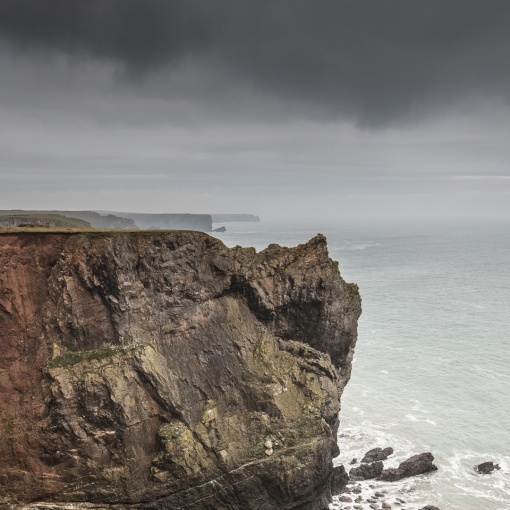 Flimston Bay, Dyfed.
  Elegug Stacks and the south Pembrokeshire coast towards Stackpole Head, Dyfed.
 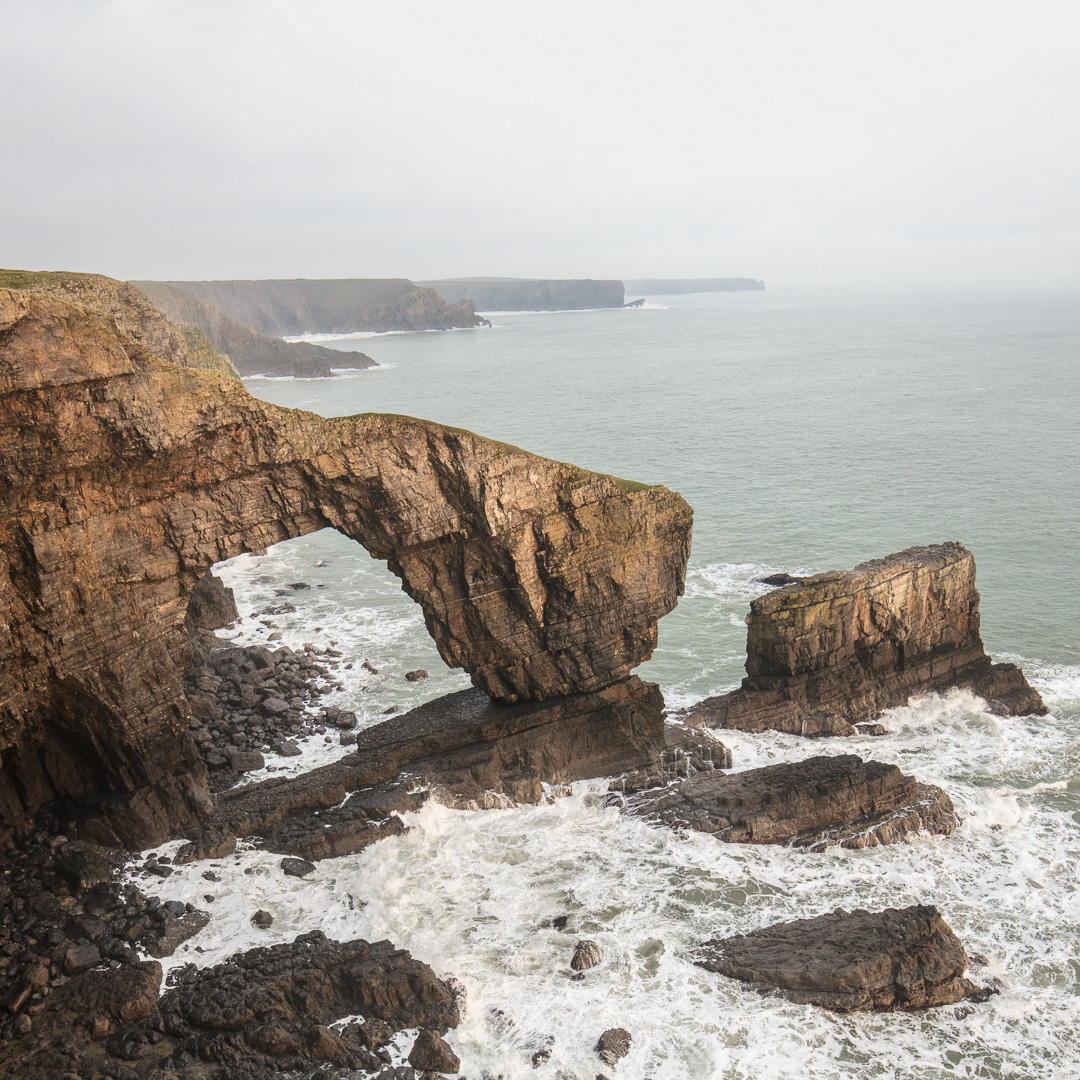 The Green Bridge of Wales, a natural arch formed from Limestone, Dyfed.
  Night hiking above the…
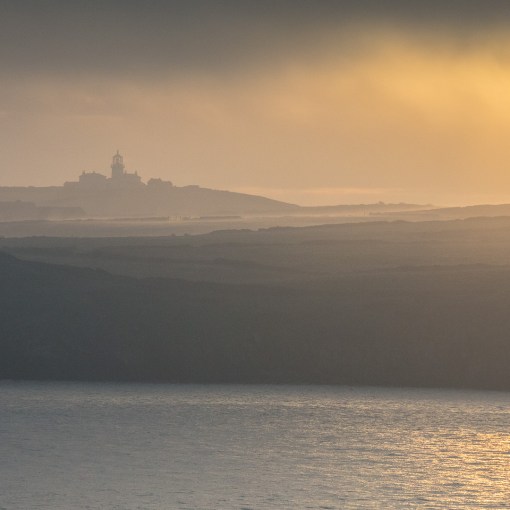 Sunrise over Caldey Island lighthouse, Dyfed.
 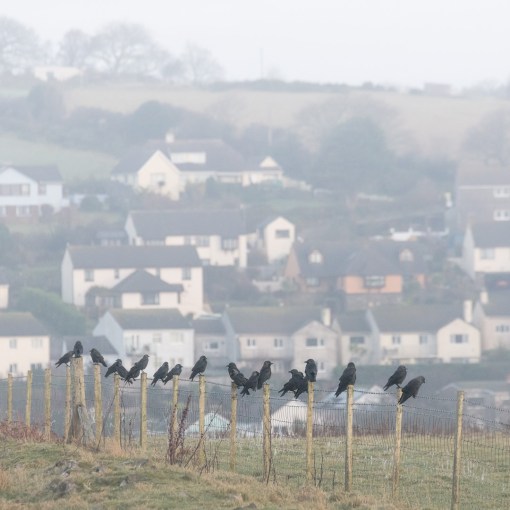 Jackdaws, Penally, Dyfed.
 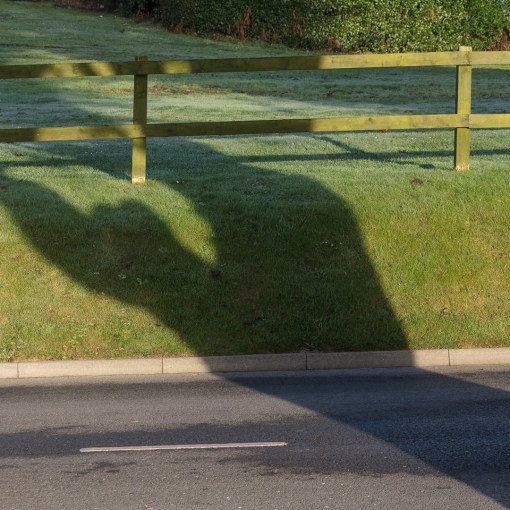 Lydstep, Dyfed.
 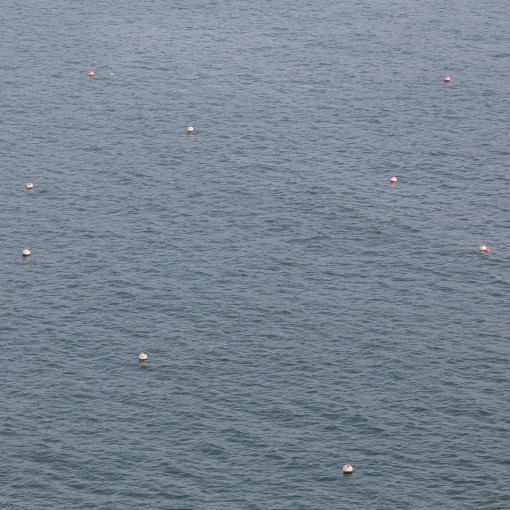 Constellation of net buoys, Lydstep Haven, Dyfed.
 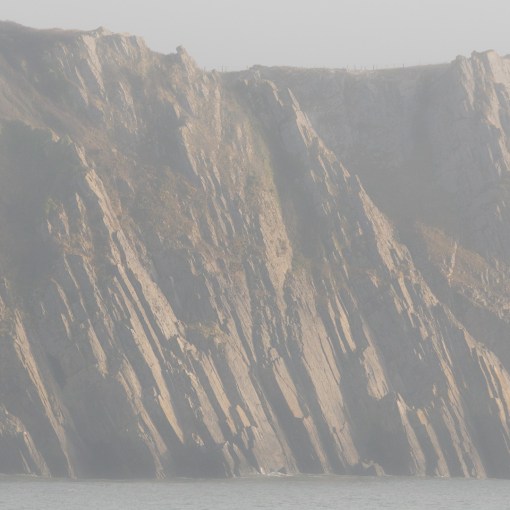 Proud Giltar, Dyfed.
 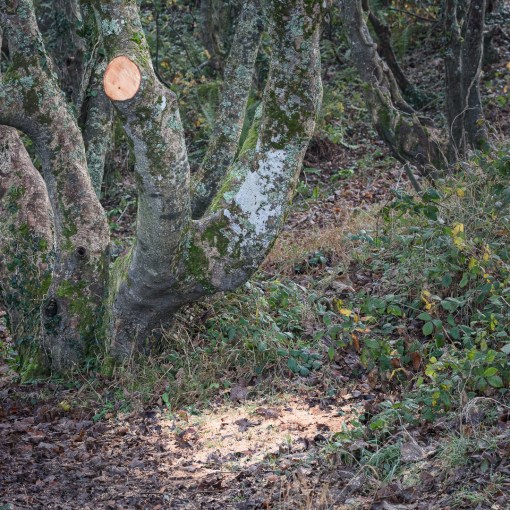 Amputation, Lydstep, Dyfed.
 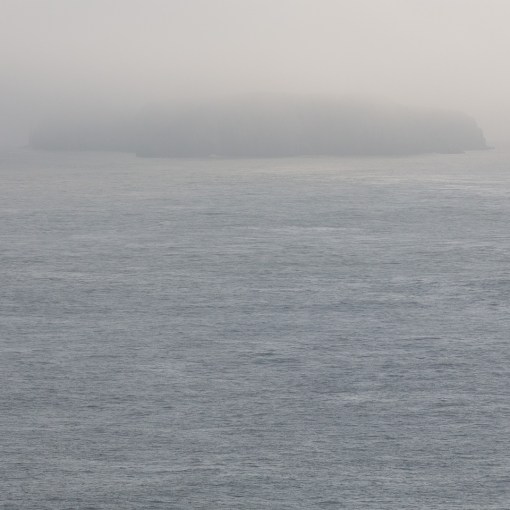 Last glimpse, Caldey Island, Dyfed.
 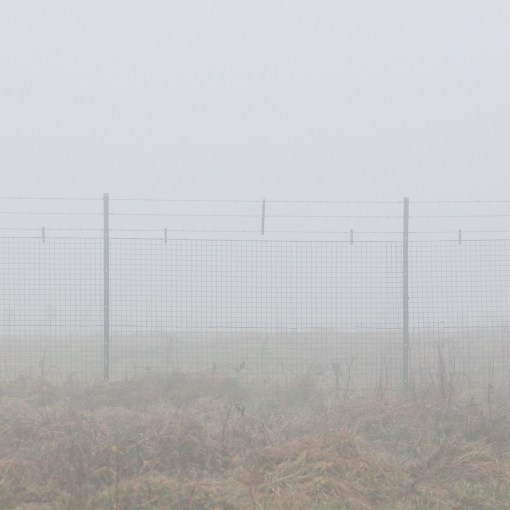 Air Defence Range Manorbier I, Dyfed.
  Presipe, Manorbier, Dyfed.
  Air Defence Range Manorbier II, Dyfed.
 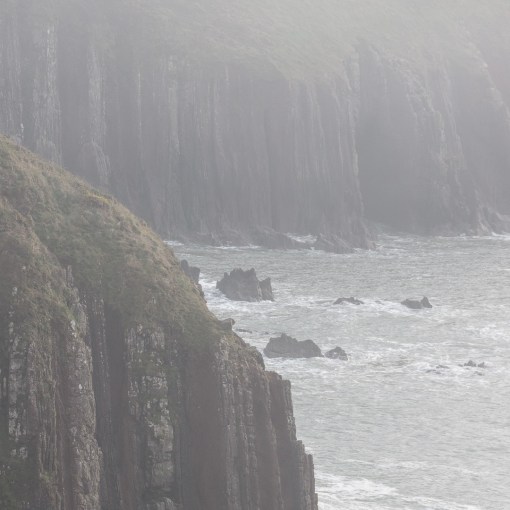 Conigar pit, Manorbier, Dyfed.
 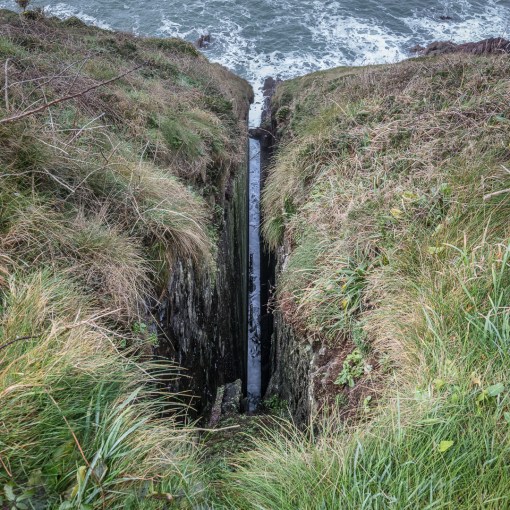 Fissure, Priest’s Nose, Manorbier, Dyfed.
  King’s Quoit, Neolithic Burial Chamber, Manorbier, Dyfed.
 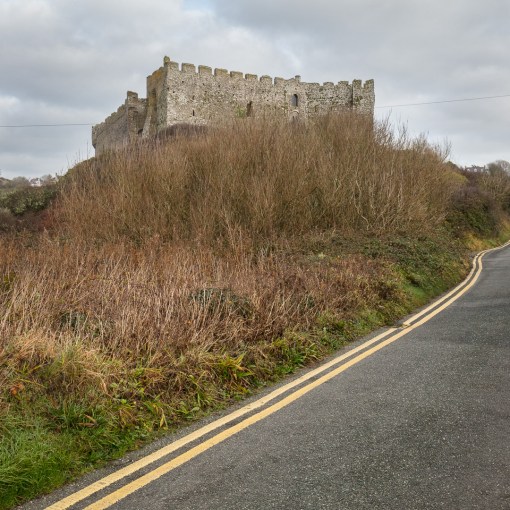 Double Yellow, Manorbier Castle, Dyfed.
 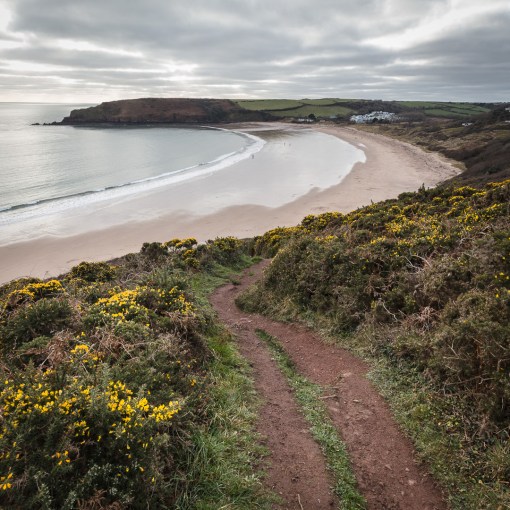 Coast path to Freshwater East, Dyfed.
 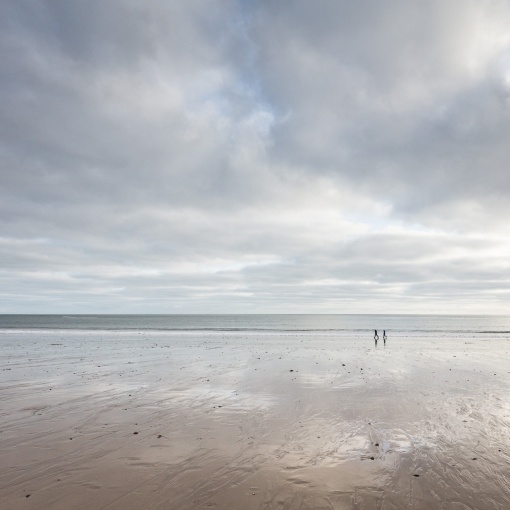 Freshwater East Beach, Dyfed.
  Drinking Trough, Trewent Point, Dyfed.
  Gorse & Bracken, Trewent Point, Dyfed.
  Camp, Stackpole Head, Dyfed.

 Geometry & Silence