Archives for category: Documentary Photography

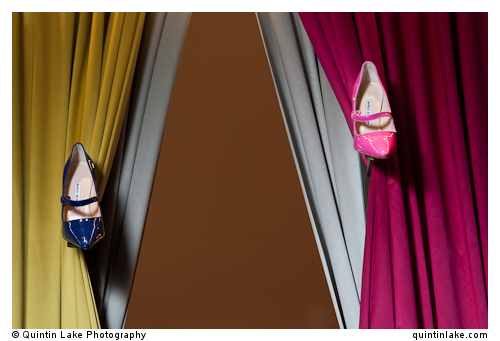
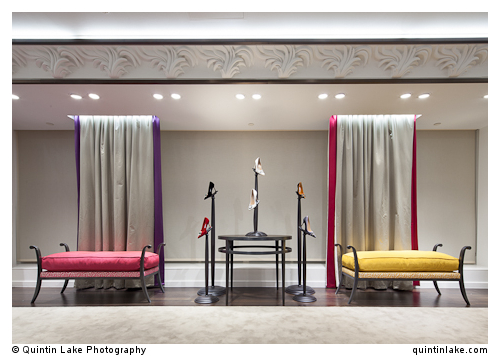
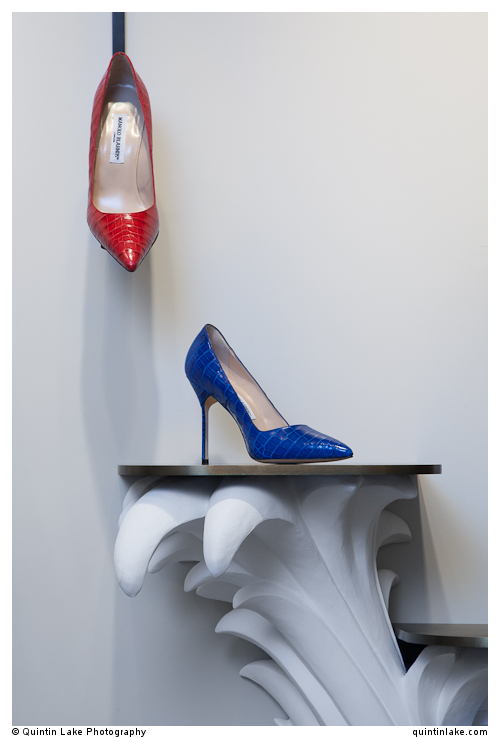
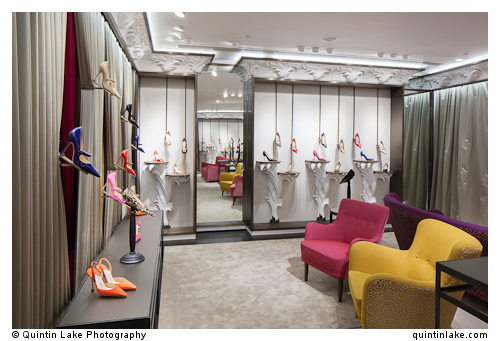
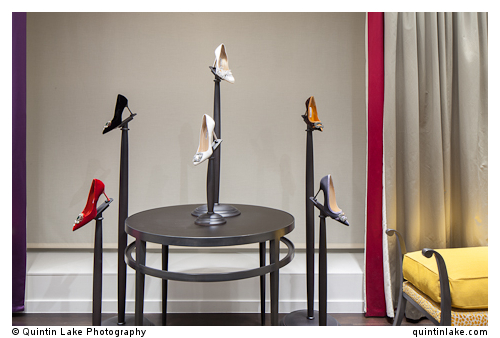
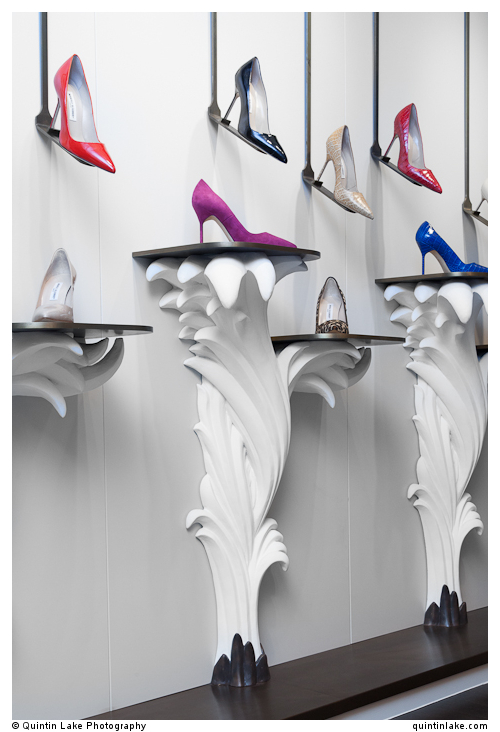
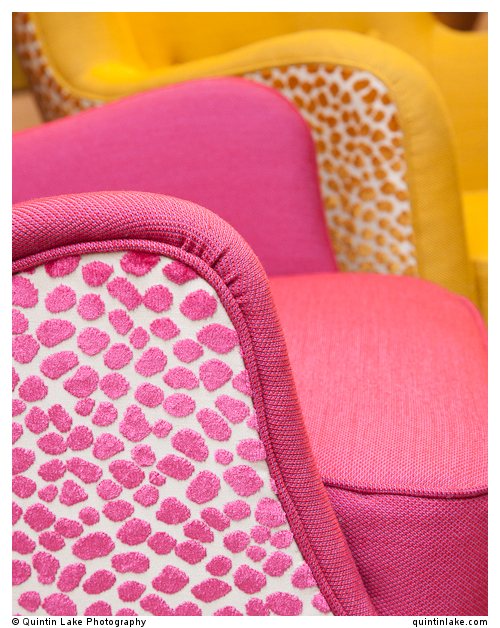
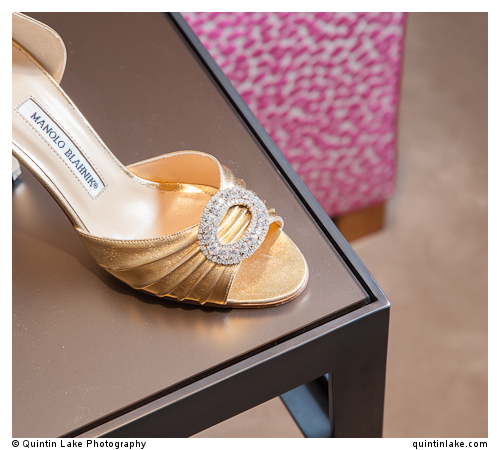
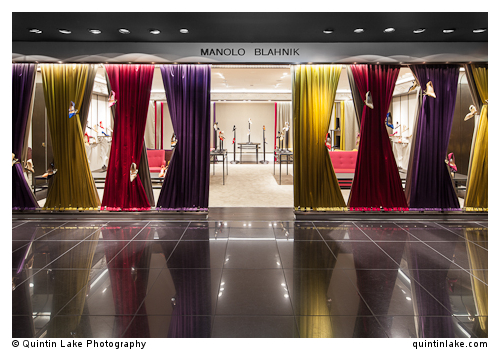
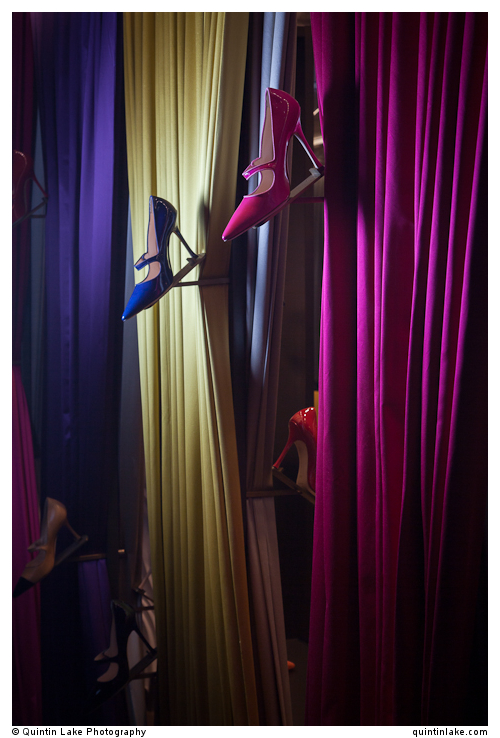
Manolo Blahnik, Harrods by Data Nature Associates Manolo Blahnik, Harrods by Data Nature Associates Manolo Blahnik, Harrods by Data Nature Associates Manolo Blahnik, Harrods by Data Nature Associates Manolo Blahnik, Harrods by Data Nature Associates Manolo Blahnik, Harrods by Data Nature Associates Manolo Blahnik, Harrods by Data Nature Associates Manolo Blahnik, Harrods by Data Nature Associates Manolo Blahnik, Harrods by Data Nature Associates Manolo Blahnik, Harrods by Data Nature Associates

An assignment for architects Data Nature Associates to photograph their design for the new Manolo Blahnik store in Harrods, London.

Click Here for More from this Photoshoot >>

All images available for publication / licensing contact me for pricing or to commission your own shoot

Geneity reception

Geneity reception reflects the betting aspect of their business

Business bar separates reception from meeting rooms

Business bar separates reception from meeting rooms

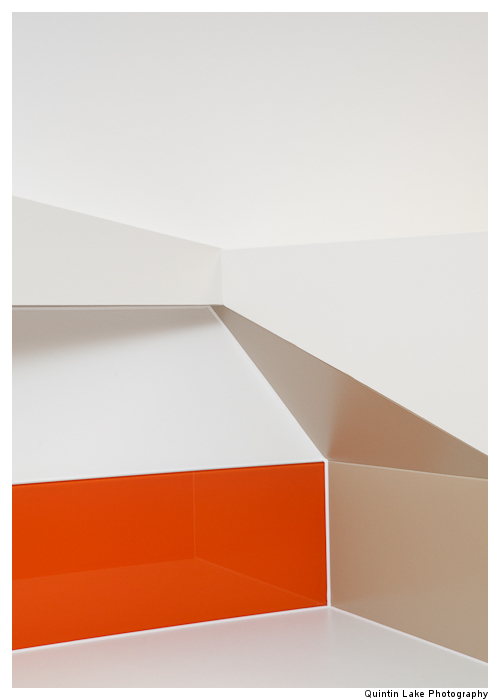
Detail of business bar

Detail of business bar

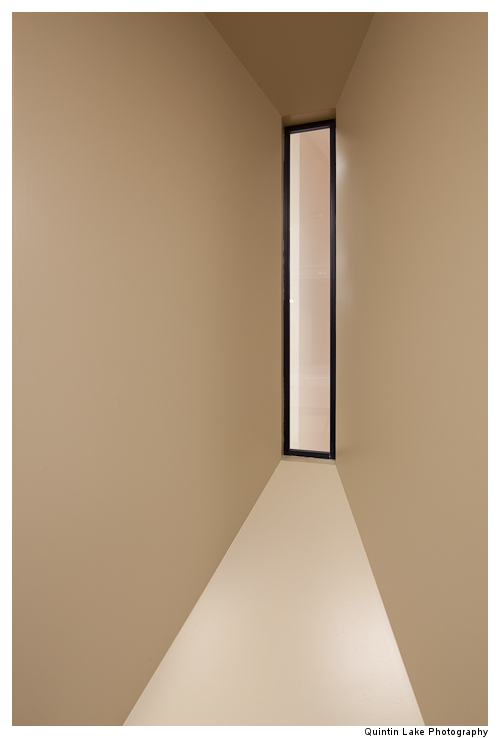
Private spaces have windows visually connecting to the rest of the office

Private spaces have windows visually connecting to the rest of the office

Interior view of meeting room windows

Interior view of meeting room windows

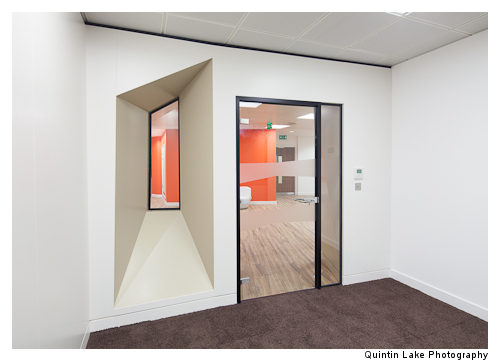
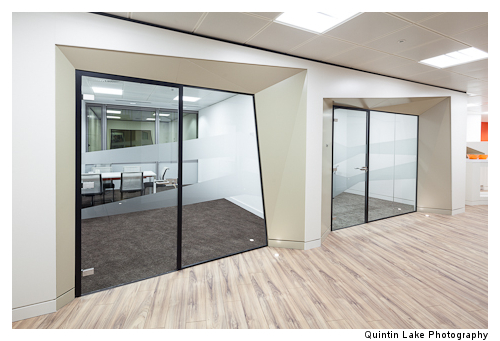
Faceted meeting rooms help break down the standard cellular feeling of such spaces

Faceted meeting rooms help break down the standard cellular feeling of such spaces

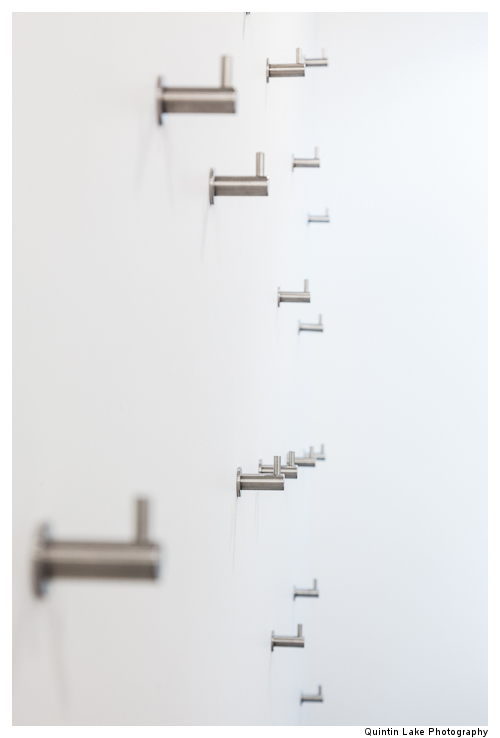
Clothes hooks in the canteen

Clothes hooks in the canteen

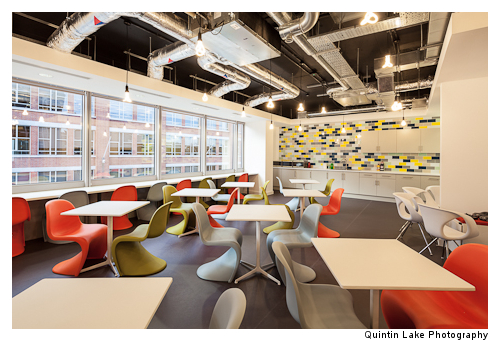
Canteen

Canteen

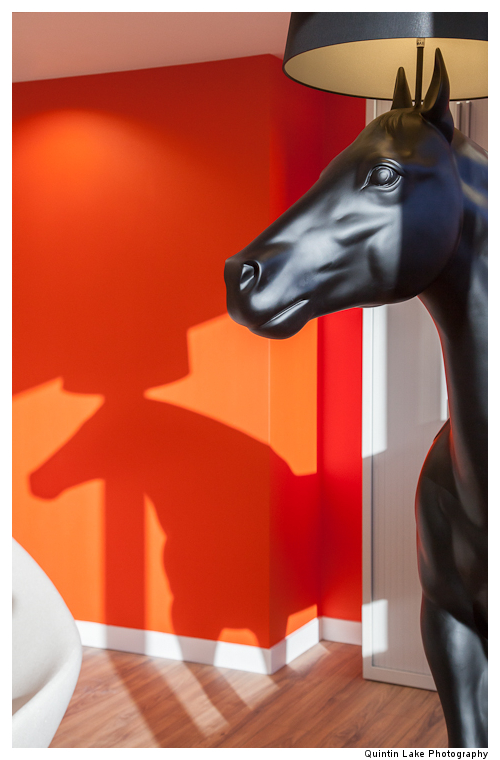
The orange palette runs through the design

The orange palette runs through the design

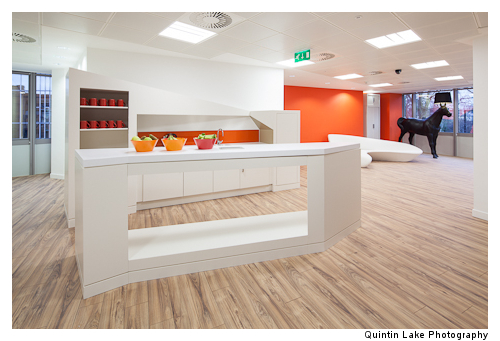
An assignment for architects Barr Gazetas to photograph their dynamic faceted office interior for Geneity, an online betting software company in London.

Click Here for More from this Photoshoot >>

All images available for publication / licensing contact me for pricing or to commission your own shoot

Barrett Street Residence, London. Krause Architects

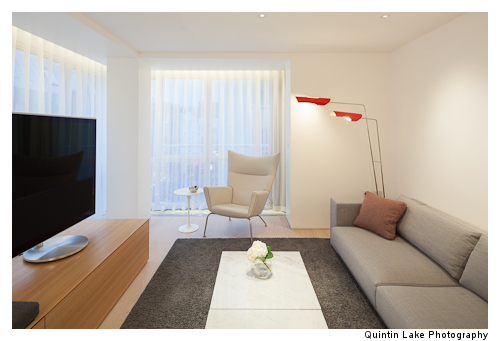
Living room with flush fitting door to kitchen at far left

Barrett Street Residence, London. Krause Architects

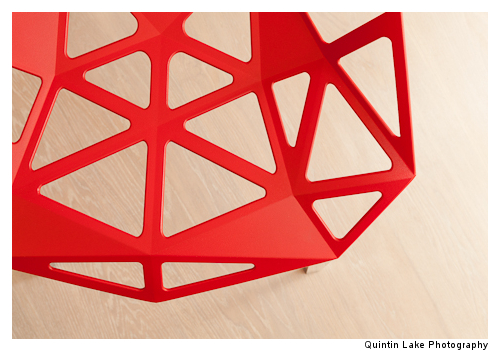
Many fittings are coordinated in Ferrari red

Barrett Street Residence, London. Krause Architects

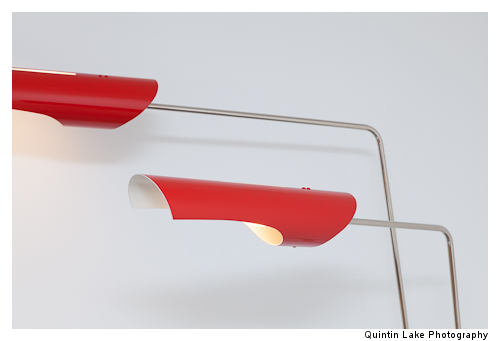
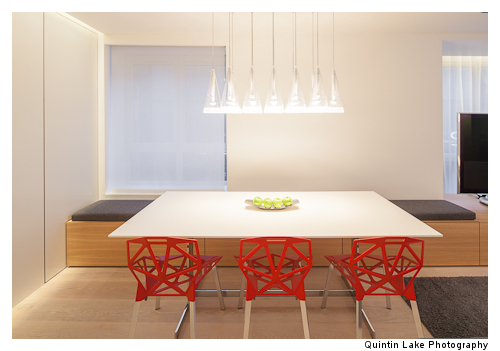
Detail of dining table lamp

Barrett Street Residence, London. Krause Architects

Dining table with storage below bench seat

Barrett Street Residence, London. Krause Architects

Bang & Olufsen AV system in living room

Barrett Street Residence, London. Krause Architects

Ferrari red dining chair

Barrett Street Residence, London. Krause Architects

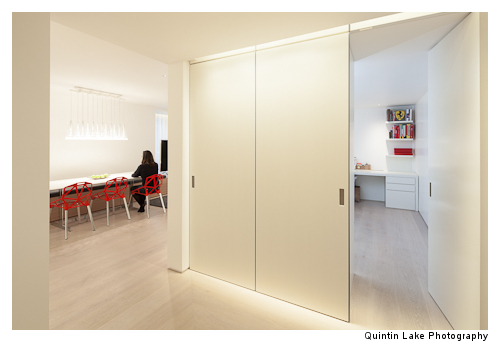
Living room and office

Barrett Street Residence, London. Krause Architects

Detail of fitted furniture

Barrett Street Residence, London. Krause Architects

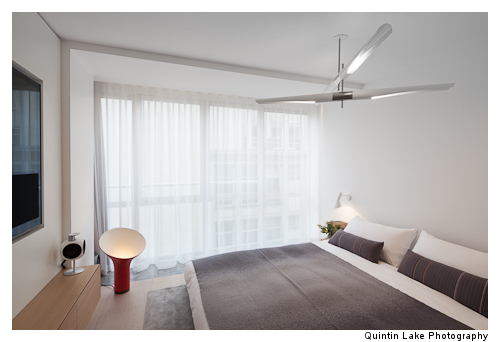
Bedroom

Barrett Street Residence, London. Krause Architects

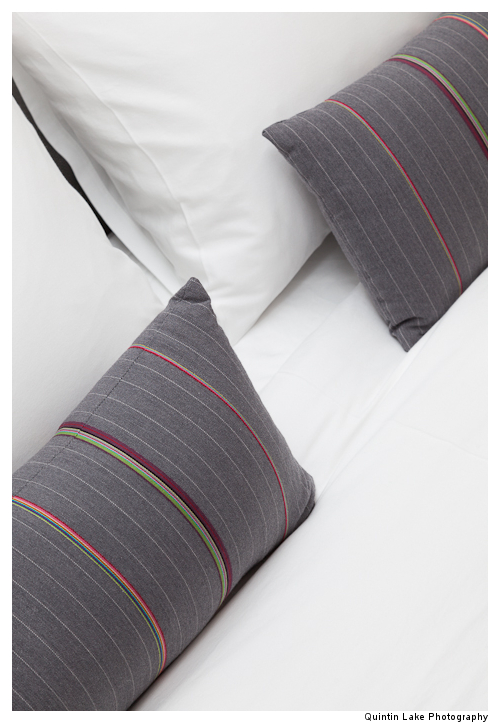
Soft furnishing in bedroom

Barrett Street Residence, London. Krause Architects

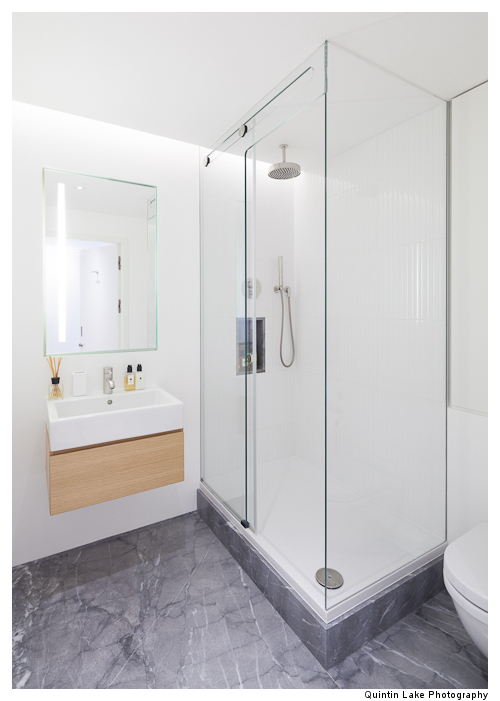
Detail of custom shower enclosure

Barrett Street Residence, London. Krause Architects

Custom shower enclosure

Barrett Street Residence, London. Krause Architects

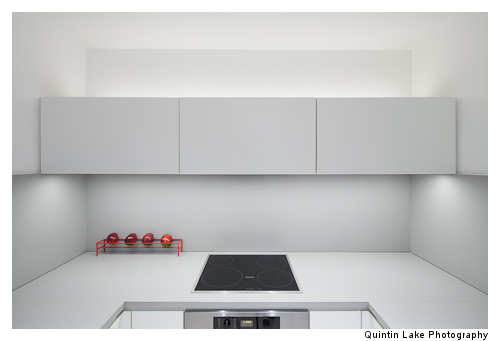
The carefully lit kitchen cabinets

Barrett Street Residence, London. Krause Architects

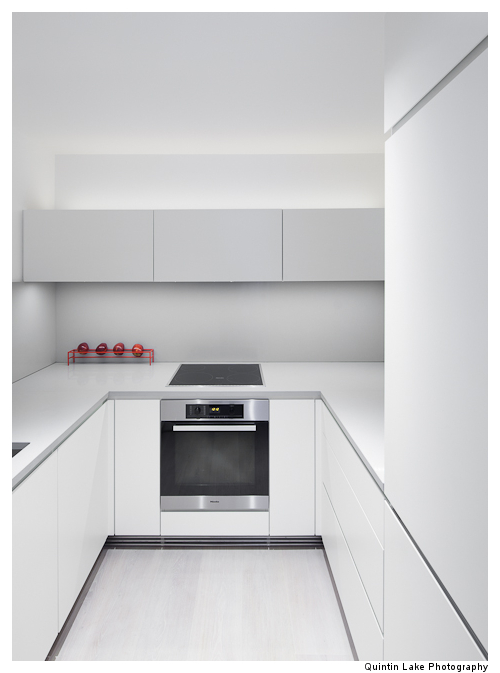
the kitchen is a subtle palette of white and grey

Barrett Street Residence, London. Krause Architects

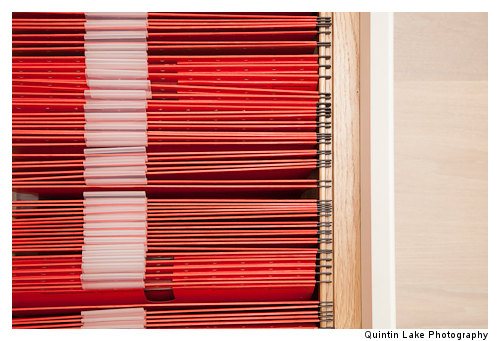
Red hanging files

Barrett Street Residence, London. Krause Architects

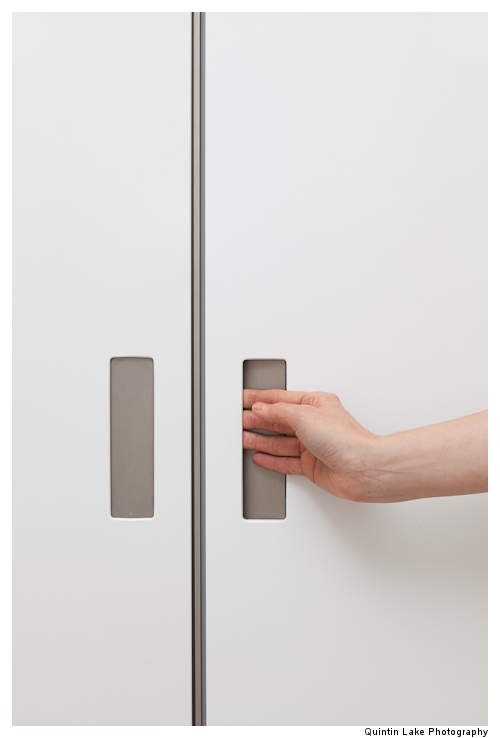
Bespoke recessed cupboard handles

Barrett Street Residence, London. Krause Architects

Detail of kitchen cabinets

Barrett Street Residence, London. Krause Architects

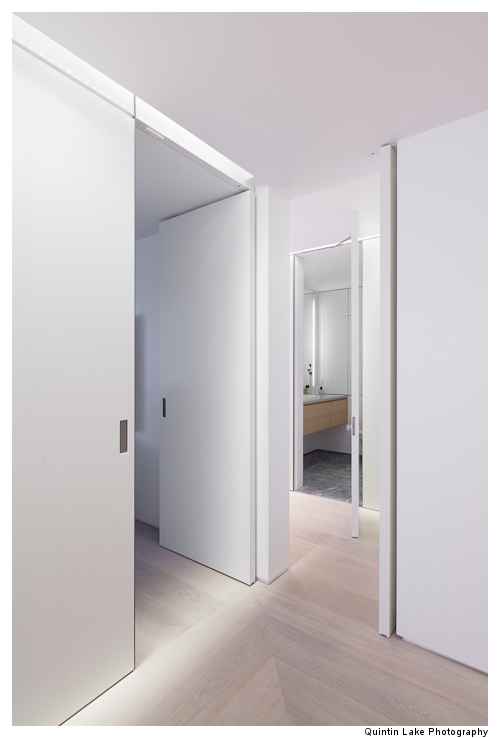
Custom floor to ceiling doors have no frame

Barrett Street Residence, London. Krause Architects

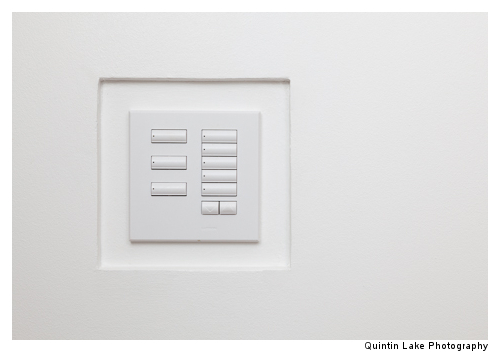
Electronic control switch

Barrett Street Residence, London. Krause Architects

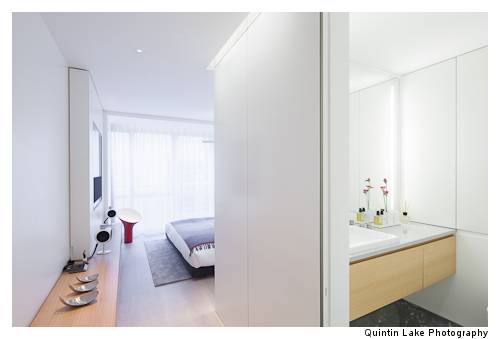
Bedroom with en suite

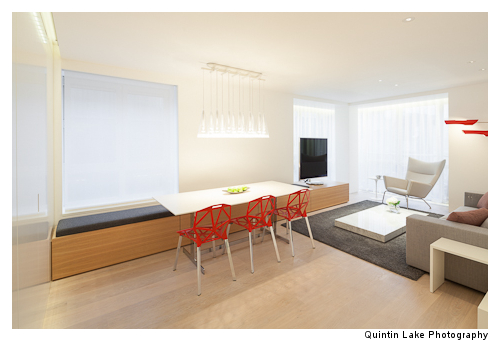
Immaculately detailed minimalist London apartment for a Ferrari collector by Krause Architects and Upton-Hansen Architects. The apartment was handed over to the client fully furnished with every detail chosen to reflect the owners interest in quality materials and sports car aesthetics.

Click Here for More from this Photoshoot >>

All images available for publication / licensing contact me for pricing or to commission your own shoot.

My 30 favourite pictures from assignments and projects in 2012….

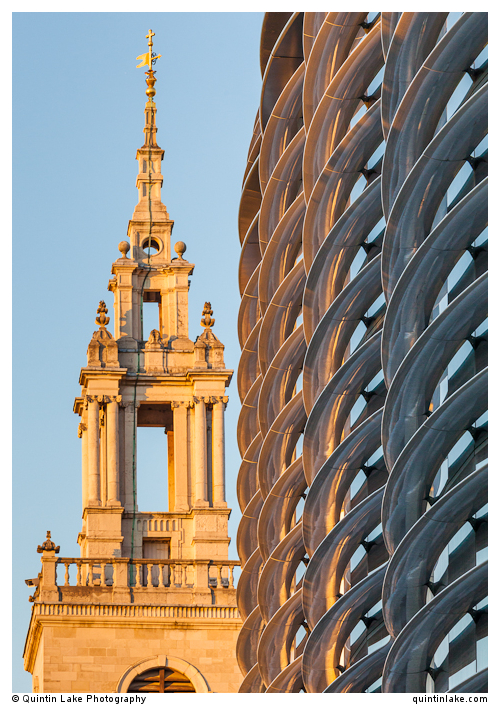
1/ The Walbrook Building by Foster and Partners More >>

London old and new. At left: St Stephen Walbrook Church built 1672-9 by architect Sir Christopher Wren. At right: Walbrook Office Building, built 2010. Architect: Foster and Partners. Engineer: Arup

2/ Oxford Street facade by Future Systems More >>

Contrasting old and new architecture in London. Detail of facades on Oxford Street, London. Left: Late 19th century facade now Radcliffe College Language School. Right: 187-195 Oxford Street faceted glass facade by architect’s Future Systems, built 2008

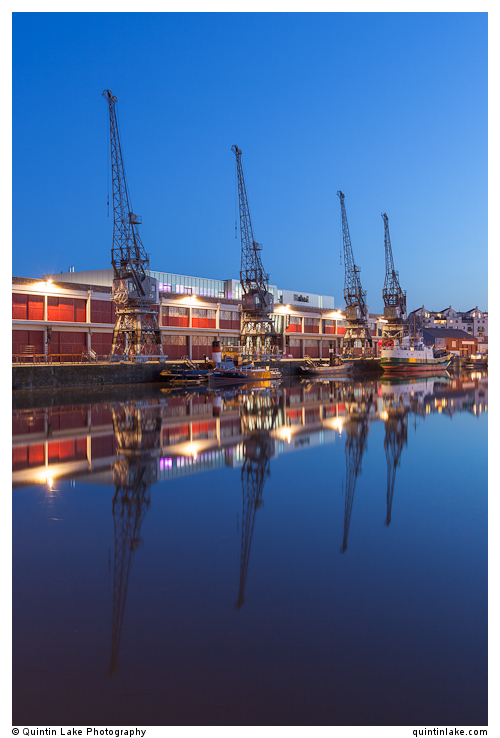
3/ M Shed by LAB Architecture Studio More >>

M Shed, Bristol at Dusk. Architect: LAB Architecture Studio

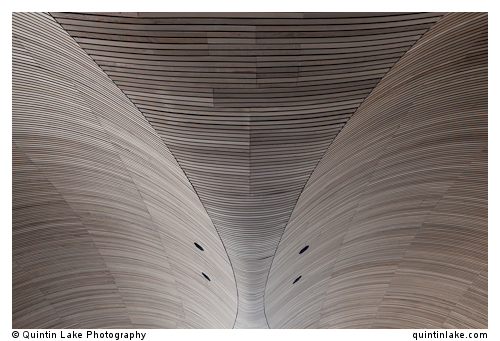
4/ Welsh Assembly by Richard Rogers More >>

Cedar wood ceiling inside the National Assembly for Wales Senedd (Senate) Building. Architect: Richard Rogers Partnership, 2006. Cardiff Bay, Wales.

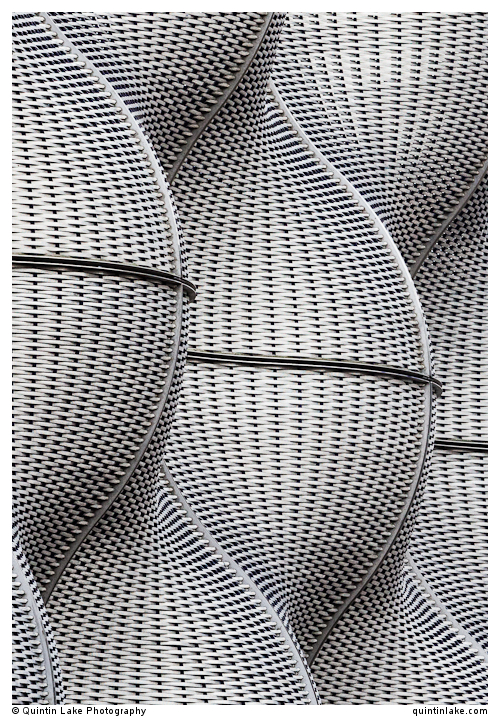
5/ The Wave Car Park by Scott Brownrigg More >>

Detail of tensile fabric facade, The Wave Car park, Cardiff Bay, Wales. Architects: Scott Brownrigg

6/ Larch House by Millar + Howard Workshop More >>

Larch House at dusk, Horsley, Gloucestershire. Architect: Millar+Howard Workshop

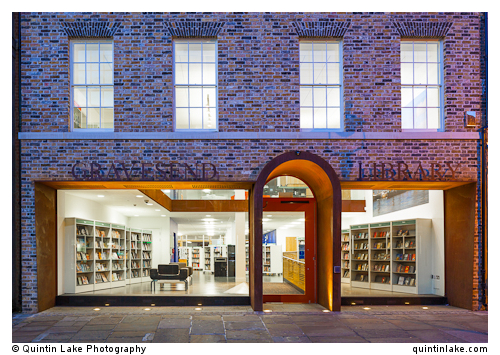
7/ Gravesend Library by Clay Architecture More >>

Gravesend Library new entrance at dusk. Architect: Clay Architecture

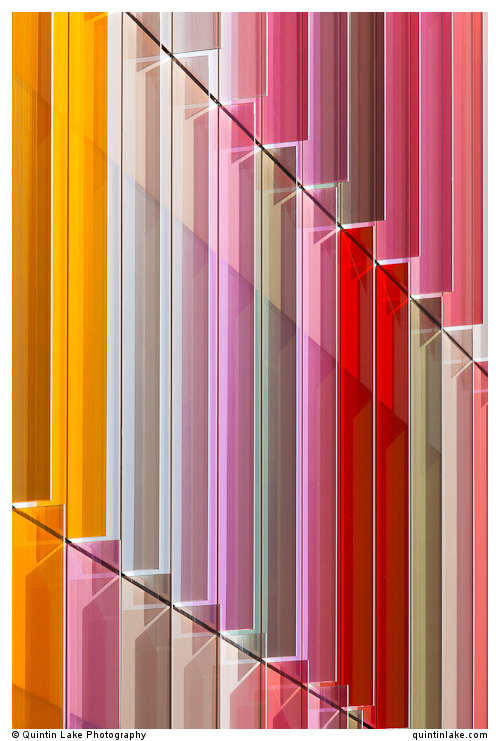
8/ Biochemistry Building by Hawkins Brown More >>

Coloured glass fins of Oxford University Biochemistry Building in evening light

9/ Vanishing Shanghai More >>

Vanishing Shanghai II. The writing on the wall reads, “Overusage of Electricity Prohibited”. 2007

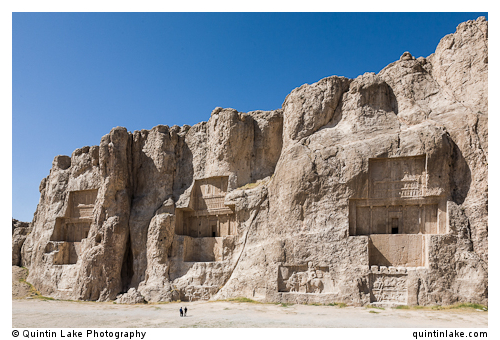
10/ Achaemenid Tombs at Naqsh-e Rustam, Iran More >>

Achaemenid Tombs at Naqsh-e Rustam

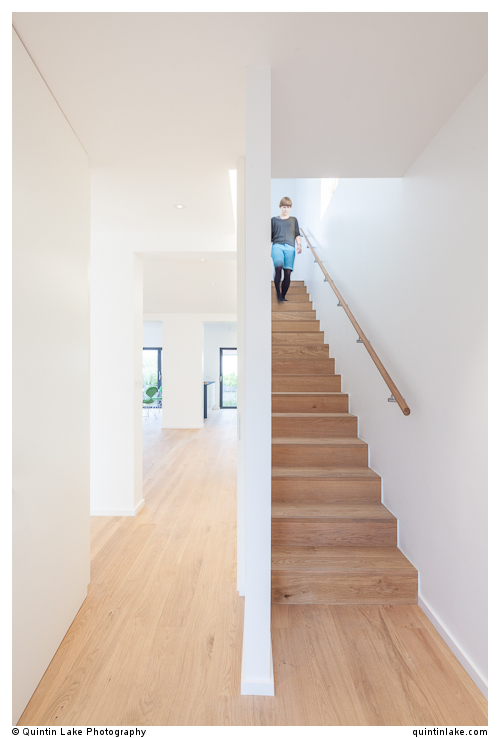
11/ Villa W, London by Krause Architects More >>

At the front door, the house opens up to provide clear views through to the garden and staircase

12/ Boiler Suit by Heatherwick Studio More >>

Detail of Boiler Suit, Guy’€™s Hospital, London designed by Heatherwick Studio

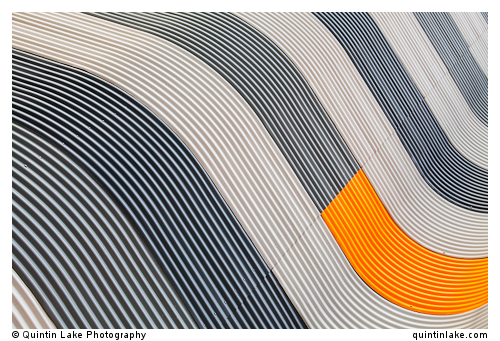
13/ Ian Davenport “Poured Lines: Southwark” More >>

Ian Davenport “Poured Lines: Southwark”, Liquid enamel on steel, 2006. Southwark Bridge, London

14/ Tower Bridge Road by Glas Architects More >>

Detail of apartments at 171 Tower Bridge Road, Southwark, London

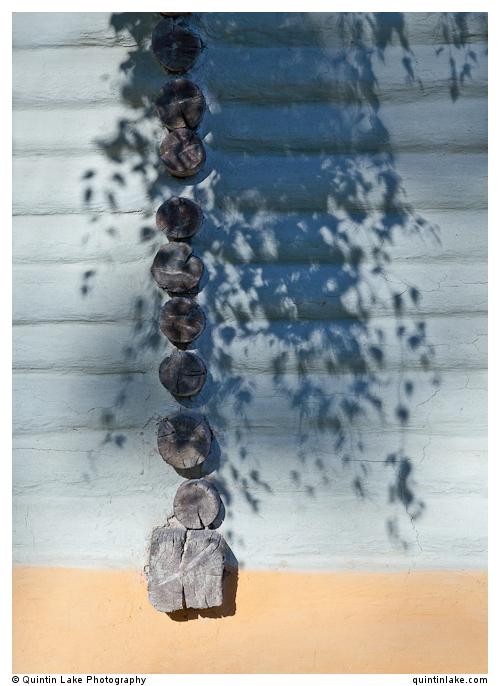
15/ Romanian Vernacular Architecture More >>

Shadows on a wooden house from Naruja, Vrancea, Romania. Built C19

16/ King’s Cross Station by John McAslan More >>

2012 Steel lattice in front of the 1852 station booking hall.

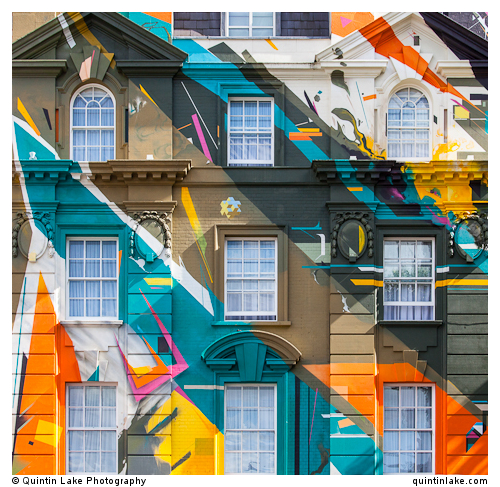
17/ Graffiti mural on Megaro Hotel More >>

A graffiti mural on Megaro Hotel opposite St Pancras station, London, 2012.

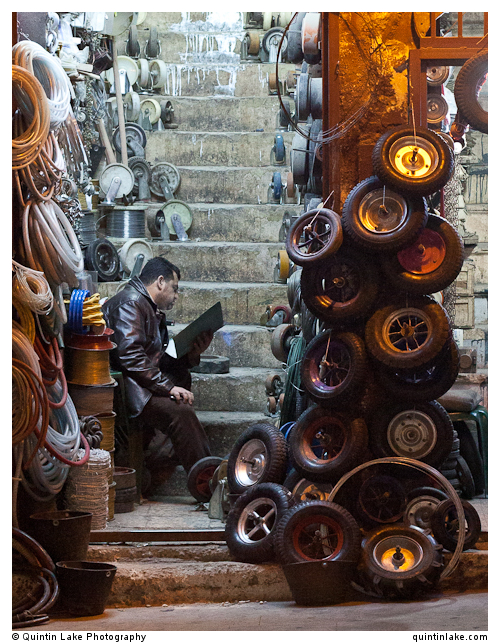
18/ Aleppo Night Workshops, Syria More >>

Aleppo Streets at night, Syria

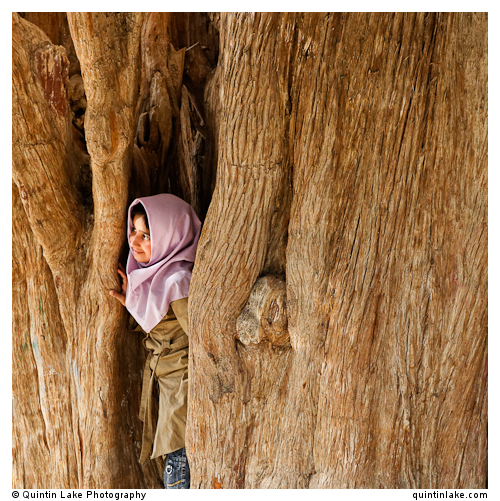
19/ Glimpses of Iran More >>

An Iranian girl looks out from the trunk of Sarv-e Abar-Kuh “cypress of Abar-Kuh”, also called the Zoroastrian Sarv, is a Cupressus sempervirens tree in Abarkuh, Yazd Iran. It is estimated to be over four thousand years old and may be the oldest living thing in Asia.

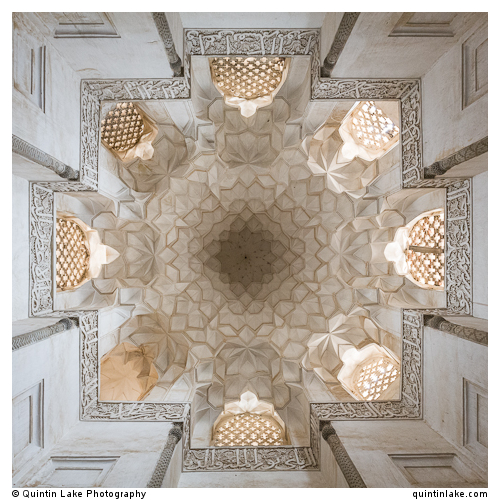
20/ The Beauty of Iranian Symmetry More >>

Interior of Octagonal Pavilion Tomb of the Sheikh Abdolsamad, Natanz, Iran.

21/ Mayfair Office by Data Nature Associates More >>

Glass reception desk and hidden meeting room in Portland stone

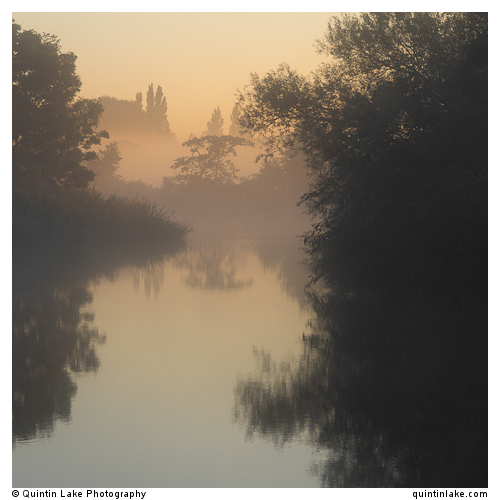
22/ Sweet Thames, run softly till I end my song More >>

Thames Waters X
100 miles downstream, dawn near Shiplake

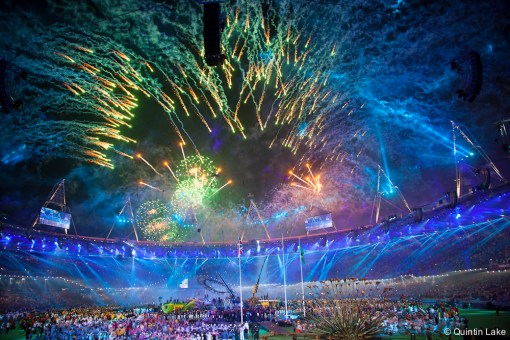
23/ Paralympic Closing Ceremony, London 2012 More >>

Fireworks during conclusion of Paralympic closing ceremony 9th September

24/ Sports Hall by Original Field of Architecture More >>

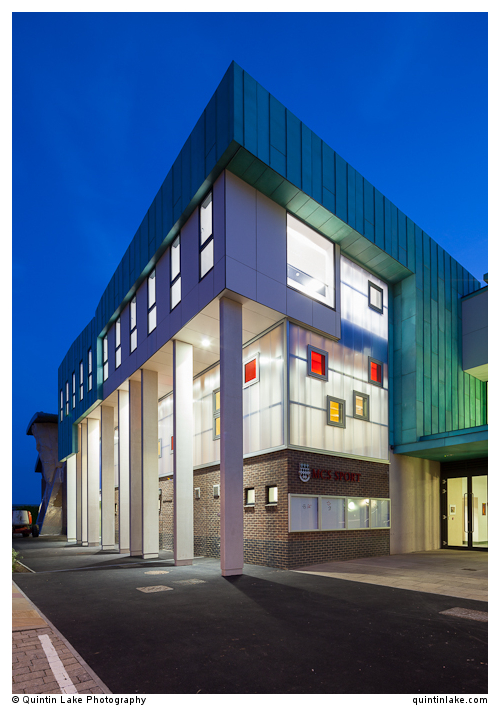
Multi-Function Sports Hall at Magdalen College School, Oxford

25/ International Photography Awards: 1st place More >>

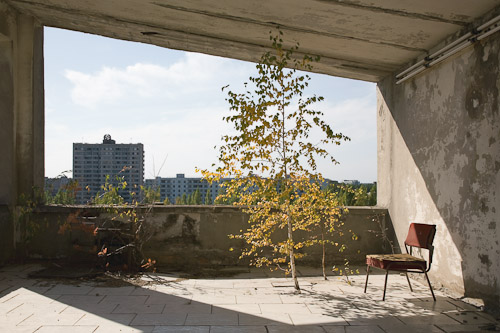
A silver birch tree grows through the floor on the terrace of Hotel Polissia.

26/ Contemporary Cotswold House More >>

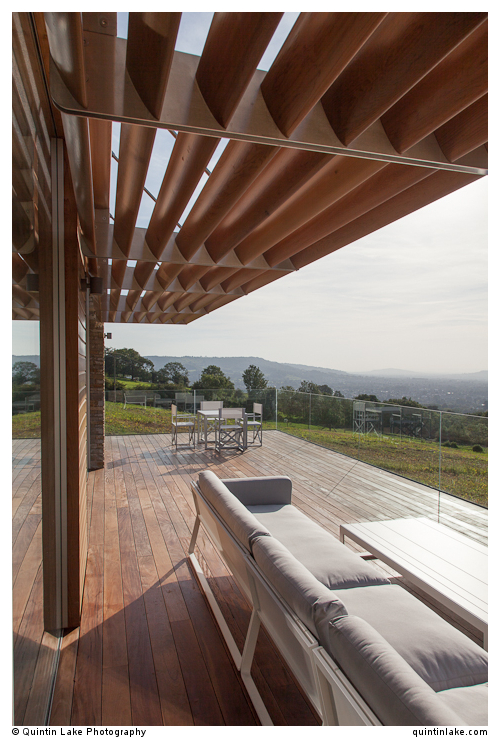
Terrace overlooking rural Cotswold landscape

27/ Botanical Gardens by C.F. Moller More >>

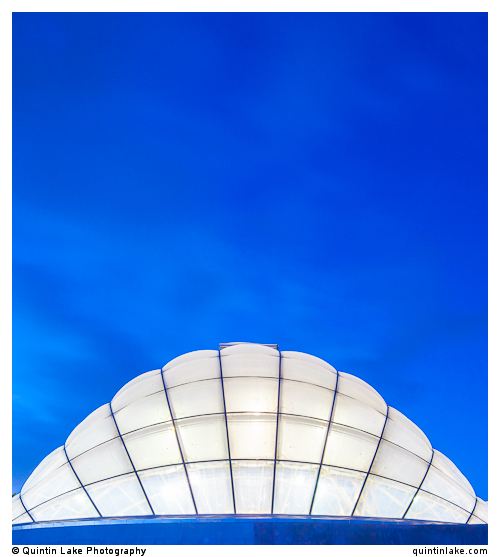
View of the structure at dusk. C.F. Moller & Søren Jensen

28/ Aarhus Business School  More >>

Main circulation space at the heart of the building. Cubo Arkitekter & Søren Jensen

29/ The Freight Yard by 3XN & Søren Jensen More >>

The sky lights glowing at dusk

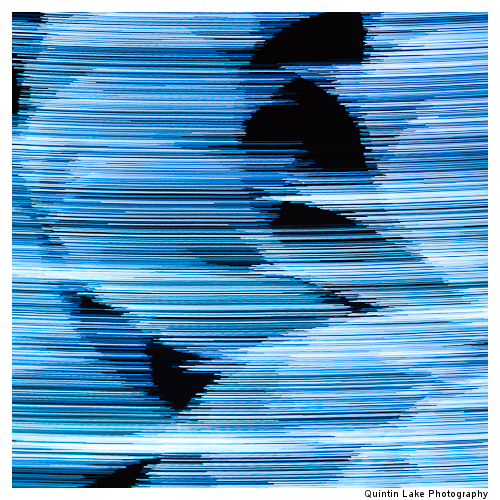
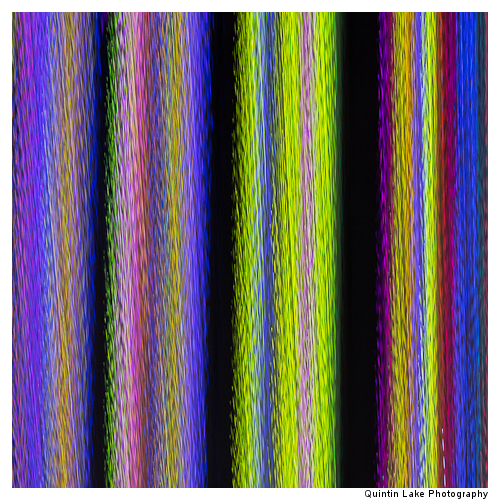
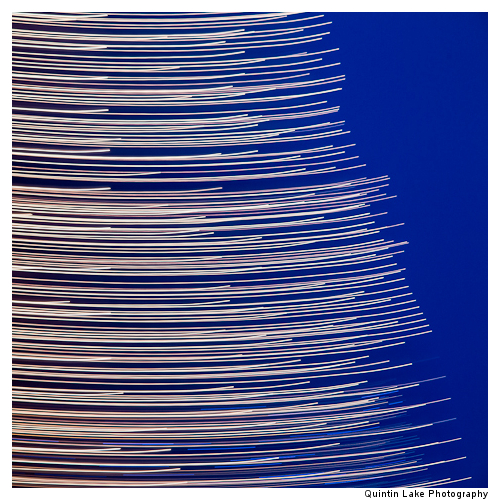
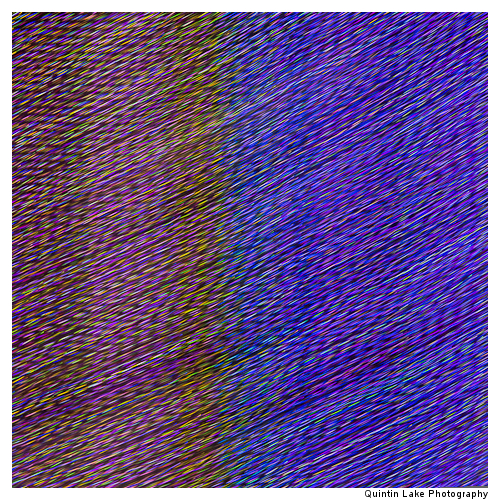
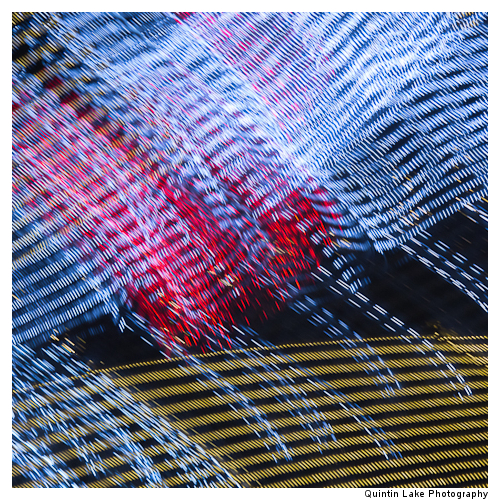
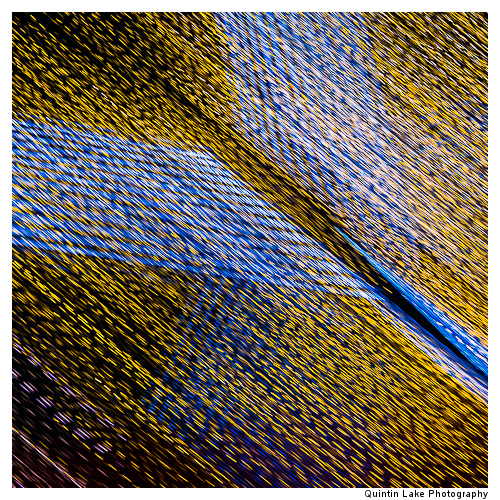
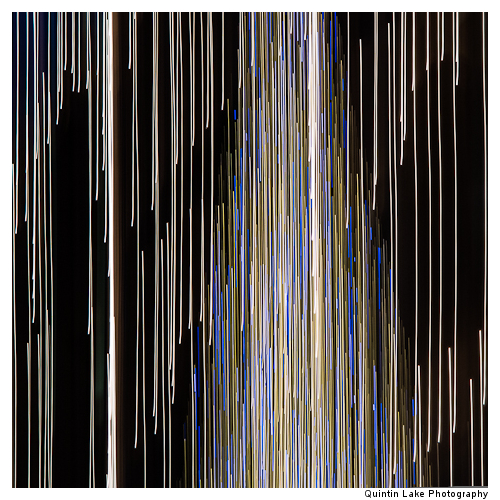
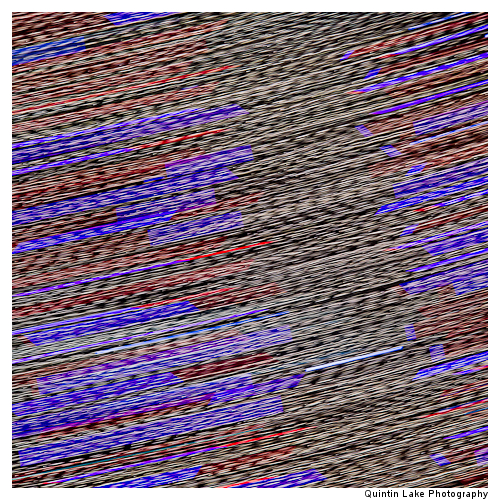
30/ Christmas Light Abstractions, London More >>

Selfridges, Oxford Street I

Selfridges, Oxford Street

Debenhams, Oxford Street I

Debenhams, Oxford Street I

Regent Street I

Regent Street I

Regent Street II

Regent Street II

Debenhams, Oxford Street III

Debenhams, Oxford Street III

Harrods II.

Harrods II.

Debenhams, Oxford Street II

Debenhams, Oxford Street II

Oxford Street I

Oxford Street I

Selfridges, Oxford Street I

Selfridges, Oxford Street I

Oxford Street II

Oxford Street II

Harrods I

Harrods I

Marks & Spencer, Oxford Street I

Marks & Spencer, Oxford Street I

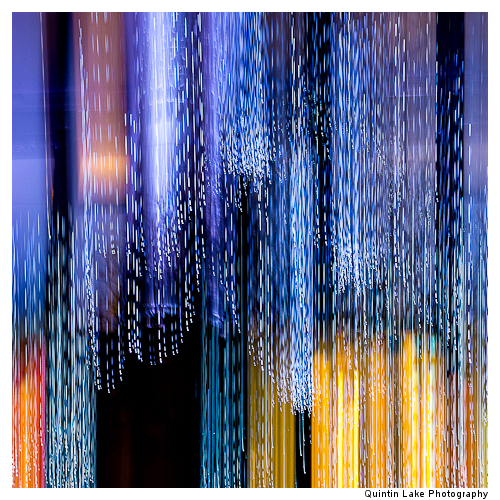
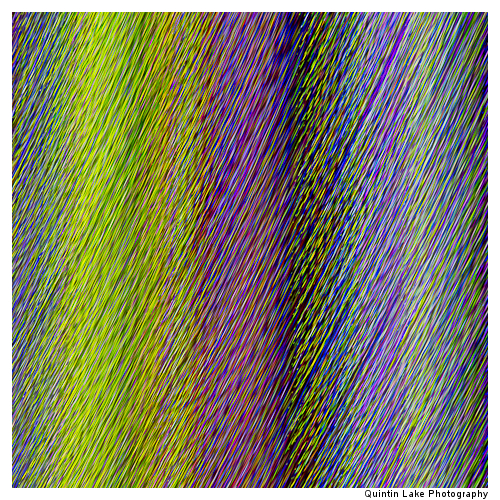
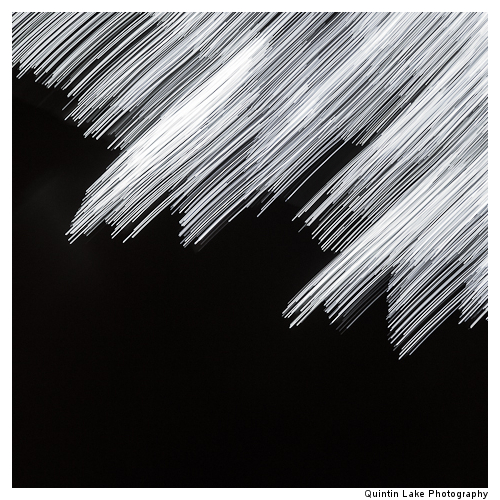
Long exposure photographs of London Christmas Lights around Knightsbridge, Regents Street and Oxford Street. Generated by moving the camera while depressing the shutter release during a long exposure (aka ICM or Intentional Camera Movement)

Wishing you a Merry Christmas!

Tim Ashley interviewed me for his fine art photography blog. Here’s a reblog as featured on his website also interesting is his interview with Nadav Sander and post “What is Fine Art Photography” 

Quintin and I first met some years ago at the same crossroads in our photographic careers. It’s a long story but we were both thinking of taking the same big step and, as it happens, neither of us did. But we kept in contact and I became a great fan of his work.

Quintin is ‘mainly’ an architectural photographer: that is the core of his business, his primary bread and butter. But like many photographers, his career is also his passion and his Fine Art work, which often combines elements of his architectural practice with travel, documentary and landscape styles, is a very natural extension of this core practice.

The two series featured here, Chernobyl and Sweet Thames, are very different. Chernobyl is a fusion of architectural discipline, documentary bravery, intrepid travel photography and a Fine Art sensibility. Sweet Thames, one the other hand, is far less structured, more fluid (as befits its theme) and more obviously lyrical. Both avoid cod narrative in favour of a form of quietly passionate dispassion, if that makes sense.

It’s worth adding that it’s not just me that rates his work highly: Quintin has recently been awarded 1st place in the ‘Architecture – Historic’ category for the Chernobyl series in the 2012 International Photography Awards. He also received three honourable mentions in the categories for Fine Art – Landscape, Architecture – Cityscapes and Architecture – Buildings.

The rest of the words that follow are Quintin’s, and I hope you enjoy them and the images as much as I have. Because both series are quite long, I have embedded them as slideshows to expedite loading of this page.

I also recommend Quintin’s blog, where you can see some of his architectural work, as well as more of his landscape and travel photography.

Finally, don’t miss the ‘Methods and Approach’ section at the end. It is brief but highly informative!

Pripyat: 21 years after Chernobyl
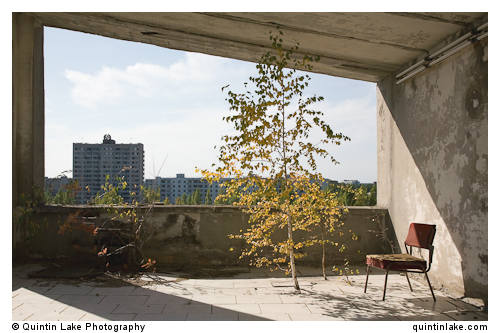
A silver birch tree grows through the floor on the terrace of Hotel Polissia. The hammer and sickle is visable atop the distant appartments.

A silver birch tree grows through the floor on the terrace of Hotel Polissia. The hammer and sickle is visable atop the distant appartments.

When reactor number four at the Chernobyl Nuclear Power Plant exploded in 1986 the result was the worst nuclear accident in history. Large areas of Ukraine, Belarus, and Russia were severely contaminated, requiring the evacuation and resettlement of over 336,000 people.

Pripyat, 1km from the reactor, was designed as an exemplar of Soviet planning for the 50,000 people who worked at the power plant. A funfair, with bumper cars and Ferris wheel, was due to open two days after the reactor exploded.

These photographs, inspired by Robert Polidori’s earlier images of Chernobyl, were shot in 2007 over 5 hours, apparently the safe period of exposure. Although a Geiger counter was carried in case of localised high emissions, certain areas of vegetation which attract a higher concentration of radiation were avoided.

The physical devastation stems from looting and gradual building collapse, not from the explosion. Over the last ten years people have intruded regularly into the military exclusion zone, stealing everything from irradiated toilet seats to the marble cladding from hotel walls. Photographs of the town capture a memory of three traumas: the invisible radiation, the visible looting and the gradual collapse of a ghost town.

See the full series here

Sweet Thames, Run Softly
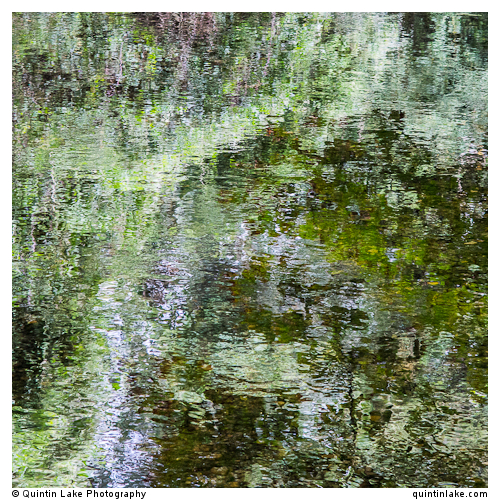
Thames Waters IV5 Miles downstream (near Ashton Keynes)

Thames Waters IV
5 Miles downstream (near Ashton Keynes)

The idea for the project started when watching the first few minutes of Danny Boyle’s Olympic Opening ceremony. Seeing the sped up aerial journey starting at the source of the Thames and ending up in London I immediately realised I wanted to walk the length of the river and try to produce an artwork based on that experience. I’ve recently got married and live with my wife in Cheltenham near the source, my childhood was in Oxford, half way along and I lived in London for seven years as a student so the river has a very personal connection for me. Earlier in the year I’d been in hospital with meningitis and then immediately afterwards witnessed the birth of my son so I started the journey with more sensitively to the notion of the river as a metaphor of life than I might have done otherwise.

I’ve always been a keen long distance walker having backpacked Land’s End to John O’Groats and many of the long distance trails in Britain. I always travel alone and camp, as its cheaper (much cheaper in the Thames valley!) and gives me a greater connection to the landscape and allows me the concentration necessary to think about and notice interesting light for photography. It was surprisingly difficult to camp along the Thames as it relatively populated and I prefer to wild camp so I often pitched after dark and broke camp at dawn. The journey was 170 miles and it took me ten days.

Whenever I work on a photographic project I think of the images as a series, to which I endeavour to give a particular and constant feeling. I never know what this feeling will be before I start a journey which is part of the thrill. In the artic this was the play of light, In Iran it was the architectural symmetry and on the Thames I felt it was the pattern and texture of the water. I purposely cropped out the landmarks to emphasise the difference of the texture and colour of the water. Before I started the journey I would never have thought that the water at the source could look quite so different to the same water as it passed under the M25 bridge.

See the full series here

Practice Statement

I make photographs of things I’ve never seen before. The desire to understand the visual world is the inspiration for my work. Geometry and stillness are qualities of space I’m particularly fascinated by. My background in architecture means I tend to abstract the world in terms of line, surface and form.

My working method involves two parts. Firstly extensive walking and looking, photographing intuitively if a place interests me. Subsequently I’ll edit the material I have collected while thinking consciously about a theme or idea that the images suggest to me.

Methods and Approach

My background was working with a 5×4″ sinar view camera but now, the 20+ megapixel full frame 35mm sensor cameras more than meet the technical demands of the industry (architects, developers and design press). I’m not excited about the new generation of 40 megapixel full frame sensor 35mm cameras as I consider the extra detail excessive and it increases processing time. Far more important than resolution is a flair for composition and light. The cost of buying or hiring a Phase One back and associated digital lenses is not proportional to what the industry pays and this type of camera reduces the propensity to experiment and play which can reduce creativity of composition.

35mm full frame lenses with excellent corner to corner sharpness and low distortion are essential. Tilt shift movements are useful not just for correcting perspective but for shifting the compositional emphasis of a scene. I work with Canon and my preferred lenses are 17mm f4 TS-E L,  24 f4 TS-E L and 70-200 f4 L. The ubiquitous 24-105 f4 L is also fantastically versatile and most of its problems can be removed in Lightroom; the Chernobyl series was shot with this lens as I was so short of time due to fears of radiation exposure. Architectural Photography is particularly sensitive to lens/ body calibration and I send my equipment to be calibrated annually.

Useful techniques for architectural photography depending on the situation are exposure fusion which is a naturalistic version of HDR which increases the dynamic range by blending bracketed exposures. I use LR/Enfuse lightroom plugin for this. For interiors, tethered shooting can be very useful for previewing often complex Lightroom adjustments on the fly. Mirror lock up and a high end tripod and head are essential for pin sharp results. Aperture is best kept no higher than the f8-f14 range to avoid problems with diffraction softening the image. A Hoodman loupe helps focus the manual tilt shift lenses. Wearing a fluorescent worker’s jacket when using a tripod reduces people’s suspicion in urban areas and tends to make people walk quickly past the building. And I always carry a couple of door wedges for interiors photography!
More from Tim Ashley’s blog here

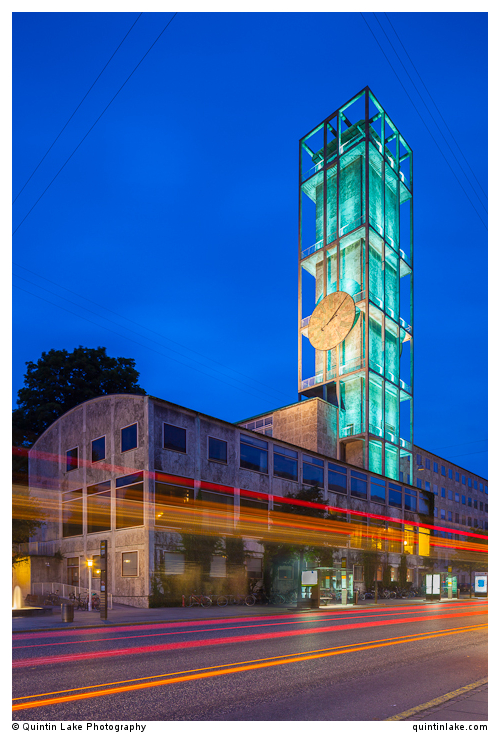
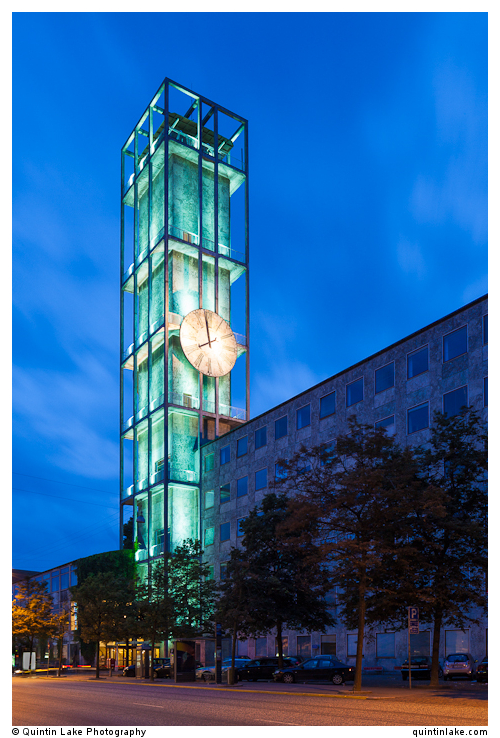
Aarhus City Hall Clock Tower at night, Denmark.

Aarhus City Hall Clock Tower. Architect: Arne Jacobsen and Erik Møller.

Arne Jacobsen’s Aarhus City Hall (Århus Rådhus Bygning) was originally designed without a tower in 1942 but the people demanded a more monumental symbol for the most important building in their city. The resulting tower is 60m tall and the tower clock face has a diameter of 7m. The building is made of concrete plated marble from Porsgrunn in Norway. Architect: Arne Jacobsen and Erik Møller.

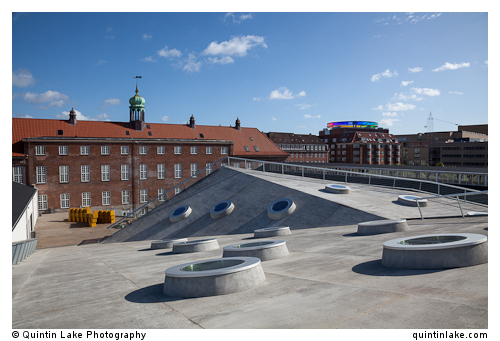
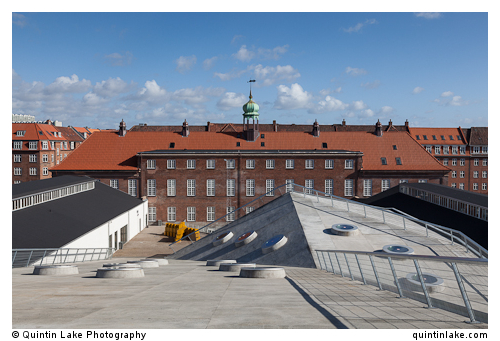
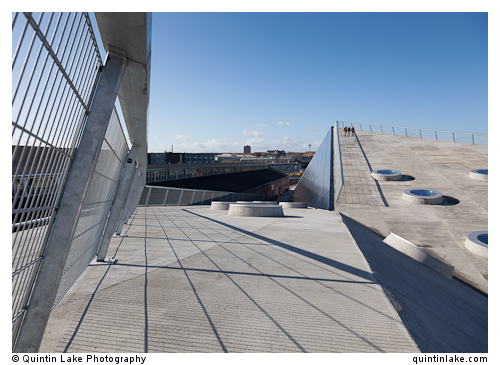
Roof of Godsbanen, The Freight Yard, Aarhus.

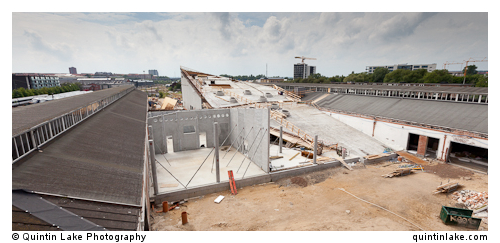
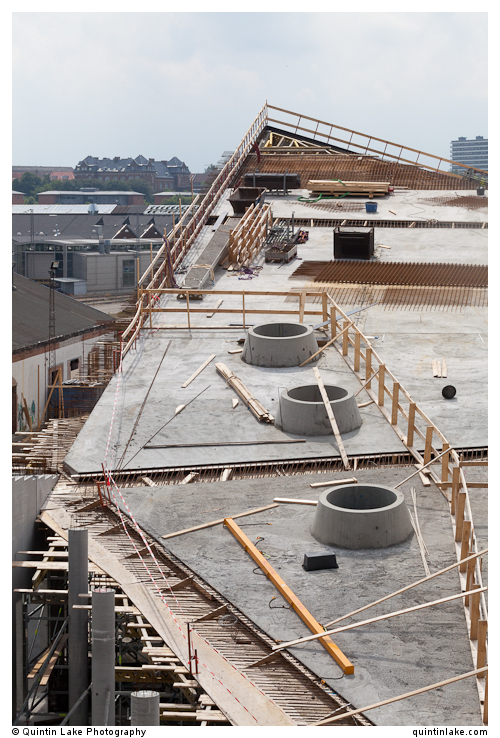
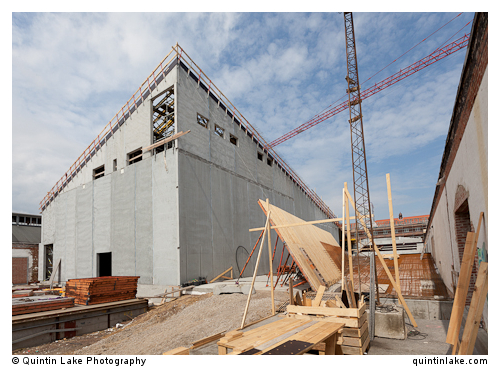
Construction of Godsbanen, The Freight Yard Project in 2011

The new building sits between the two renovated train sheds

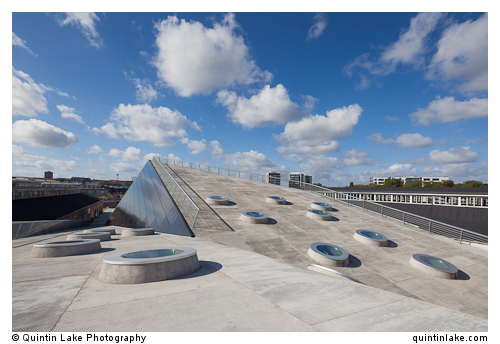
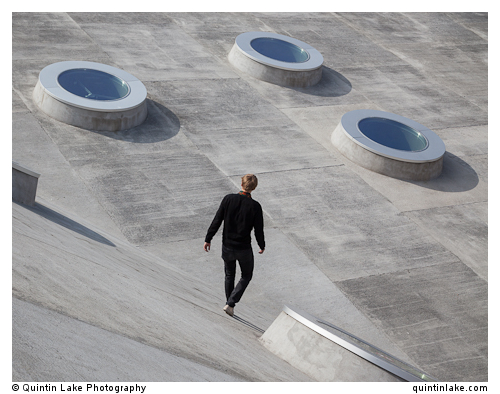
The publicly accessible roof allows one to walk over the building

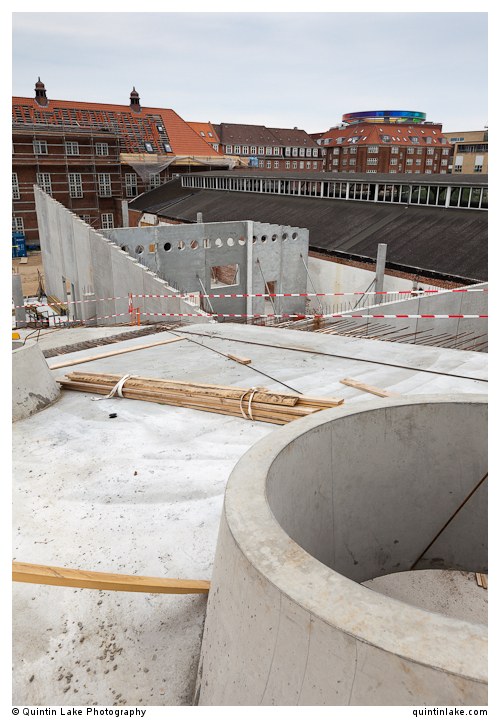
Roof under construction in 2011

The new building links the train sheds and gives a panoramic view of the city

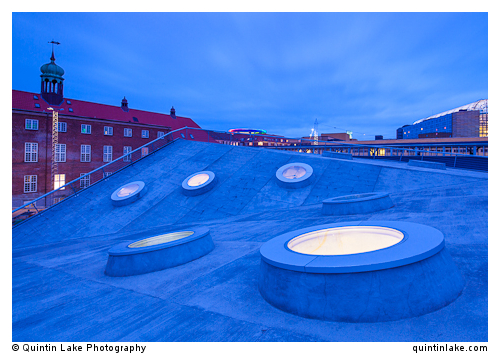
The roof surface is perforated by distinctive sky lights

The sky lights glowing at night

Construction of Godsbanen, The Freight Yard Project in 2011

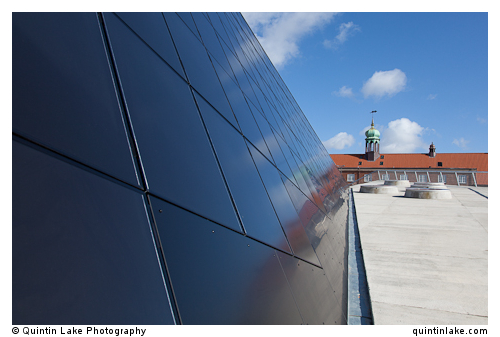
Black photovoltaic panels

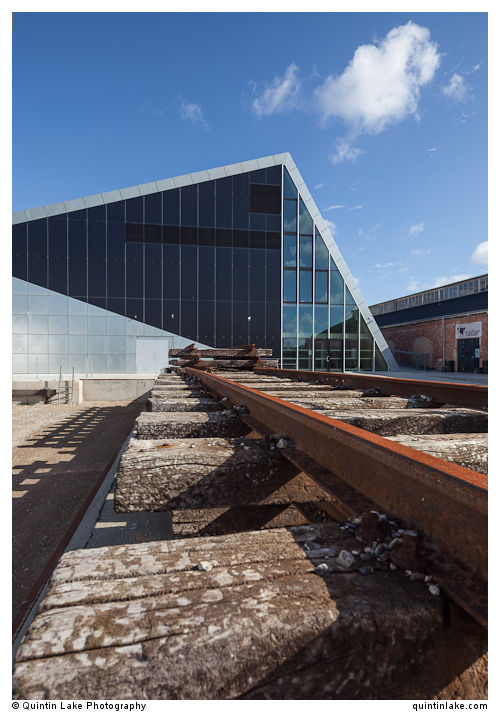
Original rail tracks are a reminder of the past use

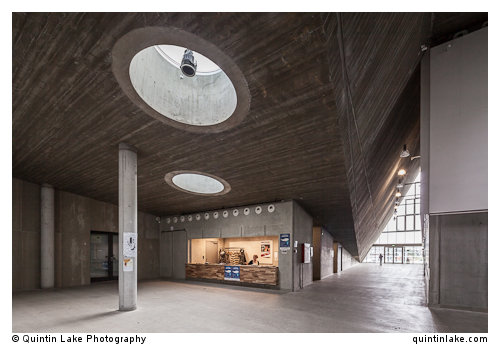
Ticket office and circular sky lights

Theatre entry

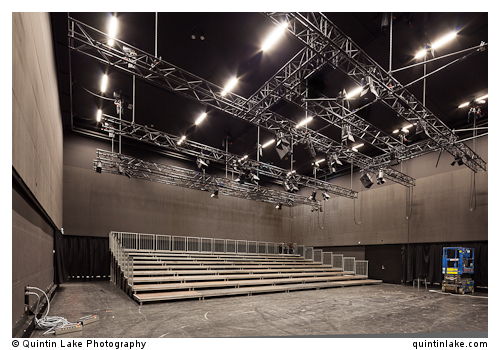
Inside the main theatre

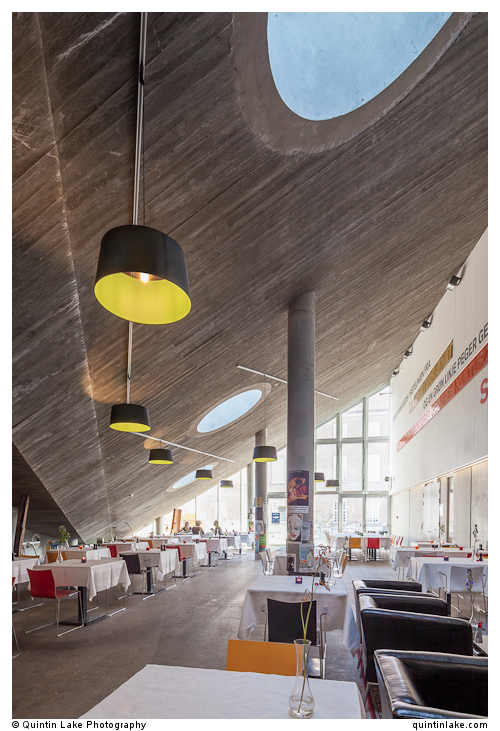
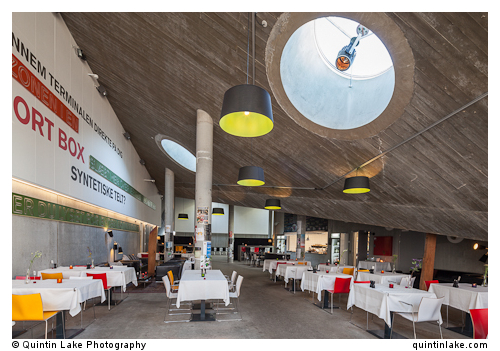
Aarhus Folkekøkken Restaurant

Aarhus Folkekøkken Restaurant

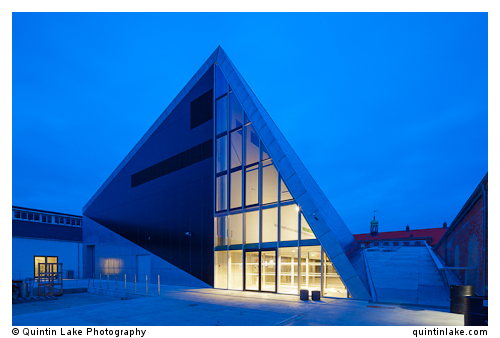
Godsbanen at dusk

Godsbanen under construction, 2011

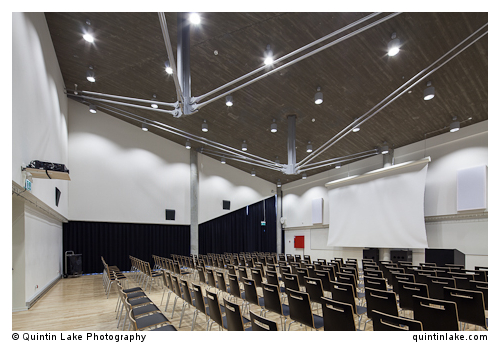
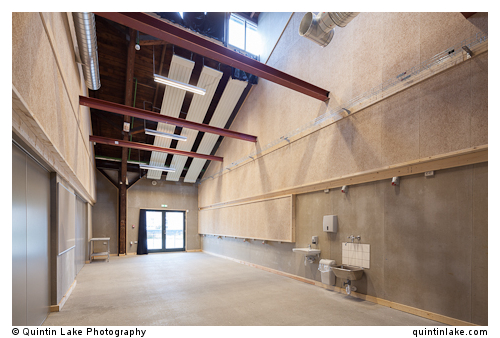
One of the three multi function project rooms

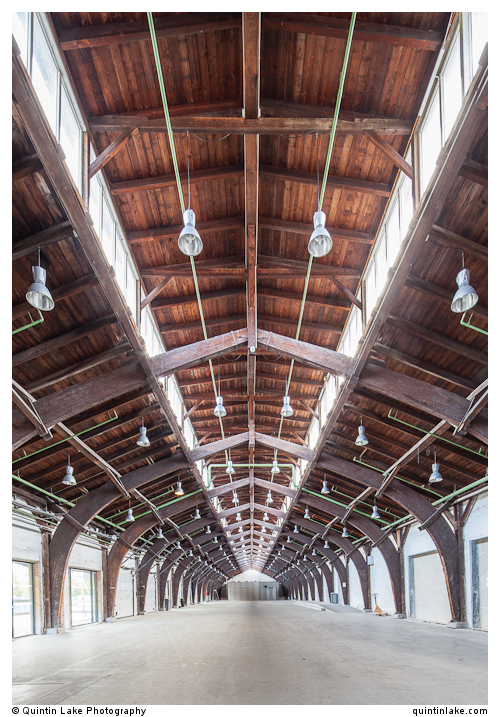
Artist studios in the original train shed

Studio/workshop in the original train shed

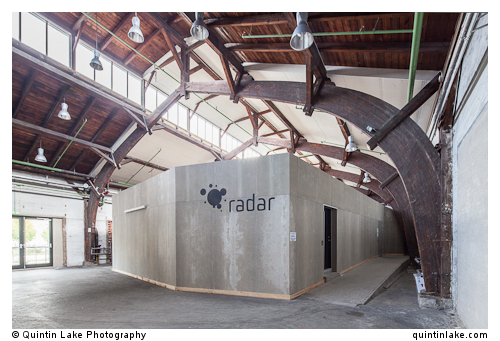
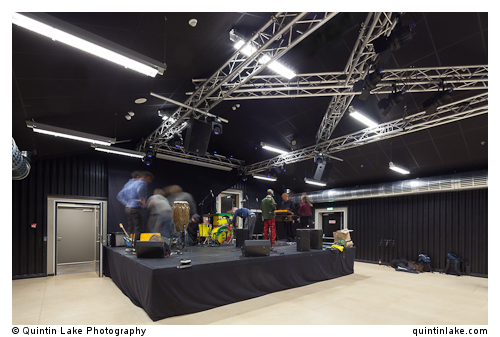
Radar, a music venue in the rail shed

Radar music venue interior

The amazing space inside the renovated timber train shed

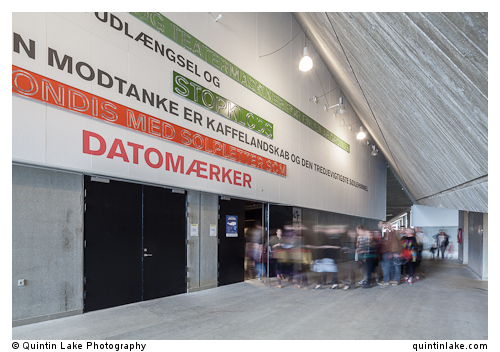
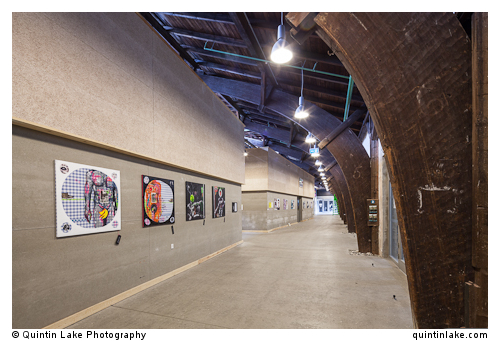
Assignment for Søren Jensen Engineers to document the construction in 2011 and completion in 2012 of Godsbanen / The Freight Yard, Aarhus, Denmark by 3XN Architects & Søren Jensen. The building is a centre for cultural production in Aarhus containing workshops, studios, theatre stages, auditoriums and a restaurant. The buildings used to host one of Denmark’s largest train freight yards and the new roof is open access allowing the visitors to walk over the building and get a panoramic view of the city including Your Rainbow Panorama and the Hothouse at the botanical gardensMore photos from this shoot